Introduction
The term “agreement” in “screen time agreement for children” functions as a crucial noun, signifying a mutual understanding and commitment, which forms the bedrock of responsible digital engagement. This essential printable resource is designed to empower families and educators in guiding children, spanning elementary grades (ages 5-11) through middle and high school (ages 12-18), toward balanced and safe technology use. Printable worksheets consistently serve as trusted educational tools, offering a tangible, hands-on approach to complex topics like internet safety. They transform abstract concepts into actionable steps, fostering active participation and concrete understanding among learners. Educators and parents value these resources for their ability to facilitate discussions, establish clear expectations, and reinforce positive digital citizenship habits in a structured yet adaptable format, building foundational awareness and promoting responsible online behavior from an early age.
💡 Educational Key Takeaways:
- Core Skill: Structured Screen Time Agreement For Children focused on developing pencil grip, stroke control, and early literacy/math confidence.
- Target Scope: Suited for homeschoolers, preschool, kindergarten, and elementary learners.
- Best Recommendation: Practice 10–15 minutes daily with ergonomic writing tools to reinforce muscle memory without hand fatigue.
What This Worksheet Covers
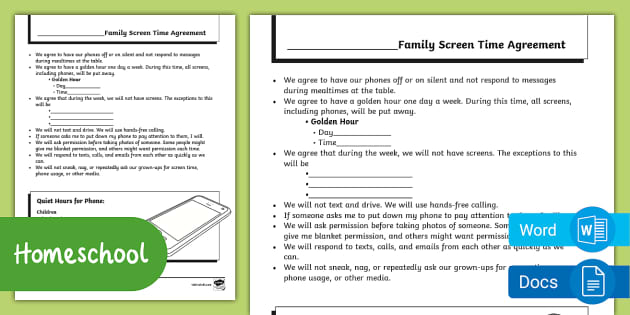
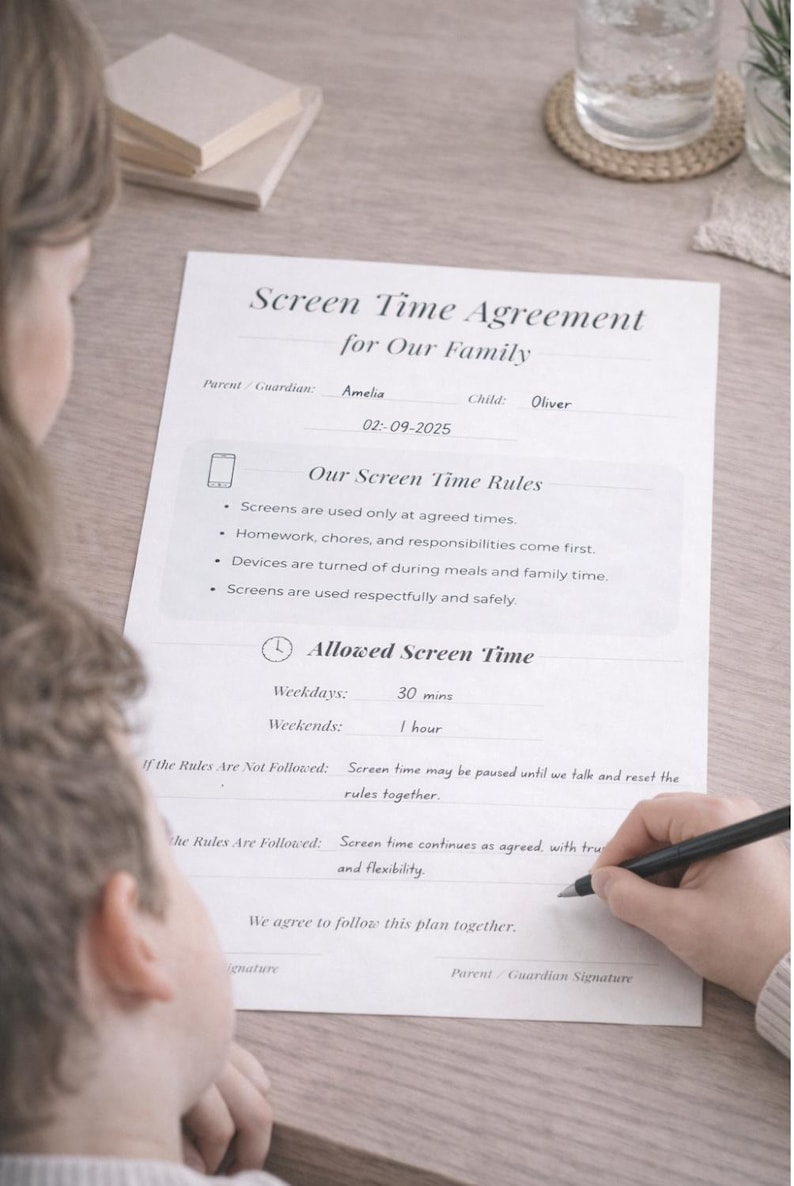
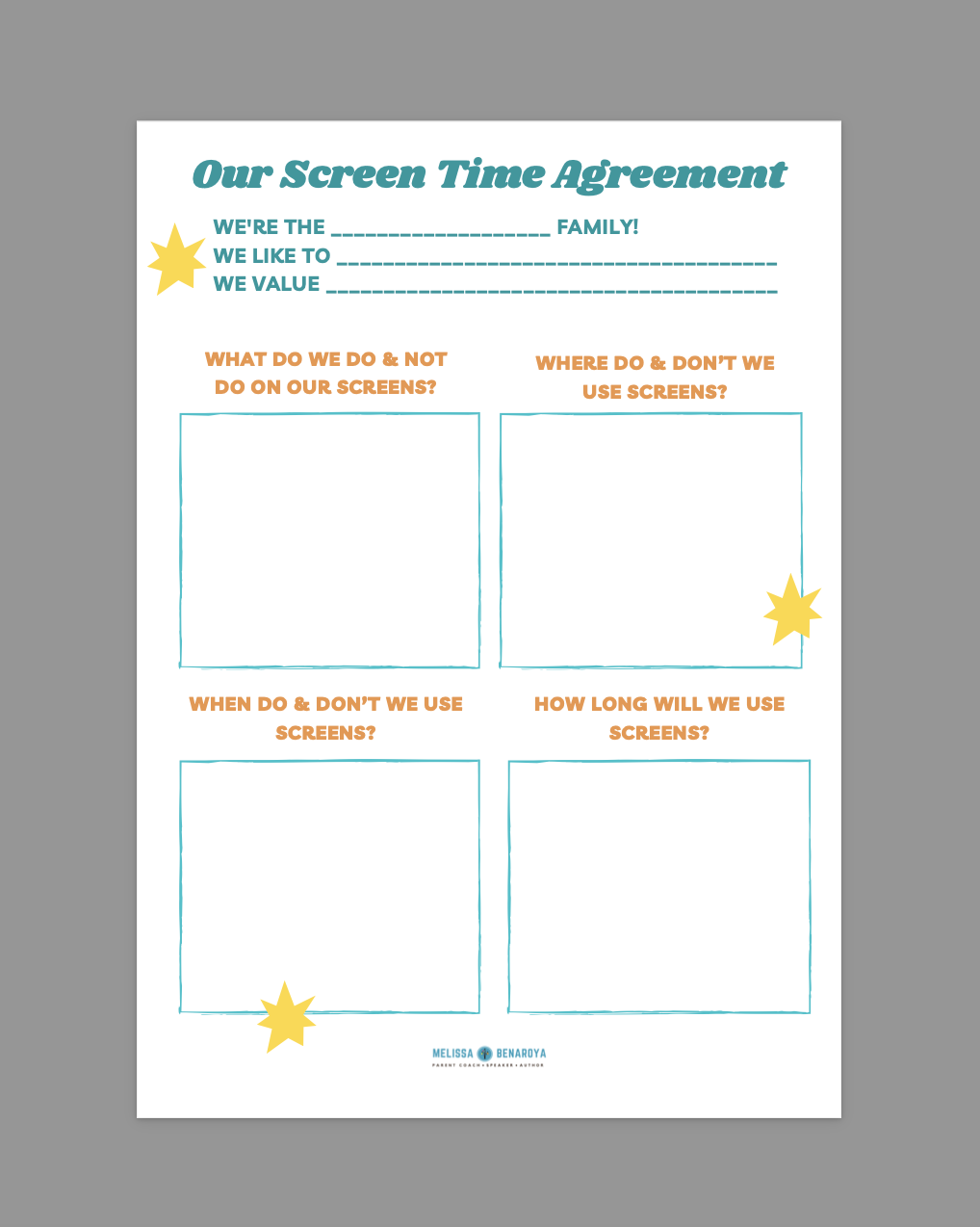
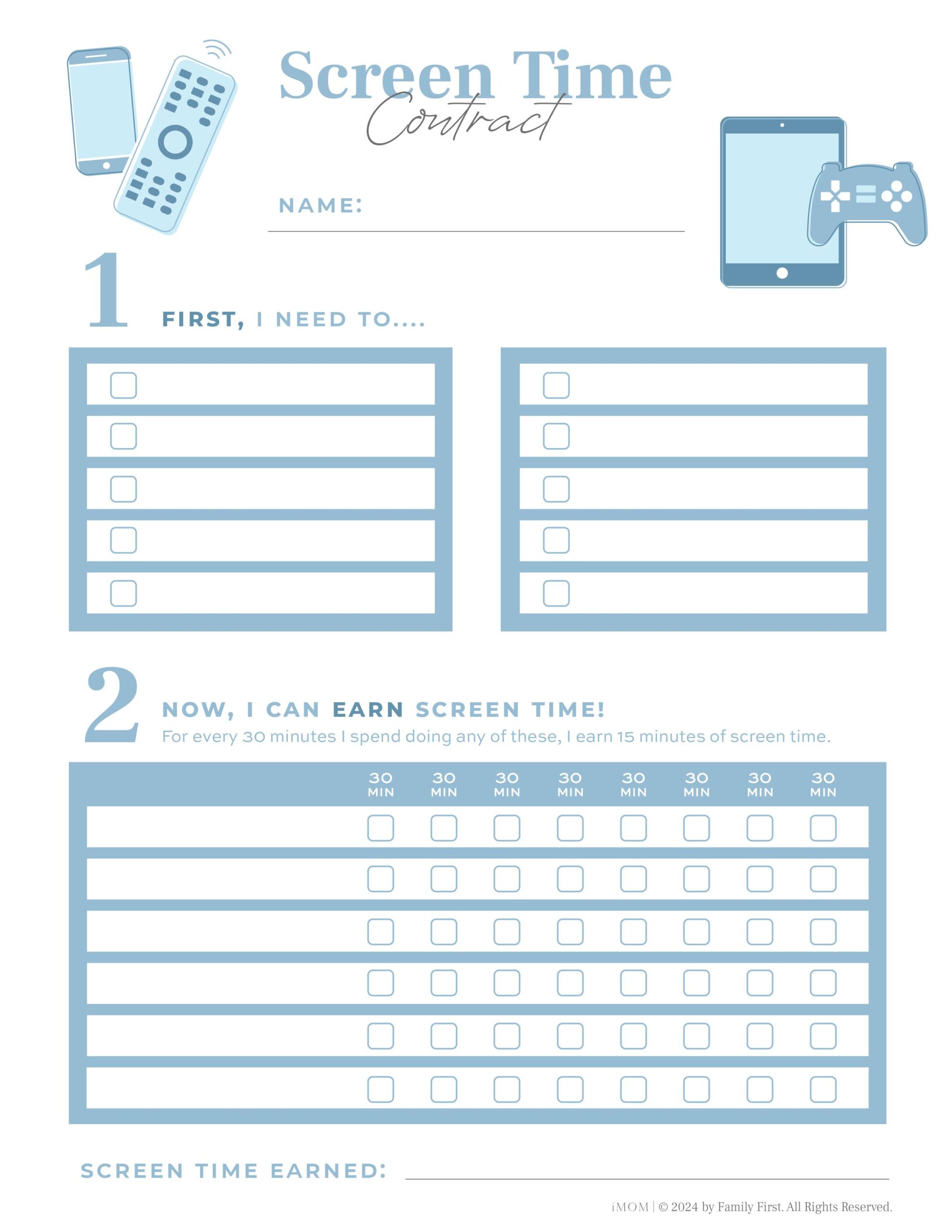
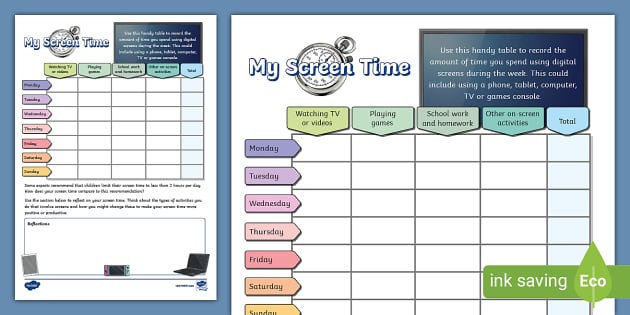
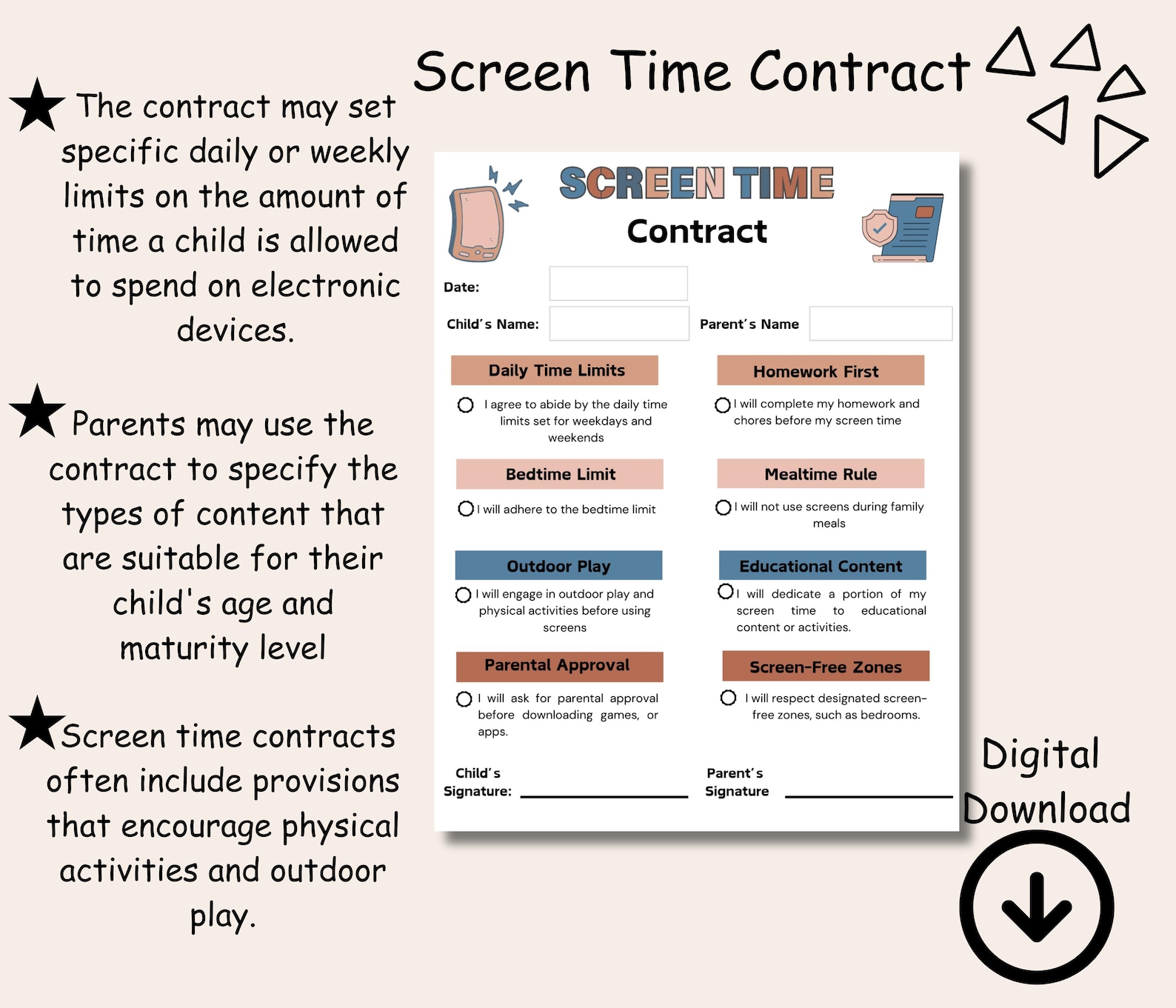
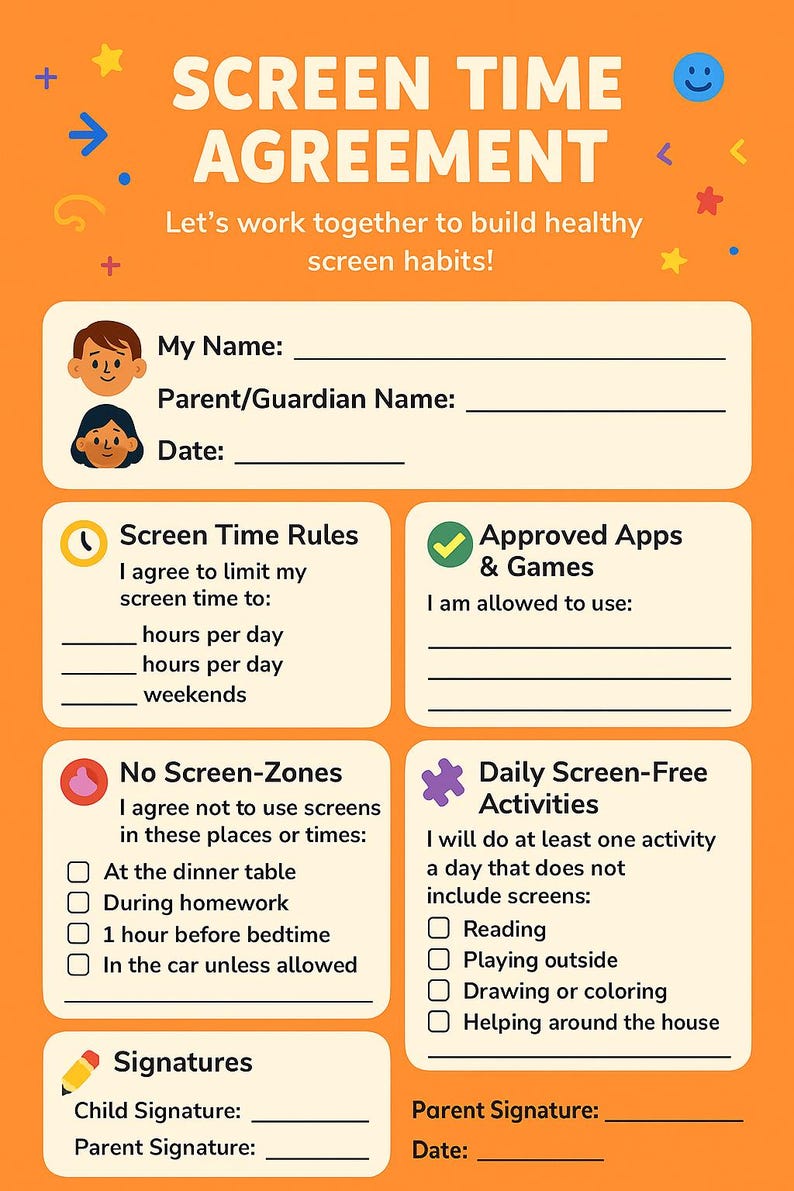
This “screen time agreement for children” worksheet specifically addresses the vital internet safety topic of establishing clear, healthy boundaries for digital device usage. It guides users through creating personalized rules concerning duration, content choices, appropriate times for use, and maintaining a balance with offline activities. The resource delves into critical concepts such as digital wellness, self-regulation, the importance of family communication regarding technology, and the ethical implications of online interactions. Furthermore, it covers scenarios that prompt consideration of responsible online behavior and the consequences of misuse. The worksheet’s content directly aligns with recognized digital citizenship and child safety education standards, including components of the ISTE Standards for Students, emphasizing responsible digital citizenship and the development of empowered learners who make informed decisions about technology use.
Key Learning Outcomes
By engaging with the “screen time agreement for children” worksheet, individuals will achieve several important developmental and educational milestones:. Browse more guides on Safe Wired Schools.
- A clear understanding of healthy screen time boundaries and the reasons behind them.
- The ability to actively participate in the creation and consistent adherence to personal or family technology rules.
- Enhanced self-regulation skills concerning the frequency, duration, and content of digital device usage.
- Improved communication abilities, enabling constructive conversations about digital habits and expectations.
- Recognition of the fundamental importance of balancing digital activities with physical play, learning, and social interactions.
How to Use This Worksheet
The “screen time agreement for children” worksheet offers a versatile framework for both classroom and home environments. It typically incorporates activity types such as fill-in-the-blank sections for personalized rules, reflective prompts encouraging thoughtful consideration of digital habits, and scenario-based questions to develop decision-making skills. The instructions are carefully scaffolded, progressively guiding learners through the process of defining and committing to a screen time agreement. Its difficulty level is adaptable, allowing for simpler rule-setting for younger children and more nuanced discussions for older students. This resource functions effectively as a standalone activity to initiate discussions, an integral part of a broader digital citizenship lesson plan, or a valuable homework assignment designed to involve the entire family in setting responsible technology guidelines.
Practical Tips for Parents and Teachers
- Foster Collaboration: Initiate the process as a collaborative discussion, emphasizing mutual understanding and shared responsibility rather than simply dictating rules. This approach encourages greater buy-in and adherence.
- Personalize the Agreement: Encourage customization of the rules to fit individual child needs, family dynamics, or classroom settings. A tailored agreement is more likely to be effective and sustainable.
- Model Desired Behavior: Adults should actively demonstrate responsible screen time habits. Children learn significantly through observation, making consistent adult behavior a powerful teaching tool.
- Review and Revise Regularly: Digital landscapes and individual needs evolve. Schedule periodic reviews of the agreement, perhaps quarterly, to discuss what is working, what needs adjustment, and to reinforce commitment.
- Connect to Real-World Value: Link adherence to the agreement with real-world responsibilities and privileges. Discuss how balanced screen time creates opportunities for other engaging activities and positive outcomes.
Age-Appropriate Recommendations
Employing the “screen time agreement for children” effectively requires an age-sensitive approach, recognizing varying developmental stages and cognitive abilities.
For Ages 5-8 (Early Elementary), the focus should be on foundational concepts. Simple, clear language is paramount, with a strong emphasis on visual aids such as drawing activities to illustrate “when we stop” or “what we can watch.” Parental or teacher involvement is crucial, guiding children through each section and helping them articulate basic rules. Discussions should center on immediate impacts, like “too much screen time makes us tired.”
For Ages 9-12 (Upper Elementary/Middle School), children can participate more actively in defining the agreement. Vocabulary can become slightly more sophisticated, introducing terms like “digital footprint” or “privacy settings” in a simplified manner. The worksheet can prompt discussions about balancing screen time with homework, chores, and social interactions, allowing children to take more ownership in negotiating their responsibilities and privileges. Pacing can be moderate, allowing for deeper thought.
For Ages 13-18 (Middle/High School), the agreement shifts towards fostering greater self-management and personal responsibility. Discussions should delve into the nuances of digital well-being, the impact of social media on mental health, and the negotiation of advanced privileges balanced with responsibilities. Students at this age can analyze scenarios, propose solutions, and reflect on the long-term effects of their digital choices, with the agreement serving as a framework for personal accountability and ongoing dialogue.
Frequently Asked Questions
Q: What is a “screen time agreement for children”? A: A screen time agreement is a collaborative document, often co-created by children and adults, that outlines clear rules and expectations for digital device usage. It helps establish healthy boundaries and promote responsible online habits within a family or educational setting.
Q: How can this free resource be downloaded? A: Access to this free printable “screen time agreement for children” is readily available through the SafeWiredSchools.org website. Navigate to the “Worksheets” section, locate the resource, and click the download button for immediate printing and use.
Q: Is this worksheet suitable for all ages? A: This worksheet is designed to be adaptable across a wide age range, from early elementary to high school. Its flexible structure allows for customization of rules and discussion points, making it relevant for various developmental stages with appropriate adult guidance.
Explore More Free Printable Worksheets
While a single resource like the “screen time agreement for children” provides immense value, consistent digital safety learning flourishes best as part of a comprehensive educational routine. Educators and parents are encouraged to explore a full collection of free printable internet safety worksheets, activity sheets, checklists, quizzes, and more. These resources, covering every internet safety topic and designed for every grade level and learning environment, are available at SafeWiredSchools.org Worksheets, reinforcing a holistic approach to digital literacy.
Developmental Milestone & Activity Table
| Development Stage | Recommended Daily Duration | Primary Learning Objective |
|---|---|---|
| Preschool & Pre-K | 10 – 15 Minutes | Pencil grip development & basic pre-stroke lines |
| Kindergarten | 15 – 20 Minutes | Letter/number formation & spatial line awareness |
| Early Elementary (Grade 1–2) | 20 – 30 Minutes | Fluency, sentence construction & neatness |
Images References