Introduction
Reinforcing critical digital safety concepts is paramount in today’s interconnected world. The “free personal information safety worksheet for kids” stands as an invaluable resource, specifically designed to empower Elementary grades (1-5) and early Middle School students (grades 6-8) with essential online privacy knowledge. This printable learning tool serves as a tangible and effective method for educators and parents to introduce and solidify understanding of responsible online behavior. Worksheets have long been trusted by educational professionals and caregivers for their ability to provide structured learning, encourage active engagement, and facilitate concrete skill development. By offering a hands-on approach to digital awareness, this resource helps young learners grasp the importance of protecting personal information, thereby laying a crucial foundation for a safer online experience.
💡 Educational Key Takeaways:
- Core Skill: Structured Free Personal Information Safety Worksheet For Kids focused on developing pencil grip, stroke control, and early literacy/math confidence.
- Target Scope: Suited for homeschoolers, preschool, kindergarten, and elementary learners.
- Best Recommendation: Practice 10–15 minutes daily with ergonomic writing tools to reinforce muscle memory without hand fatigue.
What This Worksheet Covers
The “free personal information safety worksheet for kids” meticulously addresses the vital topic of safeguarding personal information in digital environments. It clearly defines what constitutes personal information, encompassing details such as full names, home addresses, phone numbers, school names, and birthdates. The worksheet guides young learners through scenarios that illustrate why keeping such information private is crucial for online safety. Concepts explored include the difference between public and private information, the risks associated with oversharing, and the importance of consulting a trusted adult when encountering suspicious requests. This content directly aligns with recognized digital citizenship frameworks and child online protection standards, emphasizing privacy, self-protection, and responsible communication practices.
Key Learning Outcomes
By engaging with the “free personal information safety worksheet for kids,” children and students will develop several crucial skills and knowledge areas:. Browse more guides on Safe Wired Schools.
- Ability to accurately identify various types of personal information.
- Understanding of the fundamental reasons why personal information must be kept private online.
- Skill in recognizing and responding appropriately to scenarios where personal information might be requested or pressured for sharing.
- Awareness of the importance of seeking guidance from a trusted adult when facing online safety concerns.
- Development of cautious habits regarding sharing details about themselves or their families in digital spaces.
How to Use This Worksheet
Educators and parents can effectively integrate the “free personal information safety worksheet for kids” into various learning settings. The worksheet features a variety of activity types designed to cater to different learning styles and progressively scaffold understanding. Activities include fill-in-the-blank exercises to identify personal details, matching games to connect information types with privacy rules, true or false questions to test comprehension, and scenario-based prompts encouraging critical thinking about online interactions. Some sections may also incorporate drawing or reflection spaces, allowing for creative expression and deeper personal connection to the material. Instructions are clear and concise, ensuring accessibility for the target age group. This resource functions excellently as a standalone activity to introduce or review concepts, as an integral component of a broader internet safety lesson plan, or as a thoughtful homework assignment to extend learning beyond the classroom or immediate teaching session.
Practical Tips for Parents and Teachers
- Preparation is Key: Before presenting the worksheet, review its content and questions. This allows for anticipation of potential discussion points and preparation of relevant real-world examples to share.
- Facilitate Discussion: Do not just assign the worksheet; actively engage with the child or students as they complete it. Ask open-ended questions that encourage them to articulate their reasoning and understanding.
- Connect to Real Life: After completion, initiate a conversation about how the concepts apply to their actual online activities, whether playing games, watching videos, or communicating with friends.
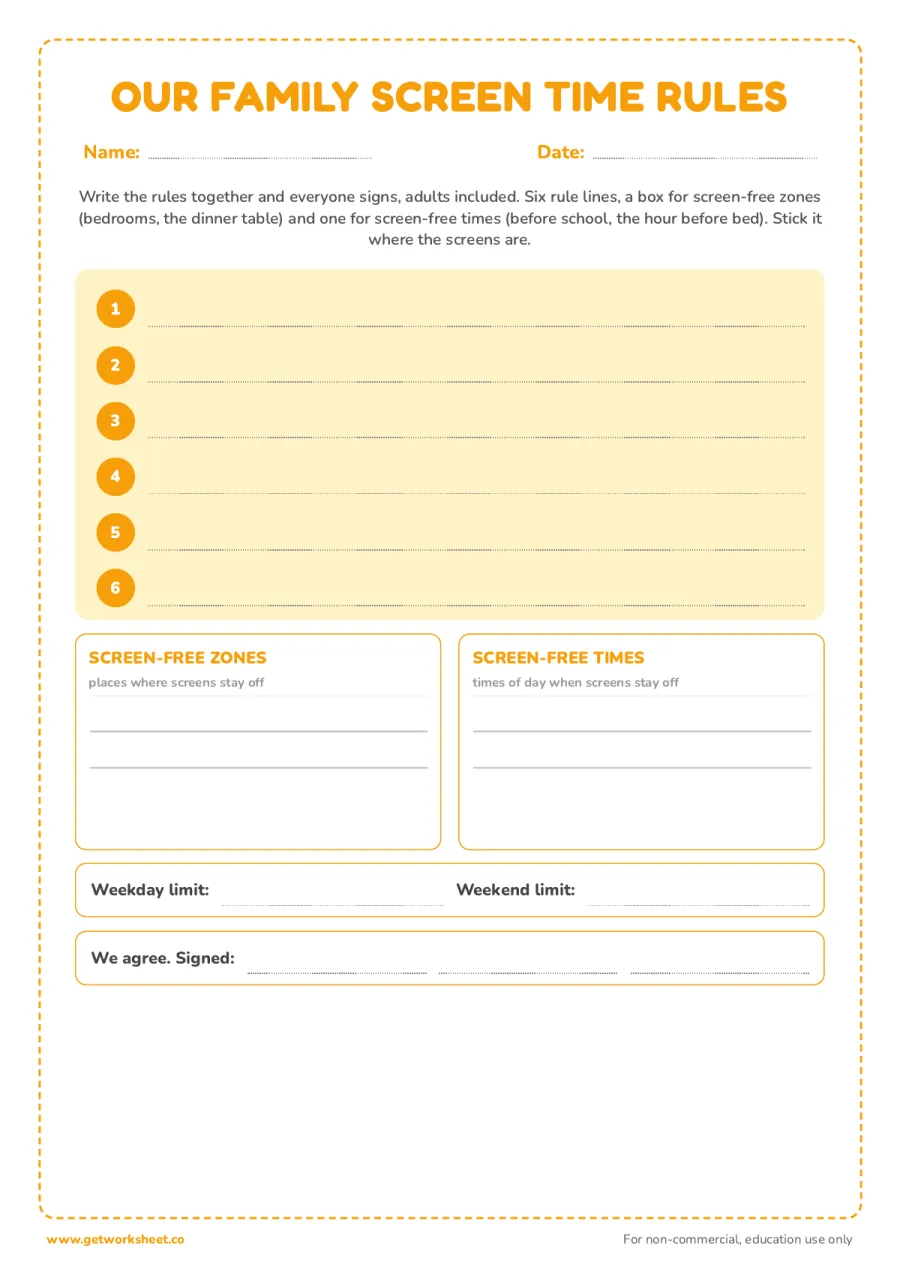
- Establish Family/Classroom Rules: Use the worksheet as a springboard to collaboratively create specific family internet safety rules or classroom guidelines regarding personal information sharing.
- Positive Reinforcement: Acknowledge effort and correct understanding. Celebrate their growing knowledge and ability to make safe choices online, building confidence in their digital literacy skills.
Age-Appropriate Recommendations
The “free personal information safety worksheet for kids” is adaptable across a range of ages, with different approaches yielding the best results for specific developmental stages.
For Ages 5-6 (Early Elementary), the focus should remain on foundational recognition and simple rules. Guidance should be direct, with the worksheet serving as a visual aid for identifying basic personal information like their name and school. Vocabulary support is crucial; simplify complex terms and use concrete examples. Activity pacing should be slow, allowing ample time for questions and discussion. High levels of parental or teacher involvement are recommended, with adults reading questions aloud and facilitating every step.
For Ages 7-10 (Mid-Elementary), children can begin to grasp the “why” behind privacy rules. Encourage independent thought while still providing support. The worksheet can prompt discussions about different types of personal information and the potential consequences of sharing. Activity pacing can increase slightly, with opportunities for small group work or partner discussions. Moderate adult involvement is beneficial, stepping in to clarify concepts or guide deeper reflections.
For Ages 11-14 (Late Elementary/Early Middle School), the worksheet can be used to foster more critical thinking and nuanced understanding. Students at this level can analyze more complex scenarios and consider the implications of their digital footprint. Discussion can extend to creating strong passwords, understanding privacy settings on platforms they use, and recognizing phishing attempts. Lower levels of direct adult involvement are appropriate, shifting towards a facilitator role, encouraging peer-to-peer learning and independent problem-solving.
Frequently Asked Questions
Q: What specific personal information does this worksheet address?
A: The worksheet focuses on identifying basic personal details such as full names, addresses, phone numbers, school names, and birthdates. It also covers understanding why this information should remain private in online interactions.
Q: Is this worksheet suitable for group activities or individual learning?
A: The worksheet is versatile, designed for both individual completion and collaborative group discussions. It can facilitate rich conversations among students or within families about online privacy.
Q: How can one access and print the “free personal information safety worksheet for kids”?
A: The worksheet is available for instant download directly from the SafeWiredSchools.org website. Simply locate the resource, click the download button, and print it for immediate use at home or in the classroom.
Explore More Free Printable Worksheets
While the “free personal information safety worksheet for kids” offers invaluable insights, consistent digital safety education requires a comprehensive approach. A single worksheet functions most effectively when integrated into a broader collection of printable resources that reinforce learning over time and across various topics. Educators and parents are encouraged to explore the full collection of free printable internet safety worksheets, activity sheets, checklists, quizzes, and more at SafeWiredSchools.org Worksheets. These resources cover every essential internet safety topic and are meticulously designed for every grade level and diverse learning environments, ensuring a holistic and continuous educational journey in digital literacy.
Developmental Milestone & Activity Table
| Development Stage | Recommended Daily Duration | Primary Learning Objective |
|---|---|---|
| Preschool & Pre-K | 10 – 15 Minutes | Pencil grip development & basic pre-stroke lines |
| Kindergarten | 15 – 20 Minutes | Letter/number formation & spatial line awareness |
| Early Elementary (Grade 1–2) | 20 – 30 Minutes | Fluency, sentence construction & neatness |