Introduction
Effective management of digital engagement stands as a cornerstone of modern digital citizenship. The “free screen time worksheet for students” serves as a valuable educational resource, primarily tailored for Elementary (grades 1-5) and early Middle School (grades 6-8) students, though adaptable for a wider age range. This printable tool reinforces crucial internet safety concepts through hands-on, engaging activities. Educators and parents consistently trust printable worksheets as fundamental instruments for cultivating digital awareness and fostering responsible online habits. Their tangible nature allows for focused learning, reflection, and discussion, making complex digital safety topics accessible and memorable for young learners. The act of physically completing tasks helps solidify understanding and promotes active participation in developing healthy digital practices, an essential skill in today’s interconnected world.
💡 Educational Key Takeaways:
- Core Skill: Structured Free Screen Time Worksheet For Students focused on developing pencil grip, stroke control, and early literacy/math confidence.
- Target Scope: Suited for homeschoolers, preschool, kindergarten, and elementary learners.
- Best Recommendation: Practice 10–15 minutes daily with ergonomic writing tools to reinforce muscle memory without hand fatigue.
What This Worksheet Covers
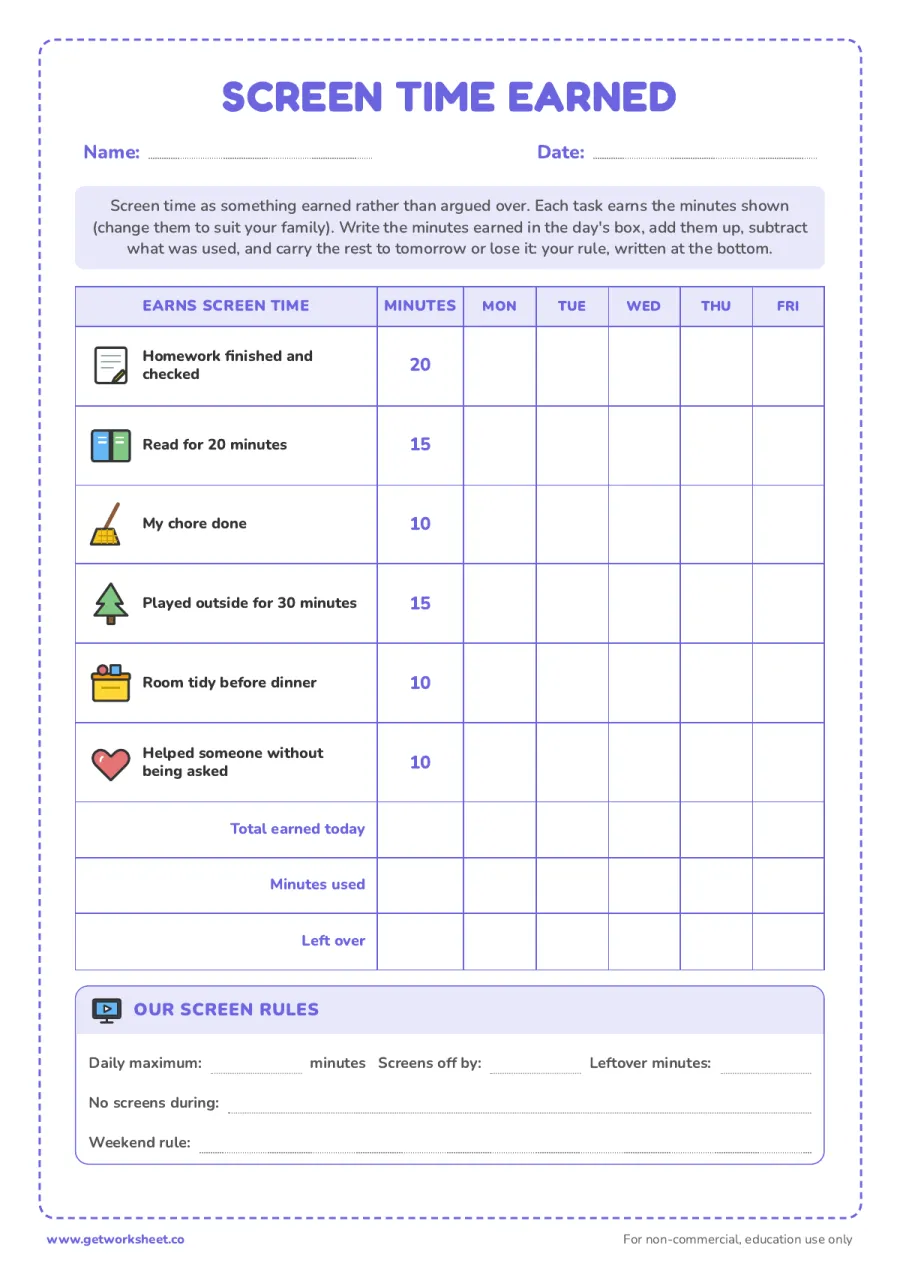
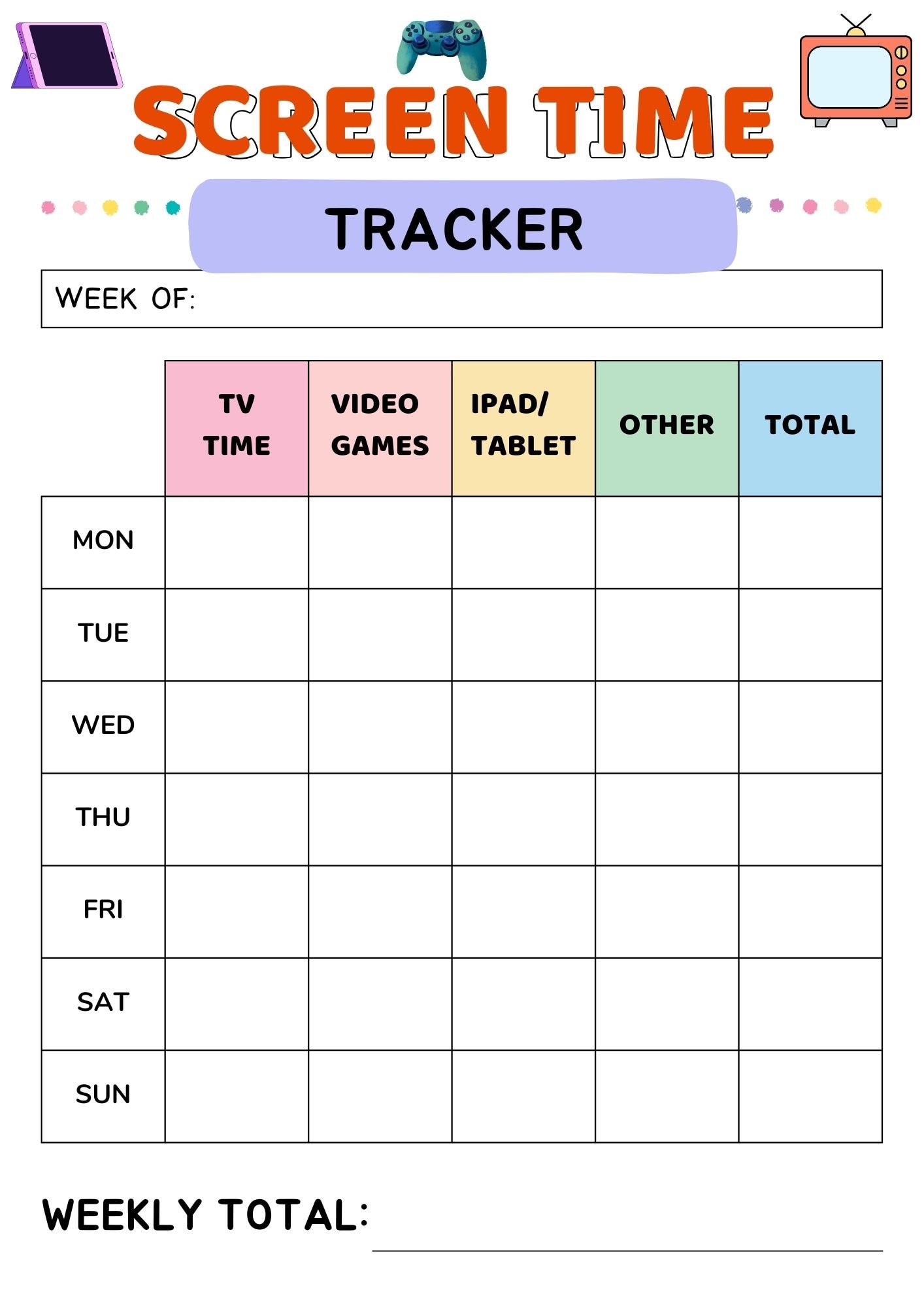
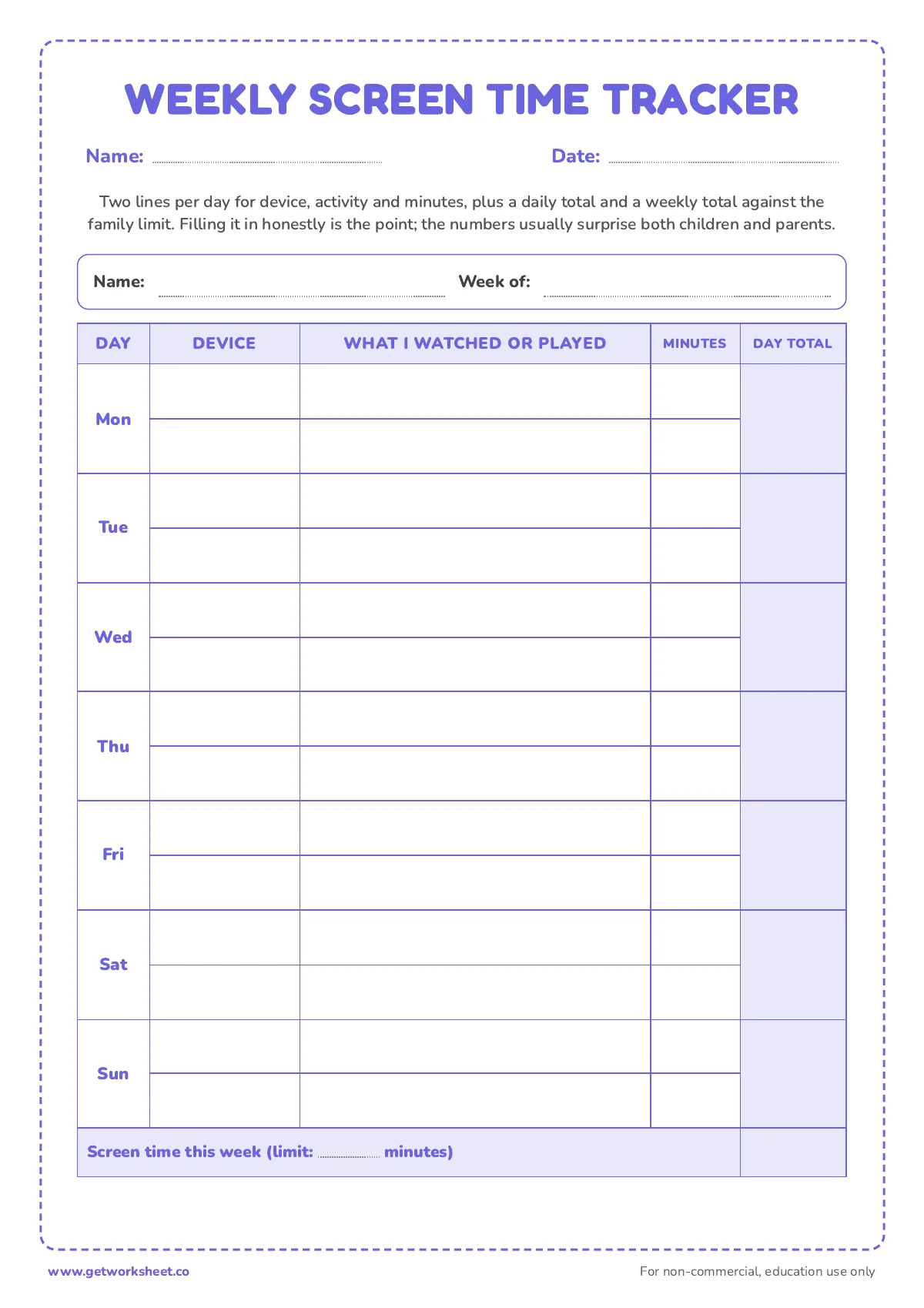
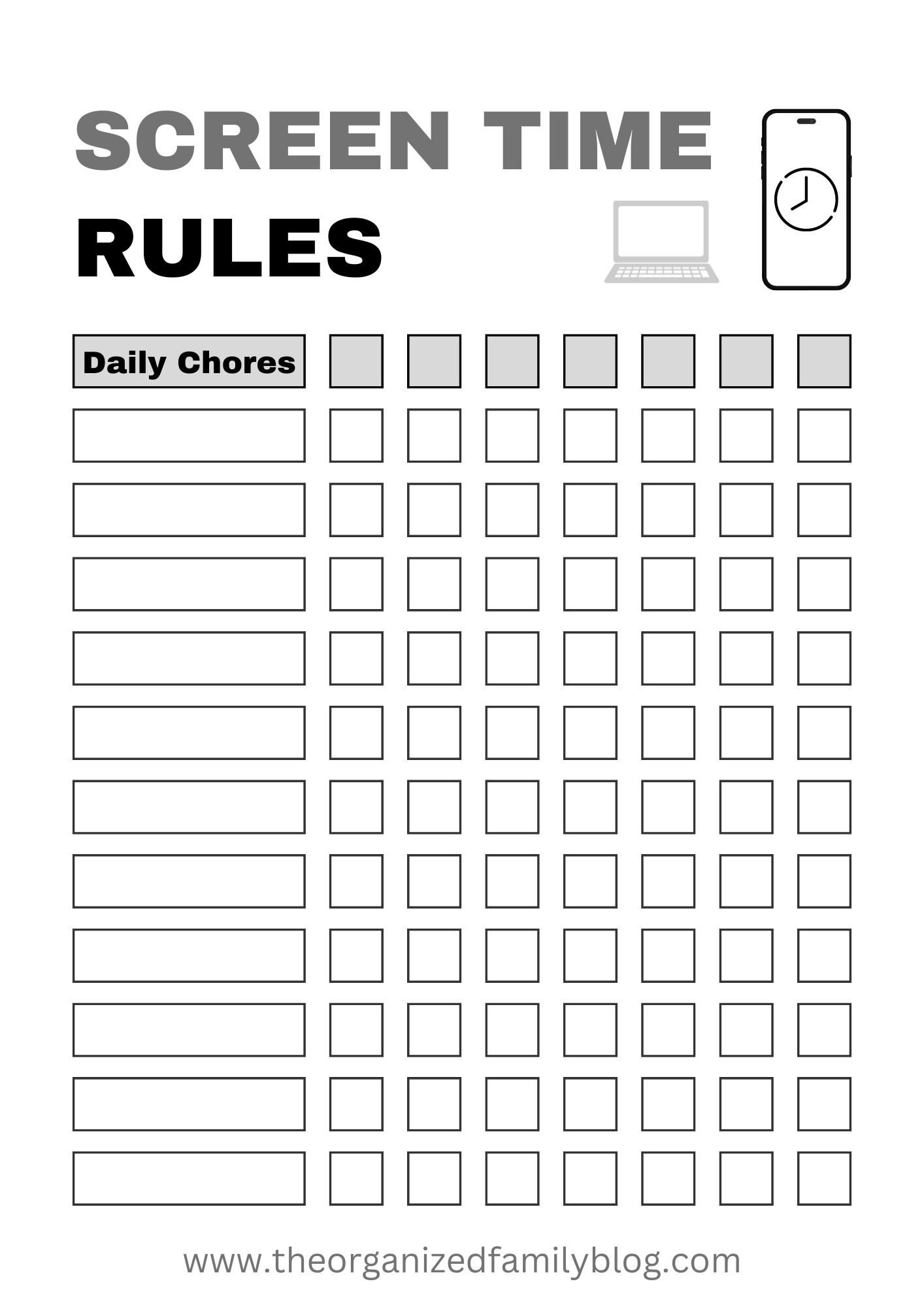
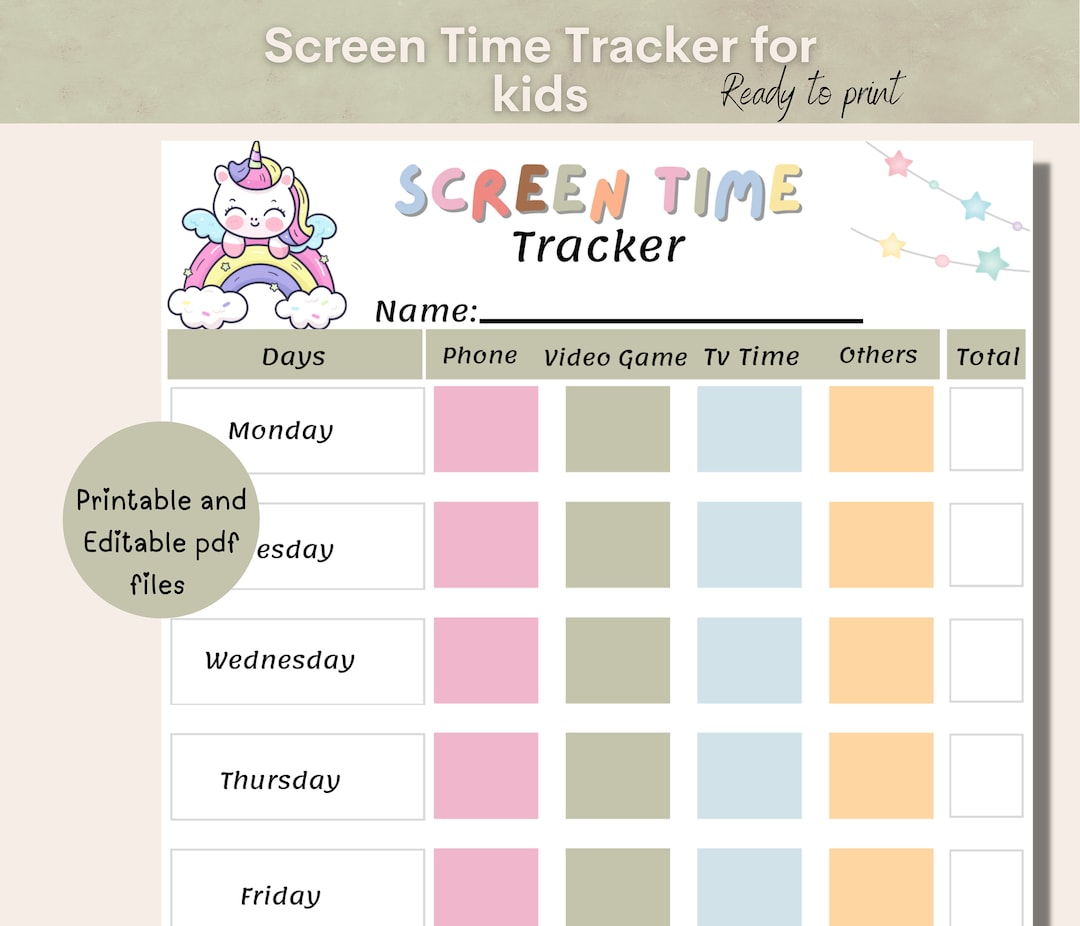
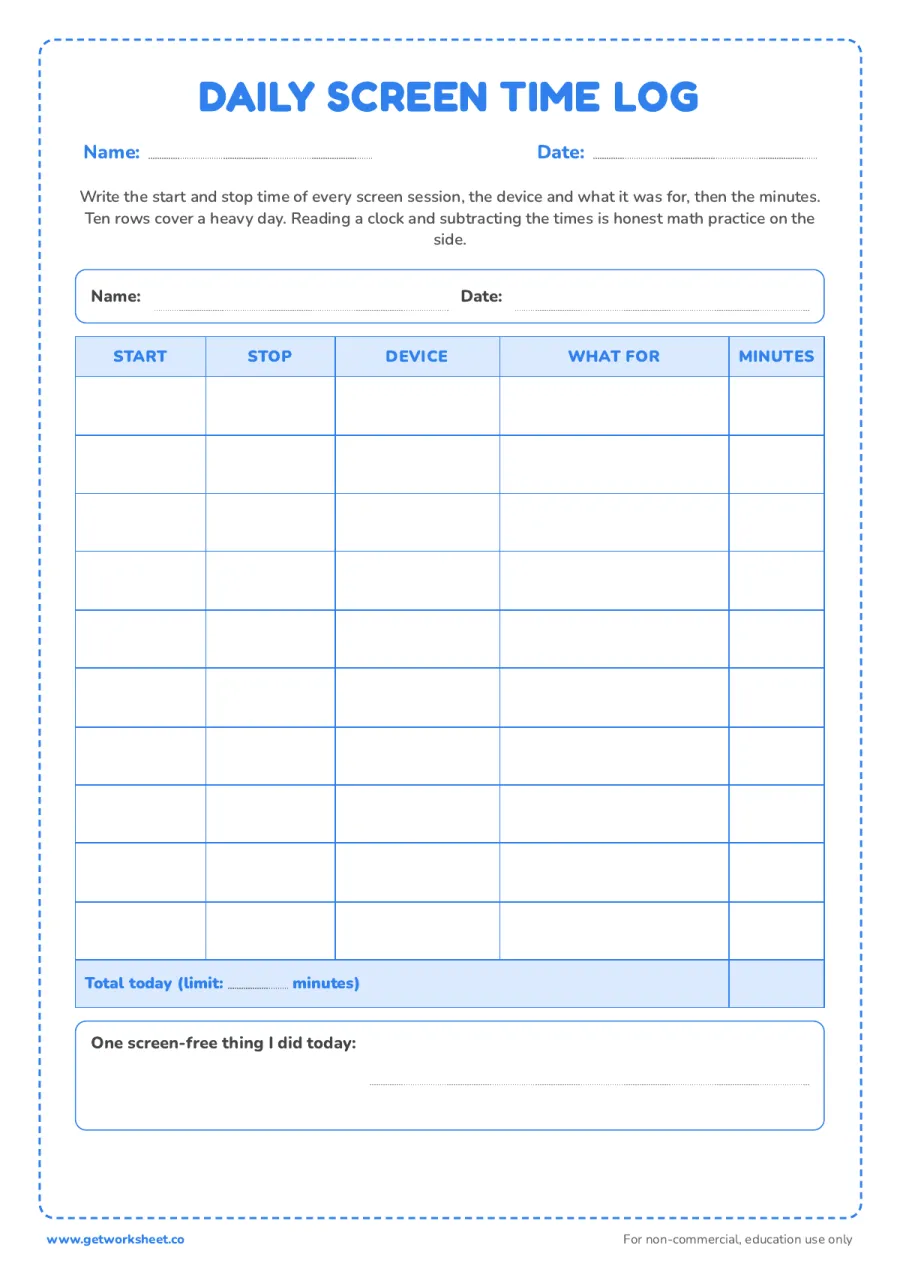
This “free screen time worksheet for students” specifically addresses the vital topic of healthy screen time management and the cultivation of balanced digital habits. It guides students through understanding the concept of screen time, identifying various digital activities, and recognizing the importance of moderation. The worksheet covers essential concepts such as distinguishing between productive and recreational screen use, identifying appropriate times and durations for digital engagement, and exploring alternative offline activities. Its content aligns with recognized digital citizenship and child safety education standards that emphasize well-being, responsible online behavior, and the development of self-regulation skills in a digital environment. The exercises encourage critical thinking about personal screen habits and their broader impact on daily life and learning.
Key Learning Outcomes
By completing the “free screen time worksheet for students,” learners will achieve several important developmental and educational milestones:. Browse more guides on Safe Wired Schools.
- Students will learn to identify healthy screen time limits and understand the concept of digital balance.
- Children will gain an awareness of the potential impacts of excessive screen time on physical and mental well-being.
- Learners will develop the ability to plan and prioritize alternative offline activities, promoting a varied daily routine.
- Participants will begin to cultivate self-regulation skills regarding their own digital device usage.
- Individuals will enhance critical thinking skills by reflecting on personal screen habits and their consequences.
How to Use This Worksheet
The “free screen time worksheet for students” offers versatility for both classroom and home environments. Its format typically includes a blend of activity types designed to engage different learning styles, such as fill-in-the-blank questions, matching exercises related to screen time scenarios, true or false statements about digital habits, and reflective drawing or writing prompts. The difficulty level is carefully calibrated to be accessible for elementary and early middle school students, with instructions that progressively scaffold learning. For instance, initial activities might involve simple identification, building up to more complex scenario analysis or personal reflection. The worksheet can function effectively as a standalone activity to introduce or review screen time concepts, integrated as a crucial component within a broader digital citizenship lesson plan, or assigned as a thought-provoking homework exercise to encourage family discussion and shared learning.
Practical Tips for Parents and Teachers
Maximizing the educational impact of the “free screen time worksheet for students” requires thoughtful engagement:
- Prepare the Environment: Before starting, ensure a quiet space free from digital distractions and gather necessary materials like pencils and crayons.
- Collaborate and Discuss: Encourage collaborative completion of the worksheet, allowing for open dialogue about the concepts presented rather than just seeking correct answers.
- Facilitate Reflection: After completion, prompt discussions by asking open-ended questions like, “What was one new thing learned about screen time?” or “How can this information be applied to daily routines?”
- Lead by Example: Demonstrate healthy screen time habits and discuss personal strategies for balancing online and offline activities, reinforcing the worksheet’s lessons.
- Extend the Learning: Utilize the worksheet as a springboard to create a family media plan or classroom digital well-being charter, making the concepts actionable and personalized.
Age-Appropriate Recommendations
The “free screen time worksheet for students” can be adapted to suit various developmental stages, ensuring its relevance and effectiveness across different age groups.
Ages 5-8 (Early Elementary): For younger learners, the focus should remain on foundational concepts. Adult involvement is crucial, providing direct guidance for reading instructions and clarifying vocabulary. Activities should emphasize simple identification, drawing, and basic matching. Pacing should be slow, allowing ample time for questions and discussion. The goal is to introduce the idea of balancing activities and recognizing different types of screen use in a positive, non-judgmental manner.
Ages 9-12 (Late Elementary / Early Middle School): Students in this age band can engage more independently with the worksheet. They are capable of understanding more nuanced scenarios and beginning to reflect on their own habits. Vocabulary support may still be beneficial for some terms. The approach should encourage critical thinking and problem-solving, perhaps discussing the pros and cons of certain digital activities. This age group can benefit from personal goal-setting related to screen time management, fostering a sense of ownership over their digital choices.
Ages 13-18 (Middle / High School): While the worksheet’s primary design targets younger students, its core concepts are universally applicable. For older learners, the worksheet can serve as a catalyst for deeper reflection on digital well-being, the impact of screen time on sleep, social interactions, and academic performance. Teachers or parents can facilitate discussions around the worksheet’s themes, encouraging students to consider the psychological aspects of digital engagement and to develop advanced self-regulation strategies. The activity can prompt the creation of personal digital wellness plans or research projects on media literacy.
Frequently Asked Questions
Q: What age group is this worksheet best suited for?
A: The “free screen time worksheet for students” is primarily designed for elementary and early middle school students (ages 6-12), but its principles can be adapted for both younger and older learners with appropriate guidance.
Q: How can this worksheet support a family’s digital wellness plan?
A: This worksheet serves as an excellent starting point for family discussions about healthy digital habits, helping families collaboratively identify screen time rules and alternative activities to foster a balanced lifestyle.
Q: Where can the free screen time worksheet for students be downloaded?
A: The “free screen time worksheet for students” is available for immediate download from the dedicated resources section of SafeWiredSchools.org, ensuring easy access for all educators and parents.
Explore More Free Printable Worksheets
A single educational tool works best when integrated into a comprehensive learning routine. The “free screen time worksheet for students” is just one component of a vast collection of resources designed to support digital safety education. Educators and parents are encouraged to explore a full collection of free printable internet safety worksheets, activity sheets, checklists, quizzes, and more at SafeWiredSchools.org Worksheets. These resources cover every essential internet safety topic and are meticulously designed for every grade level and learning environment, ensuring a consistent and effective approach to building digital literacy and responsible online citizenship.
Developmental Milestone & Activity Table
| Development Stage | Recommended Daily Duration | Primary Learning Objective |
|---|---|---|
| Preschool & Pre-K | 10 – 15 Minutes | Pencil grip development & basic pre-stroke lines |
| Kindergarten | 15 – 20 Minutes | Letter/number formation & spatial line awareness |
| Early Elementary (Grade 1–2) | 20 – 30 Minutes | Fluency, sentence construction & neatness |
Images References