Introduction
The “online safety guide for teachers” primarily supports educators working with Elementary through High School students (grades 1-12). This comprehensive resource equips teachers to navigate the digital landscape with their diverse student populations. Internet safety education is fundamental for fostering a generation of digitally aware and responsible citizens. This subject establishes foundational knowledge for safe online interactions, promoting responsible digital behavior, and ensuring personal safety across all platforms. Prioritizing internet safety education represents a shared commitment from educators, parents, and school administrations. This collaborative focus builds a secure learning environment and prepares students for a connected future. Trust in effective online safety protocols underscores the value placed on student well-being.
💡 Educational Key Takeaways:
- Core Skill: Structured Online Safety Guide For Teachers focused on developing pencil grip, stroke control, and early literacy/math confidence.
- Target Scope: Suited for homeschoolers, preschool, kindergarten, and elementary learners.
- Best Recommendation: Practice 10–15 minutes daily with ergonomic writing tools to reinforce muscle memory without hand fatigue.
Why This Topic Matters
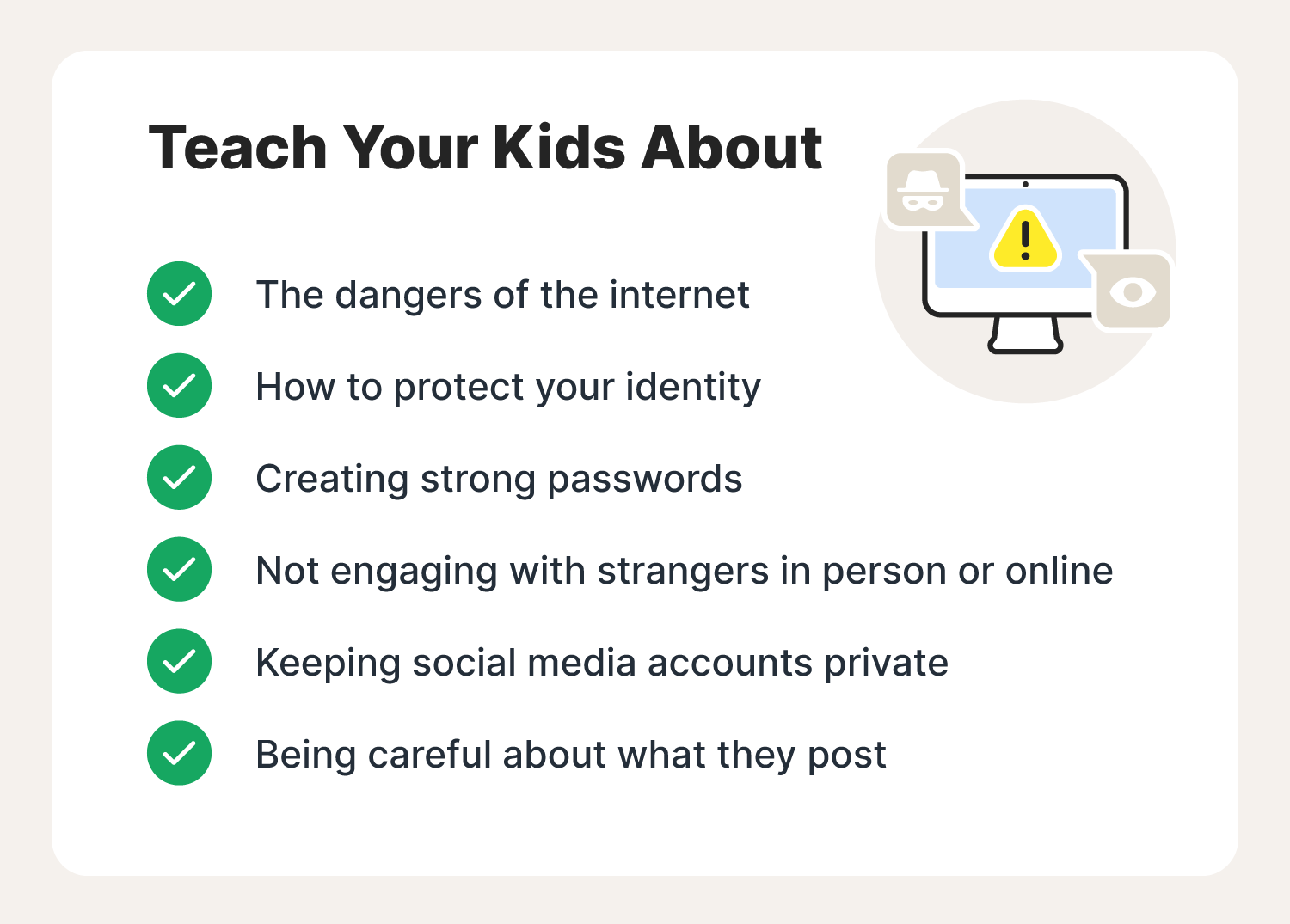
Understanding an online safety guide for teachers significantly enhances critical thinking skills when interacting with digital content. Students learn to recognize potential online dangers, enabling proactive protective measures. Consistent engagement with safety principles builds enduring safe digital habits. This systematic approach cultivates responsible internet use from an early age through adolescence. These learning outcomes directly align with established digital citizenship frameworks and key child development milestones. Acquiring these skills empowers students to make informed decisions online, fostering independence and resilience in the digital sphere. Progress in online safety reflects growth in personal accountability and community awareness. Related guide: 5 Cyber Safety Tips Symbols That Can Be Read By The Grede 7 Students.
Key Concepts and Teaching Strategies
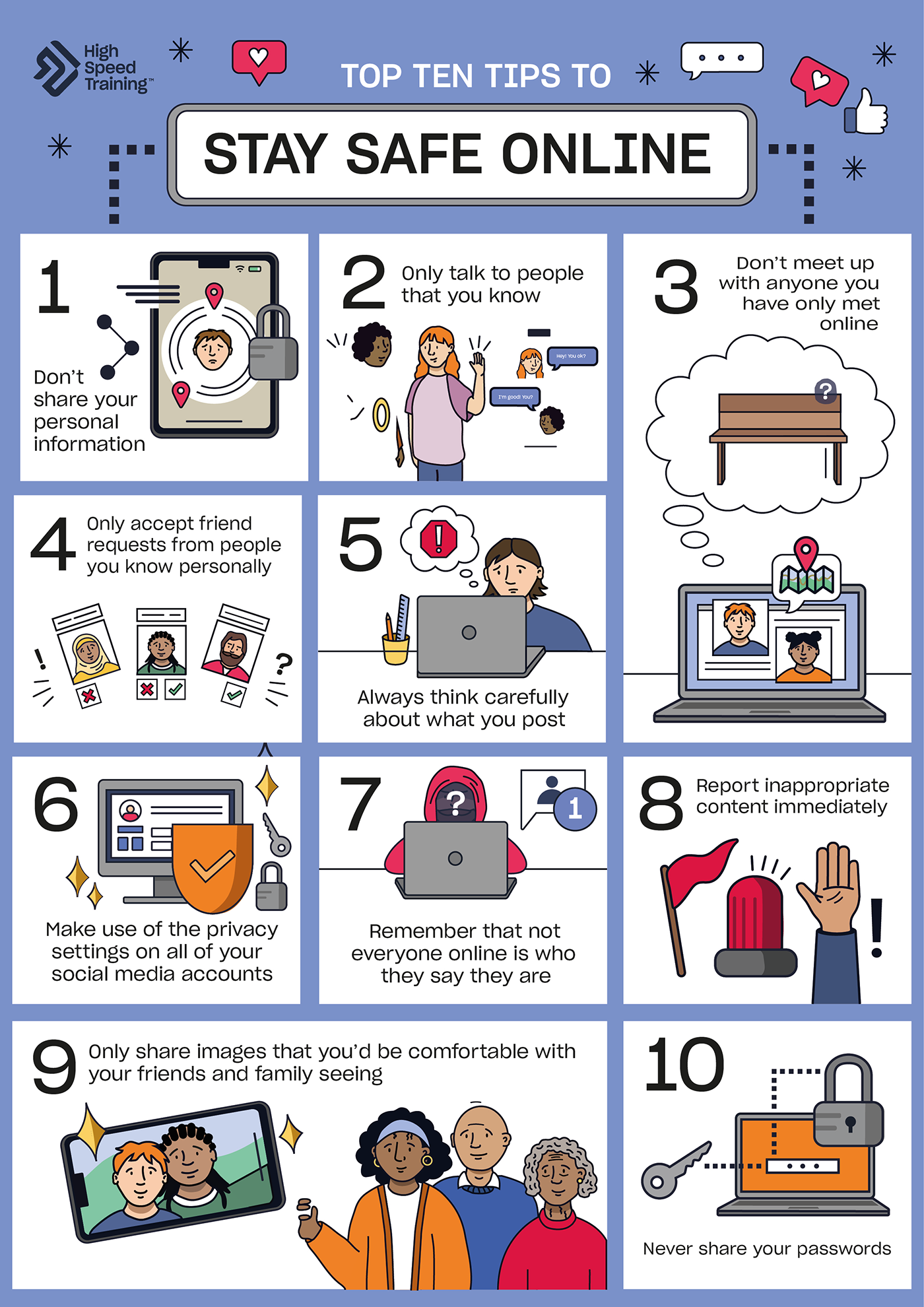
An online safety guide for teachers introduces essential digital rules, practical tips for secure browsing, and clear warning signs of online risks. Real-life scenarios provide context for understanding potential dangers and applying appropriate responses. Age-appropriate strategies ensure content relevance for diverse developmental stages. Educators and parents can progressively scaffold learning by introducing basic concepts to younger students and advancing to complex topics for older learners. This iterative process reinforces understanding and builds upon prior knowledge. Practical classroom activities, such as interactive discussions about digital footprints or role-playing safe online interactions, reinforce learning. Home-based approaches, like establishing family media agreements or reviewing privacy settings together, extend educational efforts beyond school walls. These varied strategies ensure comprehensive skill development. Browse more guides on Safe Wired Schools.
Explore More Resources
Consistent engagement with digital safety learning routines strengthens protective behaviors and informed decision-making. Continuous learning ensures students and adults remain current with evolving online environments. Educators and parents are encouraged to explore additional internet safety resources, comprehensive guides, and printable educational materials available at safewiredschools.org. These tools support continued skill development and foster a culture of ongoing digital responsibility. Investing in these resources promotes a safer online experience for everyone.
Developmental Milestone & Activity Table
| Development Stage | Recommended Daily Duration | Primary Learning Objective |
|---|---|---|
| Preschool & Pre-K | 10 – 15 Minutes | Pencil grip development & basic pre-stroke lines |
| Kindergarten | 15 – 20 Minutes | Letter/number formation & spatial line awareness |
| Early Elementary (Grade 1–2) | 20 – 30 Minutes | Fluency, sentence construction & neatness |