Introduction
The digital landscape offers immense opportunities for learning and connection, yet it also necessitates careful guidance, particularly for young individuals. Effective management of digital engagement is a cornerstone of internet safety education. The “screen time contract for families” printable resource serves as a vital tool for establishing clear expectations and fostering responsible online habits. This resource is primarily designed for Elementary grades (3-5) and Middle/High School grades (6-12), offering adaptable frameworks for different developmental stages. Printable worksheets, consistently trusted by educators and parents, provide a tangible, hands-on approach to complex topics. Their interactive nature reinforces concepts through active participation, moving beyond passive learning. Such resources enable families and classrooms to build a shared understanding of digital awareness, cultivate critical thinking about screen use, and promote responsible online behavior through practical application. The structured format of a printable contract facilitates constructive dialogue and a proactive stance on digital well-being.
💡 Educational Key Takeaways:
- Core Skill: Structured Screen Time Contract For Families focused on developing pencil grip, stroke control, and early literacy/math confidence.
- Target Scope: Suited for homeschoolers, preschool, kindergarten, and elementary learners.
- Best Recommendation: Practice 10–15 minutes daily with ergonomic writing tools to reinforce muscle memory without hand fatigue.
What This Worksheet Covers
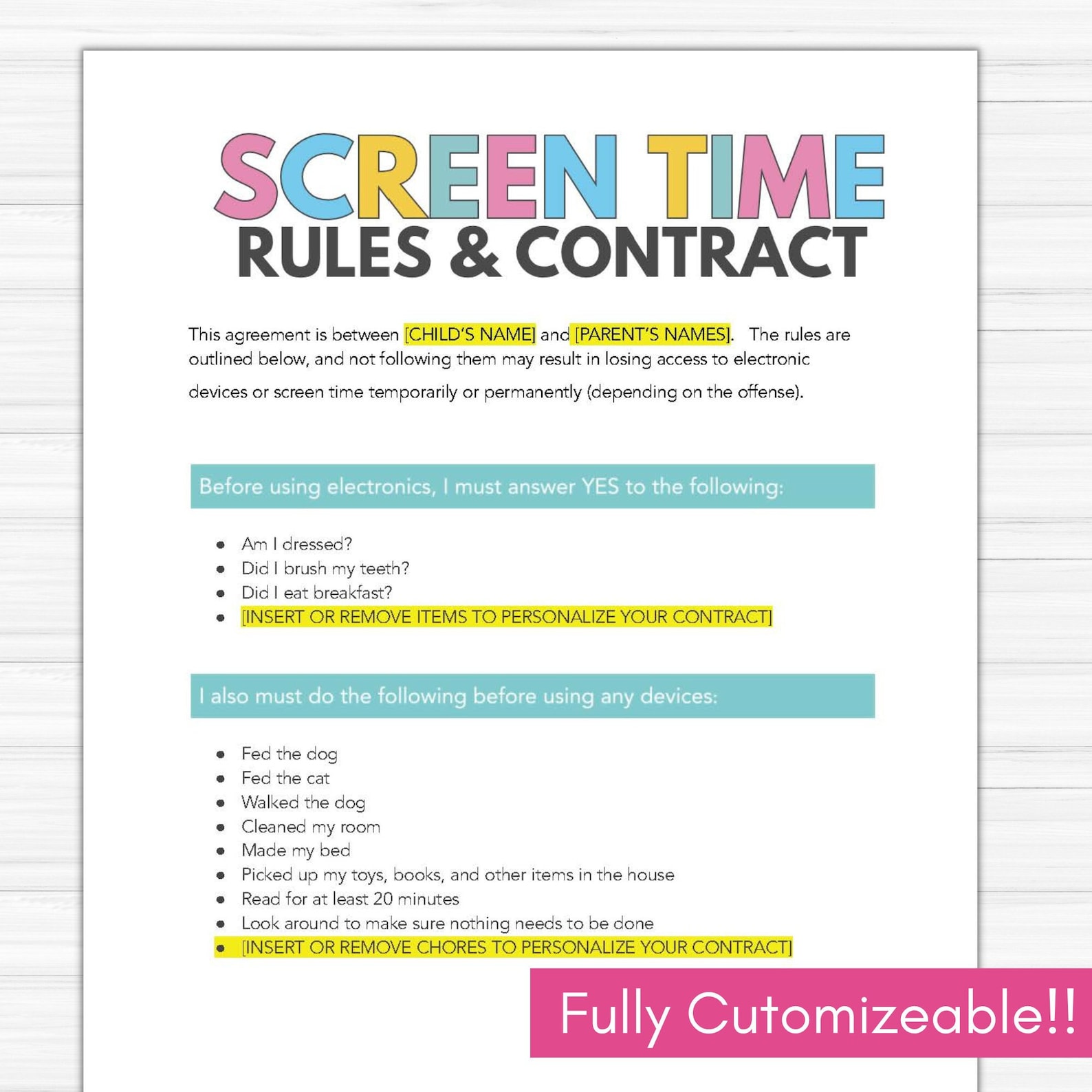
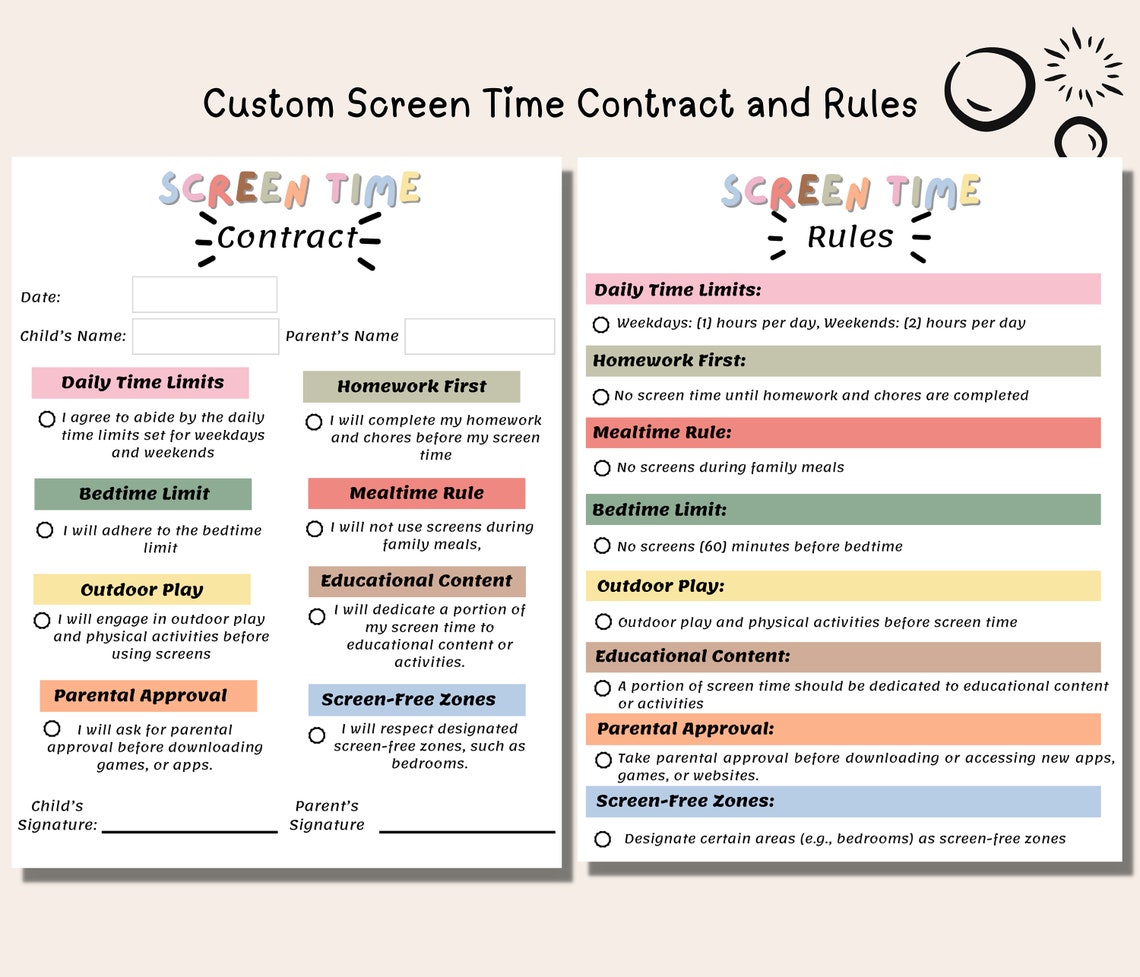
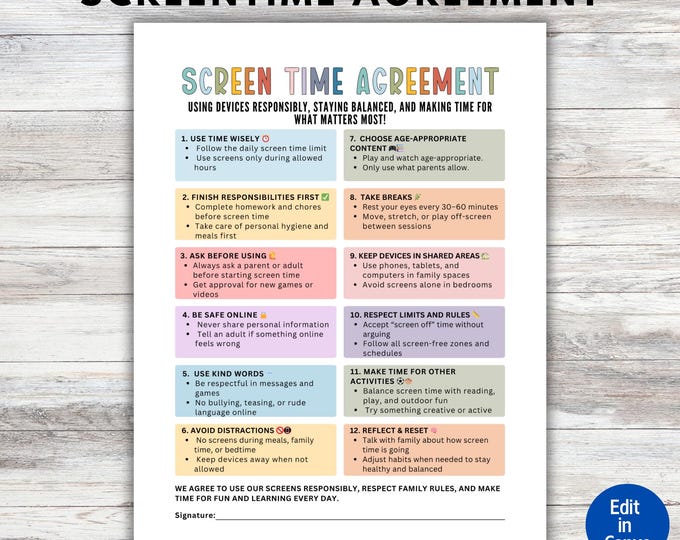
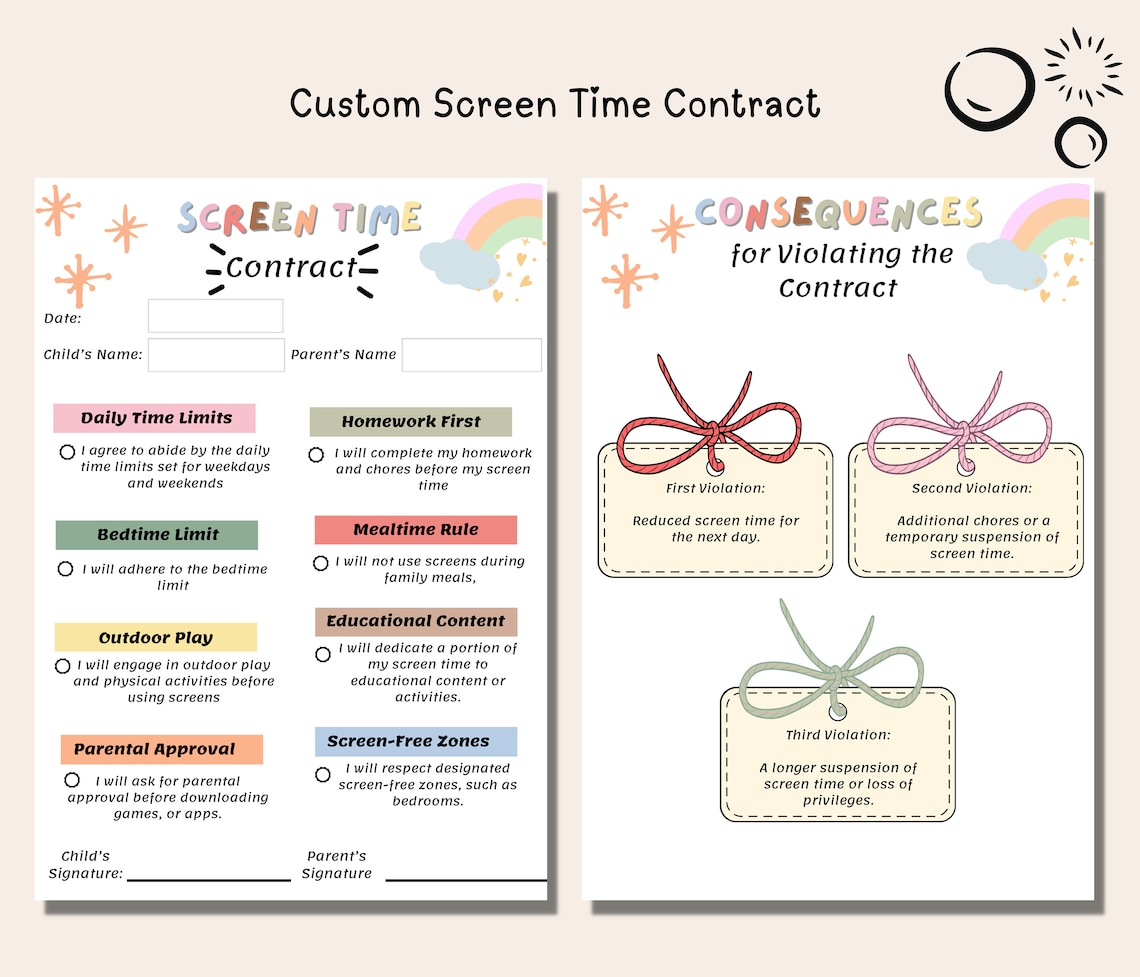
This “screen time contract for families” worksheet directly addresses the critical internet safety topic of responsible digital device use and healthy screen time management. It guides families through the process of collaboratively defining and agreeing upon boundaries for screen engagement. Key concepts explored include the importance of balancing online and offline activities, understanding the purpose of various digital tools, establishing consistent usage schedules, and identifying appropriate content. The worksheet encourages a proactive approach to digital well-being, emphasizing self-regulation and communication within the family unit. Its content aligns directly with recognized digital citizenship and child safety education standards, which advocate for media literacy, personal responsibility online, and the development of healthy digital habits from an early age. The resource empowers individuals to take ownership of their digital choices, promoting a thoughtful rather than reactive approach to screen time.
Key Learning Outcomes
Completing the “screen time contract for families” worksheet facilitates several important developmental and educational milestones:
- A clear understanding of established digital boundaries and their rationale within the family context.
- Development of self-regulation skills concerning personal screen use, fostering greater independence in managing digital habits.
- Improved communication and negotiation abilities regarding online activities among family members.
- Recognition of the importance of balanced digital engagement for overall physical, mental, and social well-being.
- The ability to participate actively and constructively in collaborative rule-setting processes, applying these skills to broader life contexts.
How to Use This Worksheet
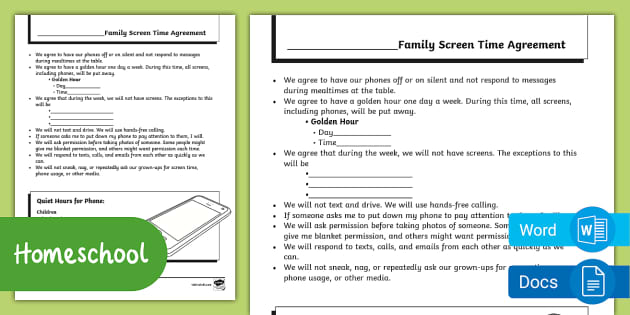
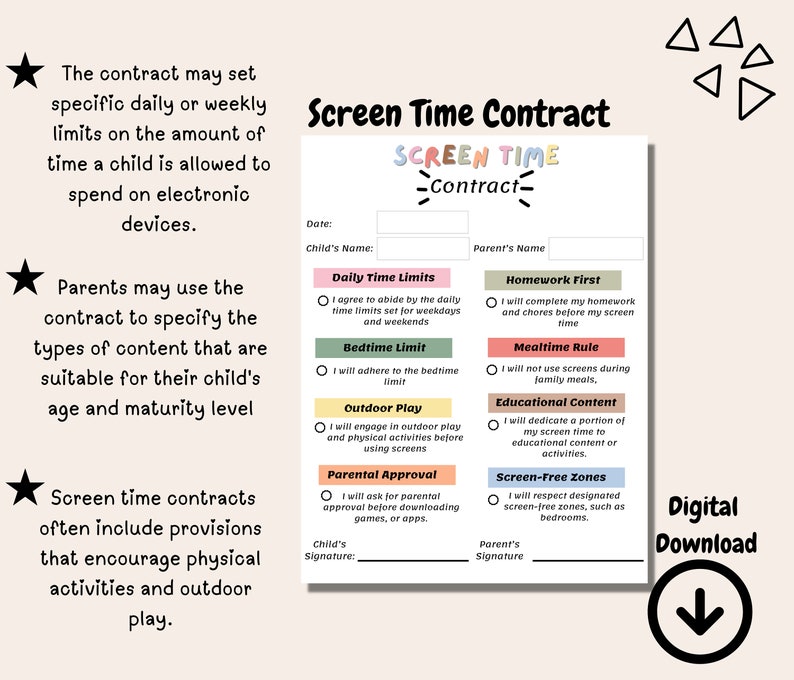
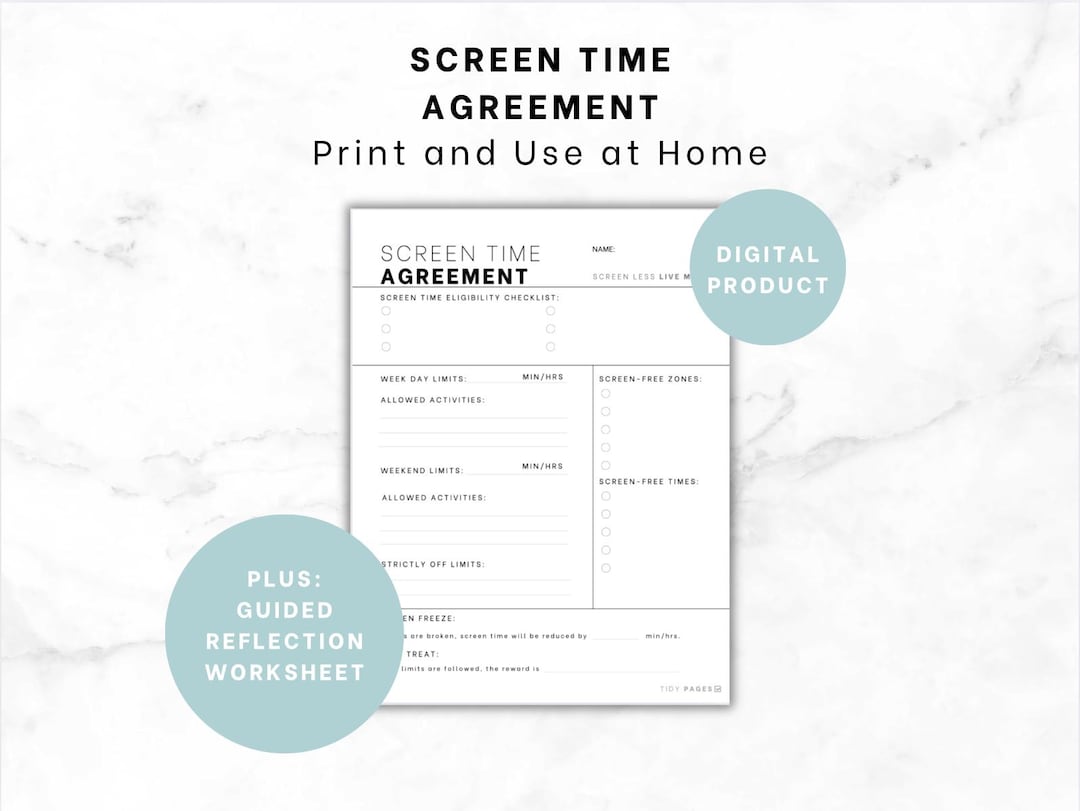
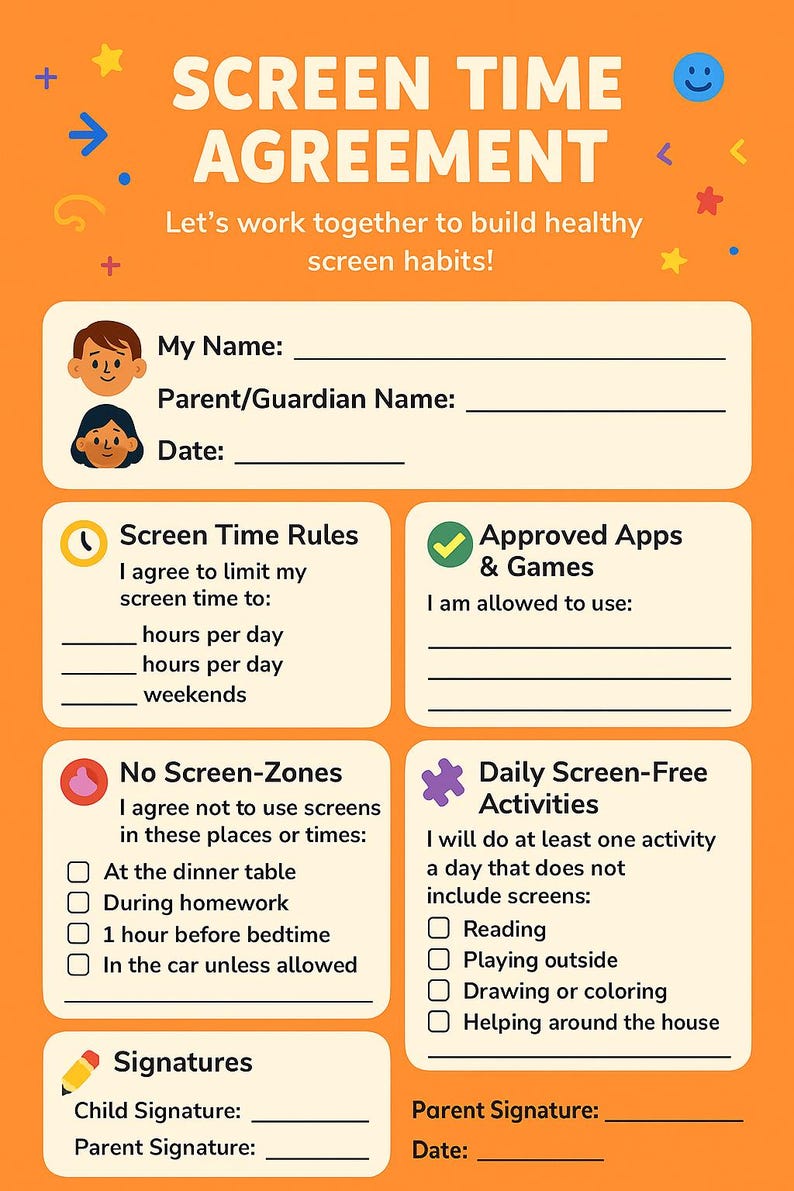
The “screen time contract for families” offers a versatile framework for both classroom and home environments. Its format typically includes sections for identifying specific devices, outlining agreed-upon usage times, specifying content rules, defining consequences for violations, and allocating space for signatures. The activity types often involve fill-in-the-blank sections, checklist options for various rules, and reflective prompts for family discussions. The difficulty level is designed to be adaptable, allowing for simplification or elaboration depending on the age and comprehension level of the learners involved. Instructions are generally scaffolded, beginning with broad categories and progressively moving to more specific details, ensuring a guided learning experience. This worksheet can function effectively as a standalone activity to initiate discussions on digital habits, integrate seamlessly into a broader lesson plan on digital citizenship, or serve as a practical homework assignment that encourages family engagement in establishing household digital rules. Browse more guides on Safe Wired Schools.
Practical Tips for Parents and Teachers
- Prepare Collaboratively: Before introducing the contract, gather input from all family members or students about their current screen habits and concerns. This ensures collective buy-in and a sense of shared ownership.
- Facilitate Discussion, Not Lecture: Approach the contract as a tool for open dialogue. Encourage everyone to express their perspectives on screen time limits, content choices, and potential benefits or drawbacks. The goal is mutual understanding, not imposition.
- Model Healthy Habits: Adults demonstrating responsible screen time practices and adherence to the contract’s principles significantly reinforces its value. Consistency in modeling desired behaviors is crucial for children and young adults.
- Schedule Regular Reviews: The digital landscape and individual needs evolve. Plan periodic family meetings to review and revise the contract, perhaps quarterly or every six months, ensuring its continued relevance and effectiveness.
- Connect to Real-World Scenarios: Discuss how the principles of the contract extend beyond digital devices. Link concepts like responsibility, agreement, and consequences to other areas of life, enhancing the broader educational impact.
Age-Appropriate Recommendations
Implementing the “screen time contract for families” requires a tailored approach to match the developmental stage of the learners. For Ages 5-8 (Early Elementary), the focus should remain on foundational concepts. Vocabulary should be simplified, perhaps referring to it as “Our Family Tech Rules” rather than a formal “contract.” Heavy parental or teacher involvement is essential, guiding discussions with clear, concrete examples and visual aids. Activity pacing should be brief, with emphasis on core ideas like “no screens at dinner” or “stop when asked.” For Ages 9-12 (Upper Elementary/Middle School), the contract can introduce more nuanced discussions. Children in this band are capable of understanding reasoning behind rules and can contribute more actively to defining consequences. Support them in articulating their screen time needs and negotiating fair compromises. The contract can begin to incorporate discussions on digital citizenship, privacy, and online safety within the context of screen time. Finally, for Ages 13-18 (Middle/High School), the contract shifts towards fostering self-advocacy and independent management. Students should be encouraged to take significant ownership of the contract’s creation and adherence. Discussions can delve into the long-term impacts of screen time on academic performance, mental health, and social interactions. The contract serves as a framework for responsible digital self-management, preparing them for independent digital lives.
Frequently Asked Questions
Q: What is the primary purpose of a screen time contract for families?
A: A screen time contract serves as a collaborative agreement outlining clear rules and expectations for digital device usage within a family. It aims to promote healthy digital habits, reduce conflicts, and ensure a balanced approach to online and offline activities.
Q: How frequently should a family review and update their screen time contract?
A: It is recommended that families review their screen time contract regularly, ideally every few months or whenever there are significant changes in technology use, family routines, or children’s developmental stages. This ensures the contract remains relevant and effective.
Q: Where can educators and parents access this free printable “screen time contract for families”?
A: This valuable educational resource, along with a wide array of other internet safety materials, is available for free download on the SafeWiredSchools.org website. Navigate to the resources section to find and print the contract.
Explore More Free Printable Worksheets
Establishing a robust digital safety foundation is an ongoing process, and a single resource like the “screen time contract for families” works best when integrated into a consistent learning routine. SafeWiredSchools.org offers a comprehensive collection of free printable internet safety worksheets, activity sheets, checklists, quizzes, and more. These resources cover every essential internet safety topic, including cyberbullying prevention, privacy protection, responsible online communication, and critical media literacy. Each item is meticulously designed for every grade level and learning environment, providing educators and parents with a complete toolkit for nurturing digitally savvy and safe individuals. Explore the full collection of resources and enhance digital safety education at SafeWiredSchools.org Worksheets.
Developmental Milestone & Activity Table
| Development Stage | Recommended Daily Duration | Primary Learning Objective |
|---|---|---|
| Preschool & Pre-K | 10 – 15 Minutes | Pencil grip development & basic pre-stroke lines |
| Kindergarten | 15 – 20 Minutes | Letter/number formation & spatial line awareness |
| Early Elementary (Grade 1–2) | 20 – 30 Minutes | Fluency, sentence construction & neatness |
Images References