Introduction
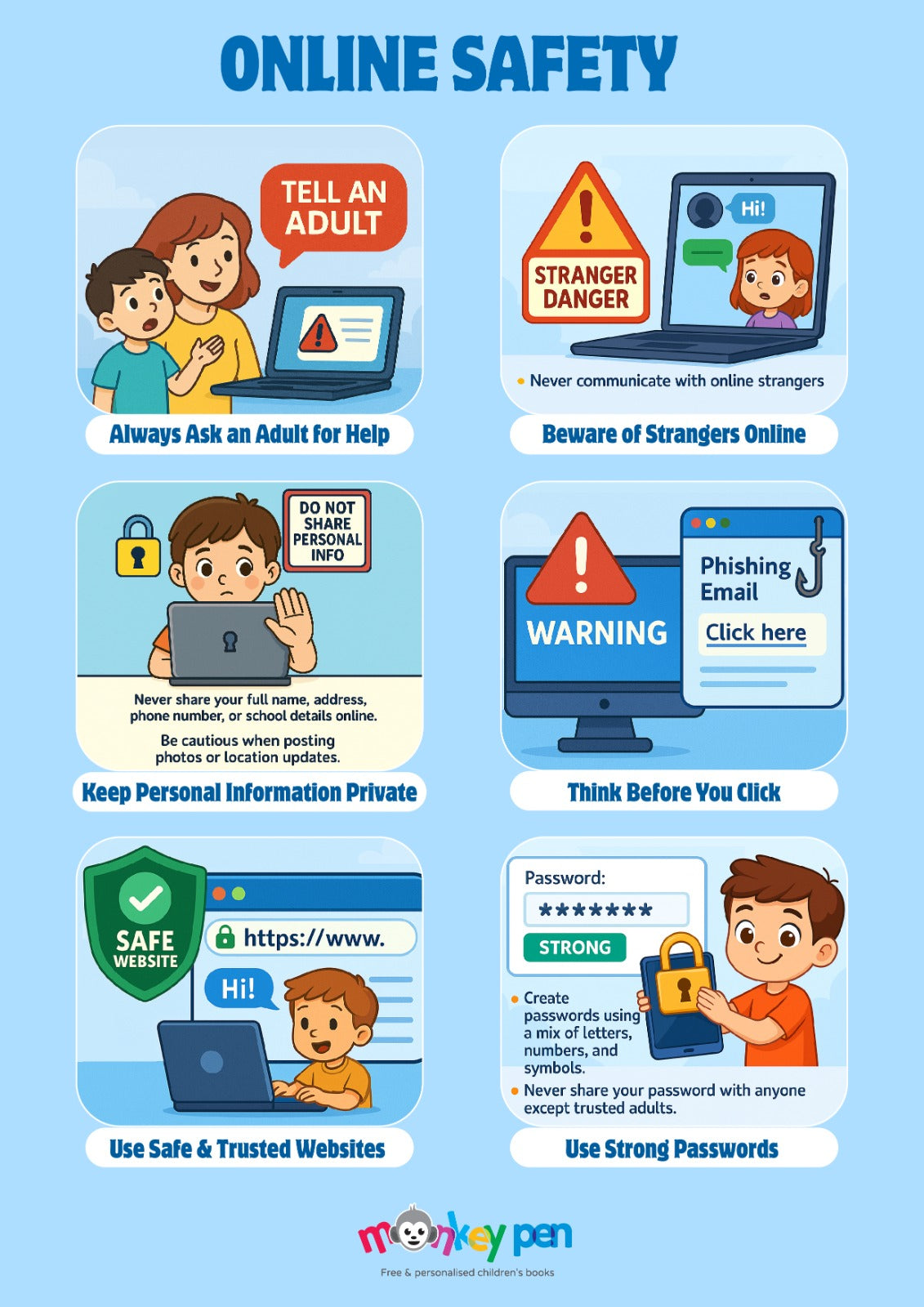
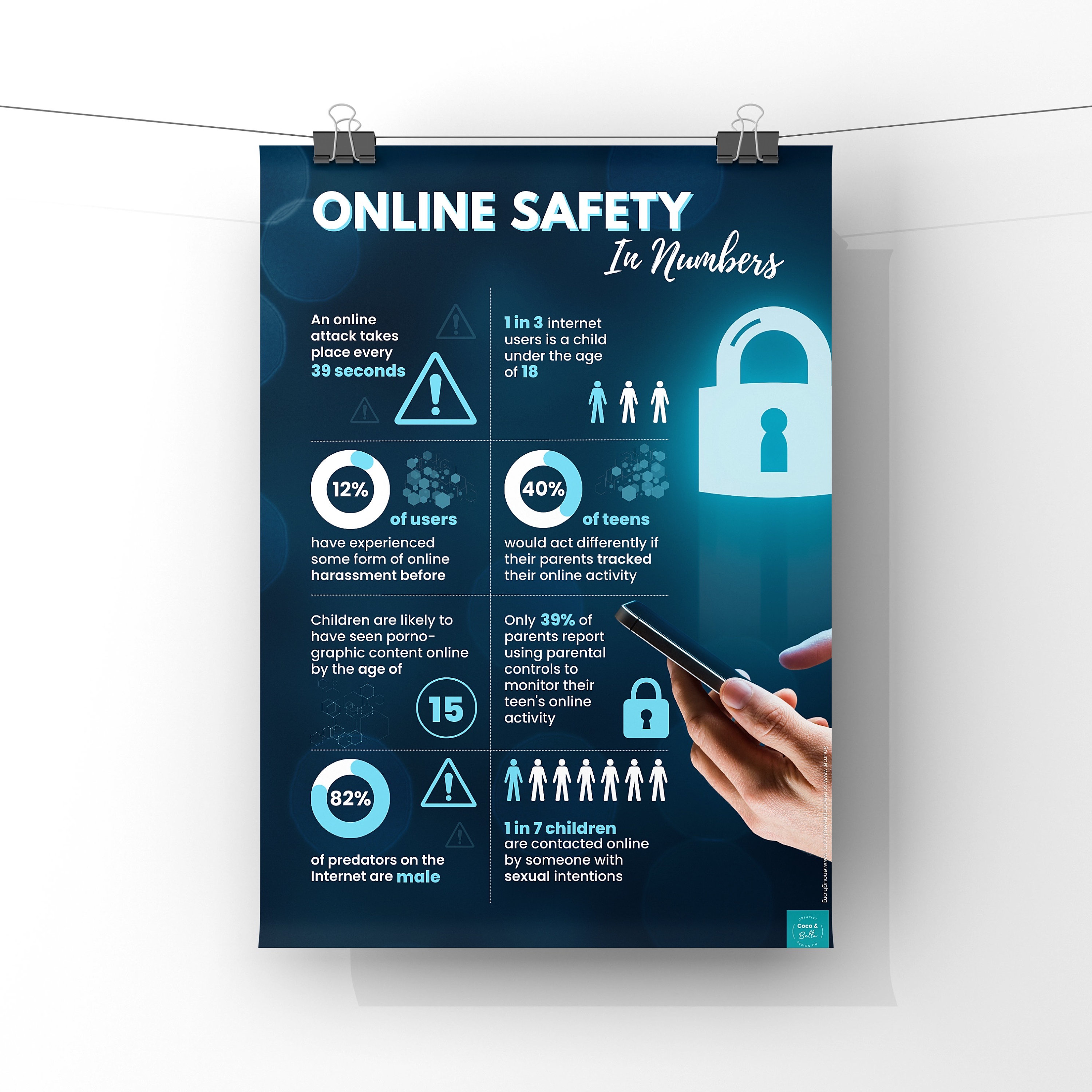
Digital safety is the practice of protecting individuals from online hazards, identity theft, and malicious software while fostering responsible technology use. According to ConnectSafely, online safety education requires active collaboration between schools, families, and communities to establish secure digital environments for minors. Understanding what is digital safety involves establishing robust boundaries around device usage, preserving privacy, and encouraging ethical online interactions across school networks and personal hardware. Comprehensive digital citizenship frameworks equip educators, parents, and students with the methodologies necessary to navigate modern connected learning environments securely without compromising academic productivity.
Digital Safety Snapshot:
- Core Focus: Digital safety encompasses risk mitigation, privacy preservation, and secure navigation of school and personal networks.
- Target Scope: Educational facilities, school administrators, classroom teachers, parents, and middle school students.
- Key Recommendation: Implement continuous digital literacy training combined with strict device hygiene protocols.
Core Principles and Detailed Overview
Digital safety is the foundational standard for maintaining secure, productive, and respectful online spaces within educational institutions. When evaluating what is digital safety across school internet safety protocols, student digital footprints, and cyberbullying prevention measures, administrators must prioritize multi-layered defensive strategies. A permanent digital footprint is created every time a user posts content, interacts on social platforms, or logs into educational portals, making early reputation management vital. Furthermore, classroom screen balance ensures that students maintain healthy cognitive breaks, preventing digital fatigue while enhancing focus. Maintaining strict device hygiene—such as routine software updates, secure password management, and authorized network connections—shields school-issued hardware from malware and unauthorized data breaches.
Key Specifications and Breakdown
| Safety Pillar | Digital Risk Factor | Actionable Protective Habit |
|---|---|---|
| Student Digital Footprint | Permanent archiving of online missteps | Review privacy settings and audit posted content regularly. |
| Cyberbullying Prevention | Anonymous harassment and social exclusion | Document offensive messages and report incidents immediately. |
| Device Hygiene | Malware infiltration and credential theft | Apply software updates and utilize unique passphrases. |
Proactive digital citizenship education significantly reduces online vulnerabilities by teaching students to critically evaluate digital content and recognize social engineering tactics before exploitation occurs — Cybersecurity & Infrastructure Security Agency (CISA)
Step-by-Step Practical Application and Guidelines
Digital safety execution requires a structured, multi-phase implementation plan tailored for both classrooms and households. School administrators must begin by deploying advanced content filtering systems compliant with educational regulatory standards. Teachers should integrate lessons covering Internet and Digital Safety directly into daily curricula to normalize secure online habits. Middle school students need explicit instruction on identifying phishing attempts, managing personal data permissions, and utilizing built-in platform reporting tools. Parents reinforce these lessons at home by establishing designated screen-free zones and monitoring evening device usage. Standardizing these behavioral guidelines across all learning environments ensures that students experience consistent expectations regardless of physical location.
Common Challenges and How to Avoid Them
Digital safety breakdowns typically occur when users overlook routine maintenance or rely exclusively on automated security software rather than critical thinking. One frequent challenge is password fatigue, which leads students to reuse weak credentials across multiple educational platforms. Educators and parents must enforce multi-factor authentication and password manager adoption to eliminate this vulnerability. Another common pitfall is excessive screen time that blurs the boundary between educational engagement and digital exhaustion, which can be mitigated by scheduling mandatory offline intervals. Ignoring early warning signs of cyberbullying or emotional withdrawal during online interactions also compromises student well-being, necessitating open reporting channels and rapid institutional intervention through structured resources found in Online and Digital Safety modules.
💬 Frequently Asked Questions
Explore More Kids Safety and Digital Citizenship Guides on SafeWiredSchools
Mastering digital literacy requires continuous access to authoritative educational materials, lesson plans, and interactive resources. Educators and parents can expand their instructional toolkits by exploring comprehensive safety guides, printable classroom resources, and creative learning assets available through Worksheets designed specifically to reinforce safe, responsible technology habits. Visit the central hub at Safe Wired Schools to access ongoing updates, expert safety strategies, and dynamic educational frameworks.
Visual Reference Gallery