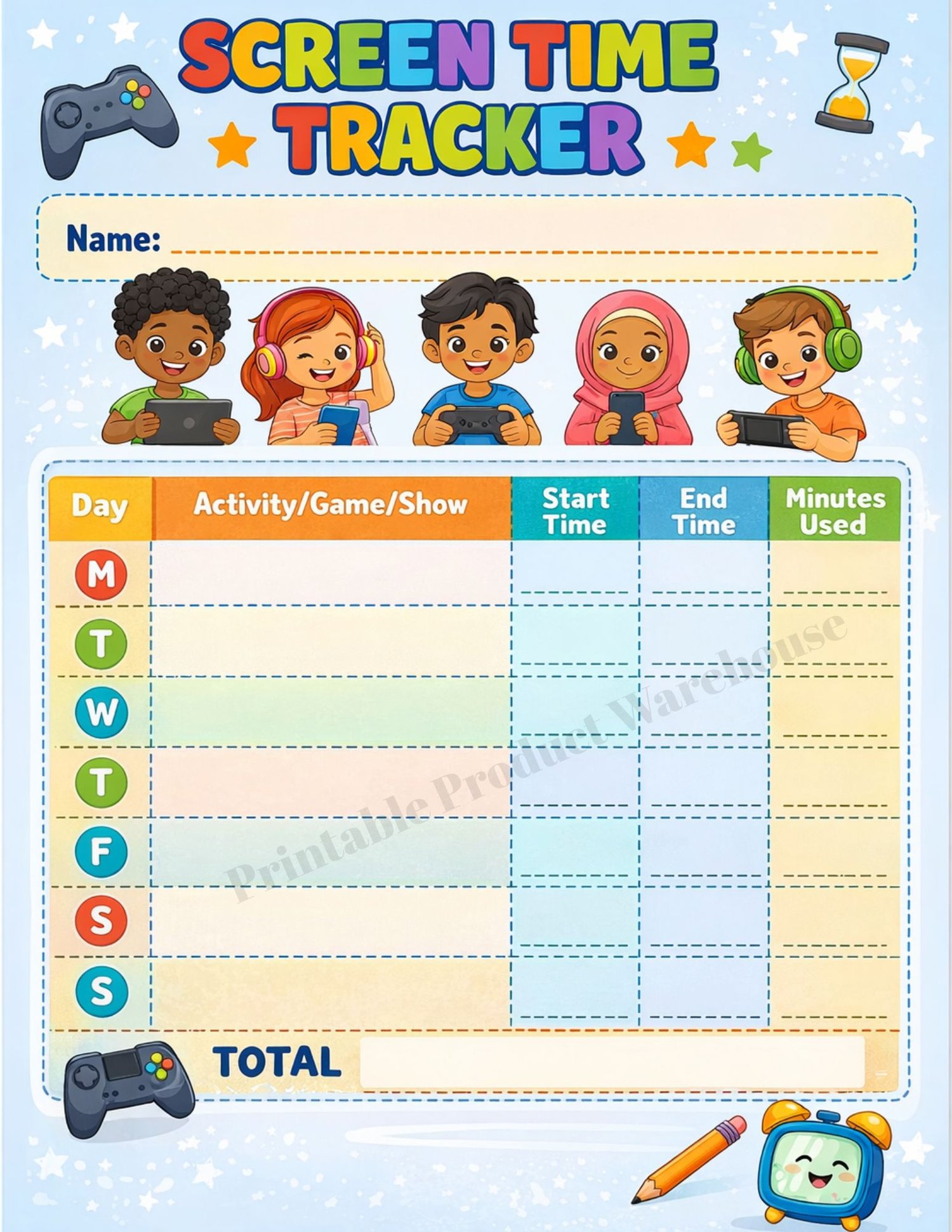
Introduction
The digital landscape constantly evolves, making early digital literacy and responsible screen time management crucial for children. The “screen time tracker for toddlers” is a specialized resource designed for the Preschool age group (approximately 35 years), offering a foundational tool for parents and educators. This printable worksheet reinforces essential internet safety concepts by engaging families in a hands-on approach to monitoring and balancing a child’s digital exposure. Printable worksheets remain trusted educational instruments, recognized by educators and parents alike for their effectiveness in building digital awareness and promoting responsible online behaviors from an early age. Such tangible resources provide a structured yet flexible framework, facilitating discussions and routines that are vital for nurturing healthy digital habits in young learners.
💡 Educational Key Takeaways:
- Core Skill: Structured Screen Time Tracker For Toddlers focused on developing pencil grip, stroke control, and early literacy/math confidence.
- Target Scope: Suited for homeschoolers, preschool, kindergarten, and elementary learners.
- Best Recommendation: Practice 10–15 minutes daily with ergonomic writing tools to reinforce muscle memory without hand fatigue.
What This Worksheet Covers
This worksheet addresses the critical internet safety topic of responsible screen time management and digital well-being for very young children. It focuses on practical strategies for understanding and balancing a toddler’s daily digital engagement. Key concepts include recognizing appropriate time limits for screen activities, identifying a diverse range of non-screen alternatives, and establishing healthy routines that integrate both digital and real-world experiences. The worksheet’s content directly connects to foundational digital citizenship principles, emphasizing the importance of mindful media consumption and laying the groundwork for future media literacy skills. It serves as an accessible entry point for families to proactively shape a child’s relationship with technology, aligning with early childhood development guidelines for media use.
Key Learning Outcomes
By utilizing the “screen time tracker for toddlers,” children and their caregivers will develop several important skills and areas of knowledge. An increased awareness of daily screen time limits becomes evident through consistent tracking. Children begin to recognize and appreciate various alternative activities, fostering a broader range of interests. Understanding the critical importance of balancing screen time with physical play, creative endeavors, and social interaction is a significant outcome. Furthermore, the worksheet aids in the development of foundational self-regulation skills, as children learn to anticipate and adhere to established routines. Browse more guides on Safe Wired Schools.
How to Use This Worksheet
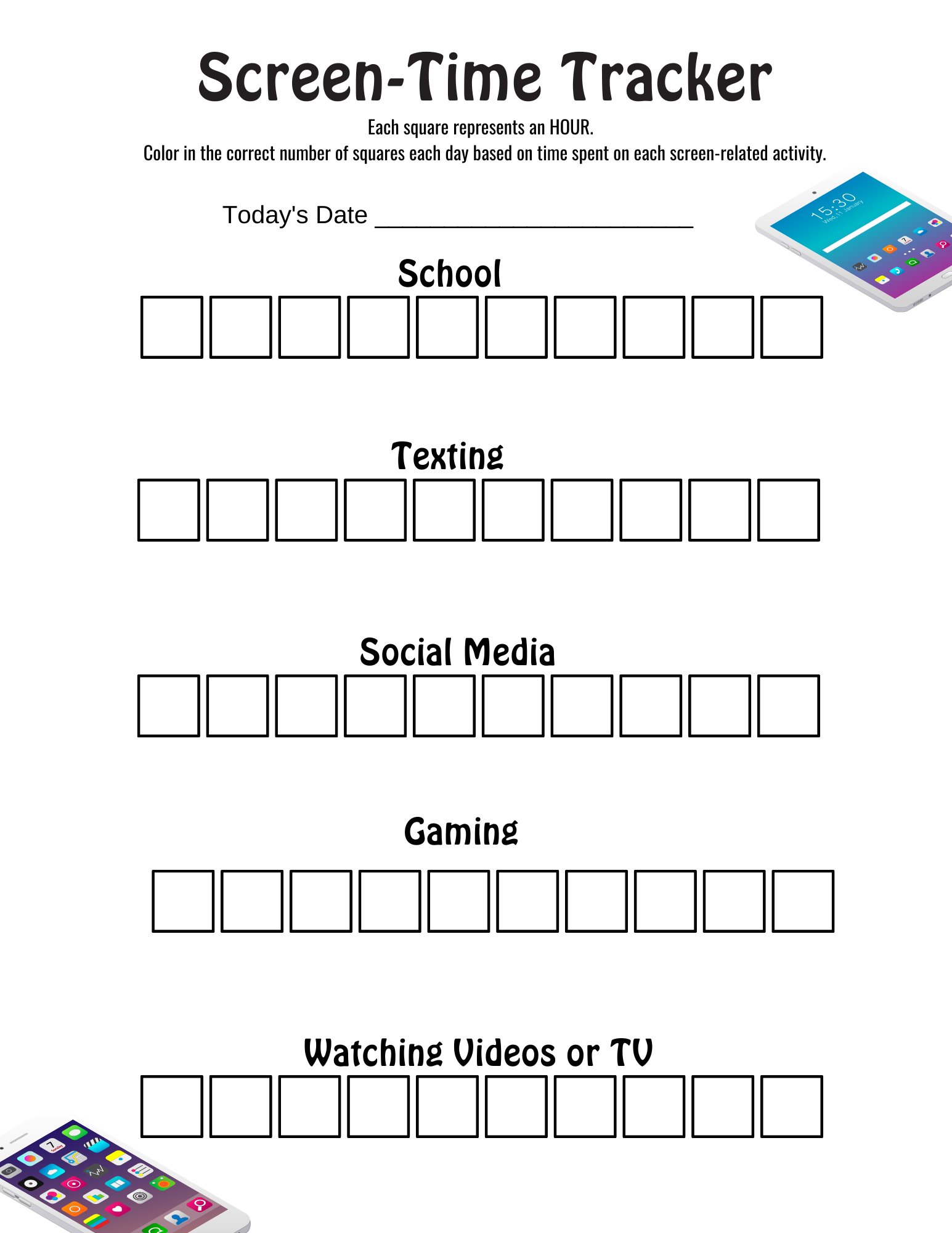
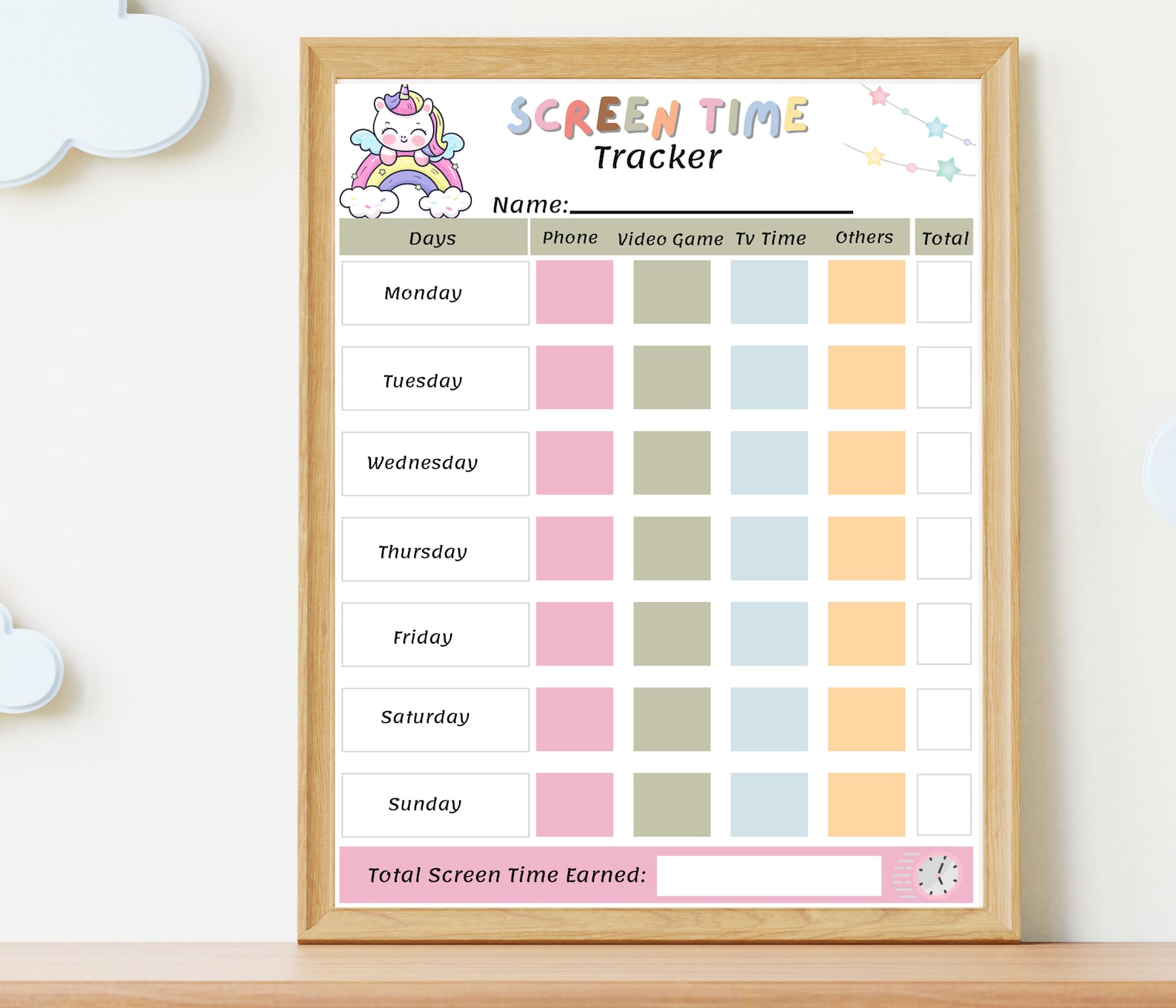
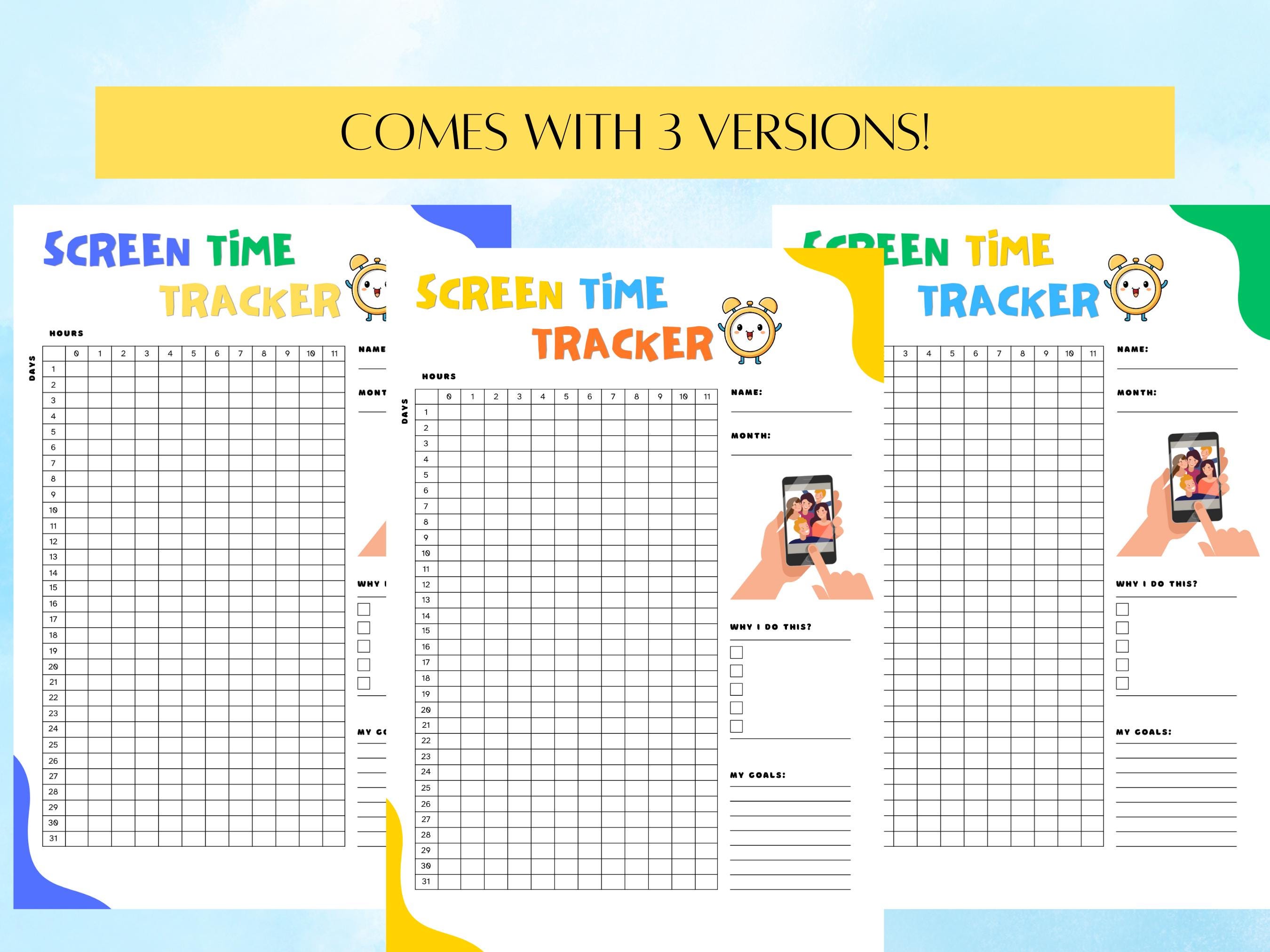
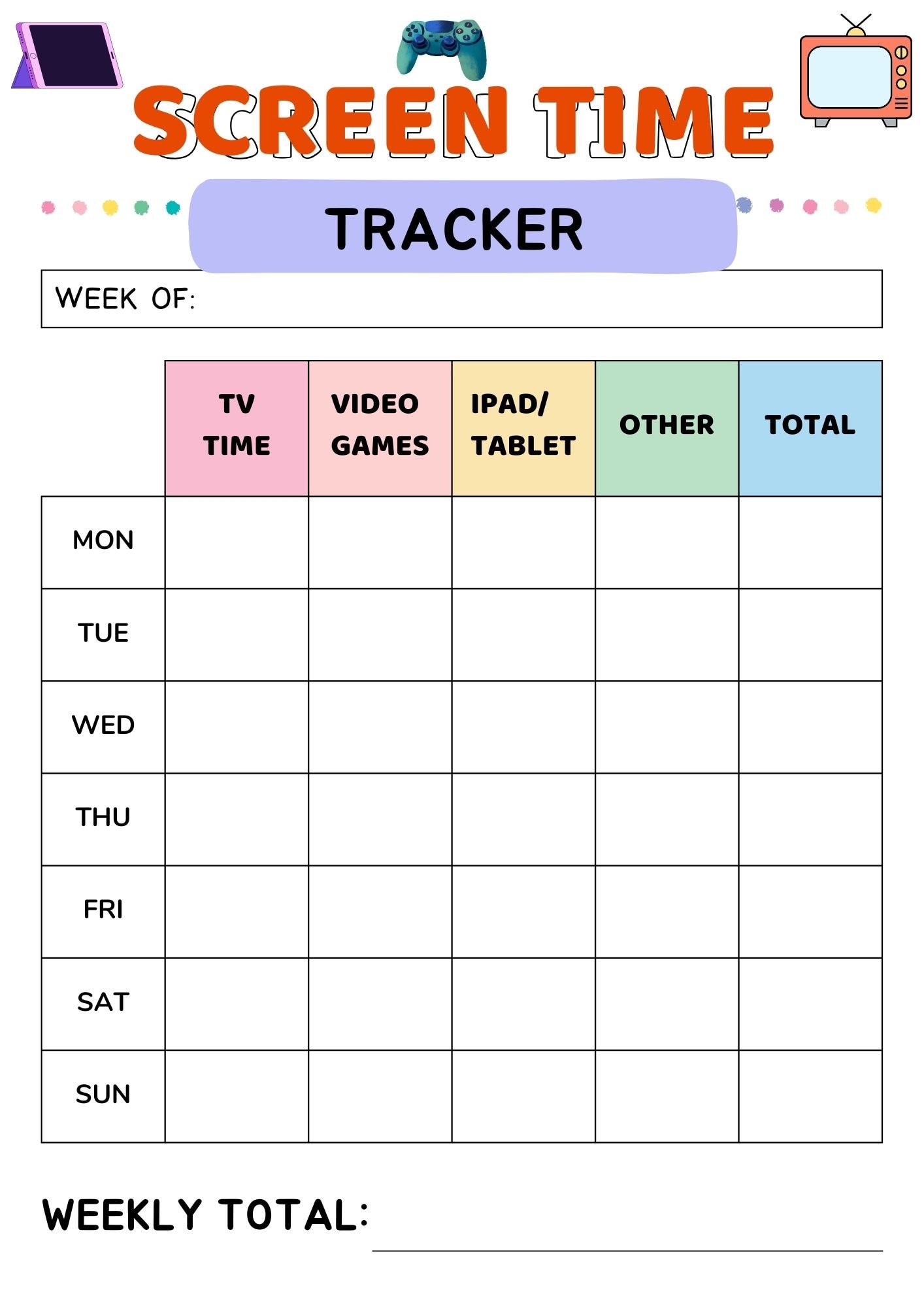
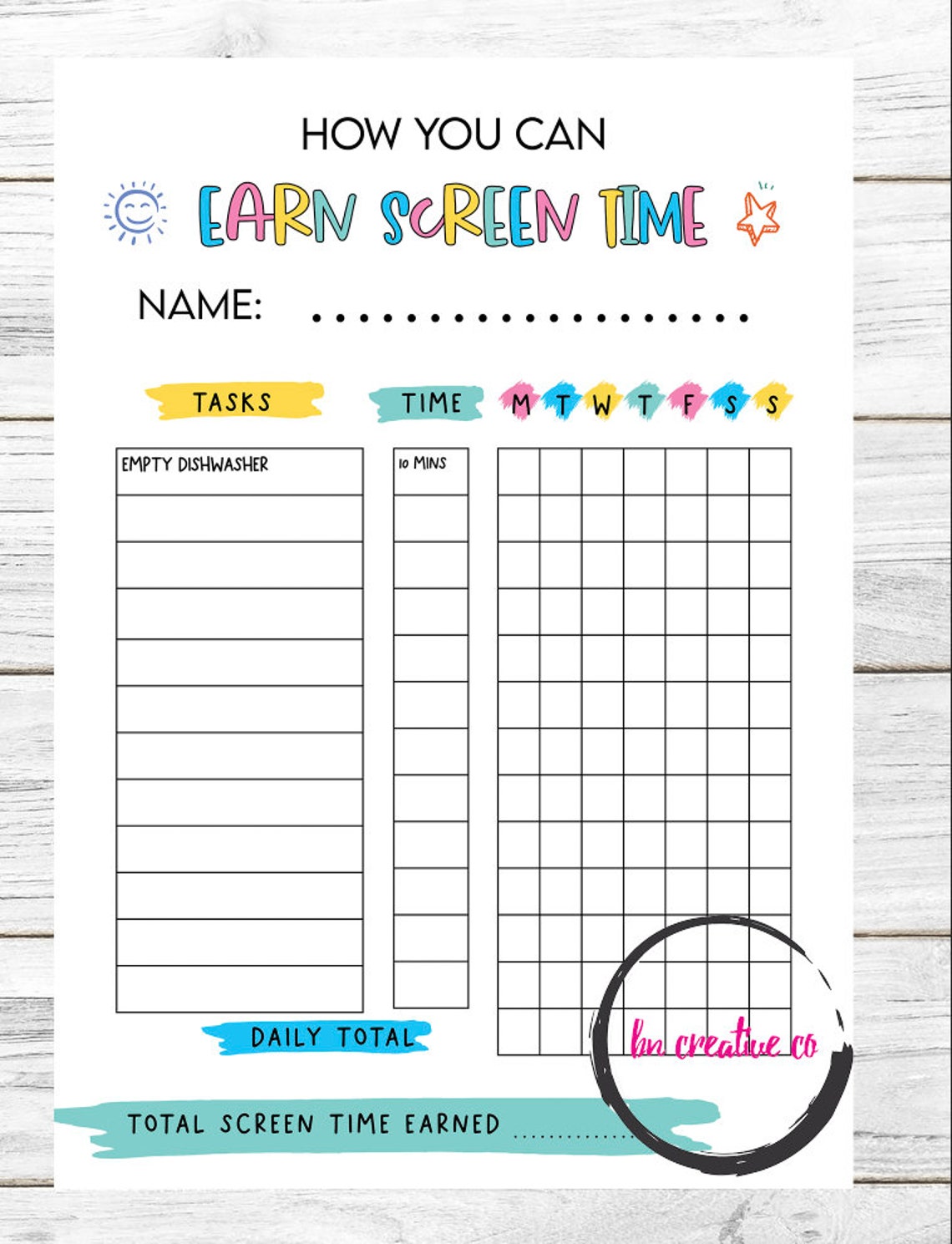
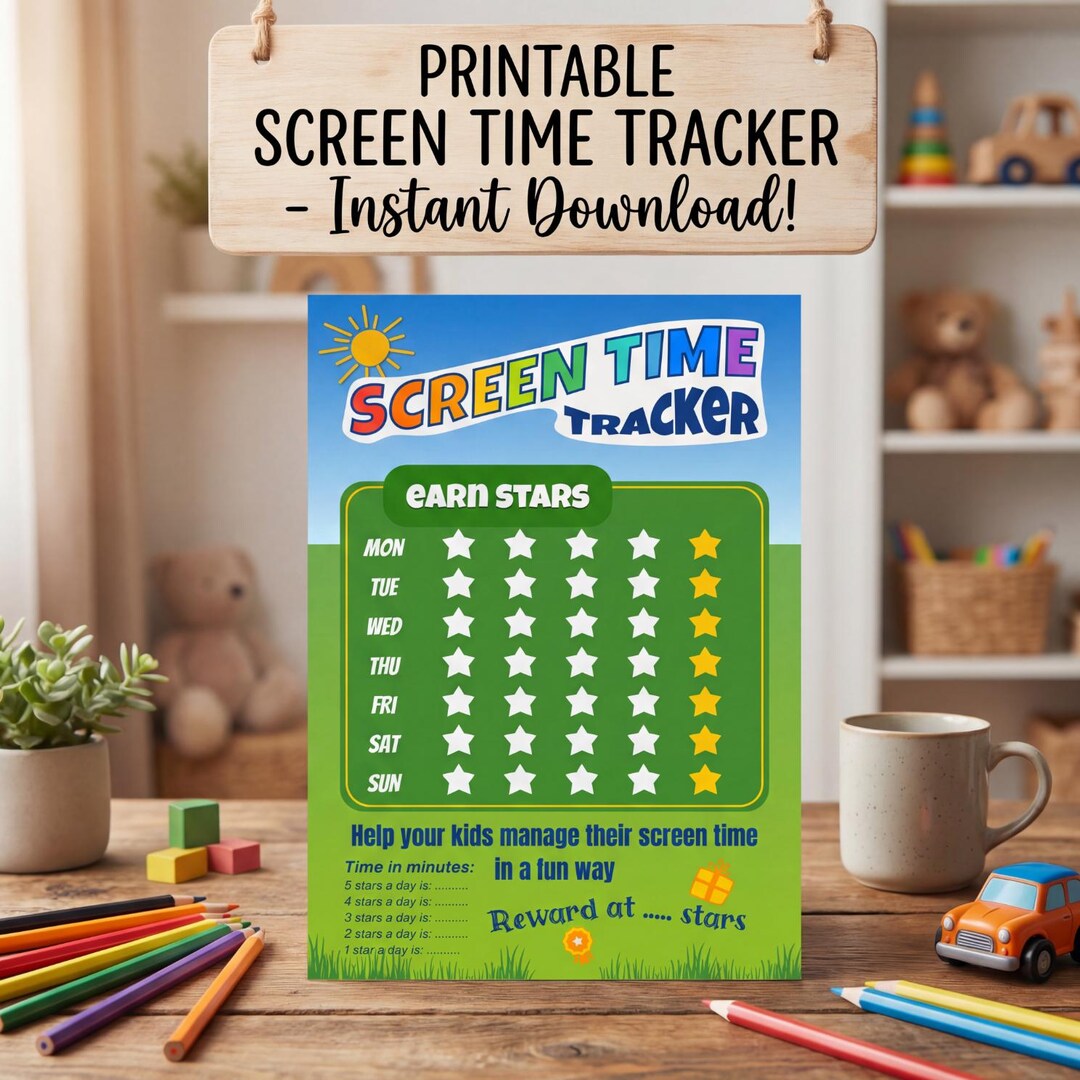
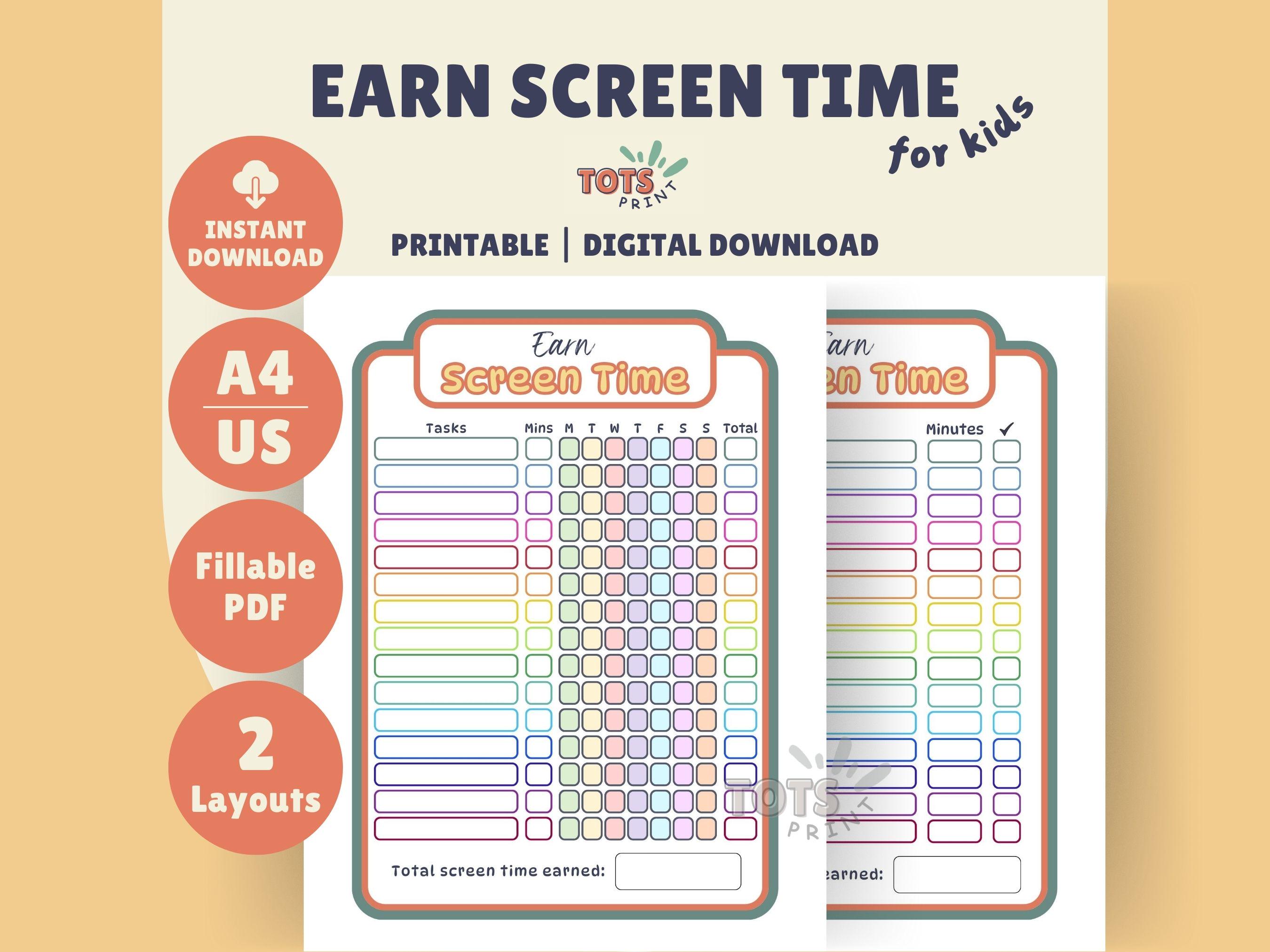
Educators and parents can effectively integrate the “screen time tracker for toddlers” into daily routines, both in the classroom and at home. The worksheet typically features a simple, visually intuitive format, such as a grid for marking screen time alongside corresponding non-screen activities. Activity types may involve simple checkmarks, coloring, or drawing to represent completed tasks or observed time. The difficulty level is intentionally low, making it suitable for adult-guided interaction with a young child. Instructions are scaffolded through clear visual cues and straightforward prompts, encouraging progressive learning. This resource functions excellently as a standalone activity to initiate conversations about digital habits, can be incorporated as a practical component of a broader lesson plan on digital wellness, or assigned as a collaborative “homework” activity for families to complete together.
Practical Tips for Parents and Teachers
Maximizing the educational impact of the “screen time tracker for toddlers” involves thoughtful preparation and engagement. First, prepare the worksheet by printing it clearly and having coloring tools or stickers readily available, making the activity inviting. Second, facilitate the tracking process by making it a fun, collaborative game; involve the child in marking off activities and offer positive reinforcement for participation. Third, initiate brief, age-appropriate discussions after each tracking session, asking about preferred activities or what was learned from balancing screen time. Fourth, extend the learning by creating a “fun activities jar” filled with ideas for non-screen entertainment, encouraging choice and independence. Finally, consistently model balanced screen use, demonstrating the principles the worksheet promotes.
Age-Appropriate Recommendations
The “screen time tracker for toddlers” offers adaptable value across different age groups, with specific approaches yielding the best results. For Ages 35 (Toddlers/Preschoolers), the worksheet’s primary target, usage should be adult-led. Focus on making the tracking process a simple, routine activity, using visual cues like stickers or drawings. Vocabulary support is crucial; use clear, concise language to explain concepts like “screen time” and “play time.” The activity pacing should be brief and consistent, emphasizing the establishment of a healthy daily rhythm with high parental or teacher involvement. For Ages 610 (Early Elementary), children can begin to track their own screen time with greater independence, using the worksheet to reflect on their choices. Discussions can delve deeper into the “why” behind screen limits, connecting them to health and well-being. For Ages 1118 (Middle/High School), the tracker can serve as an analytical tool. Older students can study its principles to understand child development, discuss the societal implications of screen time, or even adapt the framework to manage their own more complex digital habits, viewing it as a model for self-regulation and responsible digital citizenship.
Frequently Asked Questions
Q: What is the primary purpose of this screen time tracker? A: The main goal is to assist families and educators in monitoring and balancing young children’s digital exposure, thereby fostering healthy habits from an early age. It provides a tangible way to observe and manage daily media consumption. Q: How does this resource benefit children beyond just tracking? A: This tracker initiates valuable conversations about digital well-being, encourages the exploration of alternative activities, and establishes foundational self-regulation skills crucial for future digital citizenship. It helps children understand the concept of choice and balance. Q: Where can this free printable be accessed? A: The “screen time tracker for toddlers” and a comprehensive collection of other valuable internet safety resources are available for immediate download on SafeWiredSchools.org’s dedicated worksheets section.
Explore More Free Printable Worksheets
Integrating a single worksheet like the “screen time tracker for toddlers” into a consistent digital safety learning routine significantly enhances its impact. This resource functions optimally as part of a broader collection of printable materials designed to build comprehensive digital literacy. Educators and parents are invited to explore the full array of free printable internet safety worksheets, engaging activity sheets, practical checklists, insightful quizzes, and more at SafeWiredSchools.org Worksheets. These resources cover every essential internet safety topic and are meticulously designed for every grade level and diverse learning environment, ensuring continuous, age-appropriate digital education.
Developmental Milestone & Activity Table
| Development Stage | Recommended Daily Duration | Primary Learning Objective |
|---|---|---|
| Preschool & Pre-K | 10 – 15 Minutes | Pencil grip development & basic pre-stroke lines |
| Kindergarten | 15 – 20 Minutes | Letter/number formation & spatial line awareness |
| Early Elementary (Grade 1–2) | 20 – 30 Minutes | Fluency, sentence construction & neatness |
Images References