Introduction
Establishing balanced digital habits is a cornerstone of comprehensive internet safety education. The free printable resource, “screen time schedule for families,” offers a practical, hands-on approach to cultivating responsible online behavior. This tool is especially relevant for elementary grades 1-5 and middle/high school grades 6-12, addressing the evolving digital landscape encountered by young learners. Printable worksheets remain trusted instruments for educators and parents because they facilitate tangible engagement, moving learning beyond screens. They provide a physical framework for discussion and planning, reinforcing concepts of digital awareness, time management, and self-regulation without contributing to screen fatigue. The proven efficacy of such resources in fostering critical thinking and proactive safety measures underscores their vital role in building a secure digital foundation for children and adolescents.
💡 Educational Key Takeaways:
- Core Skill: Structured Screen Time Schedule For Families focused on developing pencil grip, stroke control, and early literacy/math confidence.
- Target Scope: Suited for homeschoolers, preschool, kindergarten, and elementary learners.
- Best Recommendation: Practice 10–15 minutes daily with ergonomic writing tools to reinforce muscle memory without hand fatigue.
What This Worksheet Covers
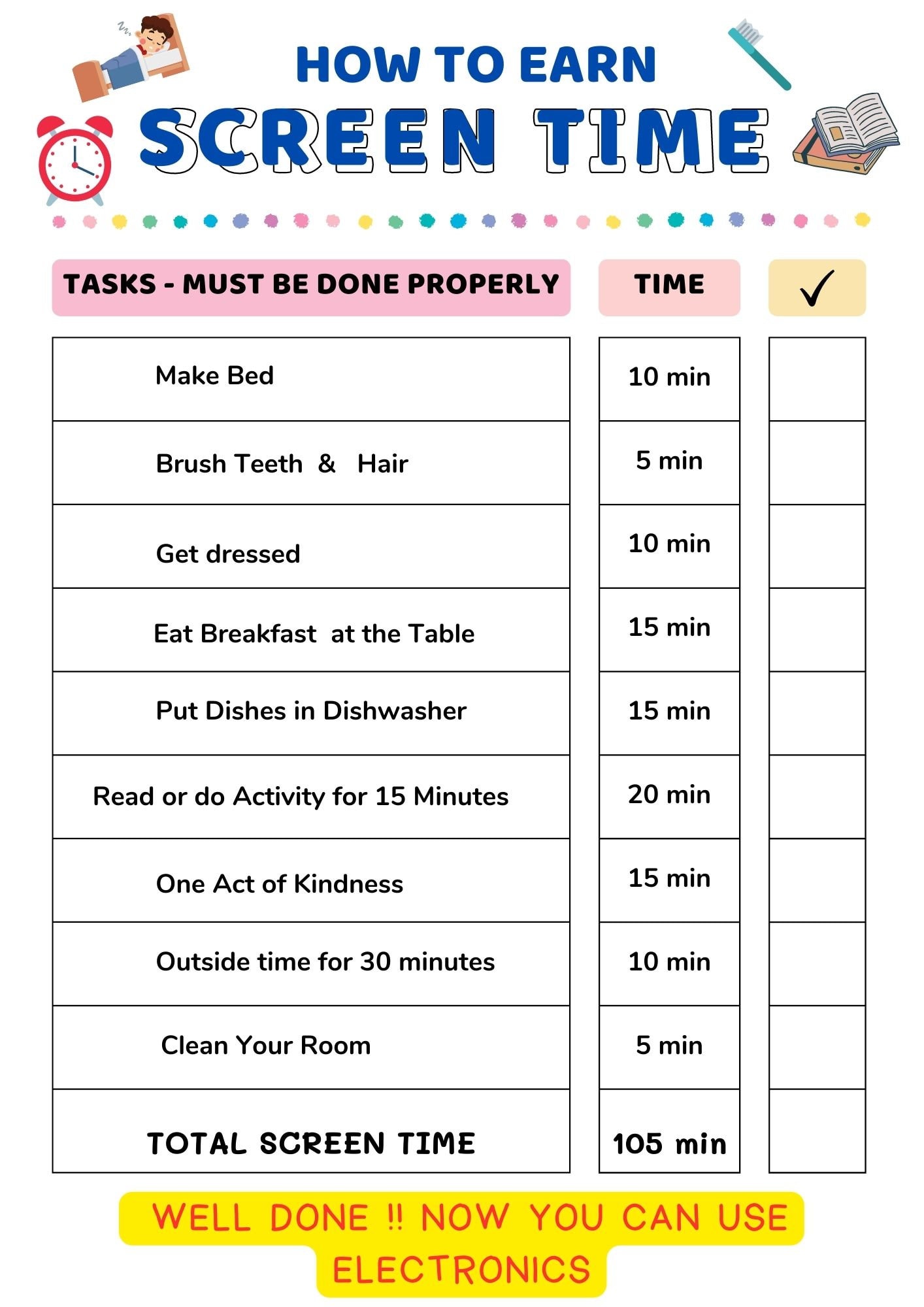
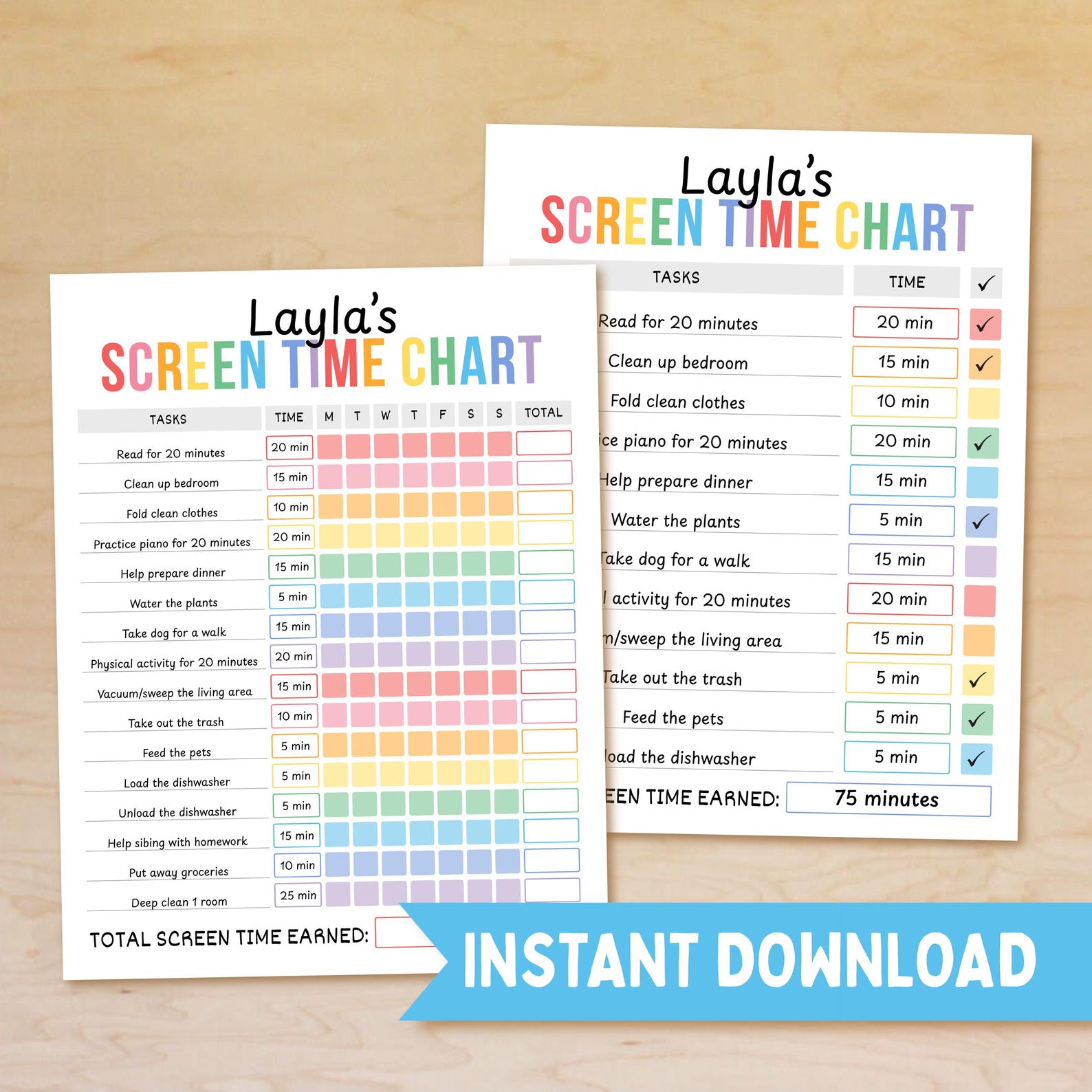
The “screen time schedule for families” worksheet addresses the crucial internet safety topic of balanced digital engagement and healthy screen time management. It provides a structured framework for families to define and allocate specific periods for online activities, alongside dedicated time for offline pursuits. The resource covers fundamental concepts such as digital well-being, the importance of physical activity, academic focus, and social interaction in the real world. Users are guided through the process of establishing clear boundaries, understanding the impact of excessive screen use, and fostering self-discipline. This worksheet aligns with recognized digital citizenship standards, emphasizing responsible online choices and promoting a holistic approach to a child’s developmental needs. It empowers families to create a proactive strategy for digital use, moving beyond reactive management.
Key Learning Outcomes
By engaging with the “screen time schedule for families” worksheet, children and adolescents develop several vital skills and areas of knowledge:. Browse more guides on Safe Wired Schools.
- Develops a foundational understanding of balanced digital habits and their contribution to overall well-being.
- Cultivates self-regulation skills, enabling more conscious decision-making regarding screen usage.
- Facilitates open communication within families about digital rules, expectations, and shared responsibilities.
- Encourages proactive planning for screen time, minimizing impulsive or excessive online engagement.
- Recognizes the intrinsic value of offline activities, fostering a diverse range of interests and experiences.
How to Use This Worksheet
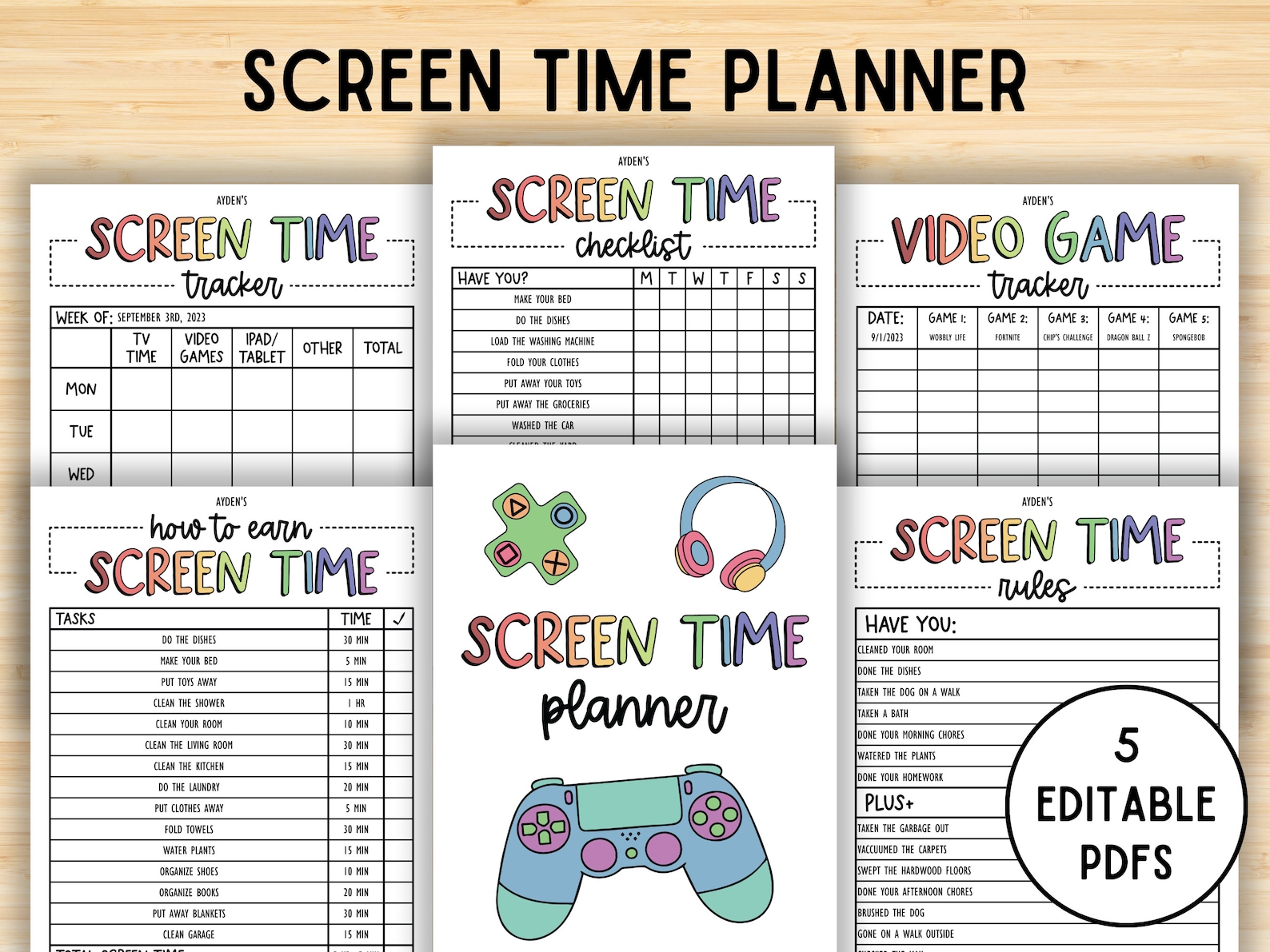
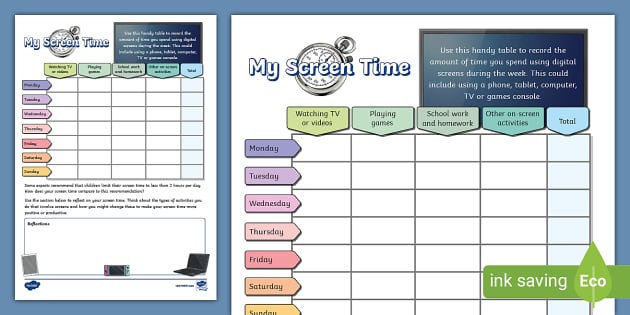
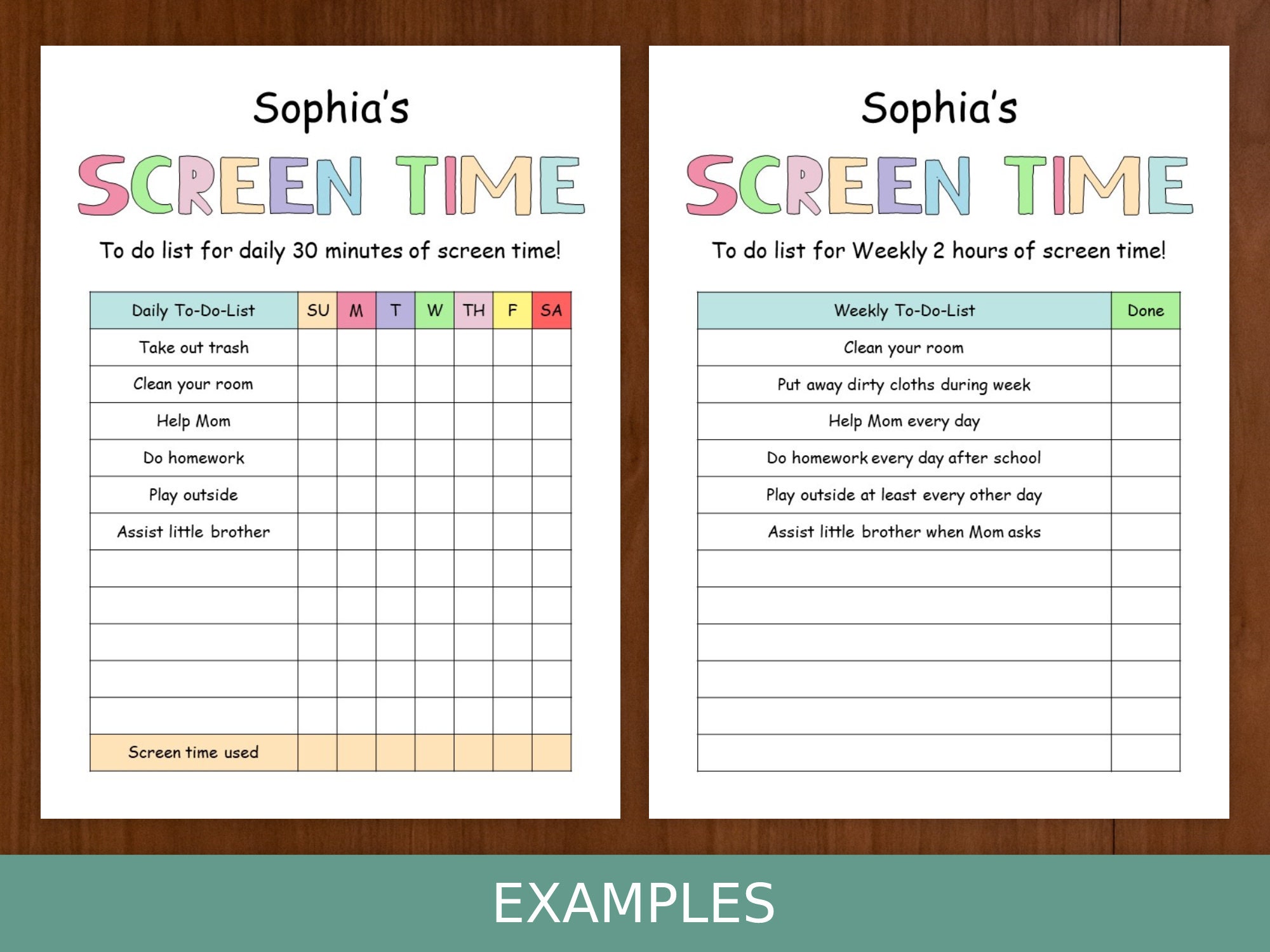
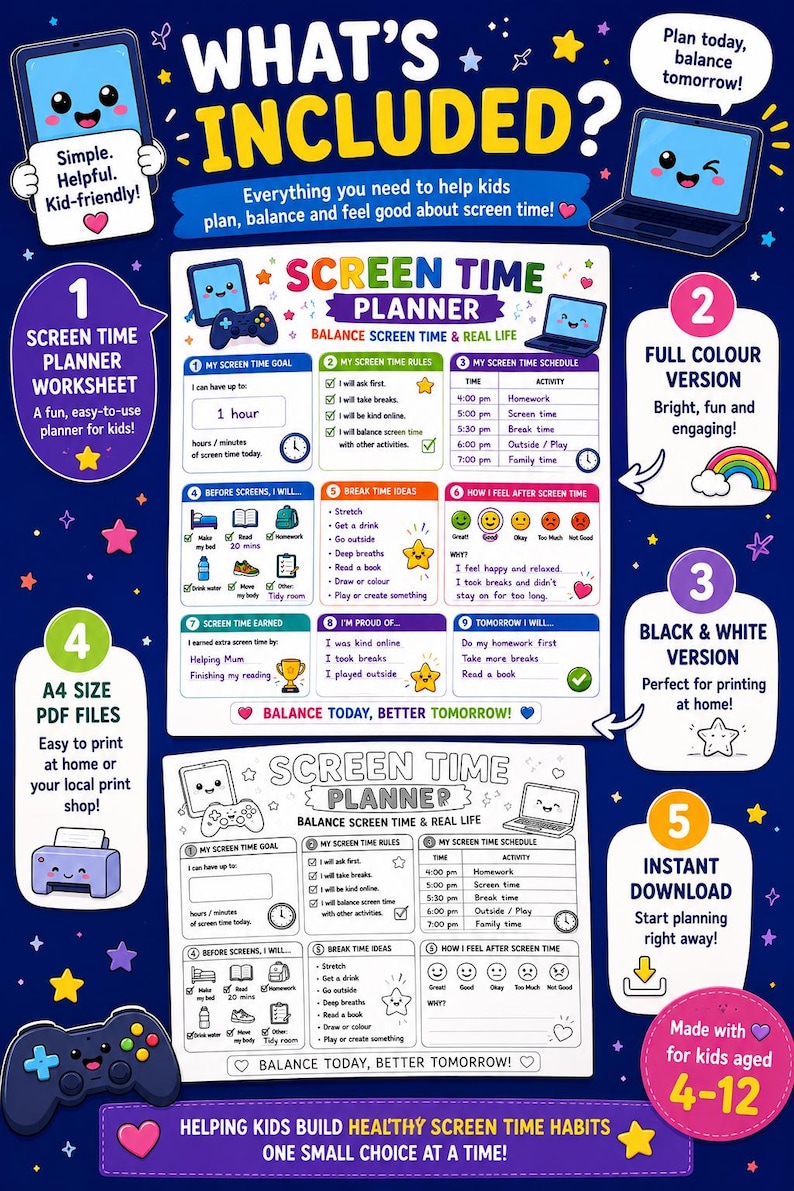
The “screen time schedule for families” worksheet provides a flexible template for structuring daily and weekly digital engagement. Its format typically includes sections for listing specific activities, allocating time blocks, and noting family agreements. The activity types might involve fill-in-the-blank sections for daily routines, checkboxes for completed tasks, and reflection prompts about the benefits of balanced use. Instructions are designed to scaffold learning progressively, starting with basic time allocation and moving towards more nuanced discussions about content and context. The worksheet can function as a standalone activity, integrated into a broader lesson plan on digital citizenship, or assigned as homework to spark essential family conversations. Its adaptable design allows for customization, ensuring relevance for various family dynamics and individual needs.
Practical Tips for Parents and Teachers
Maximizing the educational impact of the “screen time schedule for families” requires thoughtful implementation:
- Introduce the worksheet with an open discussion about current screen habits and the desired benefits of a balanced approach.
- Model healthy digital behavior consistently, demonstrating the importance of adhering to self-imposed schedules.
- Involve children and adolescents actively in the schedule-creation process, fostering ownership and buy-in.
- Regularly review and adjust the schedule as routines change or new digital challenges arise, ensuring ongoing relevance.
- Celebrate adherence and positive outcomes, reinforcing the value of responsible digital choices through encouragement.
Age-Appropriate Recommendations
Effective implementation of the “screen time schedule for families” varies significantly across different age groups, requiring tailored approaches.
For Ages 5-8 (Early Elementary), focus on simple visual schedules using pictures or color-coded blocks. Adult guidance is paramount, helping children understand “on-screen” and “off-screen” times as distinct periods. Keep sessions short and emphasize the immediate benefits of transitioning to offline play. Vocabulary support should be basic and direct, focusing on actions and simple rules. Discussions should center on what can be done during non-screen times, like reading or playing outside.
For Ages 9-12 (Upper Elementary/Middle School), encourage more active participation in designing the schedule. Children at this age can begin to understand the reasons behind limits, such as eye strain or the need for homework. The approach should involve negotiation and clear discussions about consequences for exceeding agreed-upon times. Introduce more complex concepts like “digital downtime” and the importance of sleep. Pacing can involve longer discussion periods, allowing children to voice their preferences and concerns.
For Ages 13-18 (Middle/High School), the emphasis shifts towards greater independence and self-monitoring. The worksheet becomes a tool for personal accountability, with adolescents taking the lead in planning and managing their own digital use across multiple devices and platforms. Discussions should include the long-term impact of screen time on academic performance, mental health, and social relationships. The role of parents and teachers becomes one of guidance and mentorship, supporting adolescents in developing robust self-regulation strategies and critical evaluation of online content.
Frequently Asked Questions
Q: What is the primary goal of the “screen time schedule for families” resource? A: The main objective is to help families establish healthy digital habits and foster a balanced approach to screen use, promoting overall well-being and responsible online behavior. It aims to reduce conflicts and create clear expectations around digital engagement.
Q: How can this free printable resource be accessed? A: The “screen time schedule for families” worksheet is available as a free printable download directly from the SafeWiredSchools.org website. Navigate to the worksheets section to locate and print this valuable educational tool.
Q: Is this worksheet adaptable for different family structures or unique routines? A: Yes, the “screen time schedule for families” is designed with flexibility in mind. Its adaptable template allows customization to suit various family sizes, diverse routines, and individual children’s needs, making it a versatile resource for all.
Explore More Free Printable Worksheets
While a single resource like the “screen time schedule for families” provides significant value, its impact is amplified when integrated into a consistent digital safety learning routine. This worksheet performs optimally as part of a comprehensive collection of printable resources. Educators and parents are invited to explore a full array of free printable internet safety worksheets, activity sheets, checklists, quizzes, and more at SafeWiredSchools.org Worksheets. These resources cover every essential internet safety topic and are meticulously designed for every grade level and learning environment, ensuring continuous and progressive digital education.
Developmental Milestone & Activity Table
| Development Stage | Recommended Daily Duration | Primary Learning Objective |
|---|---|---|
| Preschool & Pre-K | 10 – 15 Minutes | Pencil grip development & basic pre-stroke lines |
| Kindergarten | 15 – 20 Minutes | Letter/number formation & spatial line awareness |
| Early Elementary (Grade 1–2) | 20 – 30 Minutes | Fluency, sentence construction & neatness |
Images References