Introduction
The digital landscape requires thoughtful navigation, and foundational internet safety practices are essential for every child. A crucial resource for fostering healthy digital habits is the “screen time monitoring log for parents.” This printable tool is designed to support families with children from elementary grades through high school (ages 518), reinforcing vital internet safety concepts through a practical, hands-on approach. Printable worksheets, such as this log, remain trusted educational instruments for both educators and parents. They provide a tangible method for building digital awareness and cultivating responsible online behavior, offering a concrete way to engage with abstract digital concepts. The efficacy of these resources stems from their ability to translate complex ideas into manageable, actionable steps, making digital citizenship accessible and achievable for all learners and their guiding adults.
💡 Educational Key Takeaways:
- Core Skill: Structured Screen Time Monitoring Log For Parents focused on developing pencil grip, stroke control, and early literacy/math confidence.
- Target Scope: Suited for homeschoolers, preschool, kindergarten, and elementary learners.
- Best Recommendation: Practice 10–15 minutes daily with ergonomic writing tools to reinforce muscle memory without hand fatigue.
What This Worksheet Covers
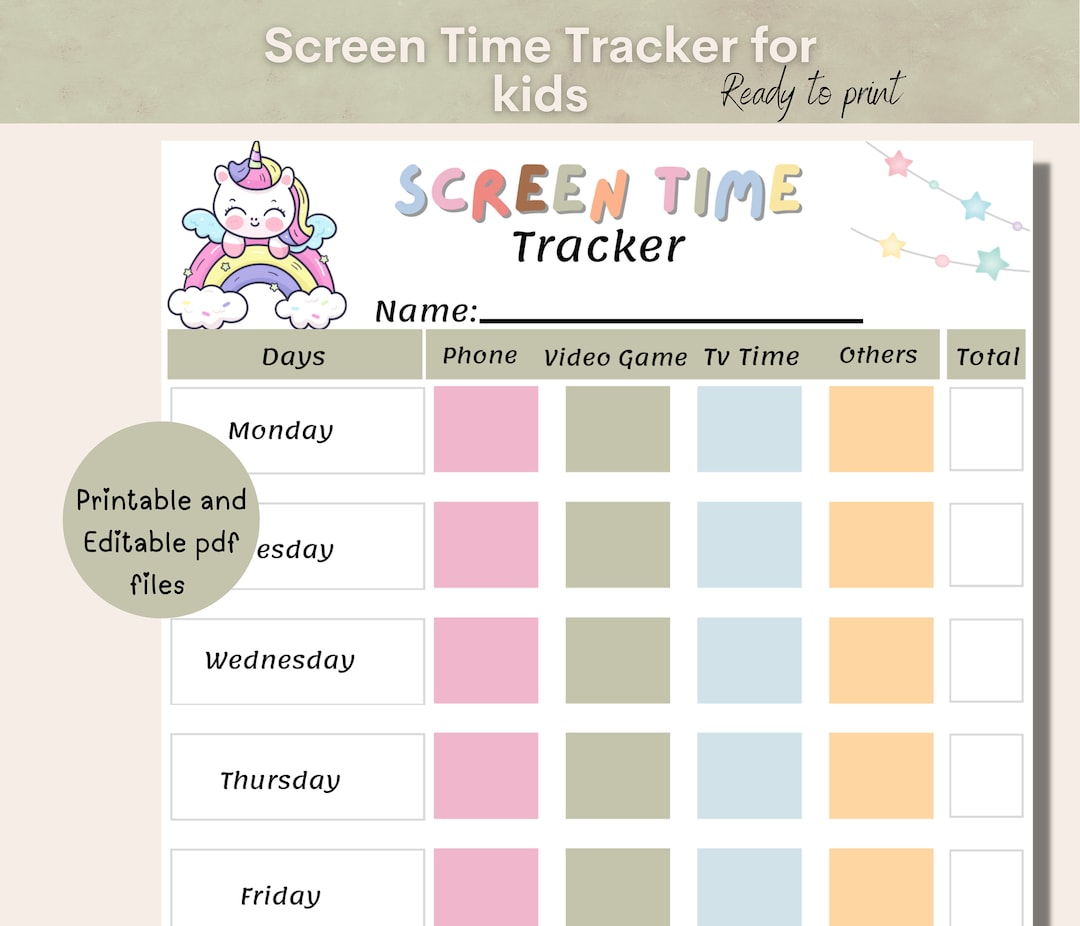
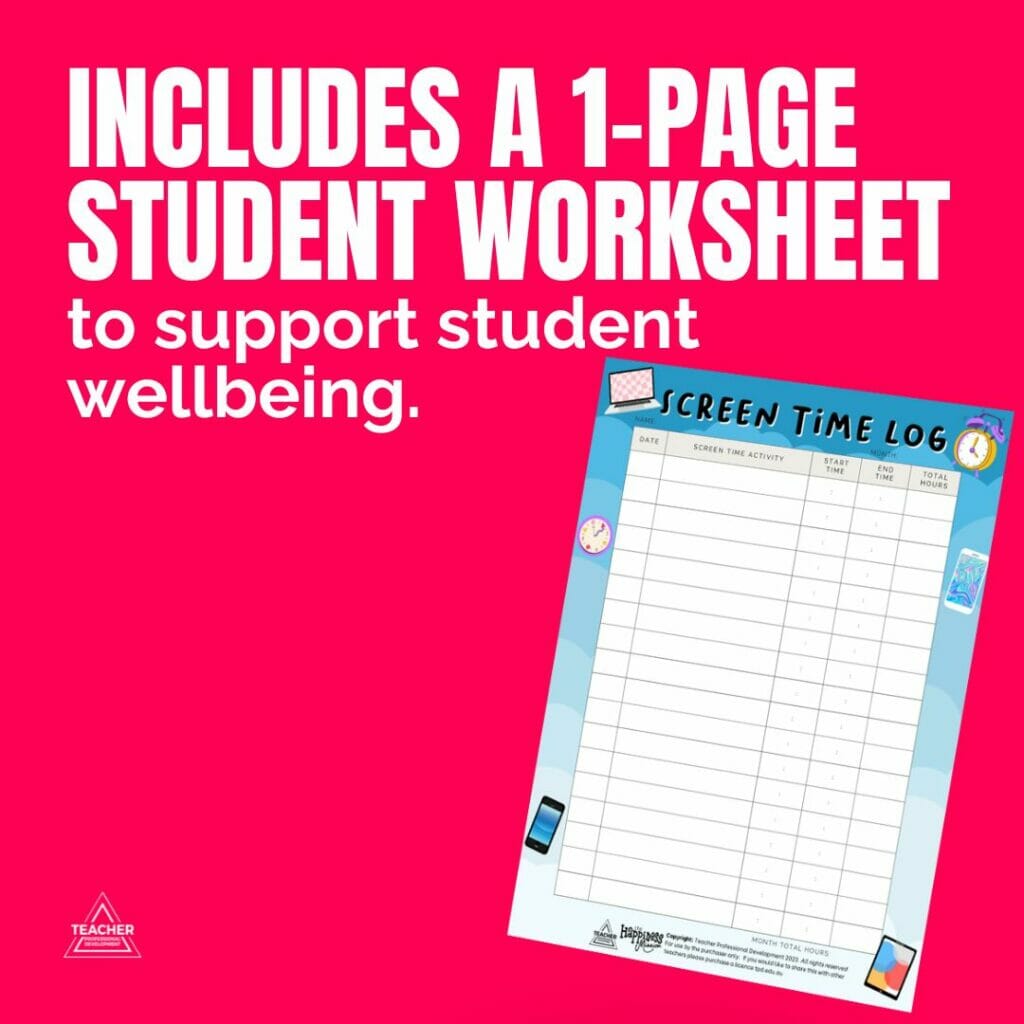
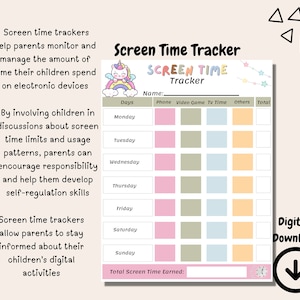
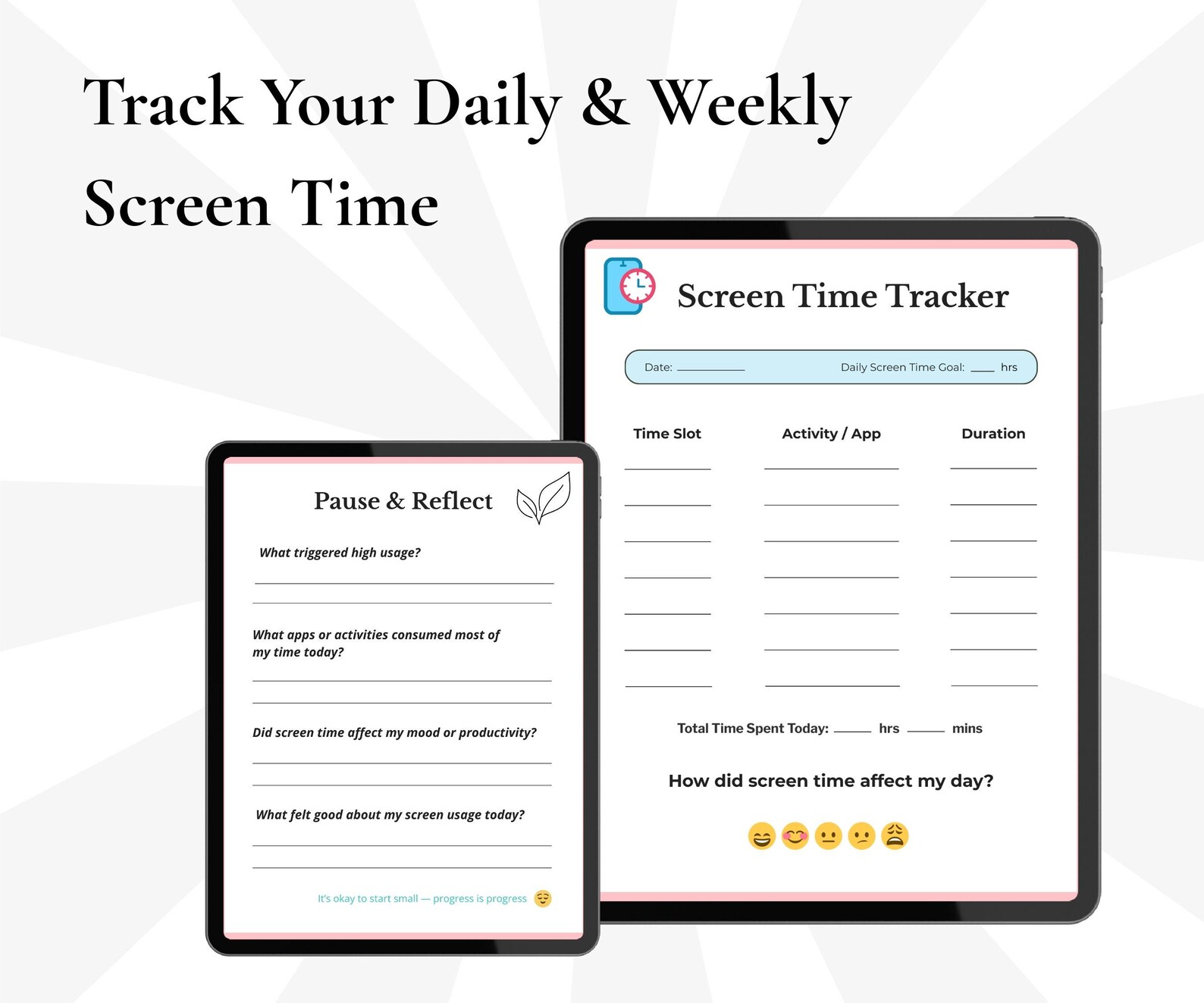
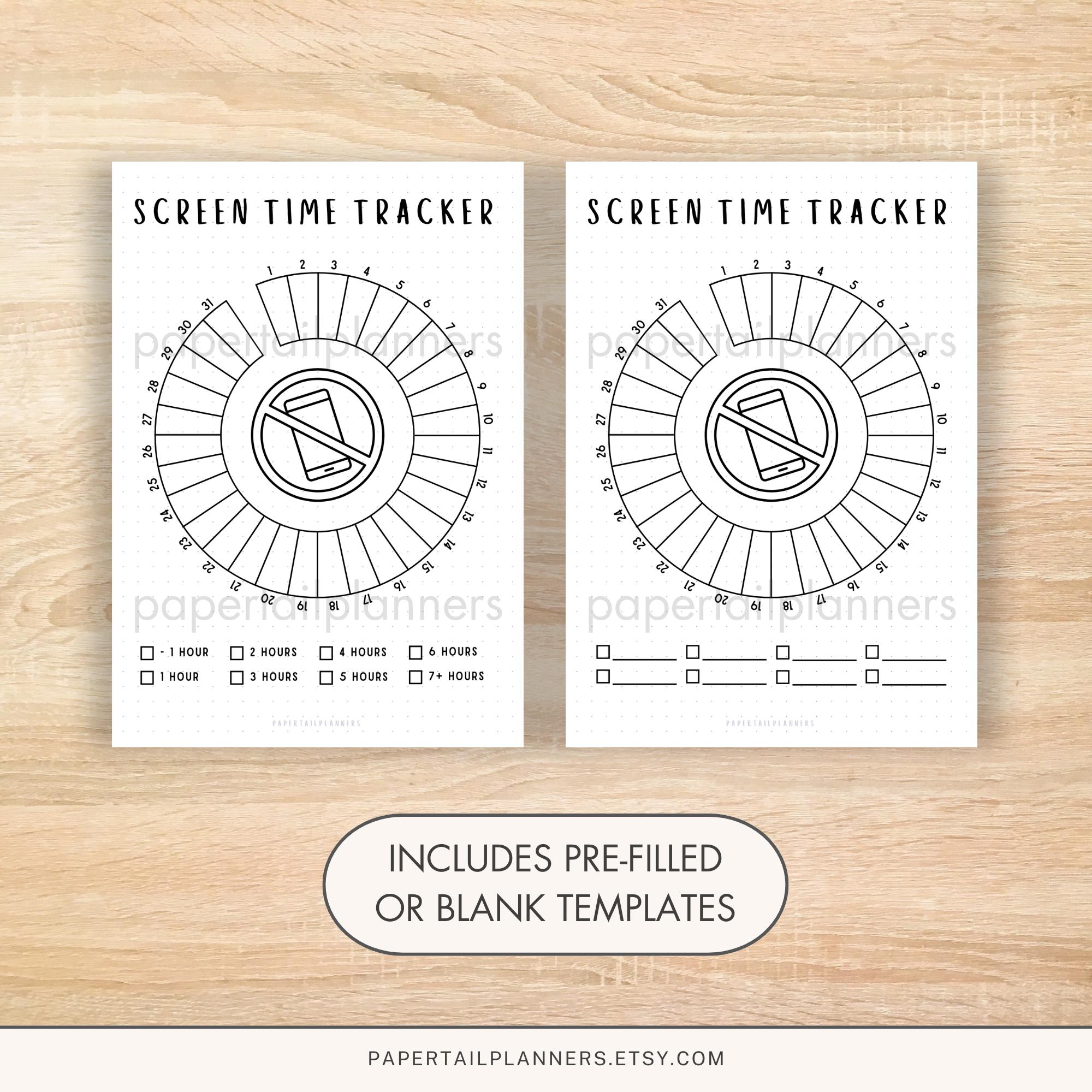
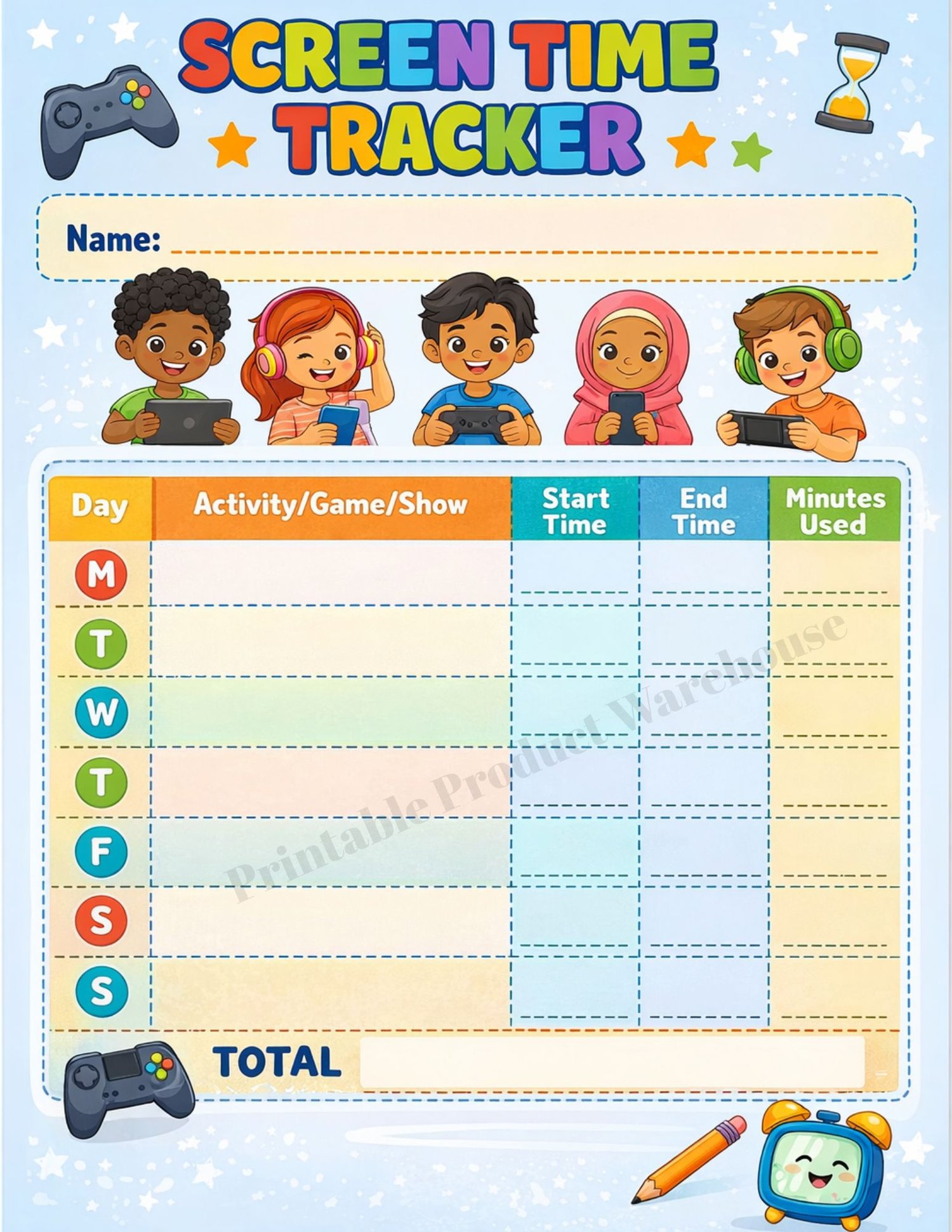
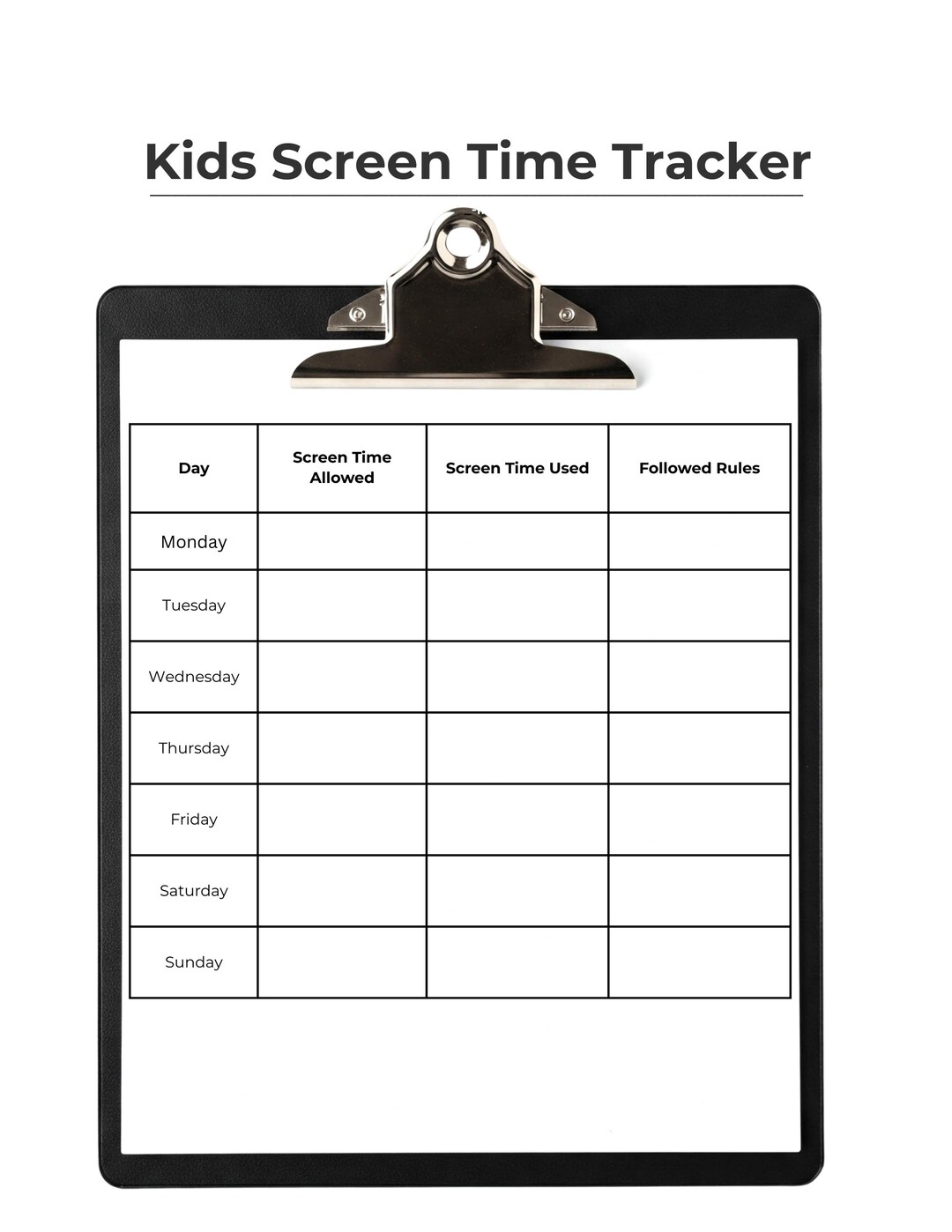
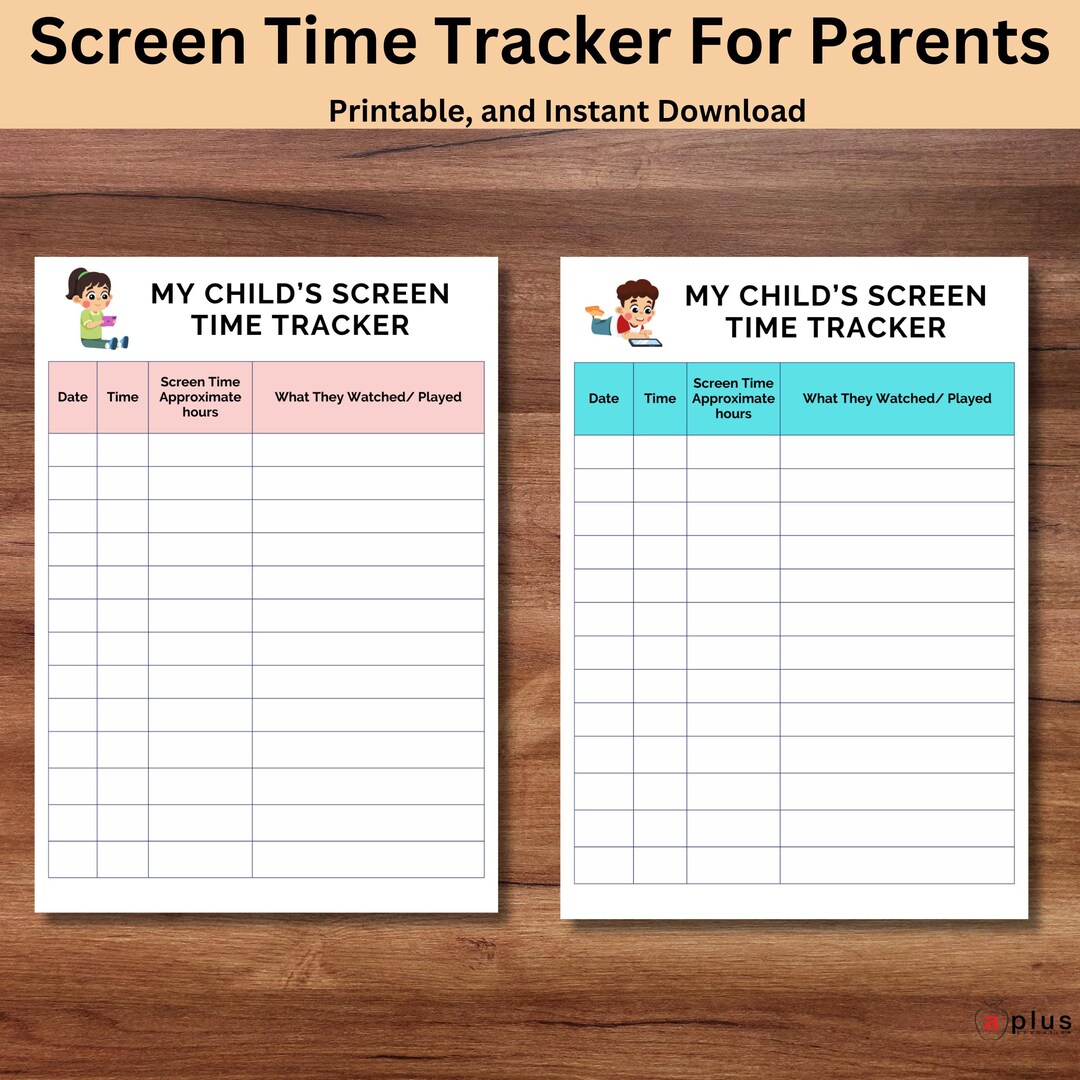
The “screen time monitoring log for parents” specifically addresses the critical internet safety topic of digital well-being and responsible screen time management. It provides a structured framework for observing and recording daily digital device usage. The worksheet encourages families to track time spent on various devices, the types of activities engaged in, and the associated feelings or impacts. Concepts covered include identifying usage patterns, understanding the balance between online and offline activities, and recognizing how digital engagement affects daily life. The content directly connects to recognized digital citizenship and child safety education standards, which emphasize self-regulation, media literacy, and the development of healthy technology habits. This resource offers a proactive approach to understanding and managing digital consumption within a supportive family environment.
Key Learning Outcomes
Through consistent use of the “screen time monitoring log for parents,” several key learning outcomes are achieved:
- Children and families develop a heightened awareness of personal screen time habits.
- Individuals gain the ability to identify specific patterns in digital device use across different platforms and times.
- Users cultivate self-regulation skills concerning screen time, learning to make conscious choices about digital engagement.
- The log facilitates collaborative discussions, contributing to the development of a balanced family media plan.
- Participants acquire a deeper understanding of the importance of balanced digital engagement for overall well-being.
How to Use This Worksheet
The “screen time monitoring log for parents” functions as a daily or weekly tracker, offering a clear and straightforward format for recording digital activity. Its design incorporates fill-in-the-blank sections where users note the device used, the duration of use, the specific activity (e.g., gaming, educational app, social media), and a simple reflection on how the activity felt or its purpose. The difficulty level is adaptable, starting with basic data entry and progressing to more nuanced reflection as users become more accustomed to the process. Instructions are presented clearly, scaffolding learning progressively by encouraging observation before analysis. This worksheet can serve as a standalone activity for individual families, integrate seamlessly into a classroom digital citizenship lesson plan, or be assigned as practical homework to extend learning into the home environment, fostering consistent engagement with screen time awareness. Browse more guides on Safe Wired Schools.
Practical Tips for Parents and Teachers
Maximizing the educational value of the “screen time monitoring log for parents” involves thoughtful implementation:
- Preparation: Print multiple copies for consistent tracking over several days or a week. Establish a designated time each day for logging entries to build a routine.
- Facilitation: Introduce the log with a clear explanation of its purposeto understand, not to judge. Model how to accurately record information, emphasizing honesty and self-observation.
- Discussion Prompts: After completion, initiate open, non-judgmental conversations. Ask questions such as, “What did you notice about your screen time this week?” or “Were there any surprises in your log?”
- Goal Setting: Use the collected data to collaboratively set realistic screen time goals or identify opportunities for more balanced activities.
- Extend Learning: Encourage exploration of alternative offline activities. Create a “screen-free zone” or specific “tech-free times” to reinforce healthy boundaries beyond the log.
Age-Appropriate Recommendations
The “screen time monitoring log for parents” can be tailored to suit various developmental stages, ensuring its relevance and effectiveness across different age groups.
- Ages 510 (Elementary Grades): For younger children, adult involvement is paramount. Focus on simple tracking, perhaps with visual cues or emojis to describe feelings. Parents or teachers can help fill in details, concentrating on broad categories of use (e.g., “learning game,” “watching video”). The emphasis should be on awareness and identifying fun offline alternatives. Vocabulary support is crucial, simplifying terms and making the activity feel like a joint discovery.
- Ages 1114 (Middle School Grades): At this stage, children can take more ownership of their tracking. Encourage deeper reflection on why certain apps or platforms are used, and the emotional impact of digital interactions. Discussions might include peer influence and the trade-offs between online and offline friendships. Activity pacing can be more independent, with regular check-ins and opportunities for goal setting.
- Ages 1518 (High School Grades): Older students are capable of independent tracking and critical analysis of their media consumption. The log can facilitate discussions about the impact of screen time on academic performance, sleep patterns, mental health, and social relationships. This age group benefits from exploring long-term habit formation and developing personal responsibility for their digital well-being. The log becomes a tool for self-advocacy and informed decision-making regarding technology use.
Frequently Asked Questions
Q: What is the primary purpose of this screen time log? A: The “screen time monitoring log for parents” helps families track and reflect on digital device usage patterns. Its goal is to foster healthy digital habits and encourage balanced online-offline activities for children.
Q: How can this resource be accessed? A: The “screen time monitoring log for parents” is readily available as a free printable download. It can be found on the SafeWiredSchools.org website within the dedicated worksheets section.
Q: Is this log suitable for all children? A: The log is designed to be adaptable for various ages, with specific guidance provided for elementary, middle, and high school students. This ensures the resource remains relevant and impactful across different developmental stages.
Explore More Free Printable Worksheets
While the “screen time monitoring log for parents” offers significant value, its effectiveness is amplified when integrated into a consistent digital safety learning routine. A single worksheet serves as an excellent starting point, yet true mastery of internet safety concepts is built through a broader collection of resources. Educators and parents are invited to explore a full collection of free printable internet safety worksheets, activity sheets, checklists, quizzes, and more at SafeWiredSchools.org Worksheets. These resources cover every internet safety topic, are designed for every grade level and learning environment, and provide comprehensive support for building a safer digital future for all children.
Developmental Milestone & Activity Table
| Development Stage | Recommended Daily Duration | Primary Learning Objective |
|---|---|---|
| Preschool & Pre-K | 10 – 15 Minutes | Pencil grip development & basic pre-stroke lines |
| Kindergarten | 15 – 20 Minutes | Letter/number formation & spatial line awareness |
| Early Elementary (Grade 1–2) | 20 – 30 Minutes | Fluency, sentence construction & neatness |
Images References