Introduction
The digital landscape continually evolves, necessitating adaptable and effective tools for nurturing responsible online behavior. The “screen time limit checklist for kids” emerges as a vital resource for Elementary (grades 15) and Middle School (grades 68) learners, though its principles benefit individuals across the 518 age spectrum. This printable worksheet directly addresses the critical need for balanced digital engagement, reinforcing core internet safety concepts through a hands-on, tangible approach. Printable learning resources are trusted by educators and parents alike because they provide a concrete, tactile experience that complements digital learning, fostering deeper understanding and retention. Such tools empower children to actively participate in establishing healthy digital habits, transforming abstract concepts into actionable steps for daily life. A well-designed worksheet like this serves as a cornerstone in building digital awareness and promoting responsible online conduct within both home and classroom environments.
💡 Educational Key Takeaways:
- Core Skill: Structured Screen Time Limit Checklist For Kids focused on developing pencil grip, stroke control, and early literacy/math confidence.
- Target Scope: Suited for homeschoolers, preschool, kindergarten, and elementary learners.
- Best Recommendation: Practice 10–15 minutes daily with ergonomic writing tools to reinforce muscle memory without hand fatigue.
What This Worksheet Covers
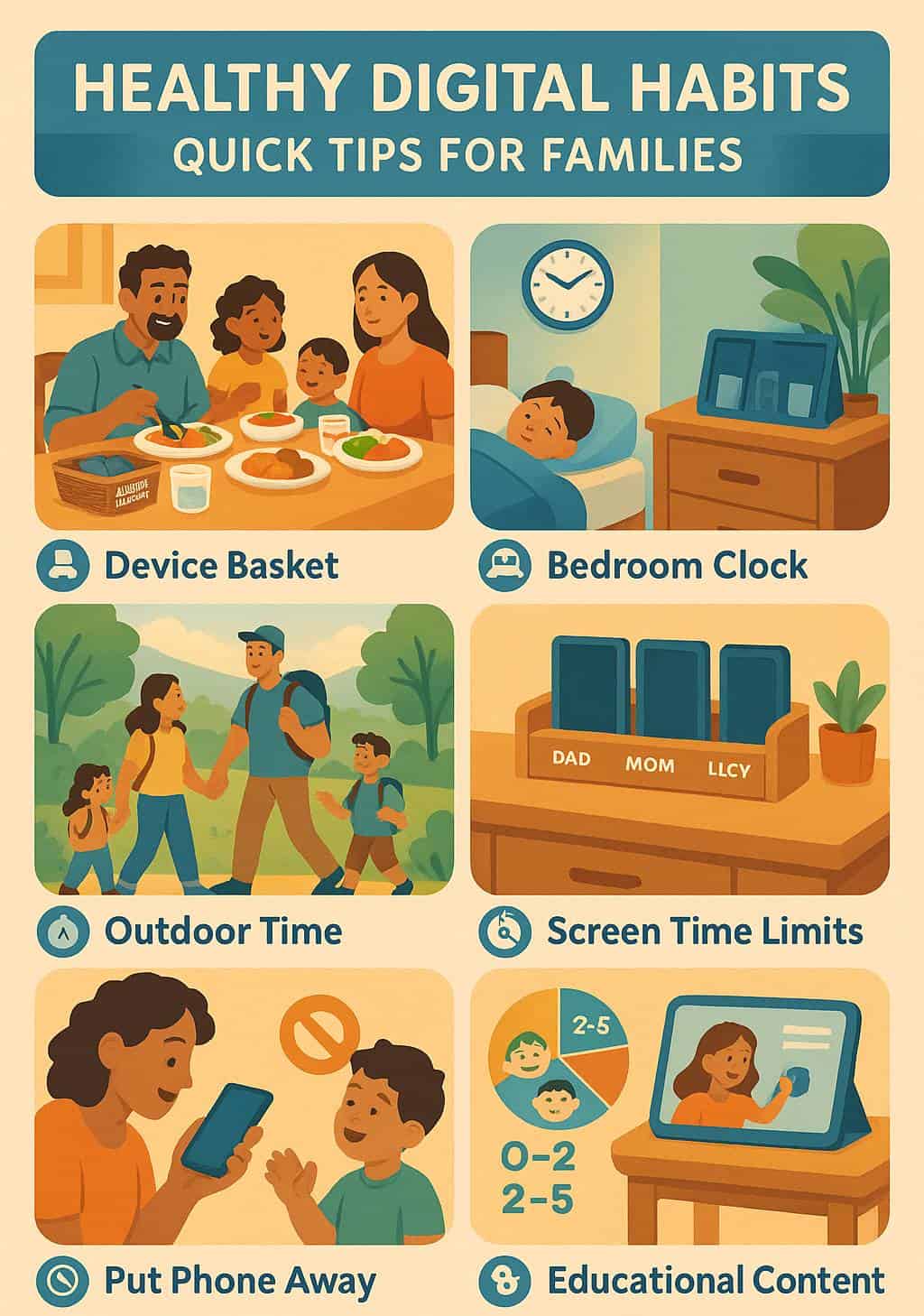
The “screen time limit checklist for kids” directly addresses the crucial topic of healthy screen time management and digital well-being. It guides children and their caregivers through the process of identifying appropriate digital activities, understanding the importance of balanced engagement, and recognizing the potential impact of excessive screen use. The worksheet covers fundamental concepts such as setting clear boundaries for device usage, prioritizing offline activities, and fostering open communication about digital habits. Its content aligns seamlessly with recognized digital citizenship and child safety education standards, which advocate for media literacy, responsible technology use, and the development of self-regulation skills in a connected world. The resource encourages a proactive approach to technology integration, promoting thoughtful decision-making rather than passive consumption.
Key Learning Outcomes
By engaging with the “screen time limit checklist for kids,” children develop several essential skills and knowledge areas:. Browse more guides on Safe Wired Schools.
- Understanding Digital Balance: Learners grasp the significance of balancing screen time with physical activity, creative play, and social interaction.
- Identifying Personal Habits: Children learn to observe and reflect upon their own screen time patterns and preferences.
- Developing Self-Regulation Strategies: The checklist aids in building practical strategies for managing device usage independently or with guidance.
- Effective Communication: It fosters open dialogue with parents or teachers regarding screen time needs, rules, and challenges.
- Prioritizing Offline Engagement: The resource encourages the exploration and appreciation of non-digital activities and hobbies.
How to Use This Worksheet
The “screen time limit checklist for kids” offers a versatile format suitable for various educational settings. Its activity types typically include customizable sections for writing down agreed-upon screen time limits, checkboxes for tracking completed tasks or alternative activities, and reflection prompts encouraging personal insight into digital habits. The worksheet’s difficulty level is designed to be accessible, with instructions that scaffold learning progressively, ensuring comprehension across different age groups. It functions effectively as a standalone activity, prompting immediate engagement and discussion. Alternatively, it can be integrated into a broader lesson plan on digital citizenship, serving as a practical application of theoretical concepts. Assigning it as homework encourages family involvement, extending the learning conversation beyond the classroom and into the home.
Practical Tips for Parents and Teachers
Maximizing the educational impact of the “screen time limit checklist for kids” involves thoughtful preparation and ongoing engagement.
- Collaborative Completion: Complete the checklist together, allowing children to contribute to setting realistic and achievable limits, fostering a sense of ownership.
- Model Healthy Habits: Demonstrate balanced device use in daily life, reinforcing the principles taught in the worksheet through personal example.
- Regular Review Sessions: Schedule weekly or bi-weekly discussions to review progress, celebrate successes, and adjust limits as needs evolve.
- Positive Reinforcement: Acknowledge and praise efforts to adhere to the checklist, focusing on positive choices and improvements in screen time management.
- Expand Beyond the Worksheet: Connect the checklist to broader family media plans or classroom digital citizenship rules, creating a consistent framework for digital well-being.
Age-Appropriate Recommendations
Effective implementation of the “screen time limit checklist for kids” requires tailoring the approach to the developmental stage of the learners.
For Ages 58 (Early Elementary), focus on foundational concepts and visual aids. Introduce the idea of “screen breaks” and identifying fun, non-screen activities. Parental or teacher involvement should be high, guiding children through each section, explaining vocabulary, and physically helping to check off items. Keep sessions short and positive, celebrating small victories in balancing screen time. The emphasis remains on establishing a routine rather than strict adherence to complex rules.
For Ages 912 (Upper Elementary/Middle School), encourage greater independence and critical thinking. This age group can begin to understand the reasons behind screen time limits, such as impact on sleep, academics, or physical activity. Facilitate discussions where children actively participate in setting their own limits and identifying their preferred alternative activities. The worksheet can serve as a tracking tool, promoting self-monitoring. Teachers might use it as a discussion starter for digital citizenship lessons, while parents can integrate it into family contracts, allowing for more nuanced negotiations.
For Ages 1318 (Middle/High School), the checklist transforms into a tool for self-assessment and goal setting. At this stage, discussions should center on digital well-being, the role of technology in personal productivity, and the impact of screen time on mental health and social connections. Learners can independently analyze their screen habits, identify areas for improvement, and develop personal strategies for mindful technology use. The worksheet provides a structured framework for reflection and can be a valuable component of a student-led initiative to promote healthy digital habits among peers.
Frequently Asked Questions
Q: What is the primary purpose of the “screen time limit checklist for kids”?
A: The checklist’s main purpose is to help children and families establish and maintain healthy screen time habits. It promotes digital well-being by encouraging balanced engagement with technology and prioritizing offline activities.
Q: How often should this screen time checklist be utilized?
A: The checklist can be used daily or weekly, adapting to family routines and individual needs. Consistent use serves as a regular reminder and facilitates ongoing discussions about digital habits and progress.
Q: Where can this free printable resource be accessed?
A: The “screen time limit checklist for kids” is available for free download directly from the SafeWiredSchools.org website. It is located within the dedicated worksheets section of the site.
Explore More Free Printable Worksheets
A single resource, however valuable, works best as part of a comprehensive and consistent digital safety learning routine. The “screen time limit checklist for kids” provides an excellent starting point or a reinforcement tool within a broader educational framework. Educators and parents are encouraged to explore a full collection of free printable internet safety worksheets, activity sheets, checklists, quizzes, and more at SafeWiredSchools.org Worksheets. This extensive library covers every essential internet safety topic and is meticulously designed for every grade level and learning environment, ensuring a robust and continuous learning experience for all.
Developmental Milestone & Activity Table
| Development Stage | Recommended Daily Duration | Primary Learning Objective |
|---|---|---|
| Preschool & Pre-K | 10 – 15 Minutes | Pencil grip development & basic pre-stroke lines |
| Kindergarten | 15 – 20 Minutes | Letter/number formation & spatial line awareness |
| Early Elementary (Grade 1–2) | 20 – 30 Minutes | Fluency, sentence construction & neatness |