Introduction
The establishment of healthy digital habits forms a cornerstone of modern child development. As screens become increasingly integrated into daily life, guiding young learners toward responsible usage, particularly around sensitive times like bedtime, is paramount. The free printable resource, “screen time at bedtime checklist for kids,” serves as an invaluable tool for reinforcing these critical internet safety concepts. This worksheet is primarily designed for Elementary grades (1-5), providing a tangible, hands-on approach to digital awareness that seamlessly integrates into both home routines and classroom discussions. Printable worksheets are long-standing, trusted instruments in educational practice, valued by educators and parents for their ability to facilitate active learning, encourage consistent practice, and build foundational understanding of complex topics in an accessible format. Their tactile nature allows for direct engagement, helping children internalize responsible online behavior through routine and repetition.
💡 Educational Key Takeaways:
- Core Skill: Structured Screen Time At Bedtime Checklist For Kids focused on developing pencil grip, stroke control, and early literacy/math confidence.
- Target Scope: Suited for homeschoolers, preschool, kindergarten, and elementary learners.
- Best Recommendation: Practice 10–15 minutes daily with ergonomic writing tools to reinforce muscle memory without hand fatigue.
What This Worksheet Covers
This essential resource addresses the specific internet safety topic of responsible screen use and the critical importance of establishing healthy digital boundaries, particularly as bedtime approaches. The “screen time at bedtime checklist for kids” helps children understand the value of a consistent, screen-free transition to sleep, covering concepts such as appropriate device shut-down times, designated screen-free zones, and alternative calming activities. It encourages self-regulation and adherence to family or classroom rules regarding device usage during evening hours. The worksheet content directly connects to recognized digital citizenship standards, emphasizing personal responsibility, health and wellness in a digital world, and understanding the impact of technology choices on physical and mental well-being. This resource promotes proactive engagement with digital wellness, ensuring young learners grasp the link between screen habits and overall health.
Key Learning Outcomes
By engaging with the “screen time at bedtime checklist for kids,” children develop several vital skills and areas of knowledge:. Browse more guides on Safe Wired Schools.
- An understanding of the importance of screen-free time before bed for better sleep and overall health.
- The ability to follow and internalize a structured bedtime routine that incorporates digital wellness principles.
- Developing foundational skills in self-regulating screen usage and managing personal device habits.
- Increased awareness of established family or classroom rules concerning device use during evening hours.
- Improved capacity to communicate about digital habits and the challenges associated with reducing screen time.
How to Use This Worksheet
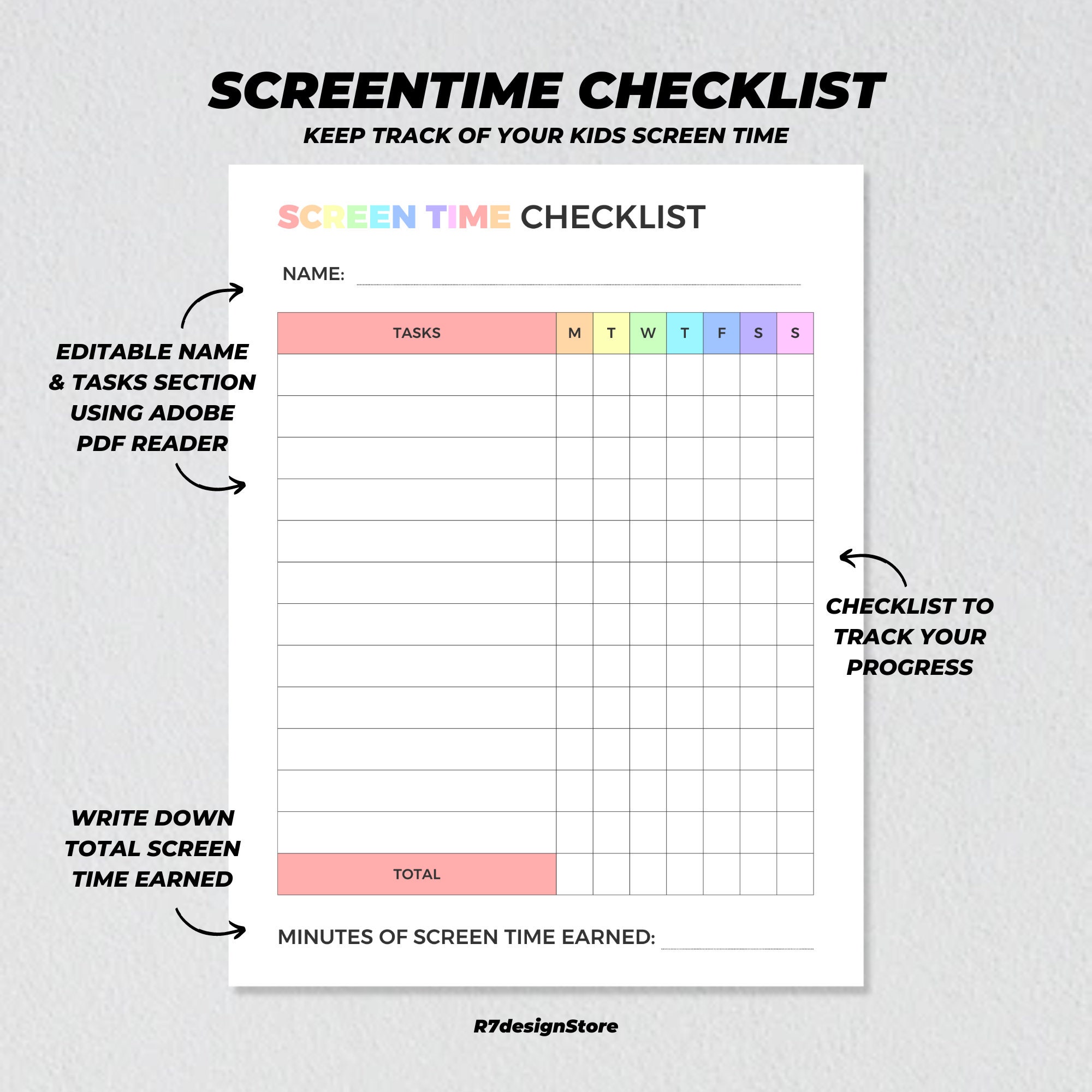
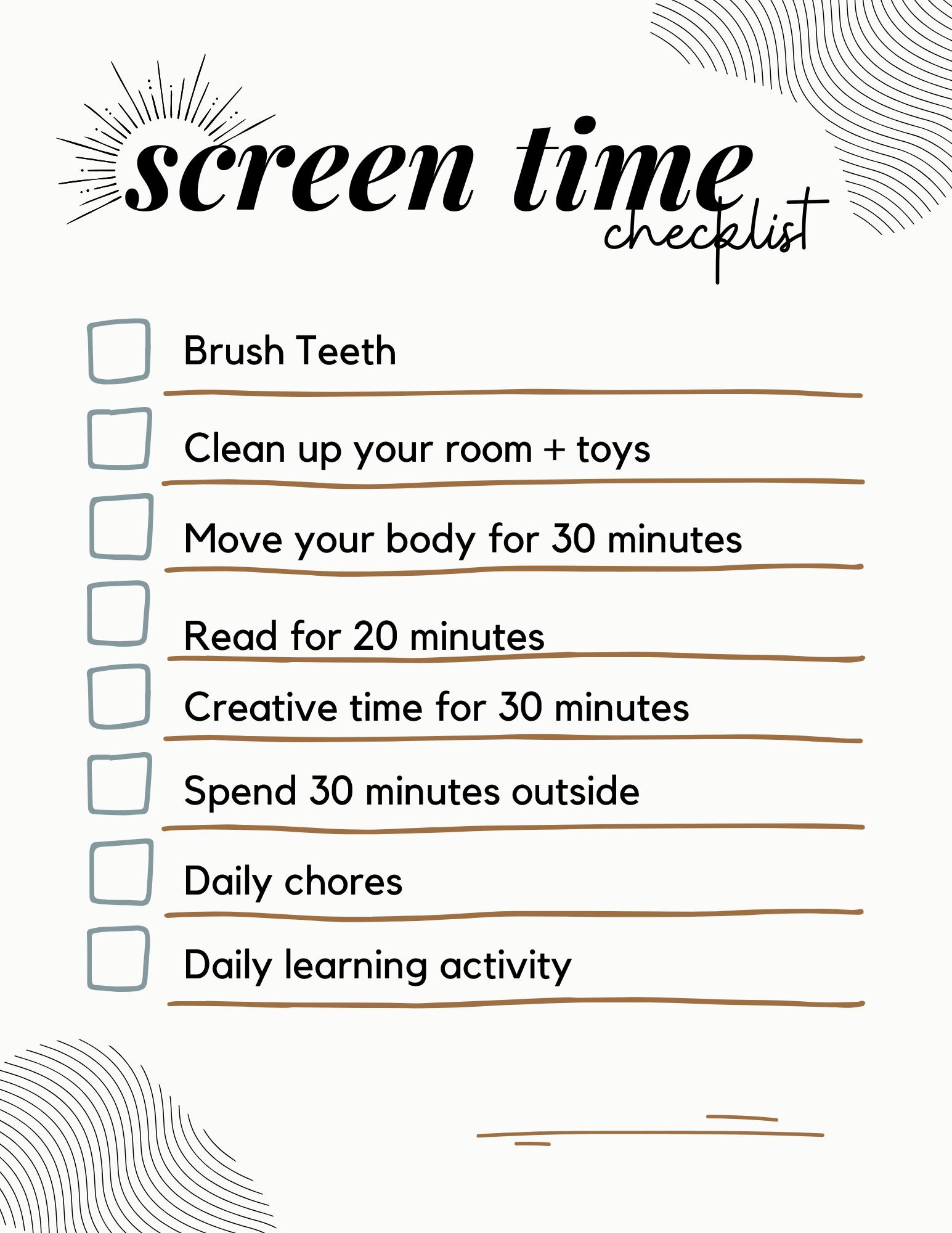
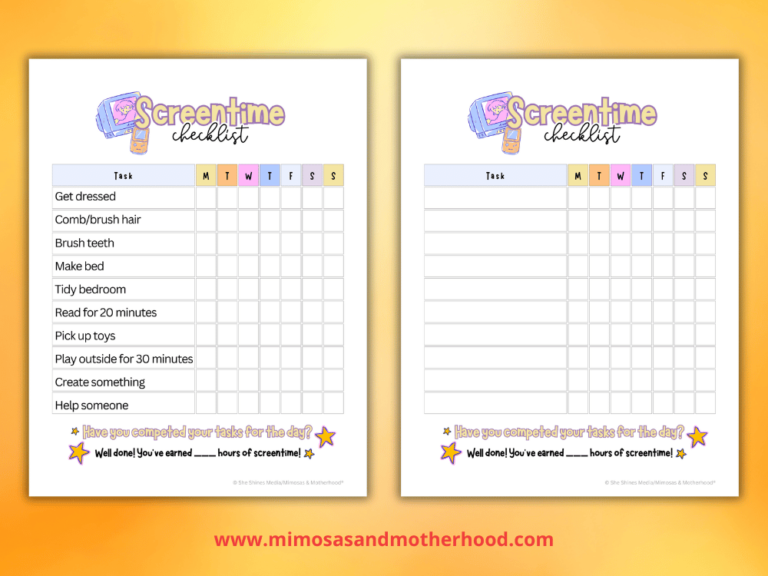
The “screen time at bedtime checklist for kids” offers a versatile format, making it effective for both classroom and home environments. The worksheet typically presents a series of clear, actionable items for children to complete or check off as they prepare for bed. Activity types often include simple checkboxes, spaces for drawing alternative activities, or prompts for personal commitment. Its difficulty level is appropriate for elementary-aged children, with instructions designed to scaffold learning progressively, ensuring clarity and ease of understanding. This resource functions excellently as a standalone activity to initiate discussions about digital wellness, can be integrated as part of a broader lesson plan on healthy habits, or assigned as homework to encourage consistent practice within the home setting. Its direct, task-oriented structure encourages immediate application of learned concepts.
Practical Tips for Parents and Teachers
- Review Together: Begin by reviewing each item on the checklist collaboratively, explaining the “why” behind each action to foster understanding, not just compliance. Personalize items to fit specific family or classroom rules.
- Model Behavior: Adults should consistently model the desired screen-free bedtime habits. Children learn significantly through observation, making adult consistency a powerful teaching tool.
- Consistent Reinforcement: Establish a consistent routine for using the checklist. Regular, predictable application reinforces the habit and helps children internalize the expectations surrounding screen time before bed.
- Encourage Discussion: After completing the checklist, engage children in a brief discussion about their experience. Ask about challenges encountered, successes celebrated, and any questions they may have.
- Extend the Learning: Consider expanding on the checklist by exploring alternative screen-free activities, such as reading, drawing, or quiet play. This helps children discover new interests and reduce reliance on digital devices for entertainment.
Age-Appropriate Recommendations
The “screen time at bedtime checklist for kids” can be adapted effectively across various age bands to maximize its impact and relevance.
For Ages 5-8 (Early Elementary), the focus should be on direct supervision and visual reinforcement. Children in this age group benefit from adults reading the checklist aloud, guiding them through each item, and physically checking off completed tasks. Vocabulary support may be necessary for some terms. Activity pacing should be slow and encouraging, allowing ample time for understanding and completion. Parental or teacher involvement is high, providing constant support and positive reinforcement for adherence to the checklist.
For Ages 9-12 (Upper Elementary/Early Middle School), the worksheet can be used to foster greater independence and self-reflection. Children at this stage can typically read and complete the checklist on their own, with adult supervision serving more as a check-in. Discussions can delve deeper into the reasons behind screen time limits, connecting them to sleep quality, academic performance, and overall well-being. Encourage children to personalize the checklist or suggest additions that make the routine more engaging for them. This approach promotes a sense of ownership over their digital habits.
For Ages 13-18 (Middle/High School), while a “checklist for kids” might seem simplistic, the underlying principles remain critically important. For older students, this resource can serve as a powerful discussion starter about digital wellness, sleep hygiene, and personal responsibility in managing technology. The checklist can be adapted into a more comprehensive personal digital contract or a research project on the effects of blue light on sleep. The focus shifts from direct instruction to empowering students to critically evaluate their own screen habits and develop self-directed strategies for healthier digital living. This foundational resource can initiate a deeper, more mature conversation about long-term digital health.
Frequently Asked Questions
Q: What age group is this “screen time at bedtime checklist for kids” best suited for? A: This checklist is most effective for children in Elementary grades (ages 5-12). It provides a structured, visual aid for establishing healthy digital habits before bedtime, with adaptations possible for slightly older students.
Q: How can this free printable resource be accessed for immediate use? A: The “screen time at bedtime checklist for kids” is available for free download directly from the SafeWiredSchools.org website. Navigate to the worksheets section to find and print this valuable educational tool.
Q: What if a child struggles to consistently follow the items on the checklist? A: Consistency and patience are key. If a child struggles, revisit the checklist together, discuss challenges without judgment, and reinforce positive behaviors. Adjusting family rules or offering small, non-screen-related rewards can also encourage adherence.
Explore More Free Printable Worksheets
A single resource, however effective, works best when integrated into a comprehensive and consistent digital safety learning routine. The “screen time at bedtime checklist for kids” is a valuable component of a broader collection of printable resources designed to support ongoing digital literacy. Educators and parents are encouraged to explore the full collection of free printable internet safety worksheets, activity sheets, checklists, quizzes, and more at SafeWiredSchools.org Worksheets. These resources cover every essential internet safety topic and are meticulously designed for every grade level and learning environment, ensuring a holistic approach to fostering responsible digital citizens.
Developmental Milestone & Activity Table
| Development Stage | Recommended Daily Duration | Primary Learning Objective |
|---|---|---|
| Preschool & Pre-K | 10 – 15 Minutes | Pencil grip development & basic pre-stroke lines |
| Kindergarten | 15 – 20 Minutes | Letter/number formation & spatial line awareness |
| Early Elementary (Grade 1–2) | 20 – 30 Minutes | Fluency, sentence construction & neatness |
Images References