Introduction
Navigating the digital world requires the same steady guidance as crossing a busy street. Children frequently encounter online risks in everyday places, such as through in-game chat features on shared household devices or casual interactions on popular video platforms. Traditional lectures about screen time rules often fade into background noise, leaving young minds unequipped for unexpected virtual scenarios. Interactive learning changes this dynamic entirely by placing learners inside realistic scenarios where critical thinking takes center stage. Educators and caregivers need practical tools that bridge the gap between abstract rules and daily online behavior. This comprehensive resource available on {site_name} transforms passive listening into active problem-solving through structured, engaging practice. Safety is an ongoing skill set built through repetition and calm guidance, never a threat to dread. By utilizing targeted practice materials, adults establish an open environment where children feel confident discussing their digital experiences. Building these foundational habits early ensures healthier technology use as kids grow. Related guide: 5 Cyber Safety Tips Symbols That Can Be Read By The Grede 7 Students.
💡 Educational Key Takeaways:
- Core Skill: Structured Role Play Games Internet Safety Teenagers Workshop focused on developing pencil grip, stroke control, and early literacy/math confidence.
- Target Scope: Suited for homeschoolers, preschool, kindergarten, and elementary learners.
- Best Recommendation: Practice 10–15 minutes daily with ergonomic writing tools to reinforce muscle memory without hand fatigue.
What This Printable Covers
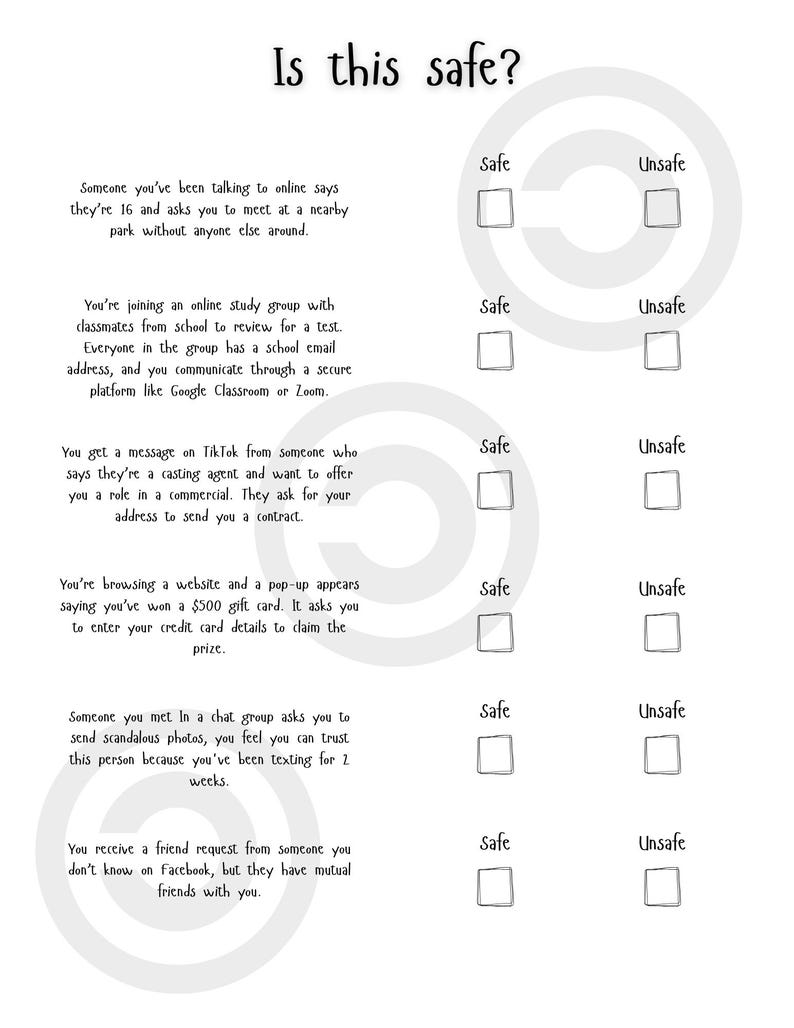
The free printable role play games internet safety teenagers workshop provides structured scenarios that mirror real-world digital dilemmas. Instead of simply dictating what not to do, this activity invites participants to act out common virtual interactions, such as receiving messages from unfamiliar accounts or deciding whether to share a pet’s name in a public forum. It sounds simple, and that’s the point. Physical enactment helps cement cognitive lessons far better than reading a static list of internet rules. Here’s what makes this resource different: it focuses heavily on protective habits, including keeping personal information private, creating strong passwords, and pausing to think before sharing digital content. According to Common Sense Media, youth spend a significant portion of their waking hours interacting with media and digital platforms, making routine safety conversations essential. The workshop material specifically addresses the emotional impulse to react quickly online, teaching participants to pause and evaluate situations before taking action. Through guided peer or adult-child interactions, participants practice the exact phrasing needed to set boundaries or exit uncomfortable situations immediately.
Key Learning Outcomes
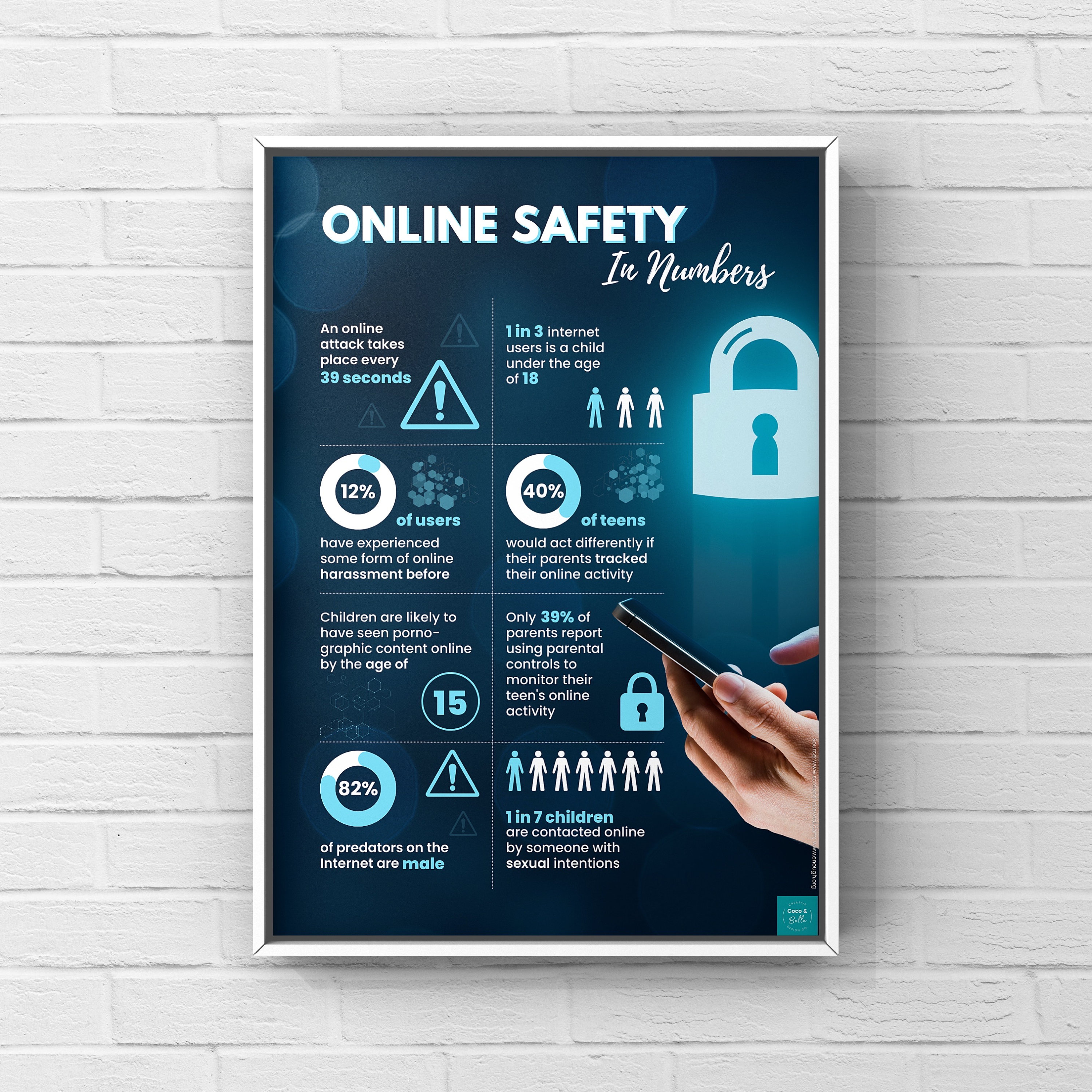
Every completed session targets specific behavioral milestones designed to foster digital resilience. Participants learn to recognize the subtle warning signs of peer pressure in chat rooms and multiplayer video games. A core tenet of the workshop is absolute transparency: children internalize the vital message that they are never in trouble for reporting something uncomfortable to a trusted adult. According to the Pew Research Center, a substantial number of teens and pre-teens encounter cyberbullying or unwanted contact, highlighting the urgent need for clear reporting pathways. Practicing these conversations in a low-stakes environment removes the fear of punishment or device confiscation. Furthermore, participants master the art of identifying safe information versus private data, such as home addresses and school names. Exploring these concepts through dynamic exercises reinforces the Internet and Digital Safety habits necessary for modern life. Success is measured by a child’s ability to identify a digital risk and articulate a safe response without hesitation.
How to Use This Printable
Implementing this workshop requires minimal preparation, making it ideal for busy classrooms, counseling sessions, or afternoon homeschool routines. Begin by printing out the scenario cards and reviewing the prompts independently to understand the flow of the activity. Pair learners together or take on a role alongside the child to model thoughtful decision-making. Read through a scenario card aloud, then pause to let the participant decide on the very first step they would take. Encourage them to explain the reasoning behind their choices rather than simply guessing the right answer. When looking for complementary material, incorporating Worksheets can further reinforce these exact same concepts through written reflection. Keep the atmosphere light, encouraging, and collaborative rather than judgmental or testing. Documenting key takeaways on a shared whiteboard or journal helps solidify the lessons learned during the role-play session. Consistency matters far more than perfection when building these long-term digital citizenship foundations.
Practical Tips for Parents and Teachers
Maximizing the impact of this workshop depends on establishing a culture of trust and open dialogue long before a digital mishap occurs. Schedule regular check-ins where discussing online experiences feels as normal as talking about school or sports. Avoid overreacting when mistakes happen, as a calm adult response ensures the child will continue coming forward in the future. Role-play the exact phrase used to close an app or walk away from a screen when something feels off. Integrating lessons from Online and Digital Safety frameworks helps maintain alignment with broader educational goals. Adults should also model healthy device habits, showing children how to navigate notifications and set personal boundaries with technology. Frame every mistake as a natural learning opportunity rather than a failure of character.
Age-Appropriate Recommendations
Tailoring these exercises to the developmental stage of the child ensures maximum comprehension and engagement. For younger elementary students, scenarios should focus on basic concepts like asking permission before downloading apps and keeping passwords secret from friends. Older children and early teens can handle more nuanced situations, such as managing digital drama, spotting misleading information, and evaluating online peer pressure. Utilizing the Common Sense Education Digital Citizenship Curriculum provides an excellent baseline for mapping these scenarios to specific developmental milestones. Educators find that breaking complex topics into bite-sized role-play sessions prevents cognitive overload and maintains interest. Keeping instructions clear and direct empowers children to take ownership of their digital well-being at every age.
Youth spend hours daily on digital platforms — Common Sense Media
Frequently Asked Questions
Accessing and implementing these educational tools is designed to be straightforward for any educator or caregiver. The questions below address common inquiries regarding downloads, learning outcomes, and organizational standards. Each answer provides actionable guidance to help adults make the most of the available materials in homes and classrooms.
Explore More Free Kids Online Safety Printables
Expanding a digital citizenship curriculum involves utilizing a diverse array of complementary printables and educational resources. Pair these scenario workshops with creative tools like Coloring Pages to engage younger learners in foundational safety discussions. Every additional resource reinforces critical thinking, helping children navigate the digital landscape with confidence, awareness, and resilience.
Developmental Milestone & Activity Table
| Development Stage | Recommended Daily Duration | Primary Learning Objective |
|---|---|---|
| Preschool & Pre-K | 10 – 15 Minutes | Pencil grip development & basic pre-stroke lines |
| Kindergarten | 15 – 20 Minutes | Letter/number formation & spatial line awareness |
| Early Elementary (Grade 1–2) | 20 – 30 Minutes | Fluency, sentence construction & neatness |
Images References