Introduction
The digital landscape offers immense opportunities for learning and connection, yet it also presents unique challenges, particularly for young users. Equipping children with essential internet safety skills from an early age is paramount. A foundational resource for elementary education is the “phishing awareness worksheet for grade 4,” designed to introduce crucial concepts in a digestible, engaging format. This worksheet directly addresses the common online threat of phishing, reinforcing protective behaviors through hands-on, printable learning. Educators and parents consistently rely on printable worksheets as trusted pedagogical tools; their tangible nature supports focused attention, aids in knowledge retention, and provides a clear, structured path for building digital awareness and fostering responsible online behavior. Such resources demonstrate a commitment to proactive digital citizenship education, preparing young learners for safe online interactions.
💡 Educational Key Takeaways:
- Core Skill: Structured Phishing Awareness Worksheet For Grade 4 focused on developing pencil grip, stroke control, and early literacy/math confidence.
- Target Scope: Suited for homeschoolers, preschool, kindergarten, and elementary learners.
- Best Recommendation: Practice 10–15 minutes daily with ergonomic writing tools to reinforce muscle memory without hand fatigue.
What This Worksheet Covers
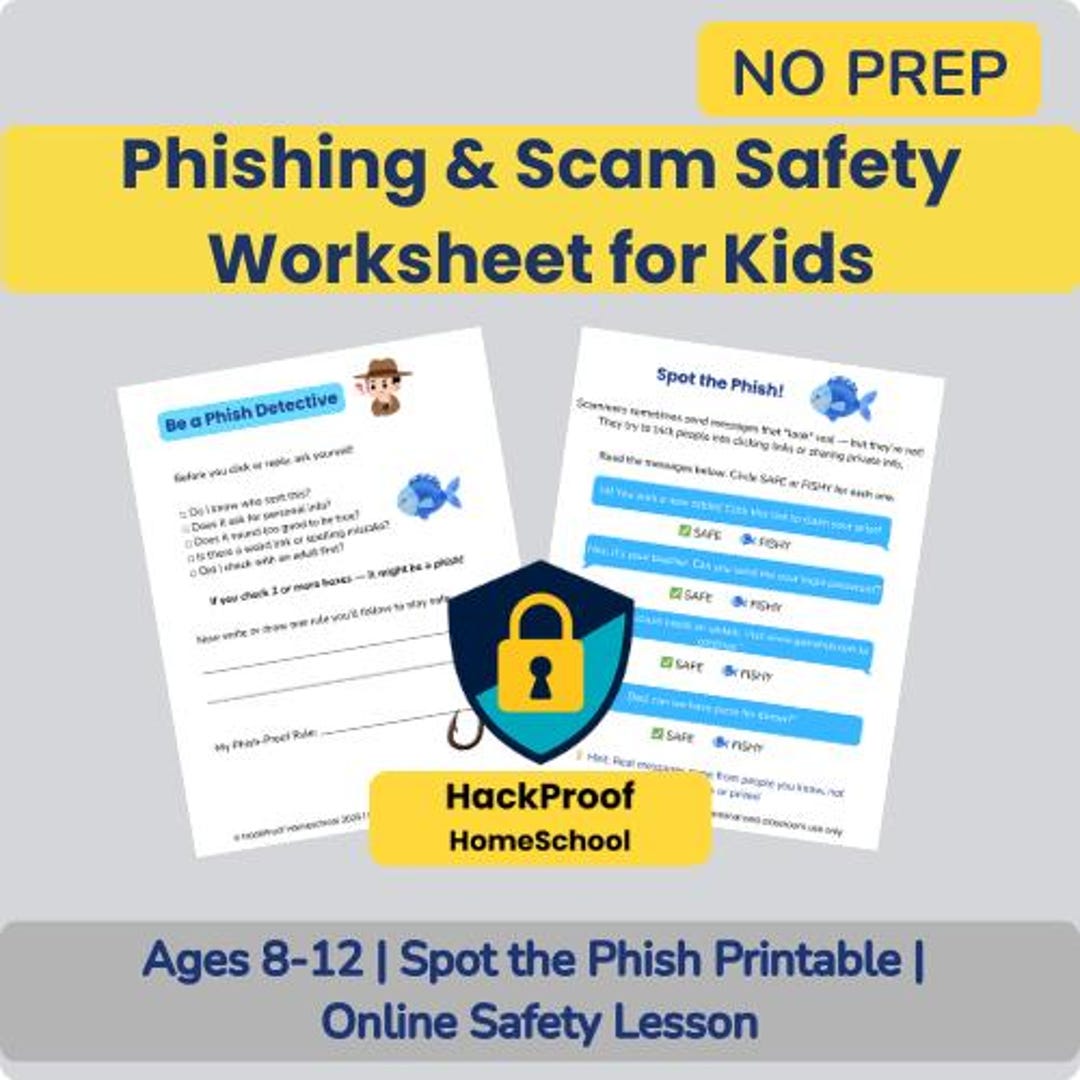
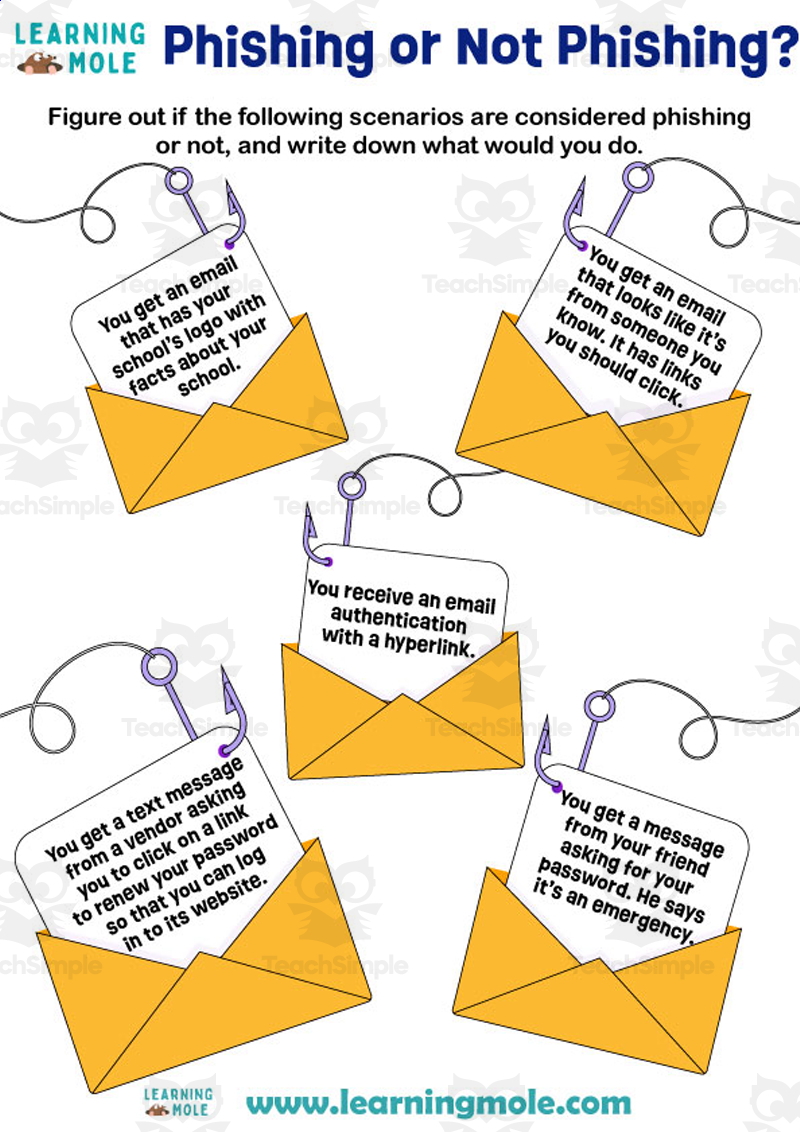
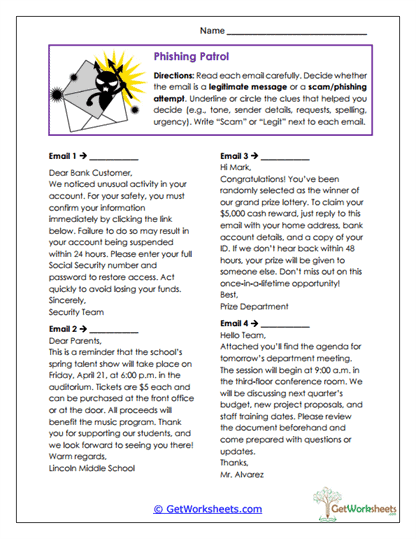
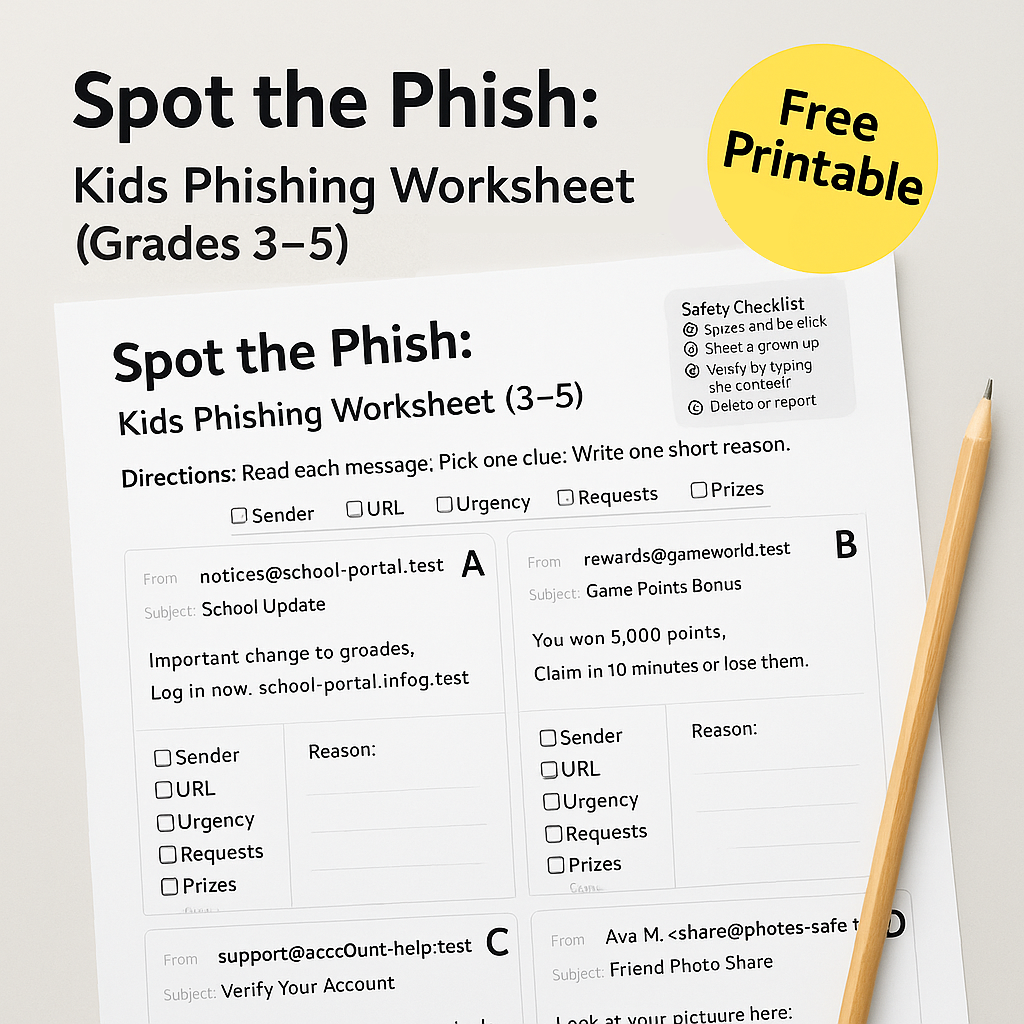
This “phishing awareness worksheet for grade 4″ specifically targets the critical internet safety topic of phishing scams. Phishing involves deceptive attempts to trick individuals into revealing sensitive information, often through fraudulent emails, messages, or websites. The worksheet introduces grade 4 students to the fundamental characteristics of phishing attempts. Content covers identifying suspicious sender addresses, recognizing unusual grammar or spelling errors, understanding the urgency often conveyed in scam messages, and spotting requests for personal data like passwords or bank details. Scenarios on the worksheet illustrate common phishing tactics, helping students differentiate between legitimate communications and malicious solicitations. This content directly aligns with recognized digital citizenship standards, emphasizing critical thinking, media literacy, and the importance of verifying information sources before taking action online. The resource encourages students to adopt a cautious approach to unsolicited digital communication, building a foundation for safer online habits.
Key Learning Outcomes
Completion of this worksheet will develop several vital digital safety skills and knowledge areas:
- Ability to recognize common indicators of a phishing attempt, such as suspicious links or requests for personal information.
- Understanding the importance of not clicking on unverified links or opening attachments from unknown senders.
- Knowledge of the appropriate steps to take when encountering a suspicious message, including informing a trusted adult.
- Development of critical evaluation skills when receiving digital communications.
- Reinforcement of the principle to always “Stop, Think, and Ask” before responding to unfamiliar online prompts.
How to Use This Worksheet
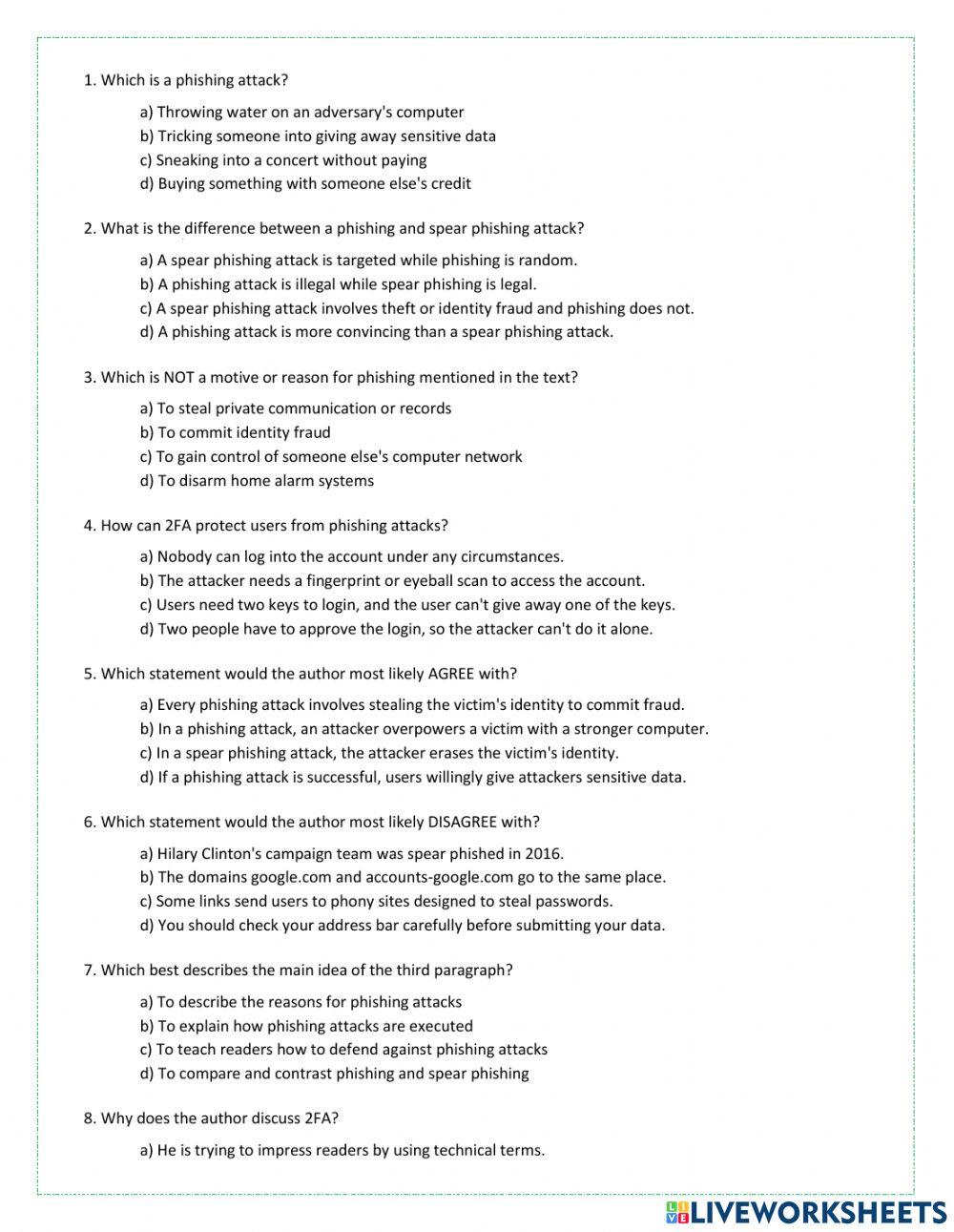
The “phishing awareness worksheet for grade 4” offers versatile application for both classroom and home learning environments. Its format typically includes a mix of activity types tailored for elementary-aged children, such as matching scenarios to appropriate responses, true/false questions about safe online practices, fill-in-the-blank exercises to reinforce key vocabulary, and simple drawing prompts that encourage creative expression of safe vs. unsafe digital interactions. The difficulty level is carefully calibrated for a fourth-grade understanding, using clear, concise language and relatable examples. Instructions are designed to scaffold learning progressively, beginning with foundational concepts and moving towards practical application. This resource can function as a standalone activity to introduce or review phishing concepts, serve as an integral part of a broader digital safety lesson plan, or be assigned as homework to extend learning beyond the classroom. Its printable nature makes it accessible without requiring screen time, allowing for focused engagement. Browse more guides on Safe Wired Schools.
Practical Tips for Parents and Teachers
Maximizing the educational impact of the “phishing awareness worksheet for grade 4” involves thoughtful preparation and engagement:
- Pre-Worksheet Discussion: Initiate a brief conversation about what phishing is, using simple, age-appropriate analogies before distributing the worksheet.
- Real-World (Safe) Examples: Share anonymized examples of suspicious messages adults might receive, pointing out red flags without causing alarm.
- Interactive Facilitation: Encourage students to verbalize their thought process as they complete activities, fostering deeper understanding rather than just finding answers.
- Post-Completion Review: Dedicate time to collectively review answers and discuss the reasoning behind correct and incorrect choices, reinforcing key takeaways.
- Extend the Learning: Suggest role-playing scenarios where children practice telling an adult about a suspicious message, building confidence in their response.
Age-Appropriate Recommendations
Utilizing the “phishing awareness worksheet for grade 4” effectively requires consideration of the learner’s developmental stage. For Ages 6-10 (Elementary Grades, including Grade 4), this worksheet is optimally suited. Direct adult supervision or guidance is highly recommended to clarify vocabulary, discuss complex scenarios, and ensure comprehension. Activity pacing should be flexible, allowing children to work at their own speed, with opportunities for questions and breaks. Emphasis should be placed on visual cues and concrete examples rather than abstract definitions. For Ages 3-5 (Preschool/Kindergarten), the specific concepts of phishing are generally too advanced. Focus for this age group should instead be on fundamental safety messages, such as always asking a trusted adult before clicking anything online or interacting with strangers. For Ages 11-18 (Middle/High School), the worksheet can serve as a quick review of foundational phishing concepts. Older students may then delve into more sophisticated scam types, including social engineering, smishing (SMS phishing), and vishing (voice phishing), with less direct adult involvement and more independent research or group discussion. The core message of vigilance remains consistent across all age bands, adapted to their respective cognitive abilities.
Frequently Asked Questions
Q: What exactly is phishing?
A: Phishing is a type of online scam where attackers attempt to trick individuals into revealing sensitive personal information, such as passwords, credit card numbers, or social security details. This is typically done through deceptive emails, text messages, or websites that appear legitimate.
Q: How does this worksheet help Grade 4 students?
A: The worksheet introduces Grade 4 students to the concept of phishing through age-appropriate activities and scenarios. It teaches them to identify common red flags in suspicious messages and encourages them to seek help from a trusted adult, building essential critical thinking and protective habits.
Q: Where can this free worksheet be downloaded?
A: The “phishing awareness worksheet for grade 4” is available for free download directly from the SafeWiredSchools.org website. Navigate to the worksheets section to access and print this valuable educational resource.
Explore More Free Printable Worksheets
While the “phishing awareness worksheet for grade 4” provides a focused approach to a critical online threat, comprehensive digital safety education benefits from a consistent and varied learning routine. A single worksheet functions best as part of a broader collection of printable resources. Educators and parents are encouraged to explore the full array of free printable internet safety worksheets, activity sheets, checklists, quizzes, and more at SafeWiredSchools.org Worksheets. This extensive library covers every essential internet safety topic, designed for every grade level and suitable for various learning environments, ensuring a well-rounded and reinforced approach to digital citizenship.
Developmental Milestone & Activity Table
| Development Stage | Recommended Daily Duration | Primary Learning Objective |
|---|---|---|
| Preschool & Pre-K | 10 – 15 Minutes | Pencil grip development & basic pre-stroke lines |
| Kindergarten | 15 – 20 Minutes | Letter/number formation & spatial line awareness |
| Early Elementary (Grade 1–2) | 20 – 30 Minutes | Fluency, sentence construction & neatness |
Images References