

Introduction
The “online safety pledge for kids” resource is primarily designed for Elementary grades 1-5 and Middle School grades 6-8, offering foundational digital safety principles with adaptability for High School students. This printable worksheet reinforces crucial internet safety concepts through a hands-on, engaging learning experience. Educators and parents consistently trust printable worksheets as invaluable tools for cultivating digital awareness and fostering responsible online behavior. These resources provide a tangible, focused activity that encourages active learning and personal commitment to safe online practices, making abstract digital concepts concrete and actionable for young learners. The integration of such materials into educational routines supports the development of informed and secure digital citizens from an early age.
💡 Educational Key Takeaways:
- Core Skill: Structured Online Safety Pledge For Kids focused on developing pencil grip, stroke control, and early literacy/math confidence.
- Target Scope: Suited for homeschoolers, preschool, kindergarten, and elementary learners.
- Best Recommendation: Practice 10–15 minutes daily with ergonomic writing tools to reinforce muscle memory without hand fatigue.
What This Worksheet Covers
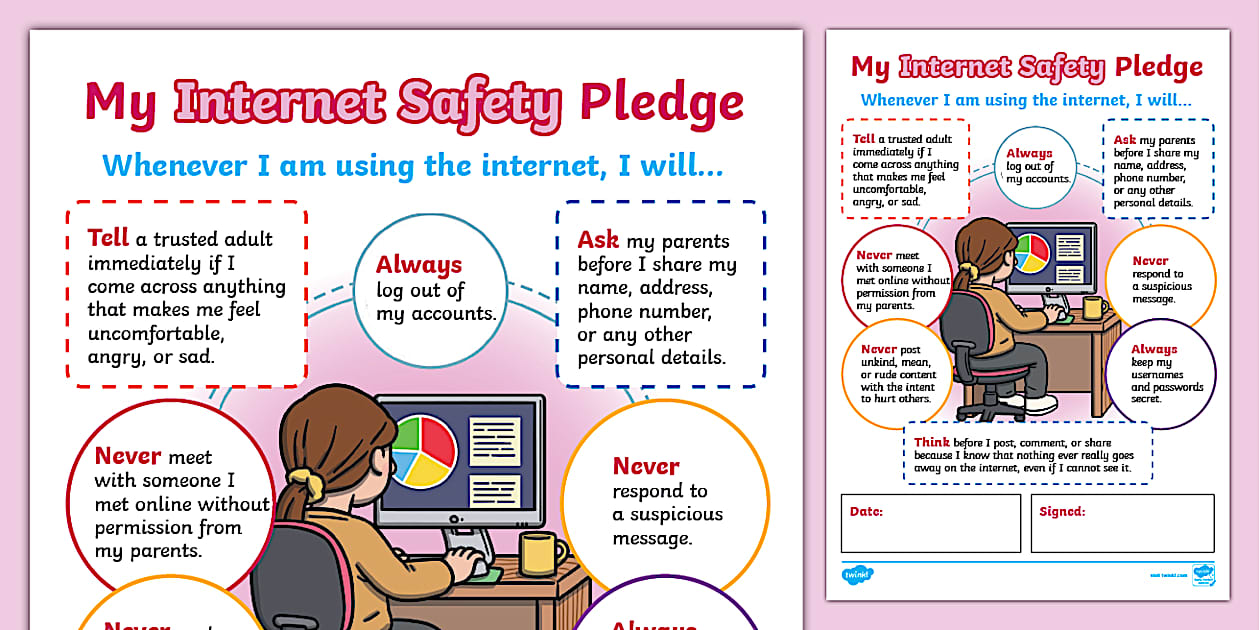
The “online safety pledge for kids” worksheet directly addresses the critical topic of personal accountability and ethical conduct in digital environments. It outlines fundamental principles of internet safety, encompassing safe interaction practices, the importance of privacy, recognizing and reporting suspicious content, and maintaining a positive online presence. Key concepts covered include never sharing personal information with strangers, understanding that not everything seen online is true, identifying appropriate content, and the necessity of seeking help from a trusted adult when encountering concerning situations. The worksheet’s content aligns with recognized digital citizenship and child safety education standards, promoting a proactive approach to navigating the complexities of the internet. It serves as a clear, concise guide for establishing core safety habits that are essential for today’s digital landscape.
Key Learning Outcomes
By completing the “online safety pledge for kids,” students and children will achieve several vital learning outcomes:
- Personal Responsibility Development: Learners will cultivate an understanding of their individual role in maintaining a safe online environment for themselves and others.
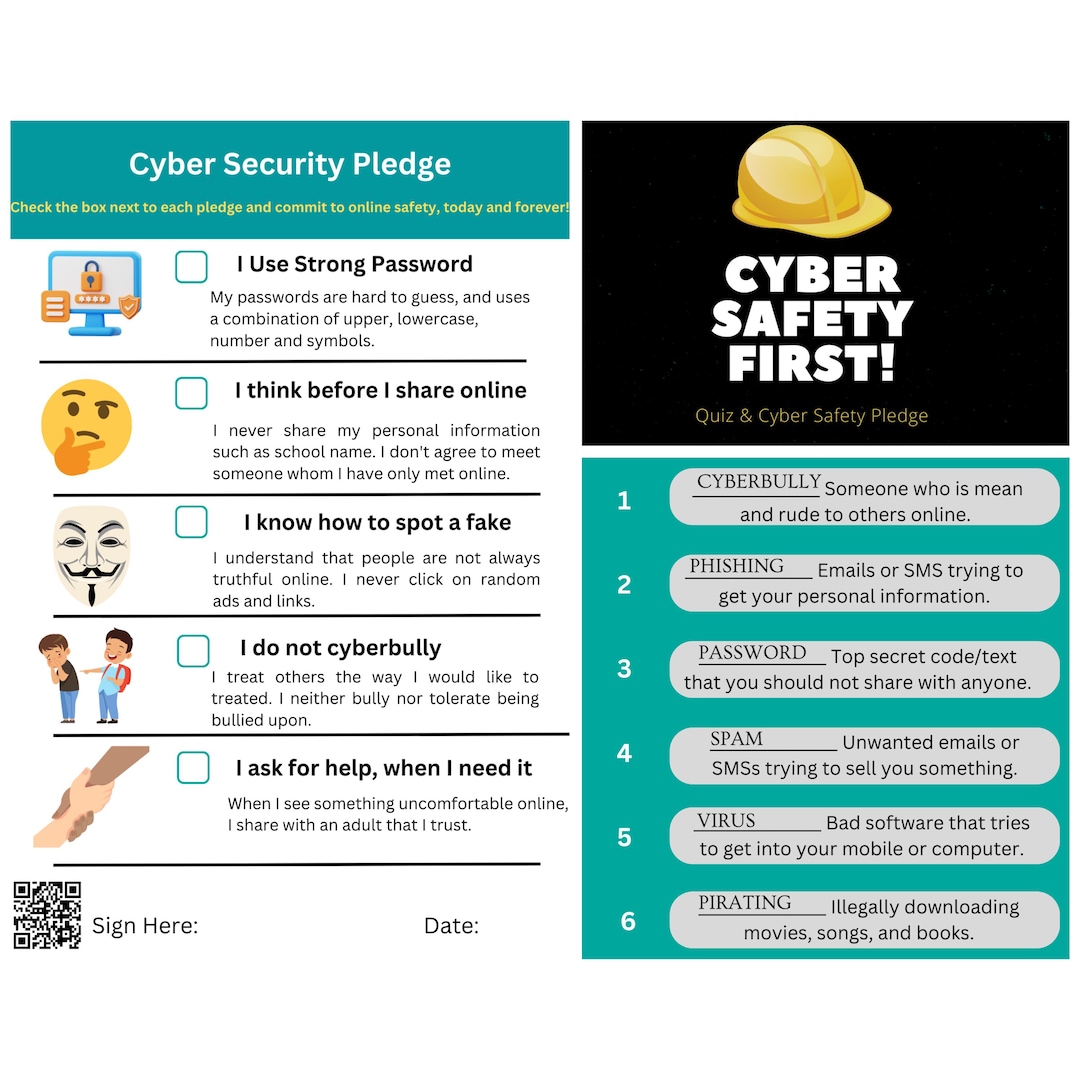
- Identification of Safe Practices: The worksheet helps children discern and commit to specific, actionable safe online behaviors, such as never sharing passwords or personal details.
- Empowerment through Help-Seeking: Students will recognize the critical importance of communicating with a trusted adult when faced with uncomfortable or unsafe online situations.
- Commitment to Digital Citizenship: The act of signing a pledge instills a sense of commitment to positive digital citizenship, encouraging ethical and respectful online interactions.
- Critical Thinking Foundations: Early learners begin to develop a foundational understanding of critical thinking regarding online content and interactions, questioning what they encounter.
How to Use This Worksheet
The “online safety pledge for kids” worksheet is designed for versatile application in both classroom and home settings. Its format typically includes clear statements regarding online safety, followed by spaces for reflection or a signature, solidifying a personal commitment. The difficulty level is accessible, making it suitable for a broad age range with appropriate guidance. Instructions are straightforward, often scaffolding learning by presenting concepts in an easy-to-understand manner. This resource functions effectively as a standalone activity to initiate discussions on digital safety, or it can be integrated as a foundational component within a broader lesson plan on digital citizenship. Furthermore, assigning the pledge as homework provides an opportunity for family engagement, extending learning beyond the classroom and reinforcing safe practices within the home environment. Browse more guides on Safe Wired Schools.
Practical Tips for Parents and Teachers
- Pre-Activity Discussion: Before completing the pledge, initiate a brief discussion about what an “online safety pledge” means and why making a commitment to safety is important. Explore existing knowledge about internet safety rules.
- Guided Completion and Clarification: Facilitate the completion of the pledge by reading each statement aloud and pausing to clarify any unfamiliar vocabulary or concepts. Encourage questions and provide simple, direct answers.
- Post-Pledge Reflection: After the pledge is signed, engage in a reflective conversation. Ask children what specific parts of the pledge resonate most with them or what new safety practices they plan to implement.
- Visual Reinforcement: Encourage displaying the signed pledge in a prominent location at home or in the classroom. This serves as a constant visual reminder of the agreed-upon safety commitments.
- Scenario-Based Extension: Extend the learning by presenting hypothetical online scenarios. Ask children how the principles from their pledge would guide their actions in those situations, fostering practical application.
Age-Appropriate Recommendations
Implementing the “online safety pledge for kids” effectively requires tailoring the approach to different age groups, ensuring maximum comprehension and impact.
Ages 58 (Early Elementary): For younger learners, the worksheet should be introduced with significant adult guidance. Vocabulary support is crucial; simplify complex terms and use relatable examples from daily life. Pacing should be slow, allowing ample time for discussion on each statement. Consider reading the pledge aloud line by line, explaining each concept in detail and encouraging children to draw pictures related to the safety rules. Parental or teacher involvement should be high, making the activity a shared learning experience rather than an independent task.
Ages 912 (Late Elementary/Early Middle School): Children in this age group can engage with the pledge more independently, though initial guidance remains beneficial. Discussions should focus on understanding the “why” behind each rule, exploring potential consequences of unsafe actions. Vocabulary can be slightly more advanced, with opportunities for students to define terms in their own words. The activity can be paced more quickly, allowing for deeper discussions on specific scenarios. Adult involvement can transition to facilitation, encouraging critical thinking and peer discussion.
Ages 1318 (Middle/High School – Adaptable): While primarily designed for younger ages, the “online safety pledge for kids” can be adapted for older students as a foundational review or a springboard for deeper discussions on digital ethics and responsibility. The language can be reframed to address more complex issues like cyberbullying, digital footprint, and media literacy. The pledge can initiate conversations about personal branding, online reputation, and the legal implications of online actions. Adult involvement shifts to a mentorship role, guiding students to connect the pledge’s principles to real-world digital dilemmas and fostering self-directed learning.
Frequently Asked Questions
Q: What is the primary purpose of an online safety pledge?
A: An online safety pledge serves as a formal commitment by children to follow established rules and best practices for safe internet use. It helps reinforce positive digital habits and personal responsibility.
Q: How does the “online safety pledge for kids” support broader digital citizenship education?
A: This pledge is a foundational component of digital citizenship, emphasizing respectful, responsible, and safe online behavior. It instills core values that contribute to a positive and secure digital community.
Q: How can the “online safety pledge for kids” worksheet be accessed?
A: The “online safety pledge for kids” worksheet is available as a free printable resource. It can be easily downloaded directly from the safewiredschools.org website’s dedicated worksheets section.
Explore More Free Printable Worksheets
A single resource, while valuable, works best as part of a comprehensive and consistent digital safety learning routine. The “online safety pledge for kids” is an excellent starting point, but sustained learning requires ongoing engagement with diverse educational materials. Educators and parents are invited to explore a full collection of free printable internet safety worksheets, activity sheets, checklists, quizzes, and more at SafeWiredSchools.org Worksheets. This extensive library covers every essential internet safety topic and is meticulously designed for every grade level and learning environment, ensuring a continuous and enriching educational journey in digital safety.
Visual Reference Gallery


Developmental Milestone & Activity Table
| Development Stage | Recommended Daily Duration | Primary Learning Objective |
|---|---|---|
| Preschool & Pre-K | 10 – 15 Minutes | Pencil grip development & basic pre-stroke lines |
| Kindergarten | 15 – 20 Minutes | Letter/number formation & spatial line awareness |
| Early Elementary (Grade 1–2) | 20 – 30 Minutes | Fluency, sentence construction & neatness |


