Introduction
Online safety games for kids offer a foundational approach to digital literacy, applicable from early childhood through adolescence. These interactive tools play a crucial role in developing essential digital awareness, fostering responsible online behavior, and ensuring personal safety across various online platforms. Internet safety education stands as a trusted priority for educators, parents, and schools globally. Comprehensive digital education prepares young people to engage with technology safely and confidently, establishing a secure framework for lifelong digital citizenship. Explore more in our Internet and Digital Safety category.
💡 Educational Key Takeaways:
- Core Skill: Structured Online Safety Games For Kids focused on developing pencil grip, stroke control, and early literacy/math confidence.
- Target Scope: Suited for homeschoolers, preschool, kindergarten, and elementary learners.
- Best Recommendation: Practice 10–15 minutes daily with ergonomic writing tools to reinforce muscle memory without hand fatigue.
Why This Topic Matters
Interactive online safety games provide specific, measurable learning benefits for young digital citizens. Engagement with these resources cultivates critical thinking skills, enabling learners to evaluate online content and recognize potential dangers effectively. Participants develop an acute awareness of various risks, including cyberbullying, online predators, and privacy breaches. Consistent play builds essential safe digital habits, such as creating strong passwords, managing privacy settings, and understanding appropriate content sharing. Ultimately, these activities foster responsible internet use, emphasizing a positive digital footprint and ethical online communication. These crucial outcomes align directly with established digital citizenship frameworks and key child development milestones, preparing individuals for a secure and productive digital future. Related guide: 5 Cyber Safety Tips Symbols That Can Be Read By The Grede 7 Students.
Key Concepts and Teaching Strategies
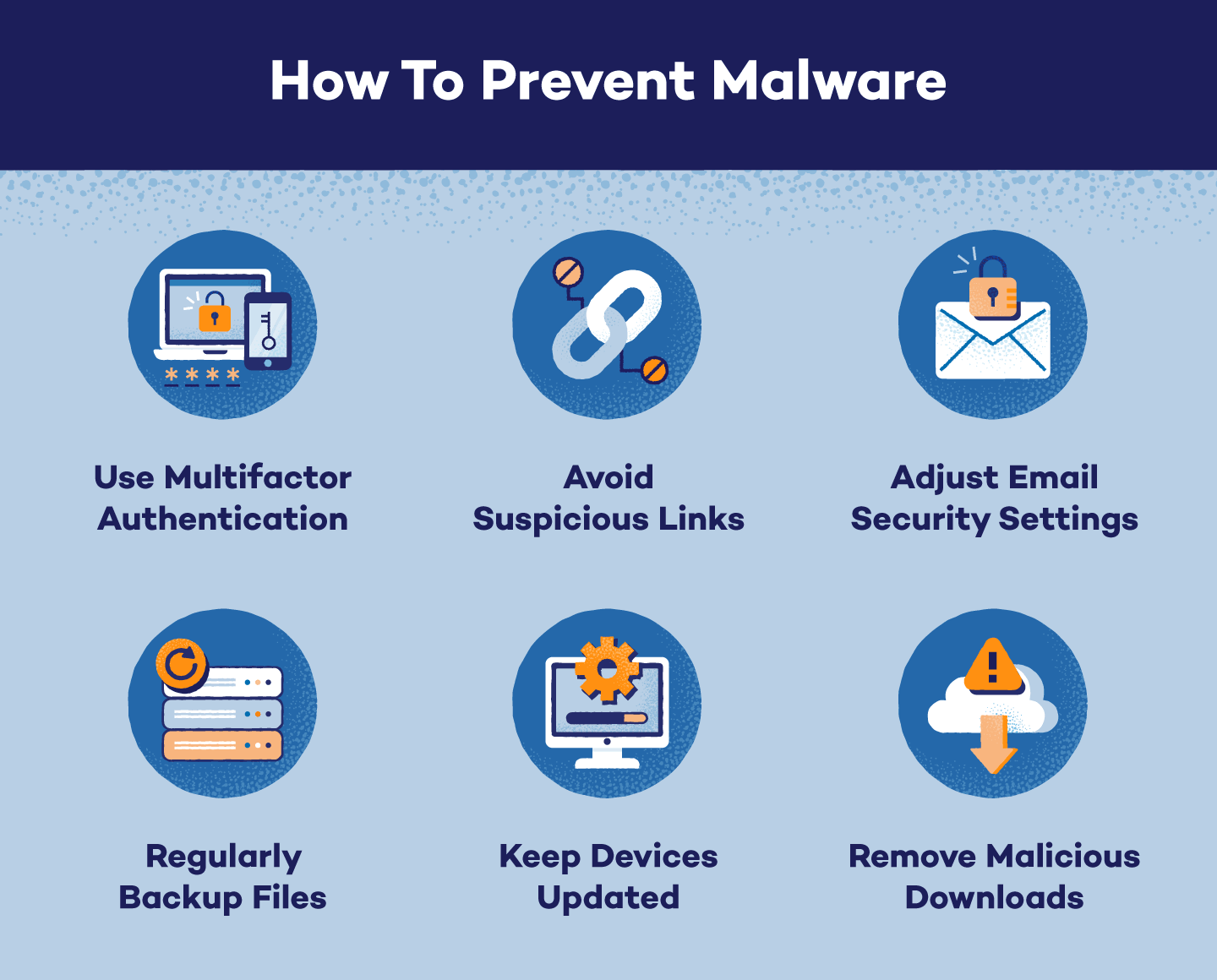
Online safety games effectively introduce and reinforce core concepts vital for digital security. These include fundamental online rules, practical safety tips like creating strong passwords, and identifying warning signs such as phishing attempts or suspicious links. Games present real-life scenarios, allowing children to practice safe interactions and make informed decisions in a controlled environment. Age-appropriate strategies, including understanding reporting mechanisms and blocking unwanted contacts, are progressively introduced. Educators and parents can scaffold learning by starting with basic concepts for younger children and advancing to complex topics for older students. Practical classroom activities include guided game sessions, group discussions about digital dilemmas, and role-playing potential online situations. At home, families can engage in joint gameplay, establish regular digital check-ins, and create shared family media plans. Discussion prompts like ‘What should be done if an unfamiliar message arrives?’ or ‘How can one verify online information?’ encourage critical thinking and open communication. Browse more guides on Safe Wired Schools.
Explore More Resources
Sustained engagement with online safety education remains crucial for navigating the evolving digital landscape. The principles learned through interactive games form the bedrock of a consistent digital safety learning routine. Continued development of these essential skills ensures individuals maintain secure and responsible online presences throughout their lives. Educators and parents are encouraged to explore additional internet safety resources, comprehensive guides, and printable materials available at safewiredschools.org. These resources support ongoing skill development and foster a culture of proactive digital safety within both educational institutions and homes.
Developmental Milestone & Activity Table
| Development Stage | Recommended Daily Duration | Primary Learning Objective |
|---|---|---|
| Preschool & Pre-K | 10 – 15 Minutes | Pencil grip development & basic pre-stroke lines |
| Kindergarten | 15 – 20 Minutes | Letter/number formation & spatial line awareness |
| Early Elementary (Grade 1–2) | 20 – 30 Minutes | Fluency, sentence construction & neatness |