Introduction
Young learners navigate digital spaces long before they master reading. Tablets, shared family devices, and interactive streaming platforms become familiar territory during early childhood. This reality calls for proactive digital citizenship tools that meet very young children at their developmental level. Using a structured approach like kindergarten internet safety worksheets transforms abstract digital concepts into tangible lessons. Adults often worry about introducing these topics too early. Instead of provoking anxiety, early education focuses on building healthy protective habits through simple, positive routines. Classrooms and living rooms serve as ideal starting points for establishing safe online behaviors.
💡 Educational Key Takeaways:
- Core Skill: Structured Kindergarten Internet Safety focused on developing pencil grip, stroke control, and early literacy/math confidence.
- Target Scope: Suited for homeschoolers, preschool, kindergarten, and elementary learners.
- Best Recommendation: Practice 10–15 minutes daily with ergonomic writing tools to reinforce muscle memory without hand fatigue.
What This Printable Covers
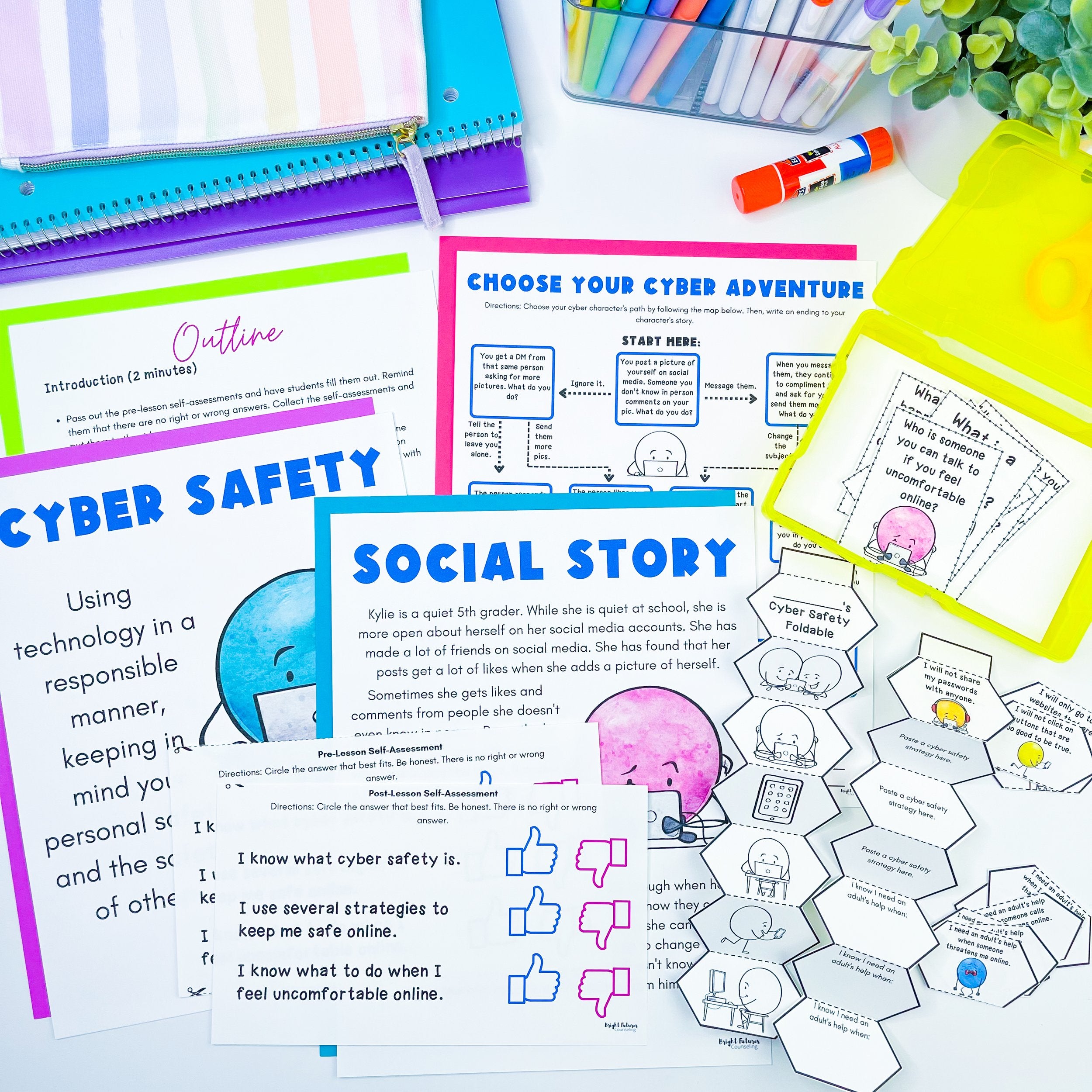
The free printable focuses on foundational protective habits suited for early childhood learners. Coloring reinforces safety messages while keeping young minds engaged and calm. Children frequently encounter online risks through shared family devices or innocent taps on video platform recommendations. As little fingers explore touchscreens, distinguishing between safe content and unexpected surprises requires gentle guidance. This resource introduces core rules about keeping personal information private, recognizing when to step away from a screen, and identifying trusted adults to consult. It sounds simple, and that is precisely the point. Children absorb these lessons best when concepts remain concrete, relatable, and free of fear-based warnings. Related guide: 5 Cyber Safety Tips Symbols That Can Be Read By The Grede 7 Students.
Key Learning Outcomes
Working through the activity sheet helps children connect physical boundaries to digital spaces. According to Common Sense Media, young children spend significant time interacting with media daily, making early digital literacy essential. Learners practice identifying what constitutes private information, such as full names, home addresses, and family schedules. Another major focus teaches children that they are never in trouble for reporting something uncomfortable or confusing online. This reassurance builds vital trust between the child and the supervising adult. Educators utilize these discussions to foster critical thinking, encouraging students to pause and ask questions before clicking unfamiliar buttons or downloading unexpected items.
How to Use This Printable
Implementation requires minimal preparation, making the resource flexible for both busy classrooms and kitchen tables. Adults can integrate the activity into a morning meeting, a technology center rotation, or a quiet afternoon session at home. Here is what makes this resource different: it relies on active participation rather than passive listening. As children color illustrations depicting safe device habits, facilitators prompt open-ended conversations about what happens on screen. Asking simple questions like “Who would you tell if a strange pop-up appeared?” sparks valuable dialogue. Exploring broader topics becomes natural when anchored by a physical piece of artwork the child creates themselves.
Practical Tips for Parents and Teachers
Consistency between school and home accelerates habit formation for early learners. Educators recommend pairing the printable with a visible household tech agreement near shared devices. Reinforcing core lessons during everyday screen time helps children apply abstract rules to real-world scenarios. Adults should maintain a calm, empowering tone, framing digital safety as a superpower rather than a restriction. Exploring related materials through structured Worksheets provides ongoing reinforcement throughout the school year. Praising children when they come forward with questions about online pop-ups cements the behavior and encourages future transparent communication.
Age-Appropriate Recommendations
Early childhood education principles dictate that abstract digital threats remain entirely absent from kindergarten instruction. Lessons align closely with the Common Sense Education Digital Citizenship Curriculum framework, emphasizing empathy, safety, and media balance. Children at age five or six learn best through visual aids, storytelling, and repeated positive reinforcement. According to Pew Research Center, a vast majority of parents with young children navigate shared device usage regularly, underscoring the need for family-friendly digital boundaries. Adults guide instruction by focusing exclusively on empowering habits, such as asking for permission, protecting personal details, and immediately involving a trusted adult when something feels unusual.
The vast majority of parents of young children report that their kids interact with digital devices regularly, highlighting the importance of early guidance — Pew Research Center
Frequently Asked Questions
How do parents and teachers download and print the resource? Simply click the download link provided on the page, save the PDF file to a local device, and print using standard paper settings for immediate classroom or home use.
How does this printable support early online safety learning? It utilizes engaging visual activities and coloring to introduce foundational concepts like privacy and trusted adults, helping children build healthy digital habits without fear.
What do organizations like the National Center for Missing & Exploited Children recommend for young internet users? According to the National Center for Missing & Exploited Children, adults should maintain open lines of communication and ensure children know they can report uncomfortable online encounters without fear of punishment.
Young children benefit most from digital safety lessons that emphasize trusted adult communication and basic personal privacy rules — National Center for Missing & Exploited Children
Explore More Free Kids Online Safety Printables
Expanding a digital citizenship curriculum takes more than a single activity sheet. Adults can discover a wide variety of engaging tools by browsing curated collections designed specifically for early learners. Delve deeper into foundational habits by exploring creative Coloring Pages that turn abstract rules into art. For broader lesson planning, additional resources within Internet and Digital Safety offer comprehensive support. Integrating diverse activities ensures children retain critical protective habits as they grow. Educators and caregivers can also find comprehensive lessons by visiting Online and Digital Safety to keep young learners secure across every digital environment.
Developmental Milestone & Activity Table
| Development Stage | Recommended Daily Duration | Primary Learning Objective |
|---|---|---|
| Preschool & Pre-K | 10 – 15 Minutes | Pencil grip development & basic pre-stroke lines |
| Kindergarten | 15 – 20 Minutes | Letter/number formation & spatial line awareness |
| Early Elementary (Grade 1–2) | 20 – 30 Minutes | Fluency, sentence construction & neatness |
Images References