Introduction
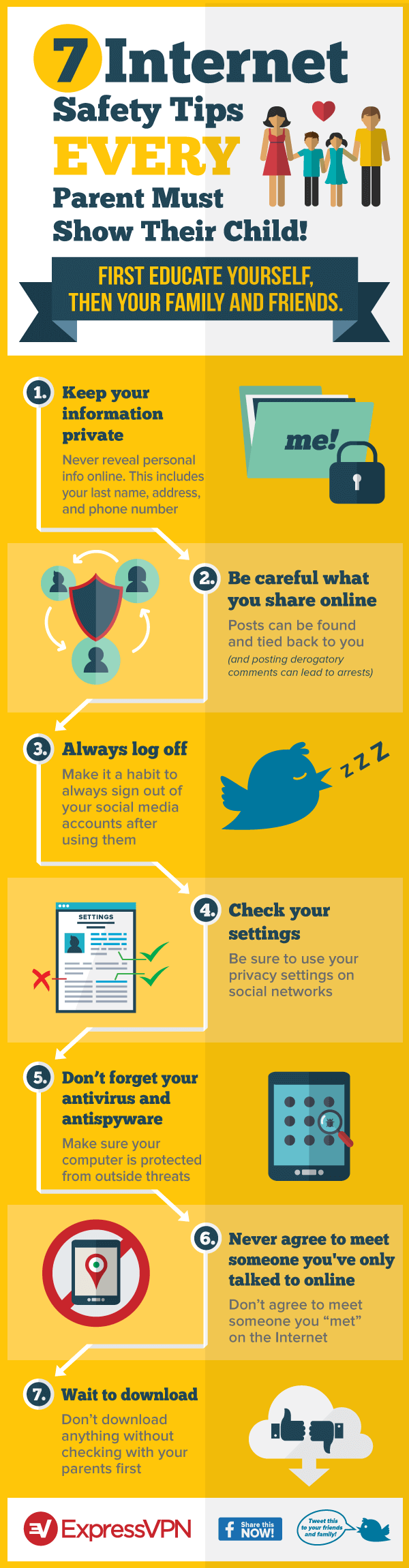
Providing internet safety tips for parents of toddlers addresses a crucial educational level: preschool, typically encompassing ages three to five. This early intervention is fundamental for establishing a robust foundation in digital awareness, fostering responsible online behavior, and ensuring personal safety within the digital landscape. Early exposure to digital devices necessitates proactive guidance from caregivers and educators alike. Internet safety education represents a trusted priority for schools, parents, and the broader educational community, ensuring children navigate the online world securely from the outset. Prioritizing these foundational concepts builds resilience and promotes healthy digital habits long-term. Explore more in our Internet and Digital Safety category.
💡 Educational Key Takeaways:
- Core Skill: Structured Internet Safety Tips For Parents Of Toddlers focused on developing pencil grip, stroke control, and early literacy/math confidence.
- Target Scope: Suited for homeschoolers, preschool, kindergarten, and elementary learners.
- Best Recommendation: Practice 10–15 minutes daily with ergonomic writing tools to reinforce muscle memory without hand fatigue.
Why This Topic Matters
Addressing internet safety for toddlers yields specific, measurable learning benefits that contribute significantly to a child’s overall development. Children begin cultivating critical thinking skills online, even through supervised play, by learning to differentiate appropriate content. Recognizing potential dangers becomes an intuitive process as consistent safety rules are reinforced. Building safe digital habits, such as understanding screen time limits and content boundaries, starts at a very young age. This early education lays the groundwork for developing responsible internet use throughout their academic careers. These benefits align directly with initial digital citizenship frameworks and key child development milestones related to impulse control and understanding rules. Related guide: Teachers Of Grades 9–12 Should Expand Internet Safety Instruction To Include Which Of The Following Topics?.
Key Concepts and Teaching Strategies
The core concepts covered in internet safety tips for parents of toddlers include establishing clear family rules, implementing practical tips for device usage, and identifying early warning signs of problematic content or interactions. Real-life scenarios, simplified for young minds, help illustrate potential risks. Age-appropriate strategies involve co-viewing content, using child-friendly applications, and employing parental control settings. Educators and parents can scaffold learning progressively; initial discussions might focus on asking permission before touching a screen, evolving into understanding “safe” versus “unsafe” content. Practical home-based approaches include creating designated screen-use areas, engaging in interactive conversations about on-screen activities, and modeling responsible digital behavior. Classroom activities for this age group might involve storytelling about digital characters making safe choices or using visual aids to represent online rules. Browse more guides on Safe Wired Schools.
Explore More Resources
Integrating internet safety education into daily routines reinforces its value as a consistent, ongoing learning process. Continuous development of digital safety skills is essential for all ages. Educators and parents are encouraged to explore additional internet safety resources, comprehensive guides, and printable materials available at safewiredschools.org. These valuable tools support continued skill development and foster a safer digital environment for every child.
Developmental Milestone & Activity Table
| Development Stage | Recommended Daily Duration | Primary Learning Objective |
|---|---|---|
| Preschool & Pre-K | 10 – 15 Minutes | Pencil grip development & basic pre-stroke lines |
| Kindergarten | 15 – 20 Minutes | Letter/number formation & spatial line awareness |
| Early Elementary (Grade 1–2) | 20 – 30 Minutes | Fluency, sentence construction & neatness |