Introduction
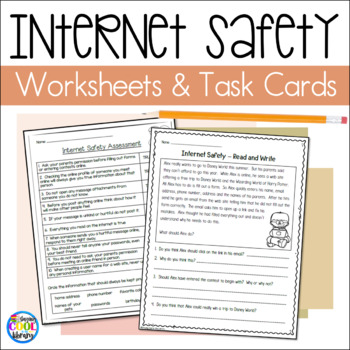
Grade 6 represents a crucial stage in a student’s digital development, falling within the early Middle School years. Internet safety for this age group establishes foundational digital awareness, promoting responsible online behavior and ensuring personal safety. This vital education equips young people with essential skills for navigating an increasingly interconnected world securely and ethically. Trusted educators, diligent parents, and dedicated school administrations consistently prioritize comprehensive digital safety instruction. It provides a robust framework for understanding digital interactions, fostering secure habits from an early age. Explore more in our Internet and Digital Safety category.
💡 Educational Key Takeaways:
- Core Skill: Structured Internet Safety For Grade 6 focused on developing pencil grip, stroke control, and early literacy/math confidence.
- Target Scope: Suited for homeschoolers, preschool, kindergarten, and elementary learners.
- Best Recommendation: Practice 10–15 minutes daily with ergonomic writing tools to reinforce muscle memory without hand fatigue.
Why This Topic Matters
Internet safety education for Grade 6 offers distinct, measurable learning advantages for young users. Students acquire enhanced critical thinking abilities for evaluating online content, discerning reliable information from misinformation. Recognition of various online dangers, such as phishing attempts, cyberbullying, or inappropriate material, improves significantly. The establishment of safe digital habits, including robust password creation, careful privacy setting management, and understanding reporting mechanisms, becomes a key outcome. Responsible internet use develops through an understanding of digital footprints and the cultivation of respectful communication practices. These competencies align directly with essential digital citizenship milestones, supporting healthy social-emotional development within an evolving digital landscape. Young learners gain confidence in making informed, safe online choices. Related guide: Teachers Of Grades 9–12 Should Expand Internet Safety Instruction To Include Which Of The Following Topics?.
Key Concepts and Teaching Strategies
Core internet safety concepts for Grade 6 encompass establishing clear online rules and boundaries for personal information sharing. Practical tips involve verifying information sources and considering consequences before posting content online. Recognition of specific warning signs, such as unexpected messages from strangers or requests for private data, forms a vital component of this learning. Real-life scenarios provide valuable opportunities for practicing safe decision-making and problem-solving in a simulated environment. Age-appropriate strategies ensure content relevance and comprehension tailored to this developmental stage. Educators and parents can progressively scaffold learning by introducing more complex topics and nuanced situations over time. Classroom activities might feature interactive discussions, collaborative problem-solving exercises, or digital citizenship projects. Home-based approaches involve establishing clear family digital agreements and fostering open dialogue about online experiences. Consistent reinforcement of these principles builds lasting, safe digital practices. Browse more guides on Safe Wired Schools.
Explore More Resources
Sustained engagement with digital safety learning routines holds immense value for young people and their families. Ongoing education ensures adaptability to evolving online environments and emerging digital challenges. Additional internet safety resources, comprehensive guides, and printable materials are readily available for all stakeholders. These tools support continued skill development and reinforce learned behaviors for a secure online presence. Educators and parents are encouraged to visit safewiredschools.org for further exploration. Access to diverse materials supports a comprehensive, proactive safety approach, empowering young users to thrive online.
Developmental Milestone & Activity Table
| Development Stage | Recommended Daily Duration | Primary Learning Objective |
|---|---|---|
| Preschool & Pre-K | 10 – 15 Minutes | Pencil grip development & basic pre-stroke lines |
| Kindergarten | 15 – 20 Minutes | Letter/number formation & spatial line awareness |
| Early Elementary (Grade 1–2) | 20 – 30 Minutes | Fluency, sentence construction & neatness |
Images References