Introduction
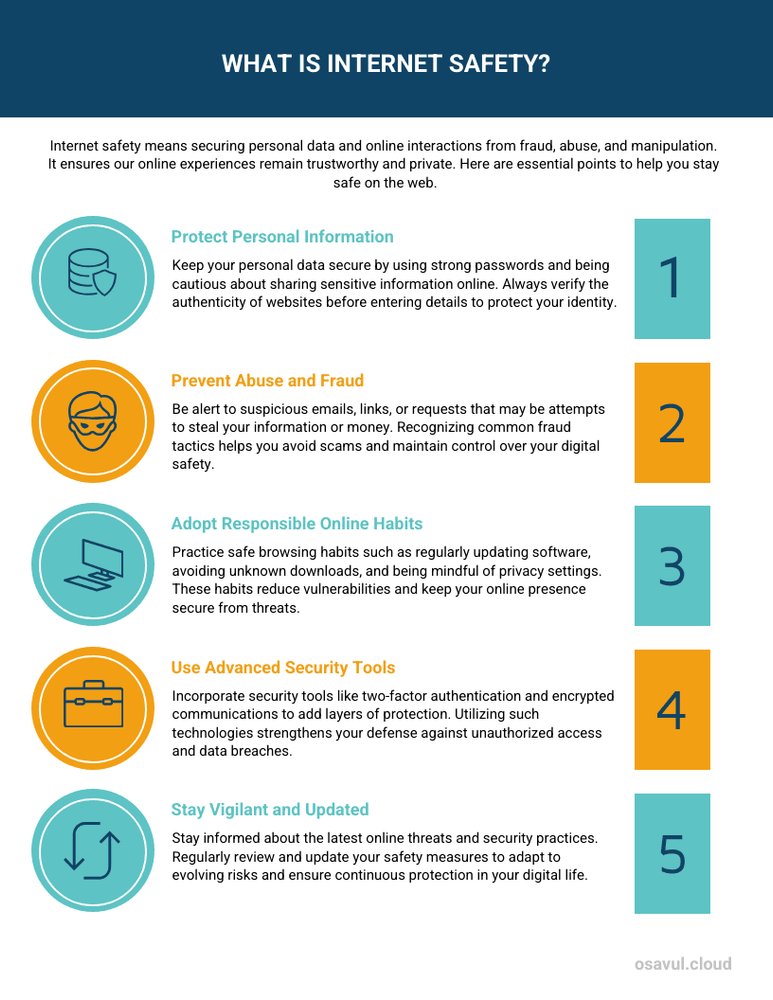
Internet safety and cyber awareness represent the systematic application of technical controls and behavioral standards designed to protect students from digital threats and ensure responsible online conduct. According to the Cybersecurity and Infrastructure Security Agency (CISA), effective digital safety requires a layered approach involving secure device configurations, frequent software updates, and the cultivation of critical thinking skills regarding online interactions. Establishing a secure environment within educational institutions prevents unauthorized data exposure and fosters a culture of accountability for both students and staff. Comprehensive guidance on these practices can be found within the Internet and Digital Safety archives.
Digital Safety Snapshot:
- Core Focus: Mitigation of digital risks through technical hygiene and informed online behavior.
- Target Scope: K-12 educational environments, including administrative systems and student-facing devices.
- Key Recommendation: Implementation of mandatory multi-factor authentication and regular digital footprint audits.
Core Principles and Detailed Overview
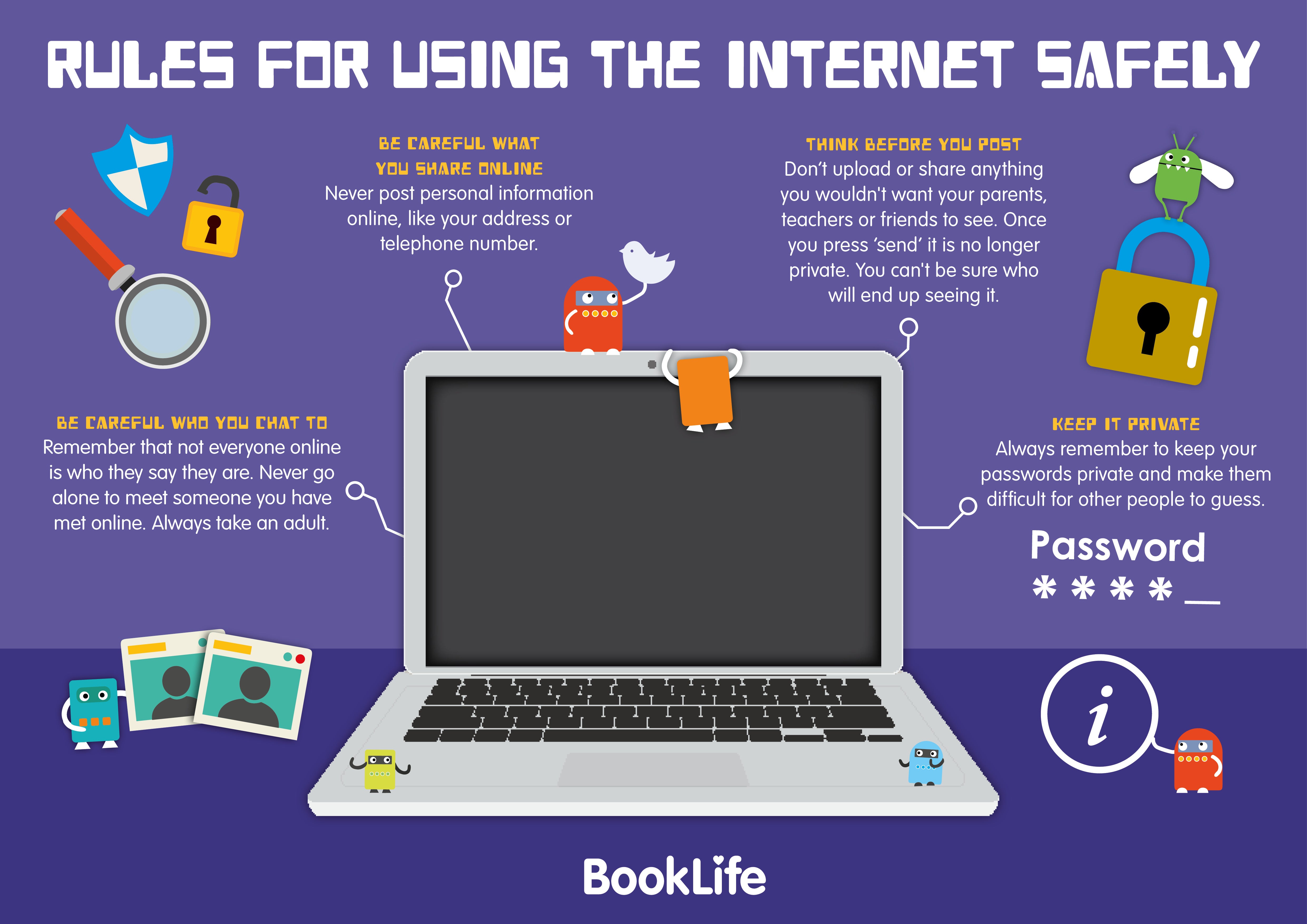
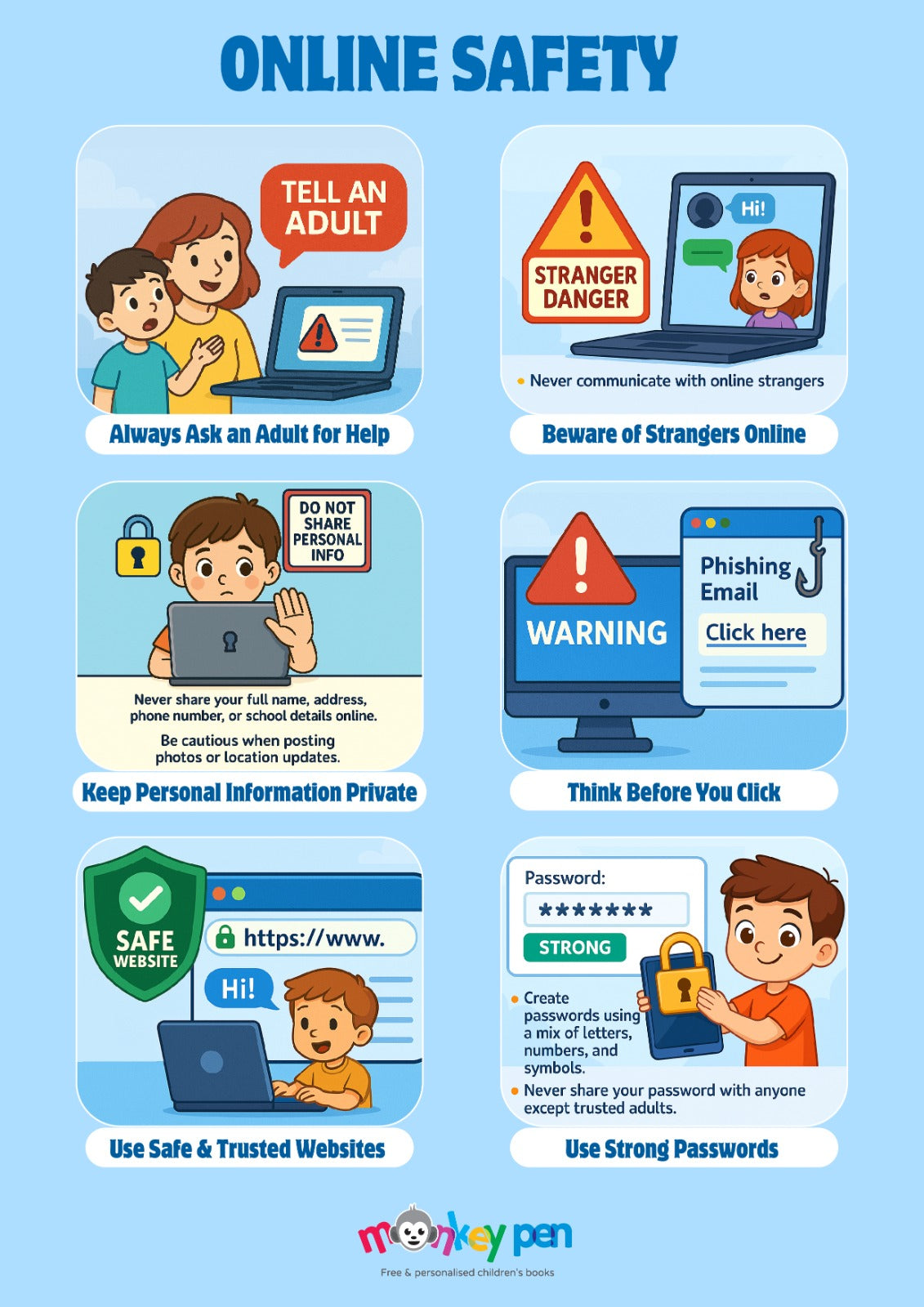
Digital safety relies on the consistent application of device hygiene, data privacy protocols, and the active prevention of cyberbullying to maintain a secure learning environment. Maintaining device hygiene involves regular firmware updates, the removal of unused applications, and the enforcement of strong, unique passwords across all school-issued hardware. A student’s digital footprint consists of every piece of data created, shared, or stored online, which persists long after initial posting; therefore, schools must prioritize education regarding the permanence of online actions. Cyberbullying prevention requires proactive monitoring systems, clear reporting pathways for students, and structured curricula that emphasize empathy and ethical digital communication. Classroom screen balance serves as a final pillar, ensuring that digital tools support pedagogical goals without compromising student focus or psychological well-being. For additional classroom resources, educators may refer to available Worksheets designed for student engagement.
Key Specifications and Breakdown
| Safety Pillar | Digital Risk Factor | Actionable Protective Habit |
|---|---|---|
| Device Hygiene | Outdated Security Patches | Automated weekly software updates |
| Digital Footprint | Permanent Data Exposure | Regular privacy setting audits |
| Cyberbullying | Anonymous Harassment | Documenting and reporting incidents |
Cybersecurity Best Practice: — Cybersecurity and Infrastructure Security Agency (CISA) recommends that all organizations implement multi-factor authentication to protect accounts even if credentials are compromised.
Step-by-Step Practical Application and Guidelines
Practical implementation of cyber awareness begins with the standardization of security protocols across all school-managed devices and networks. Administrators must mandate the use of virtual private networks for remote access and enforce strict content filtering to block malicious domains. Teachers should integrate digital citizenship lessons into existing curricula, focusing on the identification of phishing attempts and the importance of verifying sources before sharing information. Students are encouraged to utilize Online and Digital Safety materials to better understand how to manage personal privacy settings on common platforms. Finally, schools should conduct biannual digital safety audits to identify vulnerabilities in both hardware and human-centric workflows.
Common Challenges and How to Avoid Them
Inconsistent enforcement of digital policies remains the primary barrier to effective cyber awareness in modern educational settings. Failure to standardize security settings across student devices leads to inevitable gaps that malicious actors exploit. To mitigate this risk, schools must move away from ad-hoc solutions and adopt a unified management system that restricts administrative privileges and limits third-party data collection. Furthermore, ignoring the social-emotional aspects of cyberbullying often results in underreporting; therefore, creating anonymous, accessible reporting mechanisms is essential for maintaining a safe digital culture. Regular audits and consistent messaging ensure that safety protocols remain effective against evolving digital threats.
💬 Frequently Asked Questions
Explore More Kids Safety and Digital Citizenship Guides on SafeWiredSchools
Ongoing commitment to internet safety and cyber awareness requires access to updated, authoritative resources tailored for academic environments. Educators and parents are encouraged to browse the comprehensive library of materials available at Safe Wired Schools to support the development of resilient digital citizens.
Visual Reference Gallery