Introduction
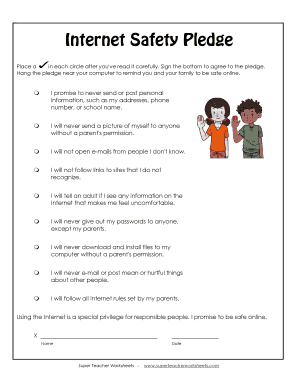
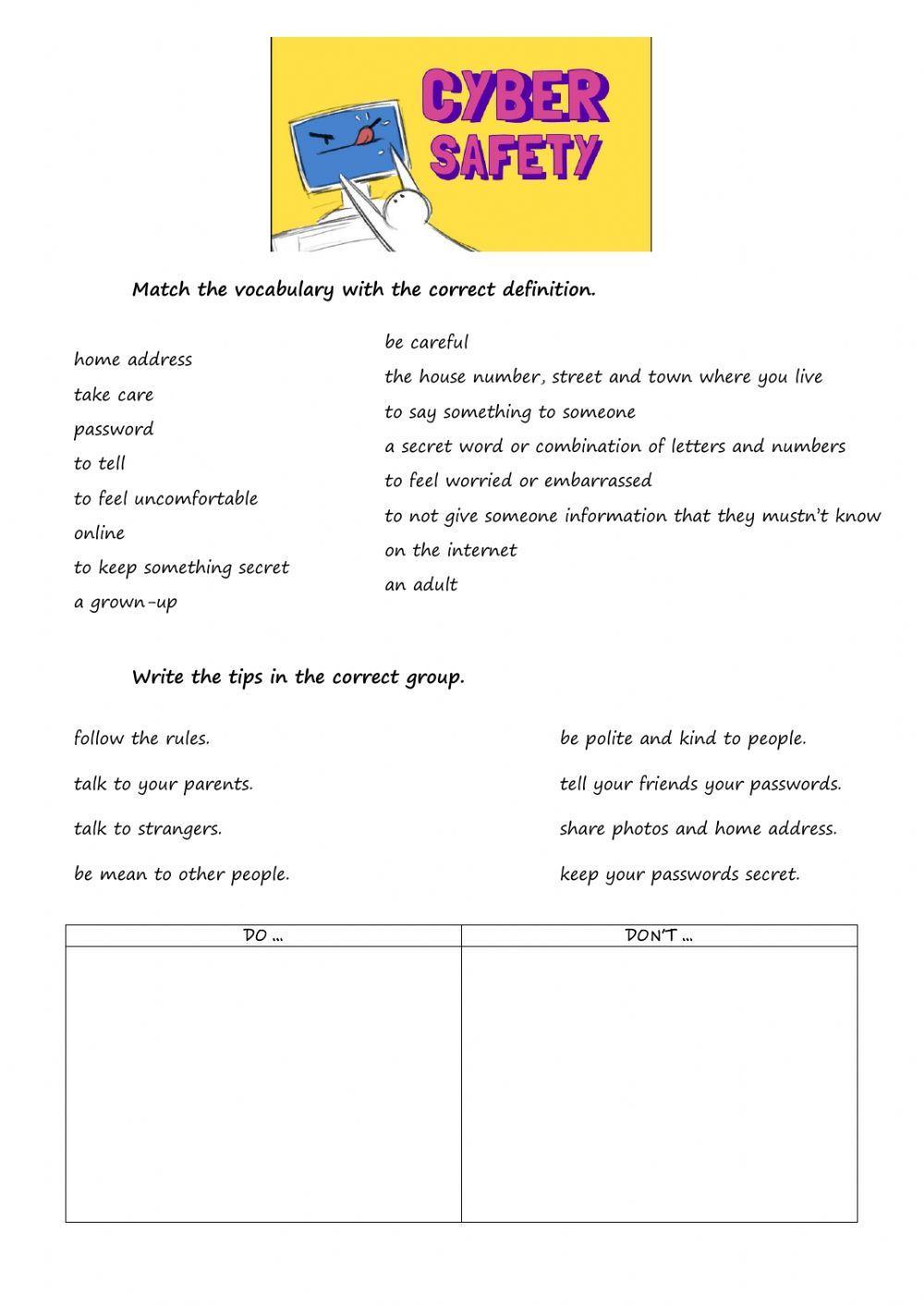
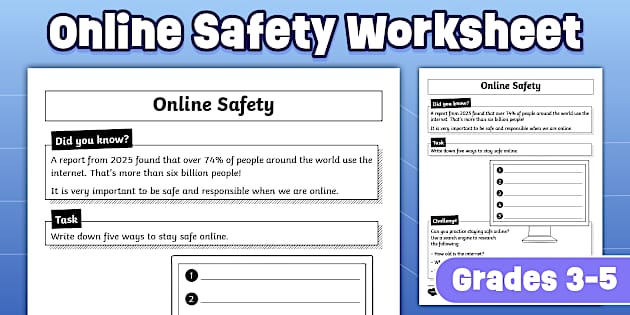
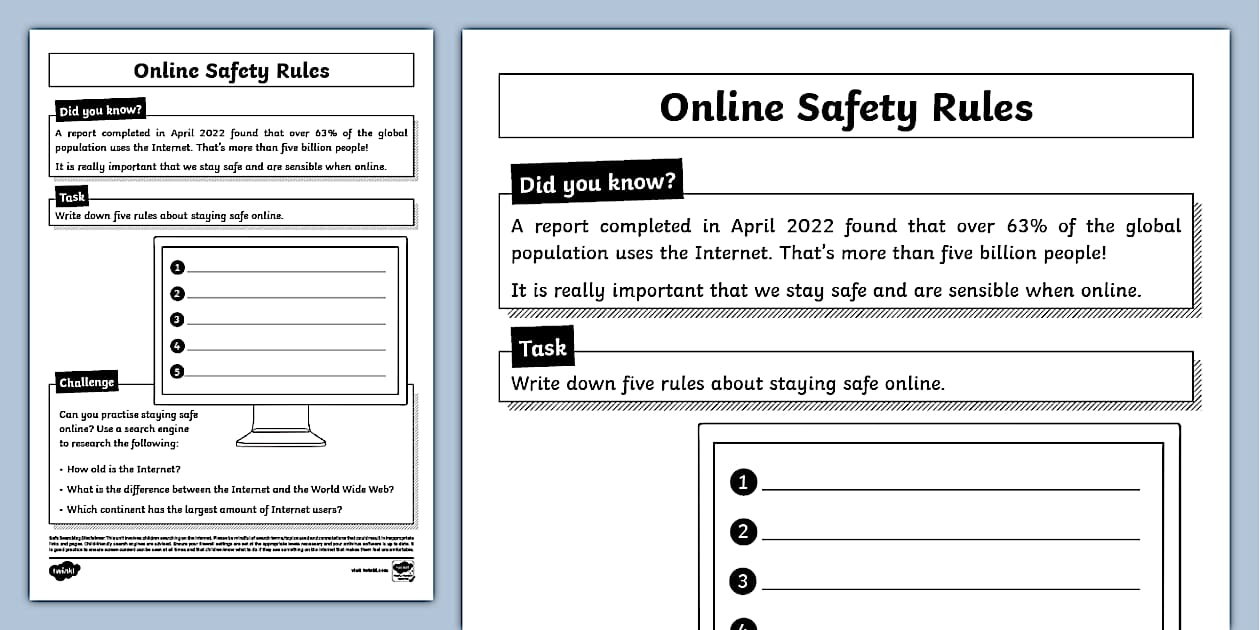
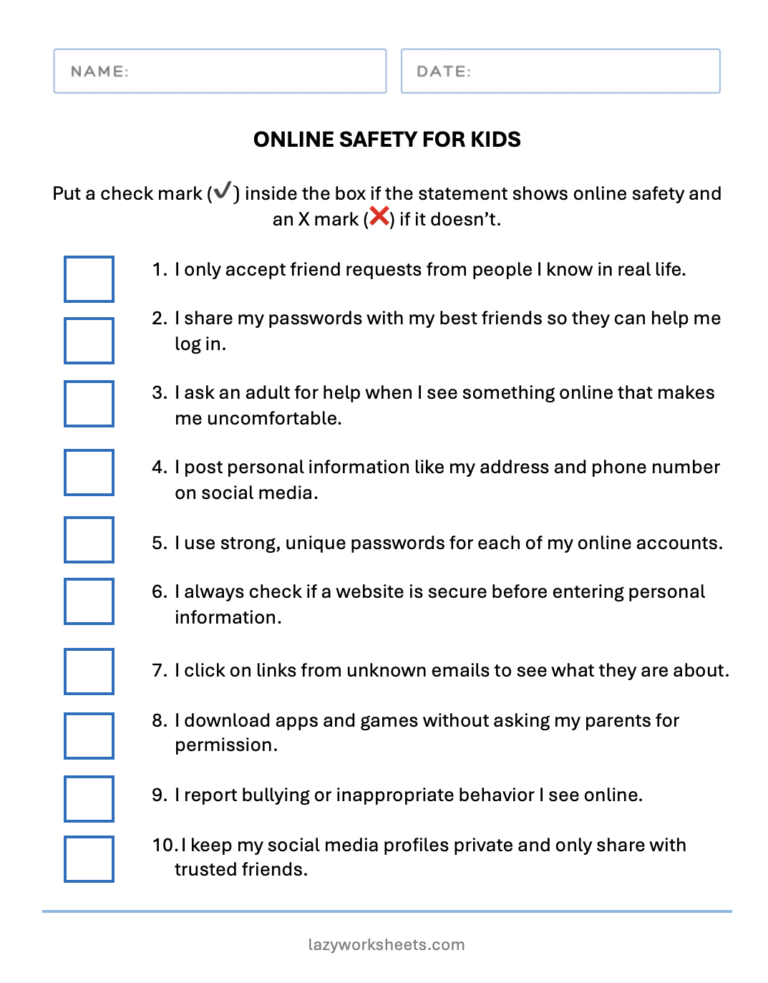
The “internet safety checklist for grade 3” serves as an invaluable resource for fostering essential digital literacy among elementary school students. This printable worksheet targets children in grades 15, with a specific focus on the developmental stage of third graders. It offers a structured, hands-on approach to reinforcing critical internet safety concepts, translating abstract rules into tangible actions. Educators and parents consistently rely on printable worksheets as trusted tools for their effectiveness in building foundational digital awareness and promoting responsible online behavior. Such resources provide a tangible learning experience, allowing young learners to engage directly with content, solidify understanding through repetition, and develop habits crucial for navigating the digital world safely. The structured format of a checklist empowers children to internalize safety practices, making the transition from learning to application seamless.
💡 Educational Key Takeaways:
- Core Skill: Structured Internet Safety Checklist For Grade 3 focused on developing pencil grip, stroke control, and early literacy/math confidence.
- Target Scope: Suited for homeschoolers, preschool, kindergarten, and elementary learners.
- Best Recommendation: Practice 10–15 minutes daily with ergonomic writing tools to reinforce muscle memory without hand fatigue.
What This Worksheet Covers
The “internet safety checklist for grade 3” meticulously addresses fundamental internet safety topics tailored for young learners. Its content covers vital aspects such as the importance of protecting personal information, understanding who constitutes a trusted adult online, and the necessity of seeking permission before sharing any content. The checklist guides children through recognizing potentially unsafe content and interactions, emphasizing the practice of critical thinking in digital environments. These concepts are directly aligned with recognized digital citizenship and child safety education standards, ensuring comprehensive coverage of age-appropriate online safety protocols. The worksheet breaks down complex ideas into manageable, actionable steps, making digital safety principles accessible and understandable for elementary school students.
Key Learning Outcomes
By completing the “internet safety checklist for grade 3,” children develop several crucial skills and knowledge areas:
- Recognizing Personal Identifying Information: Students learn to identify what information is considered personal and understand why it must be kept private online.
- Understanding the Importance of Privacy: The checklist reinforces the concept that not all information should be shared, fostering an appreciation for digital boundaries.
- Identifying Trusted Adults for Online Concerns: Children are guided to recognize and name specific adults they can approach with questions or concerns about online experiences.
- Practicing Critical Thinking About Online Content: The resource encourages discernment, prompting children to question and evaluate content before interacting with it.
- Applying Rules for Safe Online Interactions: Learners internalize and practice rules for polite, respectful, and secure communication in digital spaces.
How to Use This Worksheet
The “internet safety checklist for grade 3” offers versatile application for both classroom instruction and home learning environments. The worksheet typically features a mix of activity types, including simple true or false questions, fill-in-the-blank statements, and scenarios requiring a child to choose the safest option. Instructions are presented clearly, progressively scaffolding learning to build confidence and reinforce understanding. Its difficulty level is specifically calibrated for third graders, ensuring challenges are appropriate without being overwhelming. The checklist can function as a standalone activity to initiate discussions on digital safety, integrate seamlessly into a broader lesson plan focusing on digital citizenship, or be assigned as homework to extend learning beyond the classroom. Its design encourages active participation and self-assessment, promoting a deeper engagement with the material. Browse more guides on Safe Wired Schools.
Practical Tips for Parents and Teachers
Maximizing the educational impact of the “internet safety checklist for grade 3” requires thoughtful preparation and active facilitation. Prior to engagement, reviewing the checklist content helps in anticipating potential questions and preparing relevant discussion points. During the activity, encouraging children to articulate their reasoning behind choices fosters deeper understanding and critical thinking. Following completion, initiate a debriefing session using open-ended discussion prompts such as, “What felt most important on this checklist?” or “What new rule will be remembered today?” To extend learning, consider role-playing various online scenarios or creating a family or classroom internet safety pledge based on the checklist’s principles. Consistent reinforcement of these concepts strengthens digital safety habits.
Age-Appropriate Recommendations
While specifically designed as an “internet safety checklist for grade 3,” the foundational principles it teaches are adaptable across various age bands. For children aged 5-7 (Kindergarten-Grade 2), the checklist can be introduced with significant adult guidance, focusing on one or two concepts at a time. Vocabulary support is crucial at this stage, with explanations simplified and examples provided from familiar experiences. The activity pacing should be slow, allowing for ample discussion and questions. For the target age group of 8-10 (Grade 3-5), children are encouraged to complete the checklist more independently, with an adult available for clarification and deeper discussion. This age group benefits from connecting checklist items to their emerging online experiences, fostering a sense of personal responsibility. For older learners, ages 11-18, the checklist serves as a valuable review of fundamental principles, highlighting how these basic rules underpin more complex digital safety strategies. It can initiate discussions about evolving online threats and the increased personal responsibility that comes with greater digital autonomy, acting as a springboard for exploring advanced topics.
Frequently Asked Questions
Q: What topics are covered in the Grade 3 internet safety checklist?
A: The checklist covers essential topics such as protecting personal information, identifying trusted adults, seeking permission before sharing, and recognizing unsafe online content. It focuses on foundational digital safety practices for young learners.
Q: How can this checklist support learning at home?
A: At home, the checklist facilitates family discussions about online rules and behaviors, helping establish consistent safety expectations. It provides a tangible tool for children to review and practice safe online habits independently or with parental guidance.
Q: Where is the free “internet safety checklist for grade 3” available for download?
A: This free printable resource, along with many others, can be accessed directly from the SafeWiredSchools.org website. Navigate to the worksheets section to find and download the checklist for immediate use.
Explore More Free Printable Worksheets
A single resource, however valuable, works best as part of a comprehensive and consistent digital safety learning routine. The “internet safety checklist for grade 3” introduces vital concepts, yet continuous engagement with diverse materials deepens understanding and strengthens retention. Educators and parents are invited to explore a full collection of free printable internet safety worksheets, activity sheets, quizzes, and more. These resources cover every internet safety topic imaginable and are specifically designed for every grade level and learning environment, ensuring a robust and evolving digital safety education. Discover the extensive library of tools available at SafeWiredSchools.org Worksheets.
Developmental Milestone & Activity Table
| Development Stage | Recommended Daily Duration | Primary Learning Objective |
|---|---|---|
| Preschool & Pre-K | 10 – 15 Minutes | Pencil grip development & basic pre-stroke lines |
| Kindergarten | 15 – 20 Minutes | Letter/number formation & spatial line awareness |
| Early Elementary (Grade 1–2) | 20 – 30 Minutes | Fluency, sentence construction & neatness |
Images References