Introduction
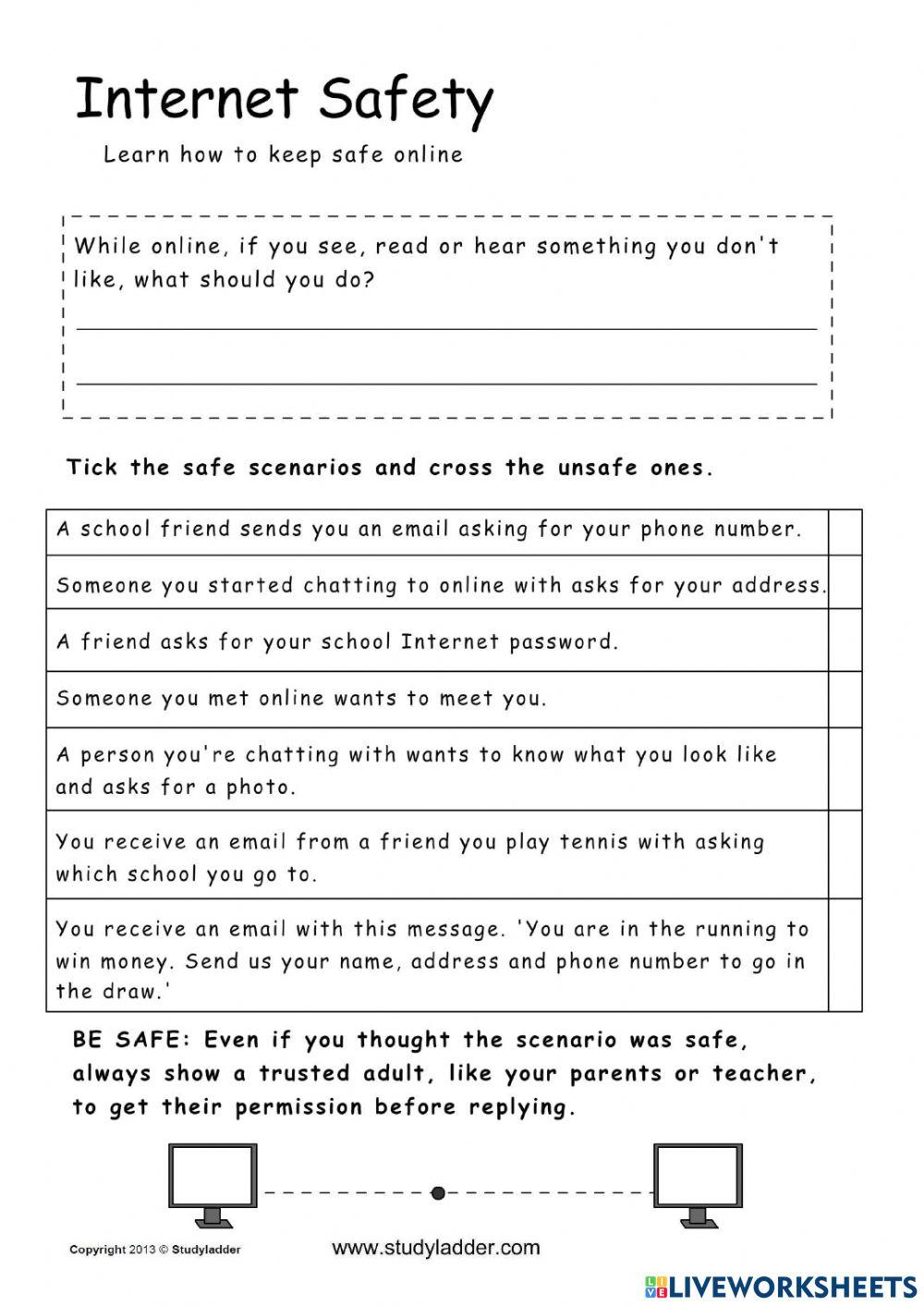
Internet safety activities for grade 4 focus on foundational digital literacy within elementary education. This proactive approach cultivates early digital awareness, shaping responsible online behavior and fostering personal safety for young learners. Educating children about navigating the internet safely is a trusted priority for educators, parents, and schools. Comprehensive safety education builds a strong understanding of online risks and promotes positive digital citizenship from an early age. Explore more in our Internet and Digital Safety category.
💡 Educational Key Takeaways:
- Core Skill: Structured Internet Safety Activities For Grade 4 focused on developing pencil grip, stroke control, and early literacy/math confidence.
- Target Scope: Suited for homeschoolers, preschool, kindergarten, and elementary learners.
- Best Recommendation: Practice 10–15 minutes daily with ergonomic writing tools to reinforce muscle memory without hand fatigue.
Why This Topic Matters
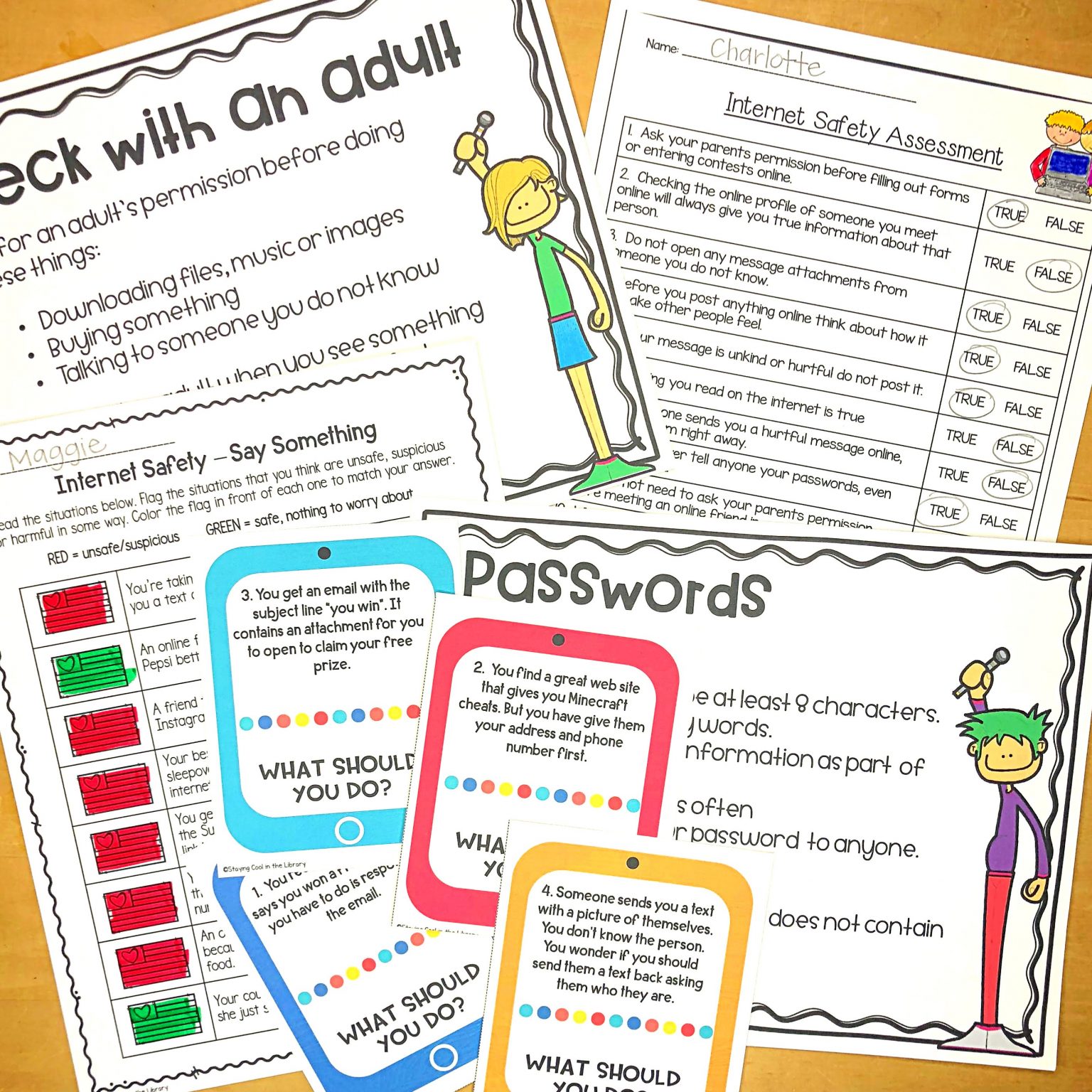
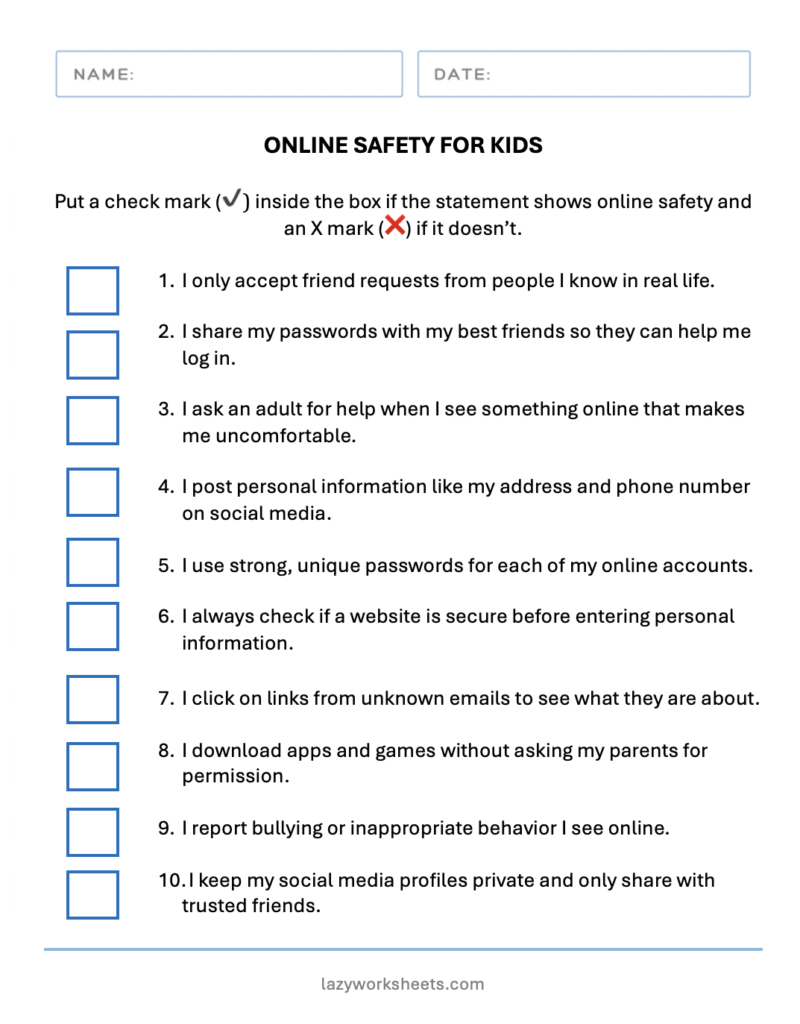
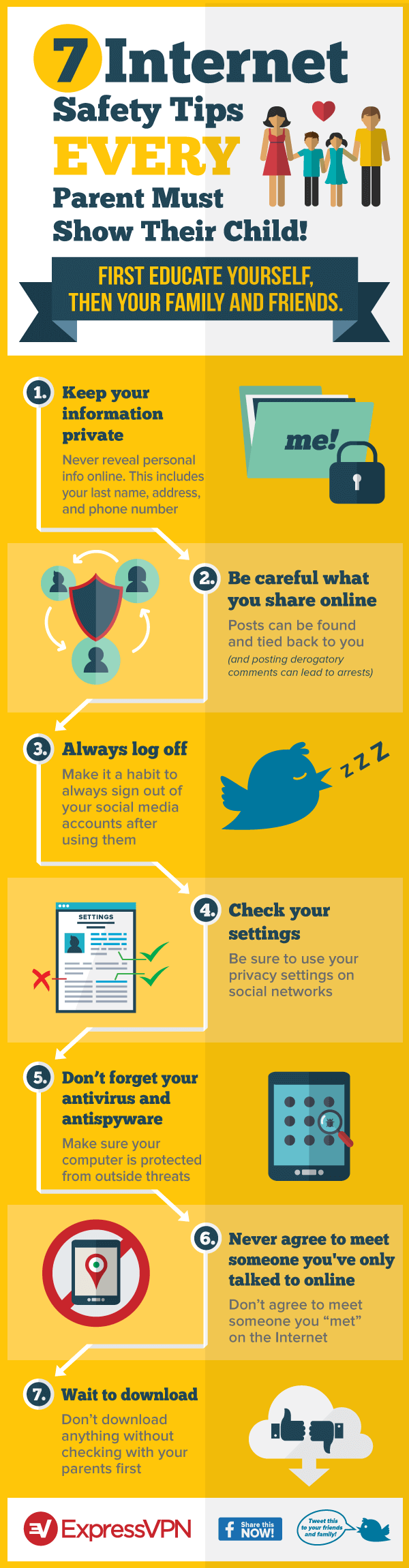
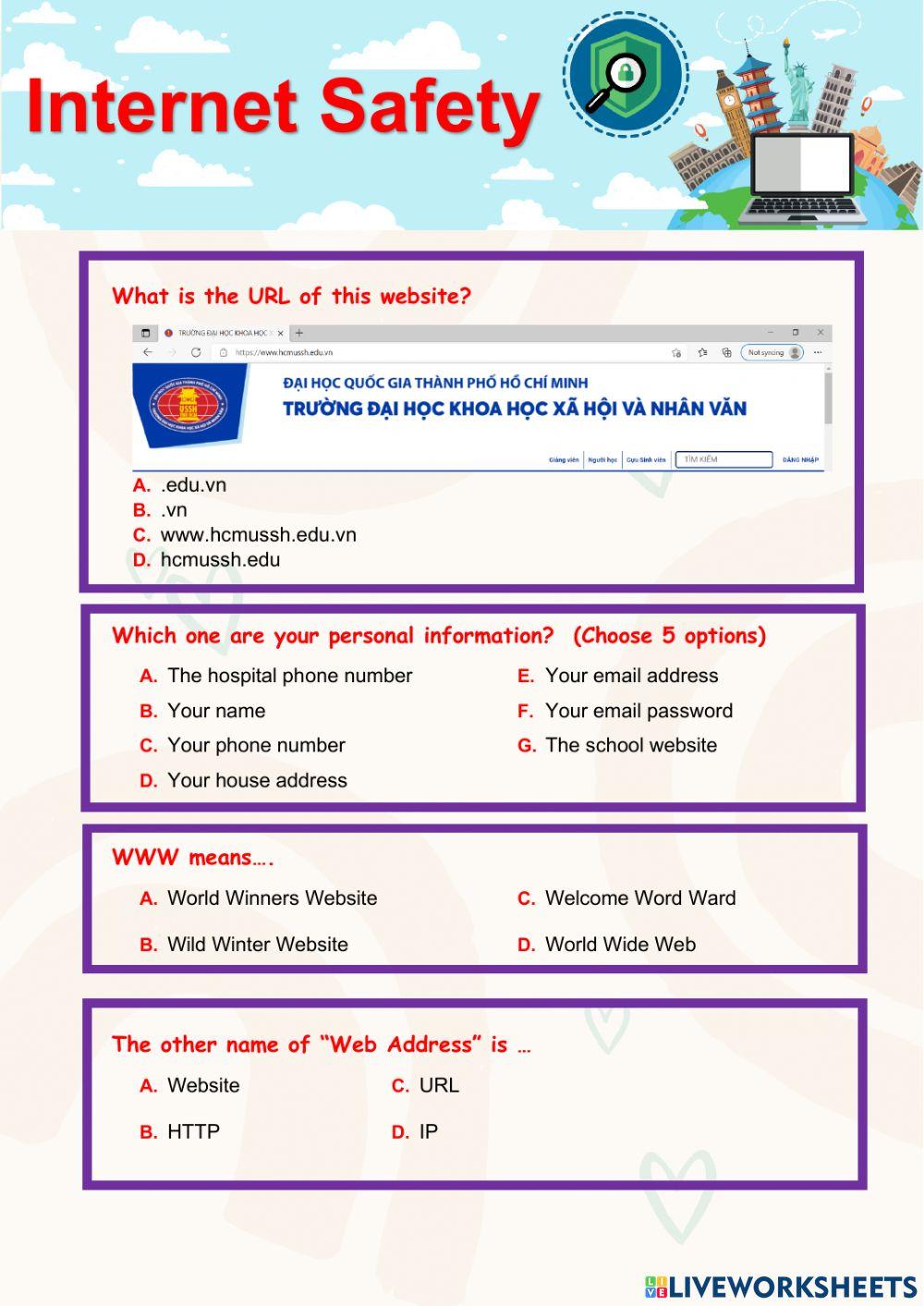
Engaging in internet safety activities for grade 4 fosters crucial critical thinking skills online. Children learn to evaluate digital content, distinguishing reliable sources from misinformation. These activities equip students with the ability to recognize potential online dangers, such as suspicious links or inappropriate content. Developing safe digital habits, including strong password creation and privacy awareness, becomes second nature through consistent practice. Responsible internet use, a key digital citizenship milestone, is nurtured by understanding the impact of online actions and communications. Such learning outcomes contribute significantly to a child’s overall development and independence in the digital world. Related guide: Teachers Of Grades 9–12 Should Expand Internet Safety Instruction To Include Which Of The Following Topics?.
Key Concepts and Teaching Strategies
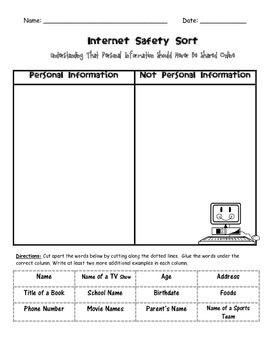
Core concepts within internet safety activities for grade 4 include establishing clear online rules and identifying common warning signs. Age-appropriate strategies involve teaching children about not sharing personal information and understanding stranger danger in a virtual context. Educators often utilize interactive games, storytelling, and role-playing scenarios to illustrate these concepts effectively in the classroom. Discussion prompts encourage students to share their online experiences and ask questions, reinforcing learning. Parents can support this education at home through open conversations, co-viewing online content, and setting family internet guidelines. Learning is progressively scaffolded, building upon simple rules to more complex decision-making processes as children mature. Browse more guides on Safe Wired Schools.
Explore More Resources
Continued engagement with internet safety principles ensures lasting digital resilience for children. Consistent reinforcement of these lessons builds a foundation for safe online exploration throughout their educational journey. Safewiredschools.org offers an extensive collection of internet safety resources, detailed guides, and printable materials. Educators and parents are invited to explore these tools for continued skill development and ongoing support in fostering a secure digital environment for all students.
Developmental Milestone & Activity Table
| Development Stage | Recommended Daily Duration | Primary Learning Objective |
|---|---|---|
| Preschool & Pre-K | 10 – 15 Minutes | Pencil grip development & basic pre-stroke lines |
| Kindergarten | 15 – 20 Minutes | Letter/number formation & spatial line awareness |
| Early Elementary (Grade 1–2) | 20 – 30 Minutes | Fluency, sentence construction & neatness |
Images References