Introduction
This foundational topic, “how to create internet safety rules at home,” applies across all age groups from early childhood through adolescence. Establishing clear guidelines at home empowers young people with essential skills for navigating the digital world securely. Building strong digital awareness and fostering responsible online behavior are crucial for personal safety. Internet safety education represents a trusted, critical priority for educators, parents, and schools alike. These home-based rules complement and reinforce the broader digital citizenship curriculum taught in schools, ensuring a consistent message about online conduct and personal boundaries. Effective implementation leads to increased confidence and safer online experiences for all learners. Explore more in our Internet and Digital Safety category.
💡 Educational Key Takeaways:
- Core Skill: Structured How To Create Internet Safety Rules At Home focused on developing pencil grip, stroke control, and early literacy/math confidence.
- Target Scope: Suited for homeschoolers, preschool, kindergarten, and elementary learners.
- Best Recommendation: Practice 10–15 minutes daily with ergonomic writing tools to reinforce muscle memory without hand fatigue.
Why This Topic Matters
Creating internet safety rules at home offers significant, measurable learning benefits. Children develop critical thinking skills essential for evaluating online content. They learn to recognize potential dangers and build safe digital habits proactively. This structured approach fosters responsible internet use, moving beyond mere compliance to genuine understanding. These outcomes align directly with key digital citizenship milestones, promoting thoughtful engagement and resilience. For younger children, this process establishes foundational awareness of online boundaries, analogous to real-world safety rules. For older students, it reinforces the importance of privacy, ethical interactions, and media literacy, contributing to holistic child development in an increasingly connected world. Related guide: Internet Safety Hunt For Students.
Key Concepts and Teaching Strategies
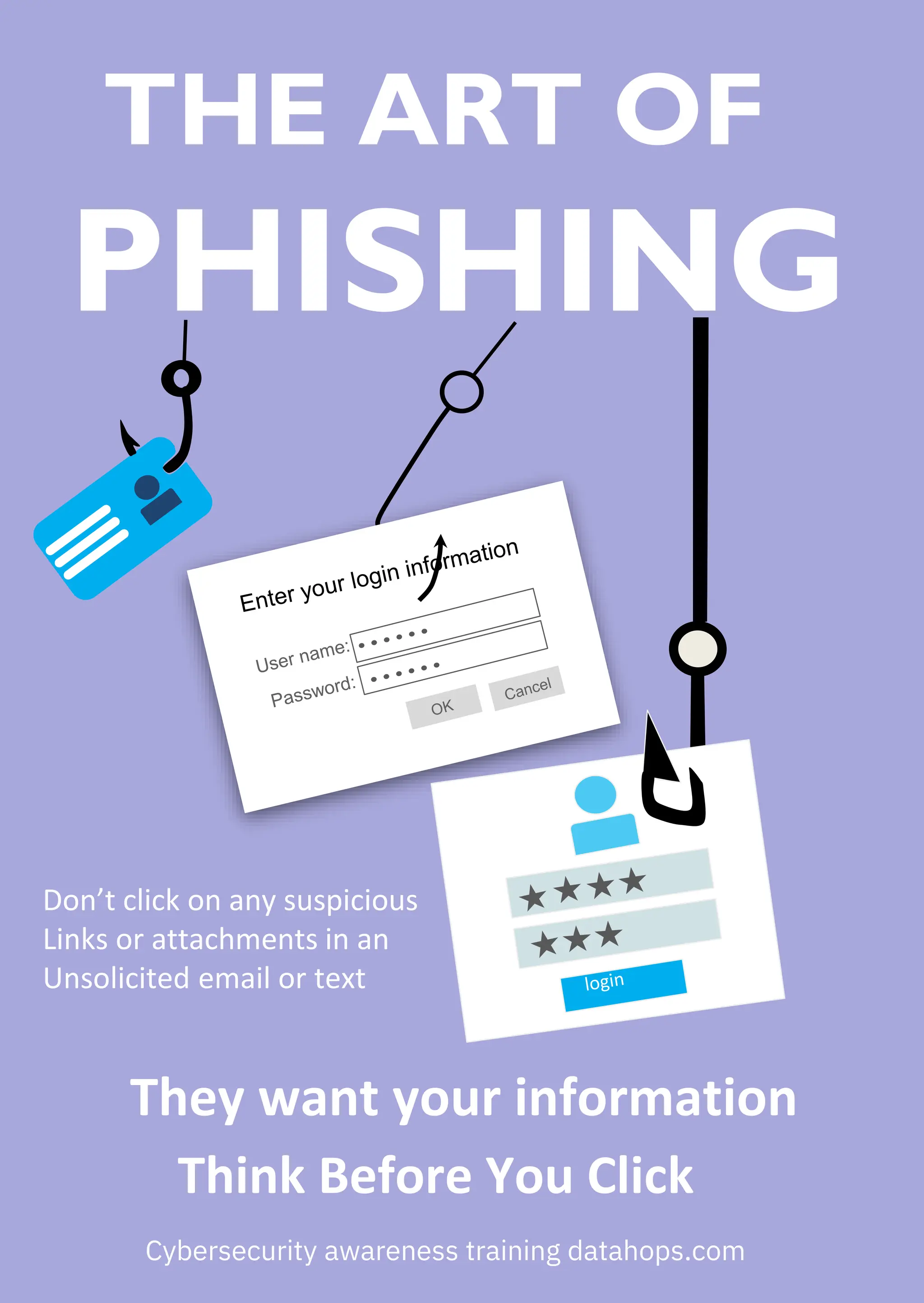
The core concepts involved in establishing internet safety rules include identifying appropriate online activities, setting time limits, understanding privacy settings, recognizing phishing attempts, and knowing when to seek adult help. Learning can be scaffolded progressively, starting with simple rules for screen time and trusted websites for younger children. As students mature, discussions can evolve to cover cyberbullying, online stranger danger, digital footprints, and the implications of sharing personal information. Classroom activities might involve scenario-based discussions about online dilemmas or creating visual posters of safe online practices. At home, family discussions about daily online experiences, collaborative rule-making, and modeling responsible digital behavior by adults provide practical, ongoing learning opportunities. Regular review and adaptation of rules ensure continued relevance. Browse more guides on Safe Wired Schools.
Explore More Resources
Consistent engagement with digital safety learning routines strengthens a child’s ability to make informed online choices. This ongoing reinforcement builds lasting skills and confidence. Educators and parents are encouraged to explore the comprehensive internet safety resources, guides, and printable materials available at safewiredschools.org. Continued skill development in digital safety benefits every member of the learning community.
Developmental Milestone & Activity Table
| Development Stage | Recommended Daily Duration | Primary Learning Objective |
|---|---|---|
| Preschool & Pre-K | 10 – 15 Minutes | Pencil grip development & basic pre-stroke lines |
| Kindergarten | 15 – 20 Minutes | Letter/number formation & spatial line awareness |
| Early Elementary (Grade 1–2) | 20 – 30 Minutes | Fluency, sentence construction & neatness |