Introduction
Navigating the digital landscape effectively requires a foundational understanding of balanced technology use. The “healthy screen time checklist printable free” resource offers a practical, hands-on approach to fostering responsible digital habits. This valuable tool is primarily designed for Elementary (grades 15) and Middle School (grades 68) learners, with adaptable applications for High School students. It reinforces essential internet safety concepts through active engagement, transforming abstract ideas into concrete actions. Printable worksheets consistently serve as trusted educational instruments for both educators and parents, providing a tangible pathway to building crucial digital awareness and promoting responsible online behavior. Their physical presence encourages focused interaction, allowing for direct annotation and personalized reflection. This proven method ensures active participation in learning about healthy digital citizenship, a vital component of modern education.
💡 Educational Key Takeaways:
- Core Skill: Structured Healthy Screen Time Checklist Printable Free focused on developing pencil grip, stroke control, and early literacy/math confidence.
- Target Scope: Suited for homeschoolers, preschool, kindergarten, and elementary learners.
- Best Recommendation: Practice 10–15 minutes daily with ergonomic writing tools to reinforce muscle memory without hand fatigue.
What This Worksheet Covers
The “healthy screen time checklist printable free” specifically addresses the critical internet safety topic of balanced technology use and digital well-being. It helps individuals assess and improve their daily screen habits. Concepts explored include recognizing appropriate time limits, diversifying activities beyond screens, practicing mindful technology engagement, and identifying signs of excessive use. The checklist also subtly encourages family discussions about technology boundaries, aligning with established digital citizenship and child safety education standards. These standards emphasize the importance of self-regulation, media literacy, and the impact of digital choices on overall health. The resource provides a structured framework for evaluating current practices and identifying areas for positive change, fostering a proactive approach to digital health. Related guide: Free Screen Time Balance Checklist For Kids.
Key Learning Outcomes
Completing the “healthy screen time checklist printable free” facilitates several important developmental and educational milestones related to digital safety:. Browse more guides on Safe Wired Schools.
- Ability to identify balanced screen use behaviors and differentiate them from excessive patterns.
- Skill in self-monitoring personal screen time habits, leading to increased self-awareness.
- Understanding of the significant importance of incorporating offline activities into daily routines.
- Capacity to set and adhere to personal screen time boundaries, fostering self-discipline.
- Knowledge of how screen time duration and quality directly impact physical and mental well-being.
How to Use This Worksheet
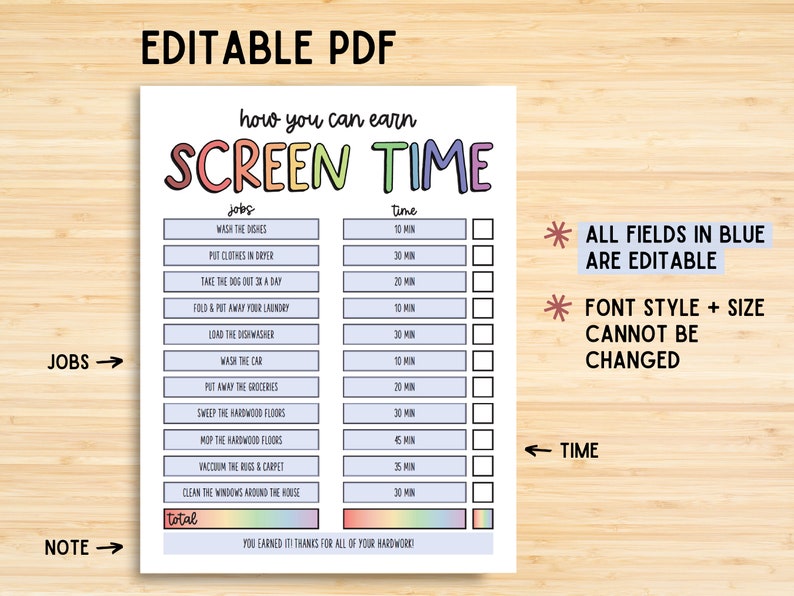
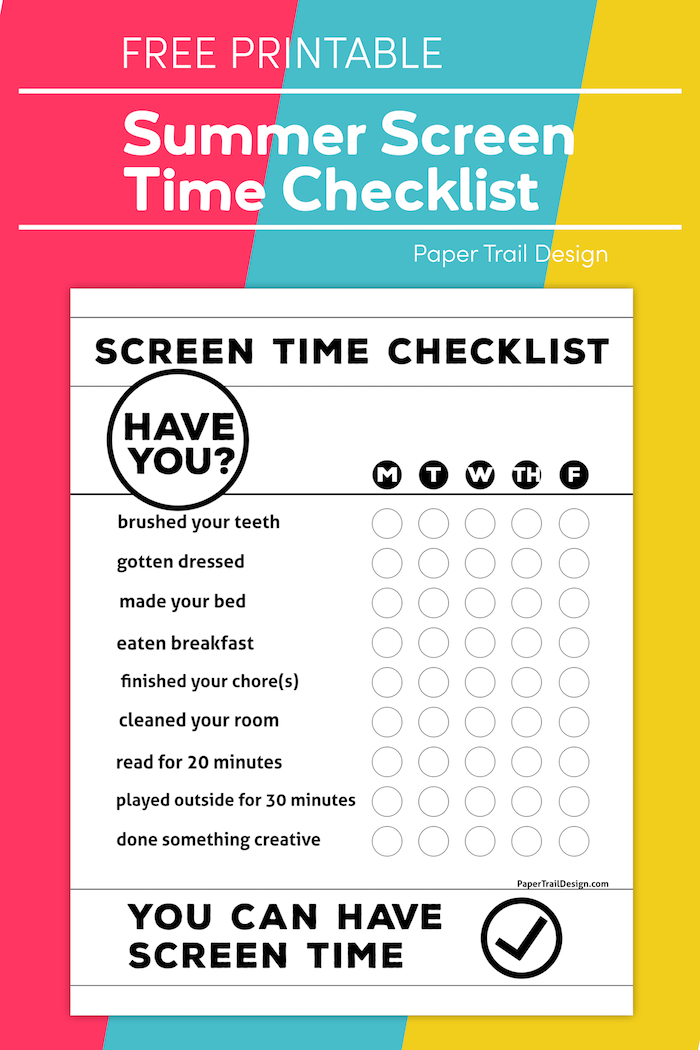
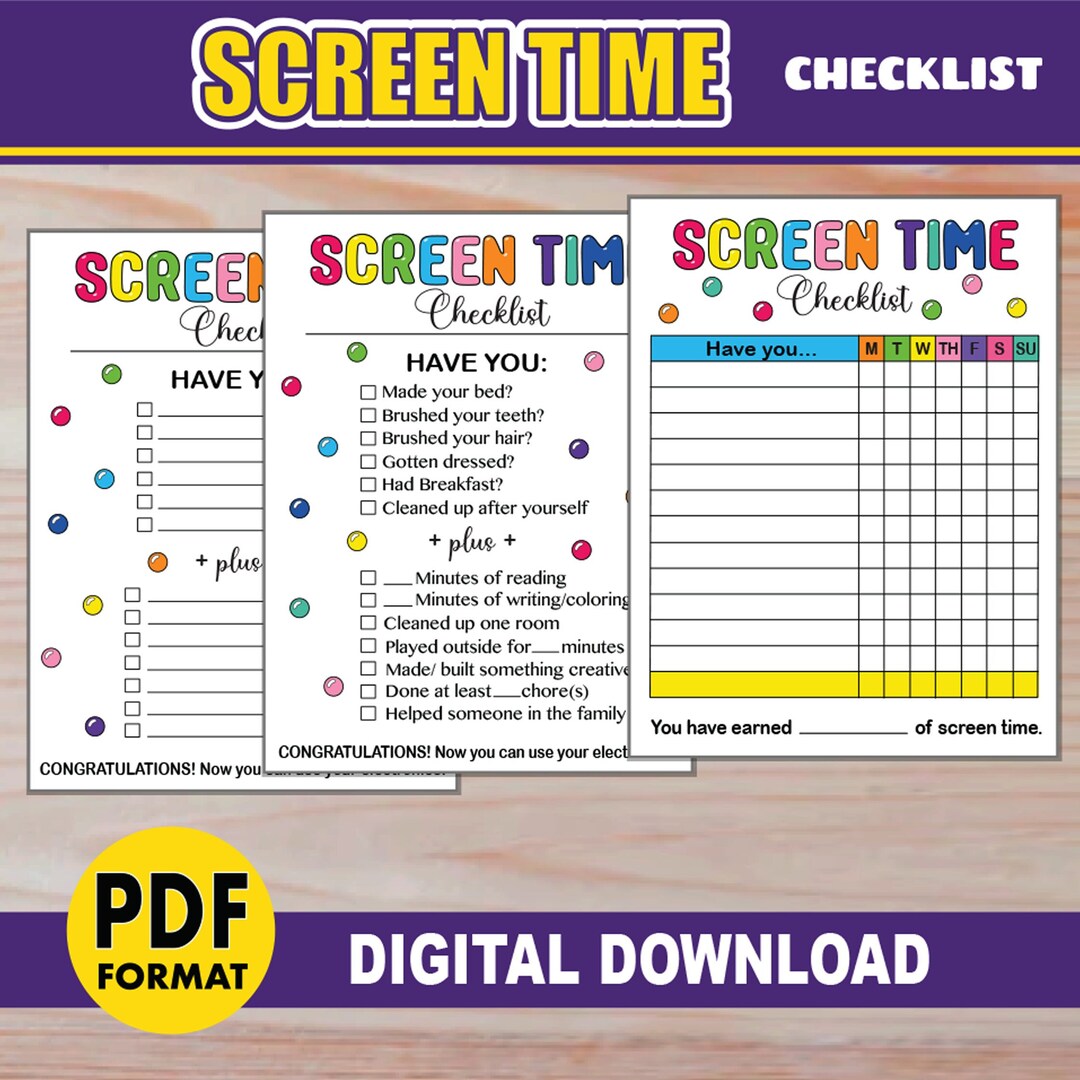
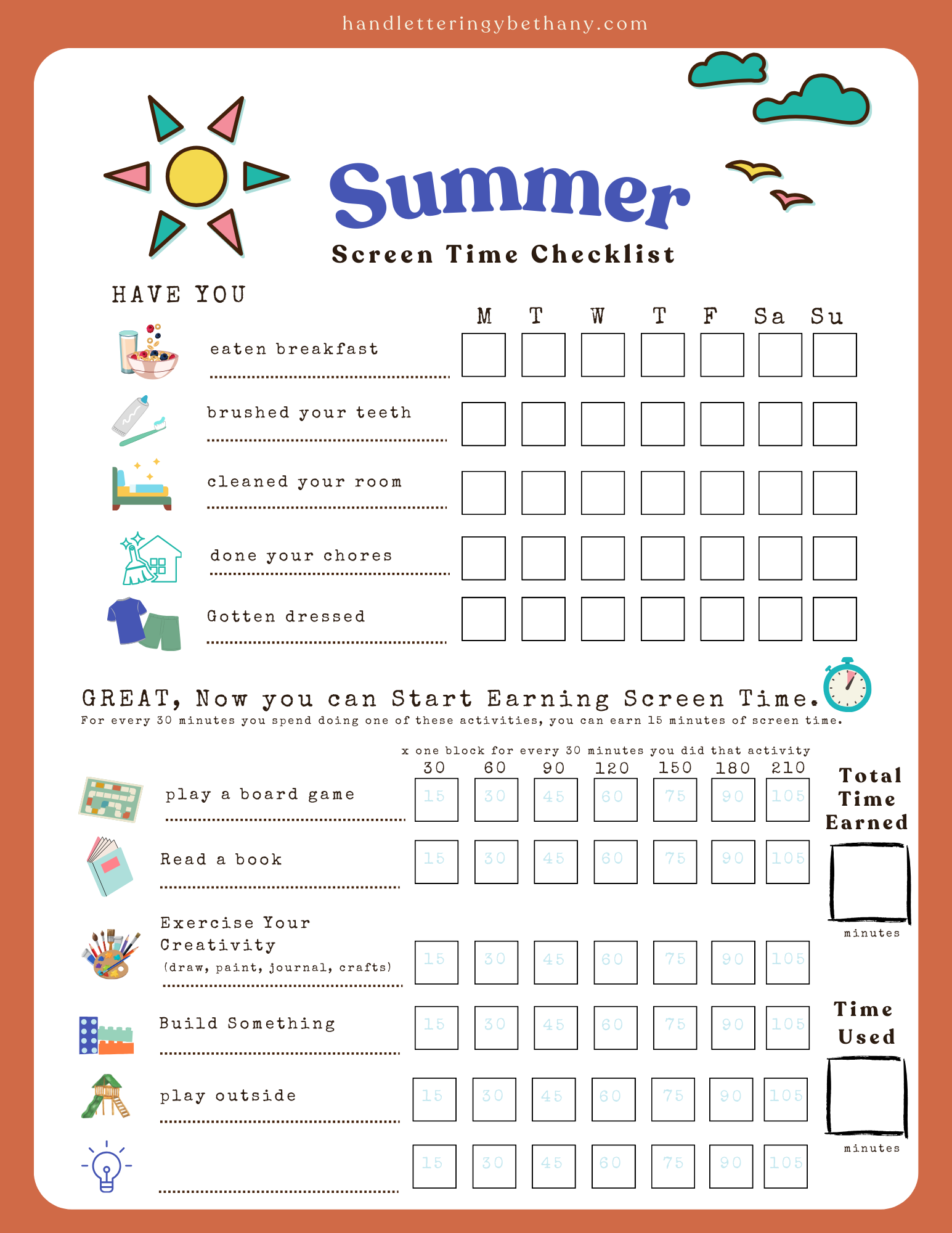
The “healthy screen time checklist printable free” serves as a versatile resource for both classroom and home environments. Its format typically includes a series of statements or questions related to screen use, often with yes/no options, rating scales, or short reflection prompts. The difficulty level encourages self-assessment and thoughtful consideration rather than rote memorization. Instructions scaffold learning progressively, guiding users through an evaluation of their daily routines and technology interactions. This worksheet functions effectively as a standalone activity for individual reflection. It also integrates seamlessly into a broader lesson plan on digital citizenship or serves as a constructive homework assignment, prompting family discussions about technology use. The tangible nature of a printable encourages focused attention and a more deliberate engagement with the topic, making it a valuable educational tool.
Practical Tips for Parents and Teachers
- Initiate a Discussion: Introduce the checklist with an open conversation about screen time’s role in daily life. This sets a collaborative tone for engagement.
- Complete Together or Individually: Younger learners benefit from completing the checklist alongside an adult, offering guidance and clarification. Older students can complete it independently, followed by a reflective discussion.
- Follow Up with Goal Setting: After completing the checklist, encourage the identification of one or two areas for improvement. Establish small, achievable goals, such as dedicating 30 minutes to outdoor play daily or setting a screen-free dinner time.
- Integrate into Routine: Regularly revisit the checklist, perhaps weekly or monthly, to track progress and reinforce positive habits. This reinforces the concept of ongoing self-assessment.
- Celebrate Progress: Acknowledge and praise efforts to improve screen time balance. Positive reinforcement encourages continued healthy digital choices and sustained engagement with the principles of digital well-being.
Age-Appropriate Recommendations
Effective implementation of the “healthy screen time checklist printable free” varies significantly across different age groups, requiring tailored approaches.
For Ages 5-8 (Early Elementary), focus should remain on foundational concepts. An adult should lead the activity, reading each item aloud and explaining vocabulary as needed. Questions should be simplified, perhaps focusing on basic choices like, “Did I play outside today?” or “Did I help with a chore?” Visual aids, such as drawing an activity, enhance engagement. The activity pacing should be slow and deliberate, ensuring comprehension and fostering a positive initial understanding of balanced activities.
For Ages 9-13 (Late Elementary/Middle School), the checklist encourages more independent reflection. Discussions should delve into the direct consequences of screen time on sleep, homework, and social interactions. Students can set personal goals based on their findings, fostering a sense of ownership. The vocabulary can be more nuanced, exploring concepts like “mindful scrolling” or “digital breaks.” This age group benefits from peer discussions, allowing for shared experiences and collective problem-solving regarding screen time management.
For Ages 14-18 (High School), the checklist functions as a tool for critical self-evaluation. Students are encouraged towards self-directed use, analyzing the impact of screen time on academic performance, mental health, and future aspirations. Discussions can involve complex topics such as digital citizenship, online reputation, and the balance between social media and real-world connections. The emphasis shifts to personal accountability and the development of sustainable healthy digital habits for independent living, treating the checklist as a foundation for self-regulation.
Frequently Asked Questions
Q: What is the ideal screen time for children?
A: There is no single “ideal” screen time; recommendations emphasize quality over quantity. Focus on balanced activities, educational content, and adhering to age-appropriate guidelines from organizations like the American Academy of Pediatrics. Individual needs and family values also play a significant role.
Q: How can this checklist help manage screen time disputes at home?
A: The checklist provides a neutral, objective tool for discussion, shifting the focus from parental rules to shared self-assessment. It helps families collaboratively identify habits and set mutually agreed-upon goals, reducing conflict. This fosters a sense of shared responsibility for digital well-being.
Q: Where can the “healthy screen time checklist printable free” be accessed?
A: The “healthy screen time checklist printable free” is available for immediate download and printing directly from the SafeWiredSchools.org website. Simply navigate to the resources section and look for printable worksheets. This resource is provided at no cost to support digital safety education.
Explore More Free Printable Worksheets
A single worksheet works best as part of a broader collection of printable resources, creating a consistent digital safety learning routine. This comprehensive approach ensures all facets of online responsibility are addressed through varied and engaging activities. Educators and parents are invited to explore a full collection of free printable internet safety worksheets, activity sheets, checklists, quizzes, and more at SafeWiredSchools.org Worksheets. These resources cover every internet safety topic and are specifically designed for every grade level and learning environment, providing essential support for fostering informed and responsible digital citizens.
Developmental Milestone & Activity Table
| Development Stage | Recommended Daily Duration | Primary Learning Objective |
|---|---|---|
| Preschool & Pre-K | 10 – 15 Minutes | Pencil grip development & basic pre-stroke lines |
| Kindergarten | 15 – 20 Minutes | Letter/number formation & spatial line awareness |
| Early Elementary (Grade 1–2) | 20 – 30 Minutes | Fluency, sentence construction & neatness |
Images References