Introduction
The “free printable weekly screen time checklist” serves as an invaluable educational tool, primarily designed for Elementary grades (1-5) and Middle School grades (6-8), with adaptable principles for High School learners. This resource reinforces critical internet safety concepts through a hands-on, tangible learning experience, fostering responsible digital habits from an early age. Printable worksheets, like this checklist, are trusted by educators and parents alike because they provide a structured framework for active engagement, allowing learners to physically interact with the material rather than passively consuming information. This direct interaction aids in the internalization of digital awareness and the development of self-regulatory behaviors concerning online engagement. The consistent use of such resources helps cultivate a proactive approach to managing digital device usage, establishing foundational practices for a healthy relationship with technology.
💡 Educational Key Takeaways:
- Core Skill: Structured Free Printable Weekly Screen Time Checklist focused on developing pencil grip, stroke control, and early literacy/math confidence.
- Target Scope: Suited for homeschoolers, preschool, kindergarten, and elementary learners.
- Best Recommendation: Practice 10–15 minutes daily with ergonomic writing tools to reinforce muscle memory without hand fatigue.
What This Worksheet Covers
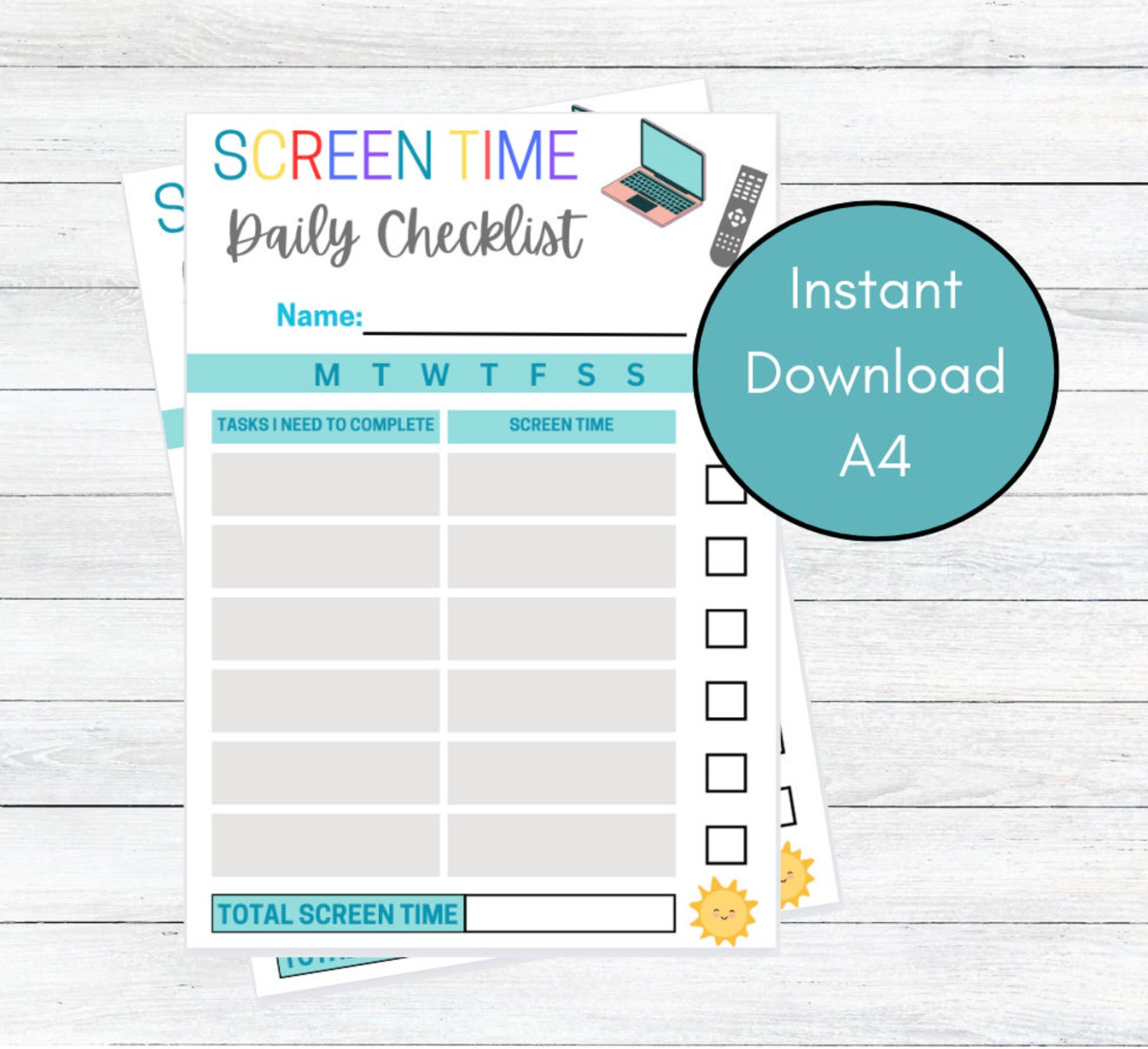
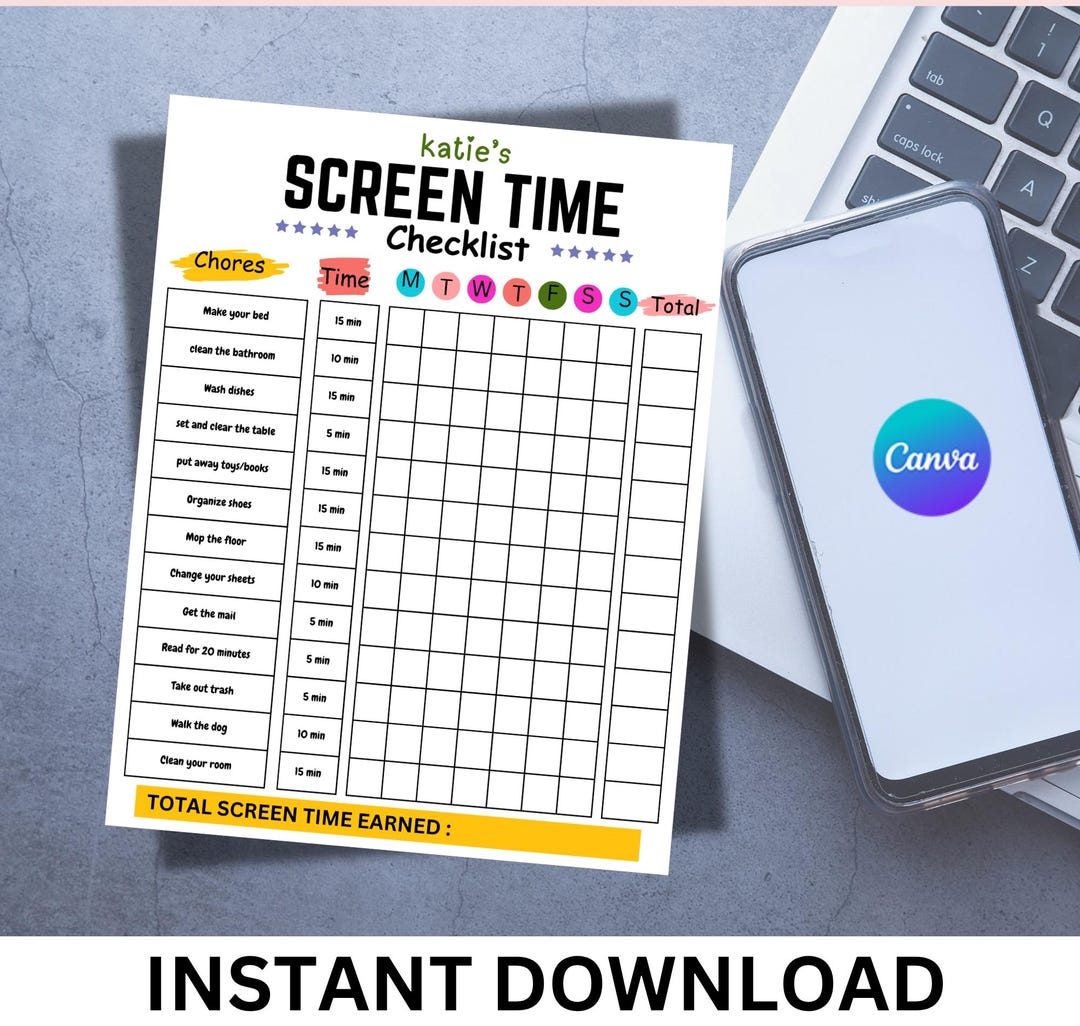
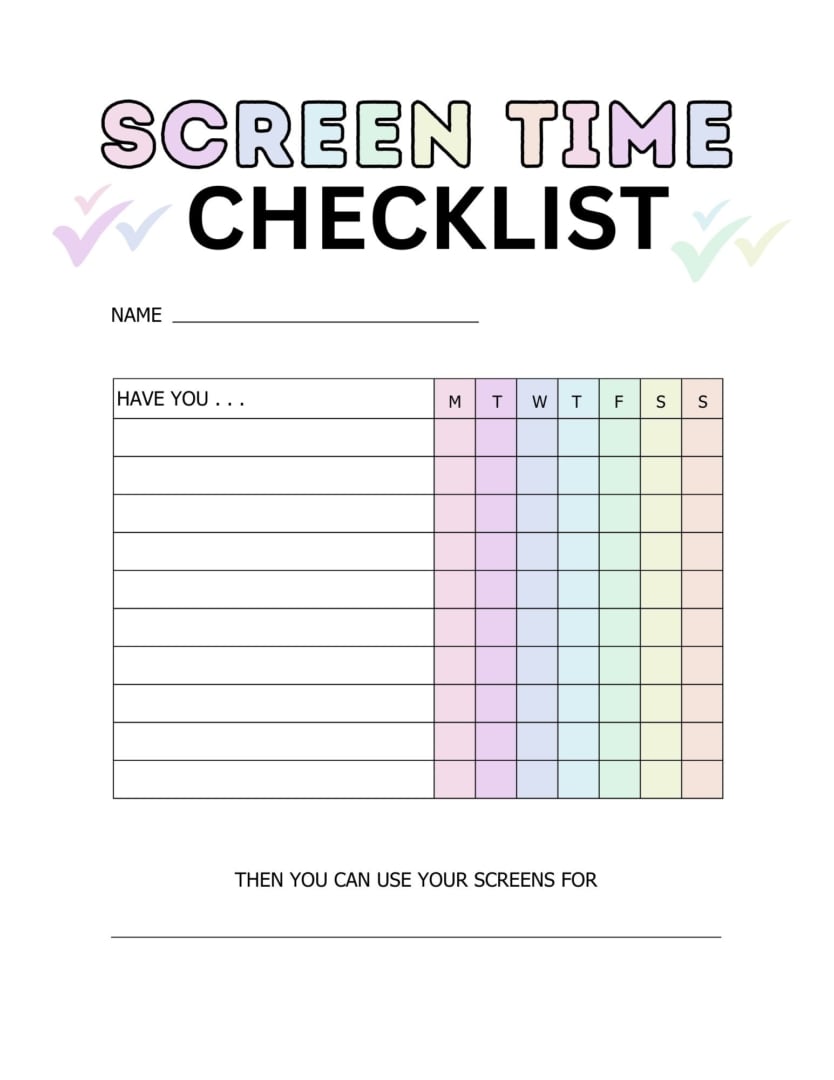
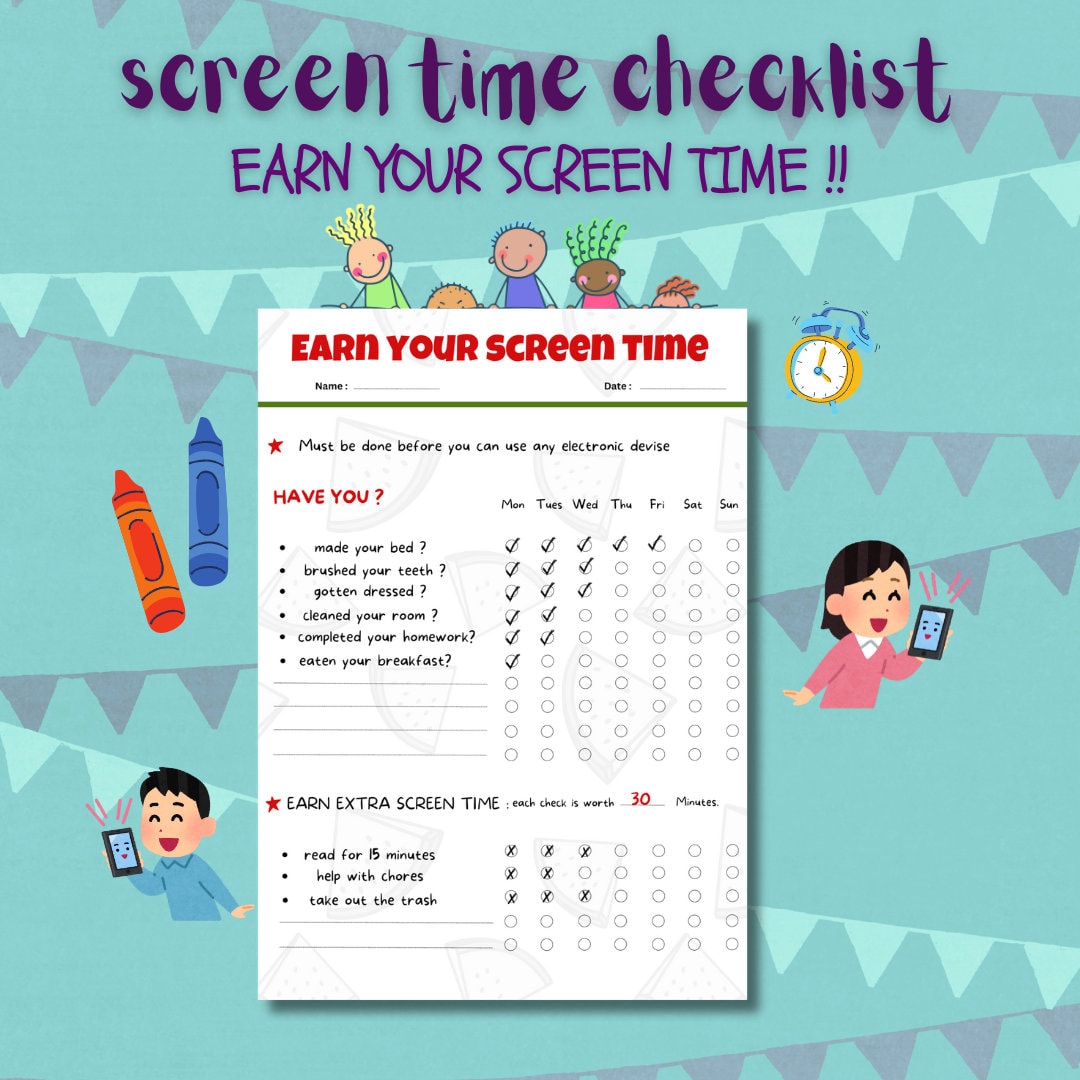
This “free printable weekly screen time checklist” specifically addresses the vital internet safety topic of digital well-being through mindful screen time management. The resource guides individuals in tracking and reflecting upon their daily and weekly digital device usage. It covers essential concepts such as identifying different types of screen activities (e.g., educational, creative, social, entertainment), monitoring the duration of engagement for each, and setting personal goals for balanced use. The checklist encourages an understanding of how screen time allocation impacts daily routines, academic performance, physical activity, and overall health. Its content connects directly to recognized digital citizenship education standards, particularly those emphasizing health and wellness, responsible digital engagement, and the development of self-management skills within online environments. The structured format promotes critical thinking about digital habits and their long-term implications. Related guide: Online Safety And Netiquette Lesson Plan Grade 4.
Key Learning Outcomes
Completing the “free printable weekly screen time checklist” helps individuals develop several crucial skills and knowledge areas related to digital safety:. Browse more guides on Safe Wired Schools.
- Learners cultivate an acute awareness of personal screen time usage patterns across different devices and activities.
- Students acquire the ability to differentiate effectively between various types of screen engagement, recognizing their distinct purposes and impacts.
- Individuals develop practical skills in setting achievable and healthy personal screen time goals and consistently monitoring progress toward these objectives.
- Children and adolescents grasp the fundamental importance of balanced digital engagement for their overall physical, mental, and emotional well-being.
- Participants enhance self-regulation abilities, demonstrating greater control and intentionality in managing their daily digital device use.
How to Use This Worksheet
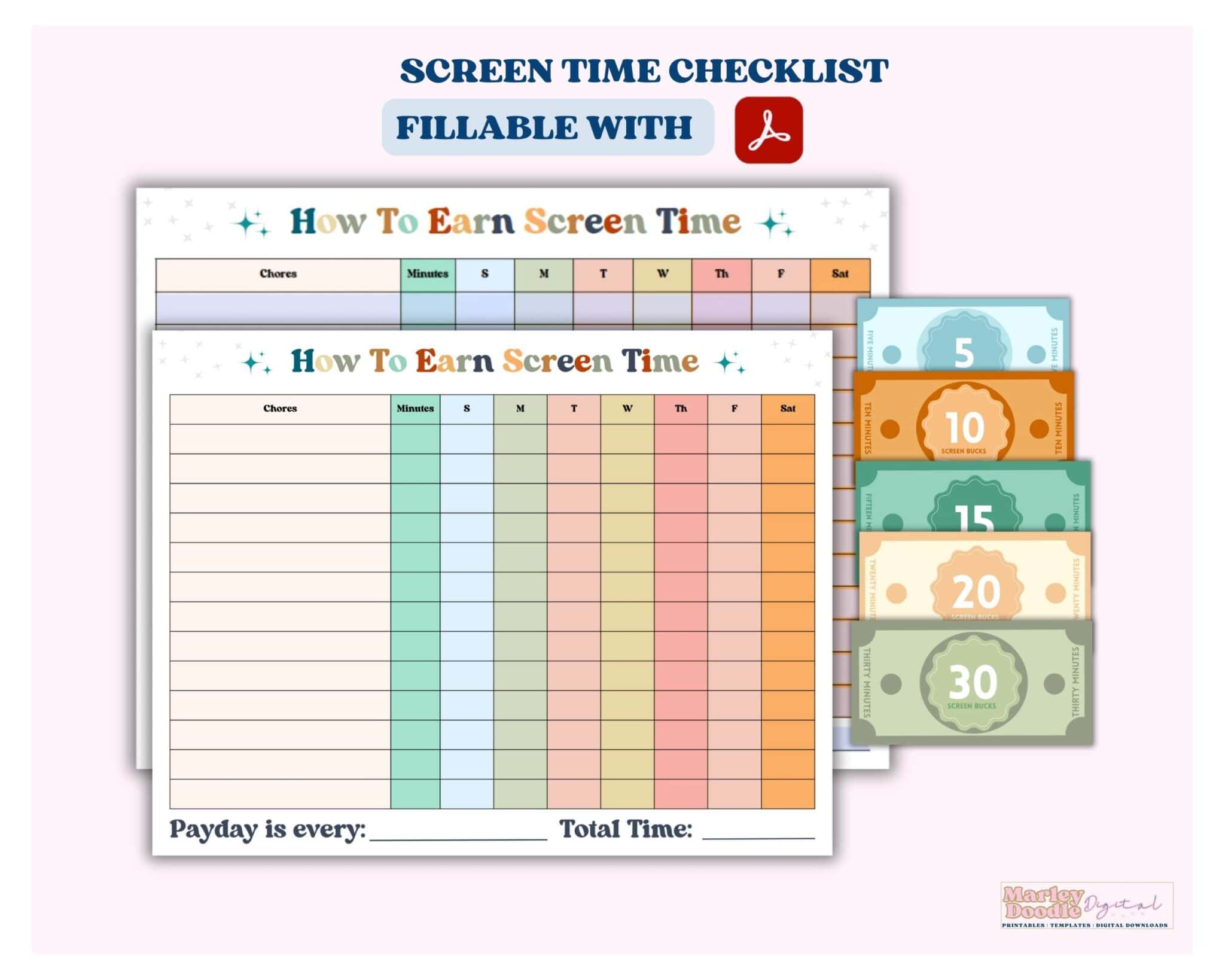
The “free printable weekly screen time checklist” offers a straightforward yet powerful method for tracking digital engagement. Its format typically includes sections for each day of the week, allowing users to log specific screen activities, their start and end times, and the total duration. Some versions may also feature spaces for categorizing activities, setting daily goals, and reflecting on adherence. The difficulty level is accessible, requiring basic time-telling skills and a willingness to self-monitor. Instructions are designed to scaffold learning progressively, guiding users from daily logging to weekly summation and reflective analysis. This worksheet functions effectively as a standalone daily or weekly tracking tool, integrating seamlessly into a broader digital citizenship lesson plan, or serving as a practical homework assignment to foster family discussions about digital habits. Its consistent application helps establish a routine of mindful technology use.
Practical Tips for Parents and Teachers
Maximizing the benefits of the “free printable weekly screen time checklist” involves thoughtful implementation:
- Initiate the activity with an open discussion about healthy digital habits, emphasizing the benefits of balanced screen time rather than focusing on restrictions.
- Encourage consistent daily tracking, providing gentle reminders and support without judgment, to build a habit of self-awareness.
- Dedicate time each week to review the completed checklist, discussing observed patterns, celebrating successes, and collaboratively setting new, realistic goals.
- Connect screen time management to other essential activities, such as physical exercise, reading, creative play, and family interactions, to highlight a holistic lifestyle.
- Adults can model responsible screen time habits themselves, demonstrating the principles of mindful digital engagement that the checklist promotes.
Age-Appropriate Recommendations
Adapting the “free printable weekly screen time checklist” to various developmental stages ensures its maximum impact and relevance:
-
Ages 5-8 (Early Elementary): For younger learners, the focus should be on basic awareness and guided tracking. Parents or teachers can help fill in the checklist, perhaps using simple icons or colors to represent different activities. The conversation should center on understanding “too much” versus “just right” screen time, connecting it to feelings (e.g., tired eyes, feeling happy after playing outside). Visual cues are paramount, and the activity should be kept brief and positive, emphasizing fun and exploration rather than strict rules.
-
Ages 9-12 (Upper Elementary/Middle School): Children in this age group can manage more independent tracking. The checklist can be used to differentiate between various types of screen time, such as educational apps, creative projects, gaming, and video viewing. Introduce the concept of setting personal goals for screen time and discuss how digital device use might affect homework, sleep, and physical activity. Vocabulary support might be needed for terms like “digital footprint” or “mindful use,” fostering a deeper understanding of responsible online choices.
-
Ages 13-18 (Middle/High School): Adolescents can engage in self-directed tracking with an emphasis on critical reflection. The checklist becomes a tool for analyzing the impact of screen time on productivity, social interactions, and overall well-being. Discussions can extend to advanced topics such as digital detox strategies, the psychological effects of constant connectivity, and the ethical implications of digital media consumption. The level of parental or teacher involvement shifts from direct guidance to facilitative coaching, encouraging independent problem-solving and self-advocacy in managing digital lives.
Frequently Asked Questions
Q: What is a free printable weekly screen time checklist?
A: It is a structured resource allowing individuals to track and monitor their daily and weekly digital device usage. This tool promotes awareness of personal screen habits and supports the establishment of balanced digital routines, fostering healthier engagement with technology.
Q: How does this checklist support digital citizenship education?
A: By fostering self-awareness and self-regulation regarding screen use, the checklist helps cultivate responsible digital habits, a core component of digital citizenship. It emphasizes well-being and mindful engagement, teaching individuals to manage their digital lives effectively and safely.
Q: Where can this free printable weekly screen time checklist be accessed?
A: The free printable weekly screen time checklist is available for download directly from the SafeWiredSchools.org website. It can typically be found within the “Worksheets” or “Resources” section, alongside other valuable educational materials.
Explore More Free Printable Worksheets
While the “free printable weekly screen time checklist” provides an excellent foundation for digital well-being, consistent digital safety learning routines are most effective when supported by a comprehensive suite of resources. A single worksheet works best as part of a broader collection of printable materials. Educators and parents are encouraged to explore a full collection of free printable internet safety worksheets, activity sheets, checklists, quizzes, and more at SafeWiredSchools.org Worksheets. These resources cover every internet safety topic, including cyberbullying, privacy, digital footprints, and critical evaluation of online information, and are designed for every grade level and learning environment, ensuring a continuous and robust digital safety education for all learners.
Developmental Milestone & Activity Table
| Development Stage | Recommended Daily Duration | Primary Learning Objective |
|---|---|---|
| Preschool & Pre-K | 10 – 15 Minutes | Pencil grip development & basic pre-stroke lines |
| Kindergarten | 15 – 20 Minutes | Letter/number formation & spatial line awareness |
| Early Elementary (Grade 1–2) | 20 – 30 Minutes | Fluency, sentence construction & neatness |
Images References