Why Fire Safety Coloring Sheets Belong in Modern Digital Citizenship Lessons
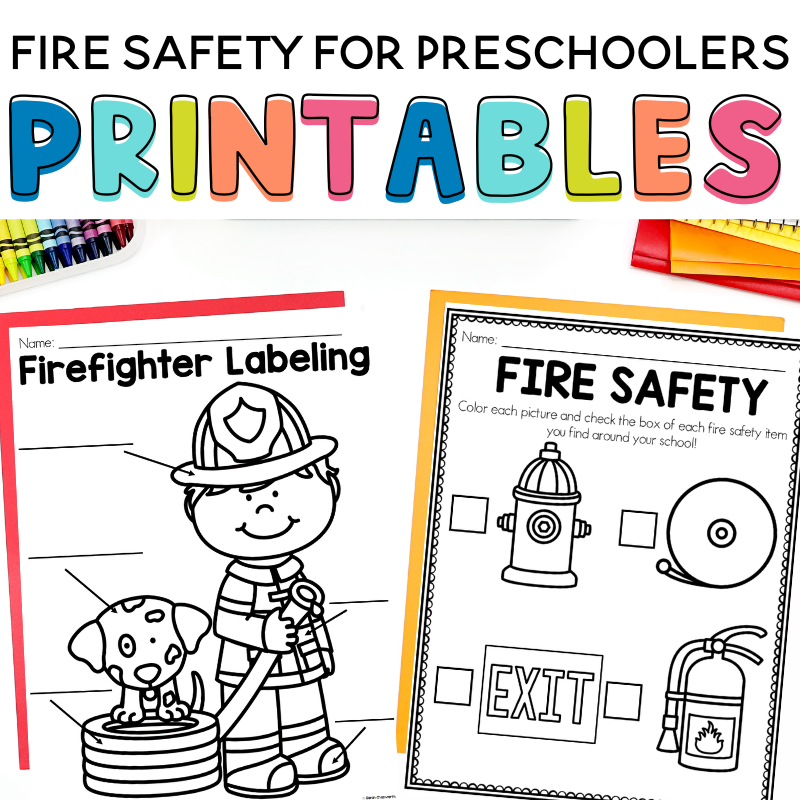
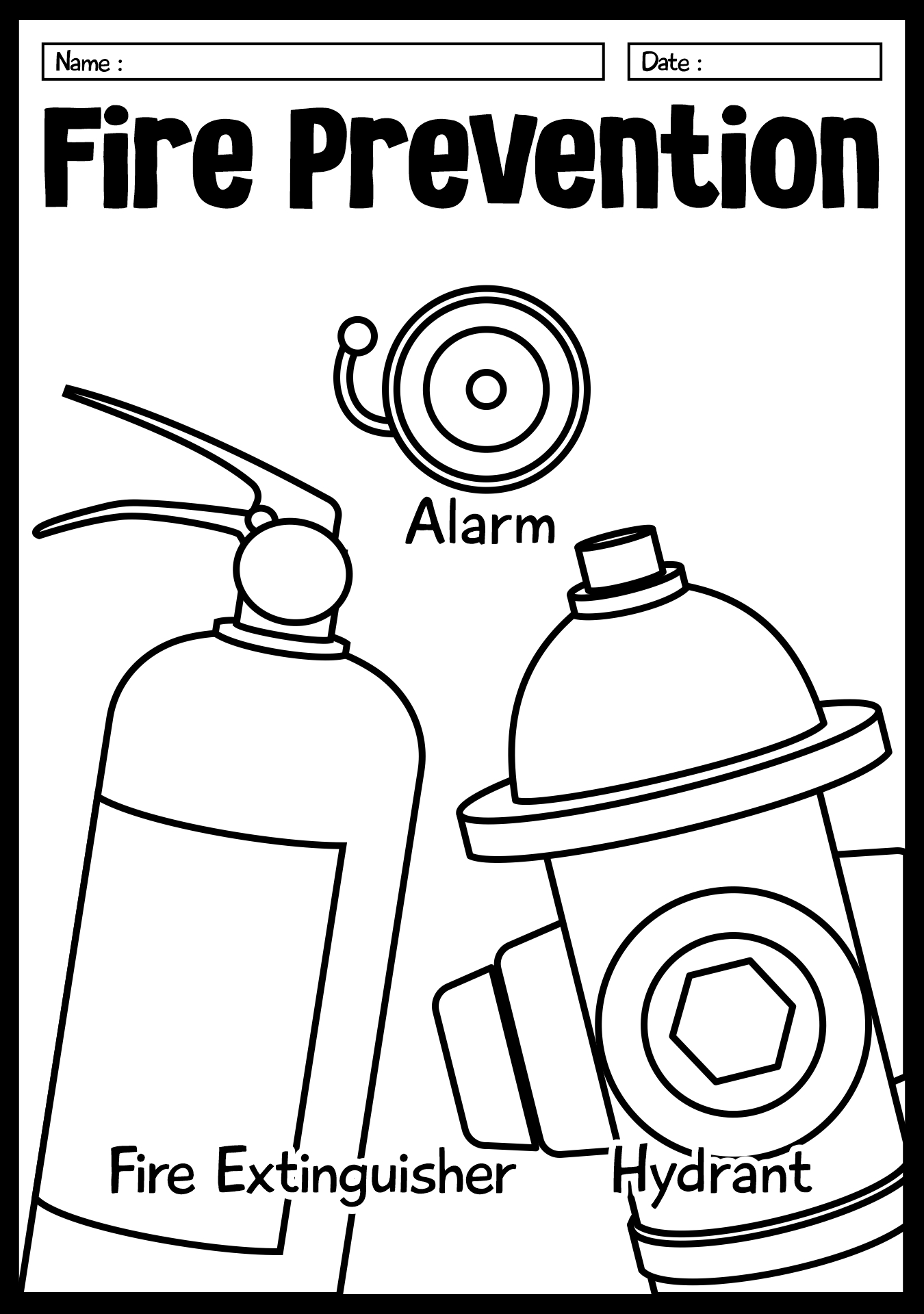
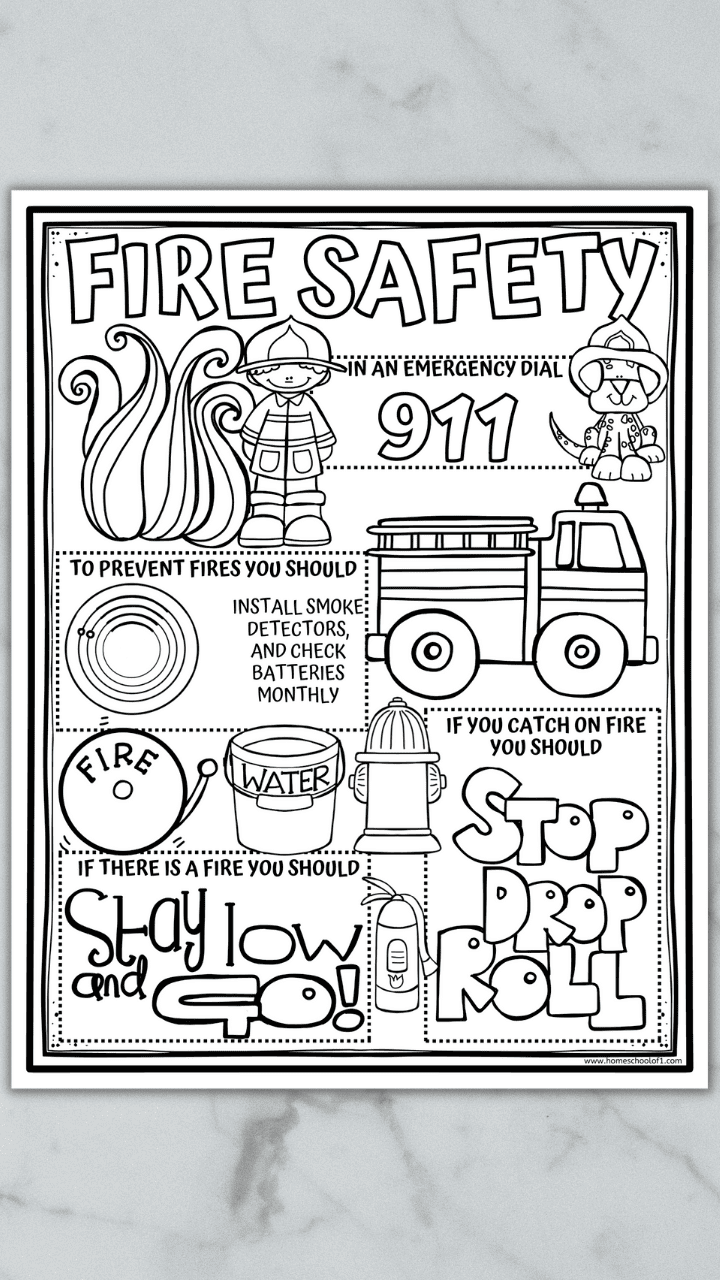
Integrating fire safety coloring sheets into K-12 learning environments offers a brilliant opportunity to bridge hands-on creativity with critical digital habits. As classrooms increasingly rely on tablets, shared laptops, and online educational portals, educators and parents often overlook how offline activities can reinforce safe online behaviors. Organizations like ConnectSafely and the Federal Trade Commission emphasize that foundational digital citizenship begins with mindfulness, structured guidance, and open communication. When students sit down to color printable activities detailing smoke alarms or emergency escape routes, adults have a natural window to discuss broader concepts like device safety, digital boundaries, and knowing where to find trusted help online and offline.
💡 Activity Key Takeaways:
- Core Focus: Printable Fire Safety Coloring Sheets designed for creative expression and fine-motor coordination.
- Target Scope: Ideal for toddlers, preschool, kindergarten, and classroom art activities.
- Best Recommendation: Use standard heavy printer paper (24–28 lb) or cardstock for vibrant results with crayons, colored pencils, or washable markers.
Identifying Vulnerabilities: Risk Signals & Preventive Guardrails for Digital Worksheets
While downloading creative resources seems harmless, unvetted websites offering printable PDFs can expose young users to aggressive tracking cookies, malvertising, and inappropriate pop-up ads. Educators and parents must monitor how children access educational portals and enforce robust technical protections across both school-issued and home devices. Alignment with guidance from agencies like CISA helps ensure that digital exploration remains secure and structured. Related guide: Two Factor Authentication Coloring Page Kids.
| Setting / Context | Common Vulnerability | Practical Safeguard |
|---|---|---|
| Home Devices & Tablets | Unfiltered search engine results directing kids to spam-heavy download sites. | Use curated resource hubs like Coloring Pages to bypass risky open web searches. |
| School Chromebooks | Bypassing district content filters through unauthorized proxy extensions. | Rely on strictly managed classroom portals and check out Internet and Digital Safety guidelines for admins. |
| Classroom Print Stations | Accidental downloads of executable files disguised as standard image or PDF documents. | Maintain centralized teacher-led printing workflows outlined in Worksheets repositories. |
Practical Routines and Device Habits for Families and Classrooms
Establishing clear, consistent routines protects children from accidental exposure to malicious content while they seek out creative materials. Adults should pre-download and vet required PDFs onto secure local drives rather than letting young children navigate search engines independently. Establish centralized charging stations in common family areas to eliminate late-night device use and encourage transparent online habits. When schools and homes align their rules—such as implementing age-appropriate content filters and teaching kids to report strange pop-ups without fear of punishment—children build lifelong instincts for protecting their personal privacy and digital environment.
Addressing Student Workarounds and Handling Pushback Calmly
Children are naturally resourceful and quick to find workarounds when technical restrictions feel too heavy-handed. If a student encounters a blocked educational page or tries to bypass a filter to access a favorite image search, reacting with anger or immediate revocation of tech privileges often backfires, driving behavior underground. Instead, treat these moments as teachable scenarios. Calmly explain why certain domains present security risks, and redirect the student toward safe, pre-approved repositories. Open dialogue ensures that children feel comfortable coming forward when they encounter broken links, suspicious downloads, or unexpected pop-ups on school or home screens.
Frequently Asked Questions on Managing Printable Resources Safely
Are free online printable sheets generally safe for young children to download?
Many educational sites offer wonderful content, but open search engine results can lead to malicious domains or aggressive advertising. Adults should always pre-download or curate PDFs beforehand to keep young students away from unverified third-party websites.
How can teachers prevent malware risks when students search for school project images?
Educators should establish a closed digital ecosystem by providing direct links, utilizing safe image search tools filtered for schools, and teaching students how to recognize secure web addresses before clicking download buttons.
What is the best way to talk to kids about online safety without causing fear?
Frame digital safety conversations around everyday life skills, much like looking both ways before crossing the street. Emphasize that rules and filters exist to protect their privacy and keep their learning environment fun and smooth.
Explore More Digital Citizenship Resources
Empowering students to navigate the digital world safely requires a collaborative approach between educators, parents, and community leaders. Discover additional guides, printable tools, and expert advice by visiting SafeWiredSchools.org to support your K-12 digital safety journey.
Printable Coloring Page Previews