Introduction
A digital footprint refers to the unique data trail left by all online activities. Understanding “digital footprint for kids” is a crucial element of modern internet safety education, spanning from foundational concepts for elementary grades through complex implications for middle and high school students. This topic’s relevance lies in building essential digital awareness, fostering responsible online behavior, and ensuring personal safety across various digital platforms. Prioritizing internet safety education stands as a trusted commitment for educators, parents, and school communities, guaranteeing children navigate the online world securely and with confidence. Explore more in our Internet and Digital Safety category.
💡 Educational Key Takeaways:
- Core Skill: Structured Digital Footprint For Kids focused on developing pencil grip, stroke control, and early literacy/math confidence.
- Target Scope: Suited for homeschoolers, preschool, kindergarten, and elementary learners.
- Best Recommendation: Practice 10–15 minutes daily with ergonomic writing tools to reinforce muscle memory without hand fatigue.
Why This Topic Matters
Education about a child’s digital footprint yields significant, measurable learning benefits. It cultivates critical thinking skills, enabling learners to evaluate online content and interactions thoughtfully. Children gain the ability to recognize potential online dangers, from misinformation to inappropriate contact. Establishing safe digital habits begins with early, consistent instruction, guiding young individuals toward secure practices. Responsible internet use becomes an ingrained behavior, impacting future academic and professional pursuits. These outcomes directly align with recognized digital citizenship frameworks and support key child development milestones in media literacy, preparing children for a digitally integrated future. Related guide: Teachers Of Grades 9–12 Should Expand Internet Safety Instruction To Include Which Of The Following Topics?.
Key Concepts and Teaching Strategies
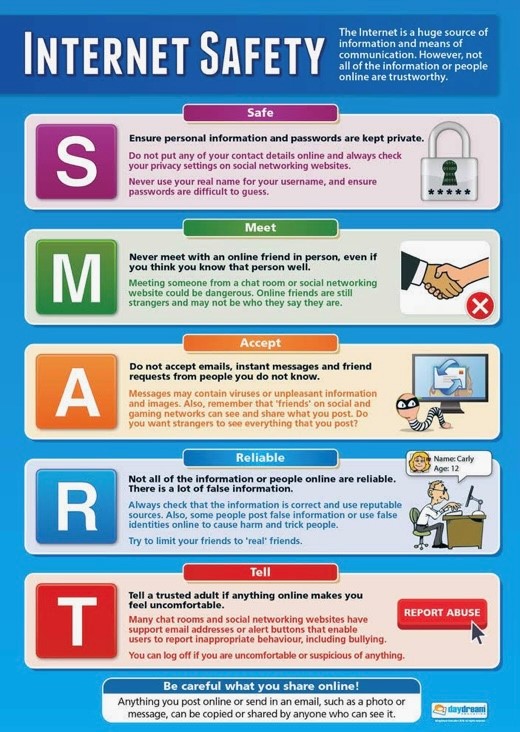
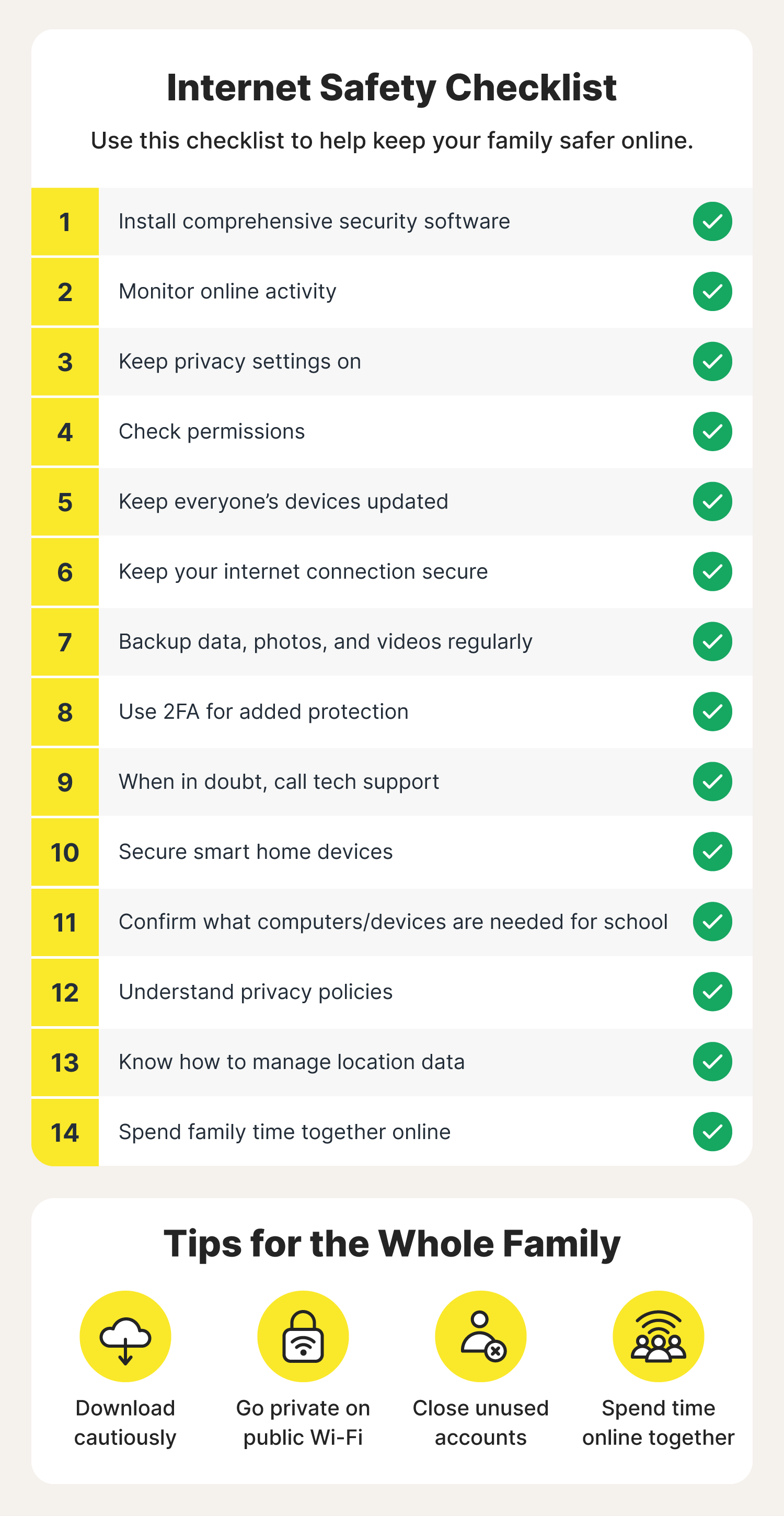
Core concepts covered in “digital footprint for kids” include understanding the permanence of online information and its potential reach. Establishing clear online safety rules provides a foundational framework for younger learners. Practical tips for safeguarding personal information, such as strong password creation and privacy settings, are regularly reinforced. Identifying warning signs of suspicious content or interactions develops crucial protective instincts. Real-life scenarios offer relatable contexts for applying learned principles, enhancing comprehension. Age-appropriate strategies ensure progressive learning; for instance, younger children focus on asking adults before sharing, while elementary grades explore online sharing permissions. Middle and high school students analyze the long-term consequences of their online presence. Educators implement engaging classroom activities like creating digital safety pledges. Discussion prompts encourage reflection on digital choices and their impacts. Home-based approaches involve co-viewing online content and establishing family digital use agreements. Browse more guides on Safe Wired Schools.
Explore More Resources
Consistent engagement with digital safety education strengthens online resilience for all ages. Understanding a child’s digital footprint represents an ongoing, vital learning process. Safewiredschools.org offers a wealth of additional internet safety resources, guides, and printable materials. These tools support continued skill development and reinforce key learning objectives. Exploring these comprehensive resources enhances the collective effort to empower children with essential digital citizenship skills.
Developmental Milestone & Activity Table
| Development Stage | Recommended Daily Duration | Primary Learning Objective |
|---|---|---|
| Preschool & Pre-K | 10 – 15 Minutes | Pencil grip development & basic pre-stroke lines |
| Kindergarten | 15 – 20 Minutes | Letter/number formation & spatial line awareness |
| Early Elementary (Grade 1–2) | 20 – 30 Minutes | Fluency, sentence construction & neatness |