Introduction
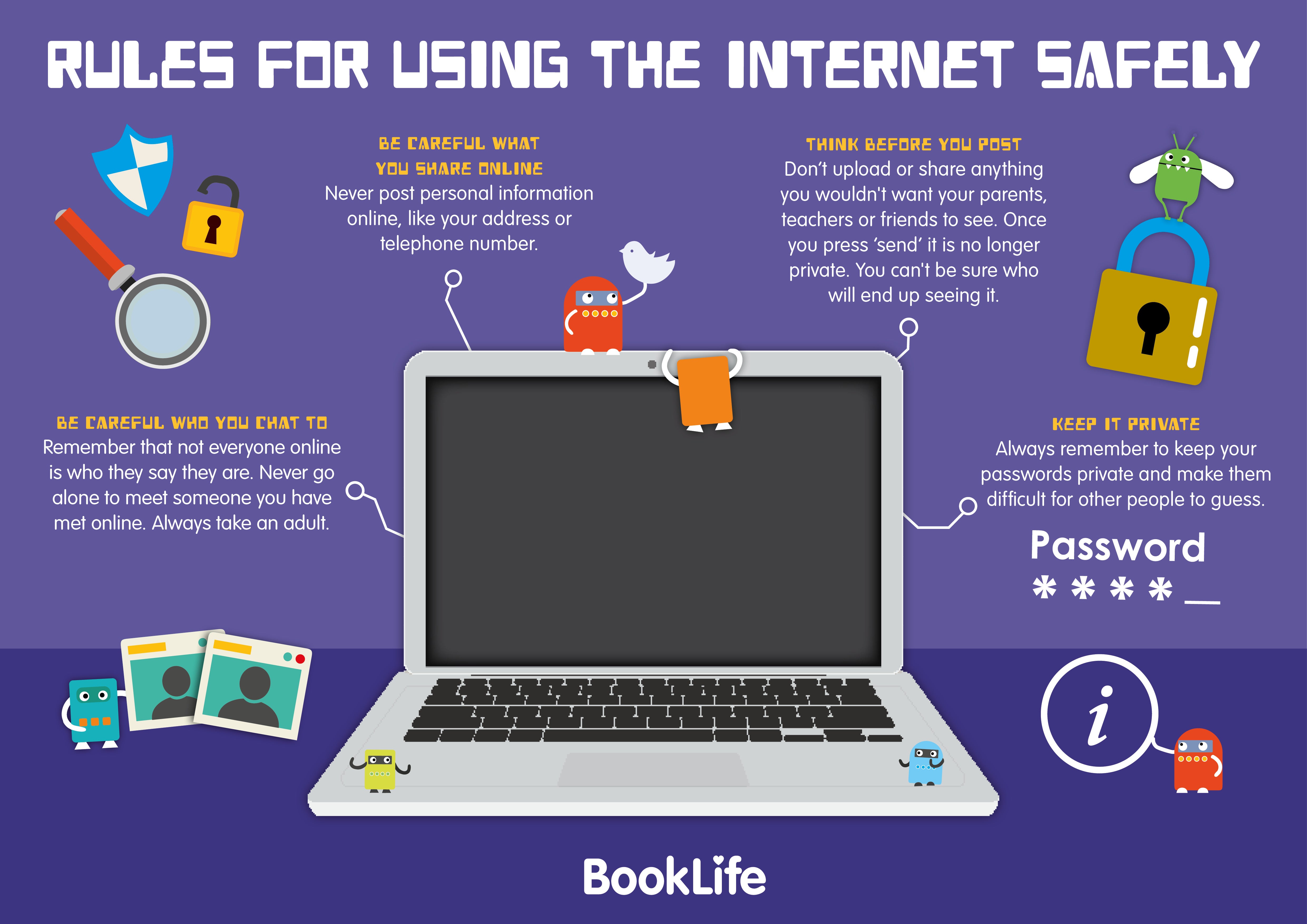
Cybersecurity for kids offers essential instruction for navigating the digital world safely. This crucial topic bridges early elementary curiosity with high school complexities, ensuring a progressive understanding of online risks and protective measures. Building digital awareness begins with foundational lessons in responsible online behavior, directly contributing to personal safety across all internet interactions. Comprehensive internet safety education remains a trusted priority for educators, parents, and school administrations, establishing a secure framework for every child’s online journey. Proactive learning cultivates confident and capable digital citizens. Explore more in our Internet and Digital Safety category.
💡 Educational Key Takeaways:
- Core Skill: Structured Cybersecurity For Kids focused on developing pencil grip, stroke control, and early literacy/math confidence.
- Target Scope: Suited for homeschoolers, preschool, kindergarten, and elementary learners.
- Best Recommendation: Practice 10–15 minutes daily with ergonomic writing tools to reinforce muscle memory without hand fatigue.
Why This Topic Matters
The education surrounding cybersecurity for kids yields demonstrable benefits across various developmental stages. It fosters critical thinking skills essential for evaluating online content and interactions, equipping children with the ability to discern safe from potentially harmful situations. Learning these principles helps build robust digital habits, promoting consistent adherence to best practices for online conduct. Children develop responsible internet use, understanding the implications of their digital footprint and interactions. These measurable outcomes align directly with recognized digital citizenship frameworks and support key child development milestones related to autonomy, social responsibility, and problem-solving. Related guide: Cyberbullying Writing Prompt For Students.
Key Concepts and Teaching Strategies
Core concepts within cybersecurity for kids include understanding personal information boundaries, recognizing common online warning signs, and practicing secure password management. Instruction covers rules for online communication, tips for identifying suspicious links, and strategies for reporting inappropriate content or interactions. Educators and parents can scaffold learning effectively, starting with simple “stop, think, ask” rules for younger children. As students mature, lessons advance to more complex topics such as privacy settings, cyberbullying prevention, and the consequences of sharing misinformation. Practical classroom activities might involve scenario-based discussions about online dilemmas, while home-based approaches could include creating family digital safety agreements and reviewing online games together. Browse more guides on Safe Wired Schools.
Explore More Resources
Consistent engagement with digital safety topics reinforces essential skills for a dynamic online environment. The principles of cybersecurity for kids are not static; continuous learning is vital for adapting to new technologies and emerging threats. Educators and parents are encouraged to explore additional internet safety resources, comprehensive guides, and printable materials available at safewiredschools.org. These tools support ongoing skill development, ensuring every child maintains a strong defense against digital risks.
Developmental Milestone & Activity Table
| Development Stage | Recommended Daily Duration | Primary Learning Objective |
|---|---|---|
| Preschool & Pre-K | 10 – 15 Minutes | Pencil grip development & basic pre-stroke lines |
| Kindergarten | 15 – 20 Minutes | Letter/number formation & spatial line awareness |
| Early Elementary (Grade 1–2) | 20 – 30 Minutes | Fluency, sentence construction & neatness |