Introduction
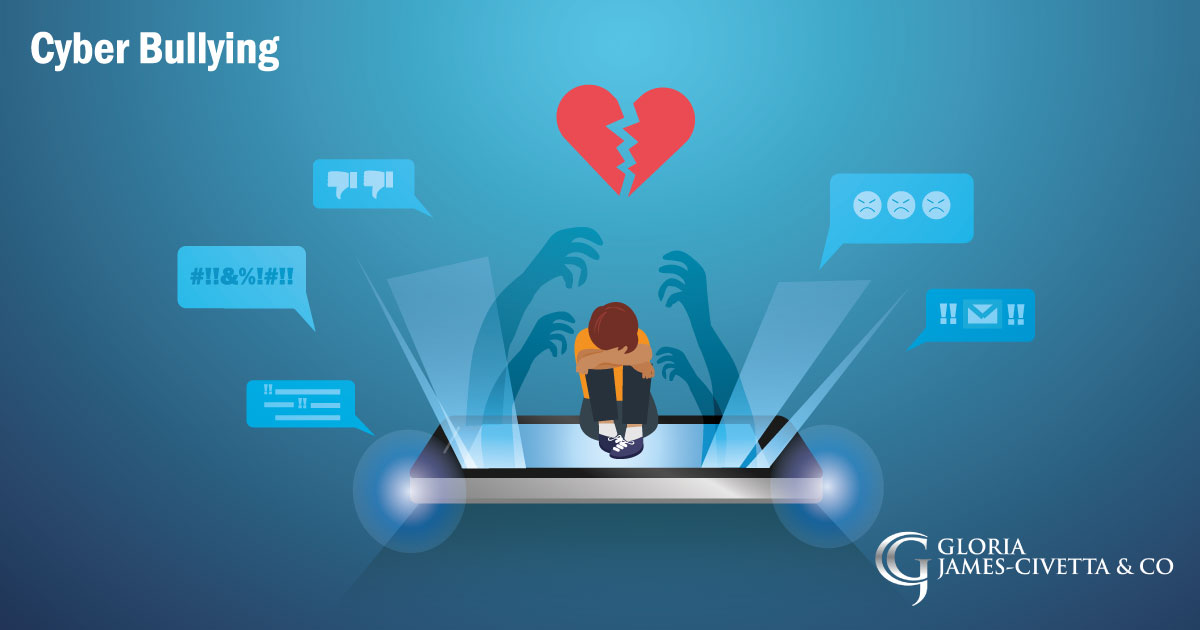
Cyberbullying and online safety encompass the proactive policies, device hygiene protocols, and behavioral frameworks required to protect students from digital harassment, exploitation, and permanent reputational damage within modern educational environments. According to ConnectSafely, establishing clear digital boundaries and open communication channels drastically reduces online risks while fostering positive online behaviors among adolescents. Educational institutions, parents, and community stakeholders share the critical responsibility of implementing preventive safeguards, monitoring student digital footprints, and maintaining balanced screen time limits. Mastery of these concepts ensures that school internet safety protocols remain robust, actionable, and aligned with standard digital citizenship curricula found in specialized Internet and Digital Safety modules.
Digital Safety Snapshot:
- Core Focus: Mitigation of digital harassment, enforcement of strong device hygiene, and management of student digital footprints.
- Target Scope: Middle school students, classroom teachers, school administrators, and concerned parents.
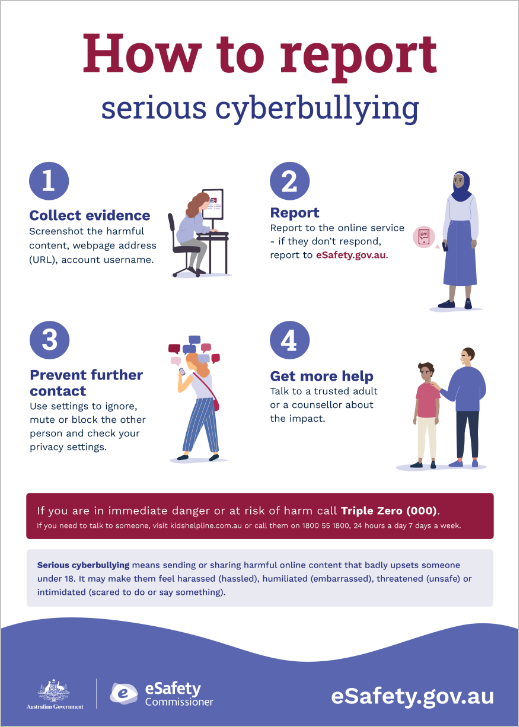
- Key Recommendation: Institutionalize mandatory screenshot retention policies for reporting digital harassment alongside scheduled device audits.
Core Principles and Detailed Overview
Comprehensive cyberbullying prevention requires a multi-layered defense strategy integrating network filtering, robust device hygiene, and consistent classroom screen balance oversight. Direct answer: Cyberbullying prevention succeeds when schools enforce clear acceptable use policies alongside regular student instruction on the permanence of online footprints. Students frequently underestimate how casual online interactions accumulate into permanent digital histories that impact future academic and professional prospects. Educators must actively weave digital citizenship lessons into everyday curricula, utilizing standardized resources such as printable Worksheets to reinforce safe internet habits. Furthermore, device hygiene—ranging from routine password updates to strict logout procedures on shared hardware—prevents unauthorized account access and identity manipulation among peers.
Key Specifications and Breakdown
| Safety Pillar | Digital Risk Factor | Actionable Protective Habit |
|---|---|---|
| Cyberbullying Defense | Anonymous harassment via messaging apps | Documenting malicious communications with timestamps and reporting immediately to administration. |
| Digital Footprint | Oversharing personal data on public forums | Configuring privacy settings to maximum restriction and avoiding location geotagging. |
| Device Hygiene | Shared device session hijacking | Enforcing strict user account switching and automatic timeout protocols. |
Maintaining continuous network visibility and enforcing strict digital behavior standards effectively mitigates cyber threats and preserves student well-being across educational institutions. — Cybersecurity & Infrastructure Security Agency (CISA)
Step-by-Step Practical Application and Guidelines
Effective incident response protocols and balanced classroom screen management require systematic execution by both faculty and families. Direct answer: Establishing a predictable response workflow ensures that reports of online harassment are investigated immediately without violating student privacy or due process. Administrators should mandate that all suspected cyberbullying incidents are documented via secure digital reporting forms rather than informal verbal channels. Teachers must also integrate structured offline intervals during instructional periods to combat digital fatigue and maintain healthy classroom screen balance. Regular audits of school-issued devices ensure that unauthorized applications or bypassing tools are detected and removed promptly, reinforcing institutional security standards.
Common Challenges and How to Avoid Them
Overlooking subtle behavioral shifts and failing to update device management software represent the most frequent vulnerabilities in school safety plans. Direct answer: Addressing hidden cyberbullying requires vigilance toward sudden withdrawal from online platforms, academic decline, or unexplained reluctance to use school devices. Administrators often struggle with off-campus digital incidents that bleed into the school day; however, establishing clear jurisdiction guidelines bridges the gap between home and school environments. Educators must also avoid reactive discipline in favor of restorative digital citizenship education, ensuring students understand the underlying impacts of their online actions rather than merely facing punitive measures. Supplementing these strategies with creative educational materials like Coloring Pages helps younger cohorts grasp foundational rules safely.
💬 Frequently Asked Questions
Explore More Kids Safety and Digital Citizenship Guides on SafeWiredSchools
Educational leaders, teachers, and parents seeking further guidance on safeguarding minors online can access comprehensive resources, expert lesson plans, and defensive strategies directly through the central library at Safe Wired Schools. Continued education remains the cornerstone of modern student protection.
Visual Reference Gallery