Introduction
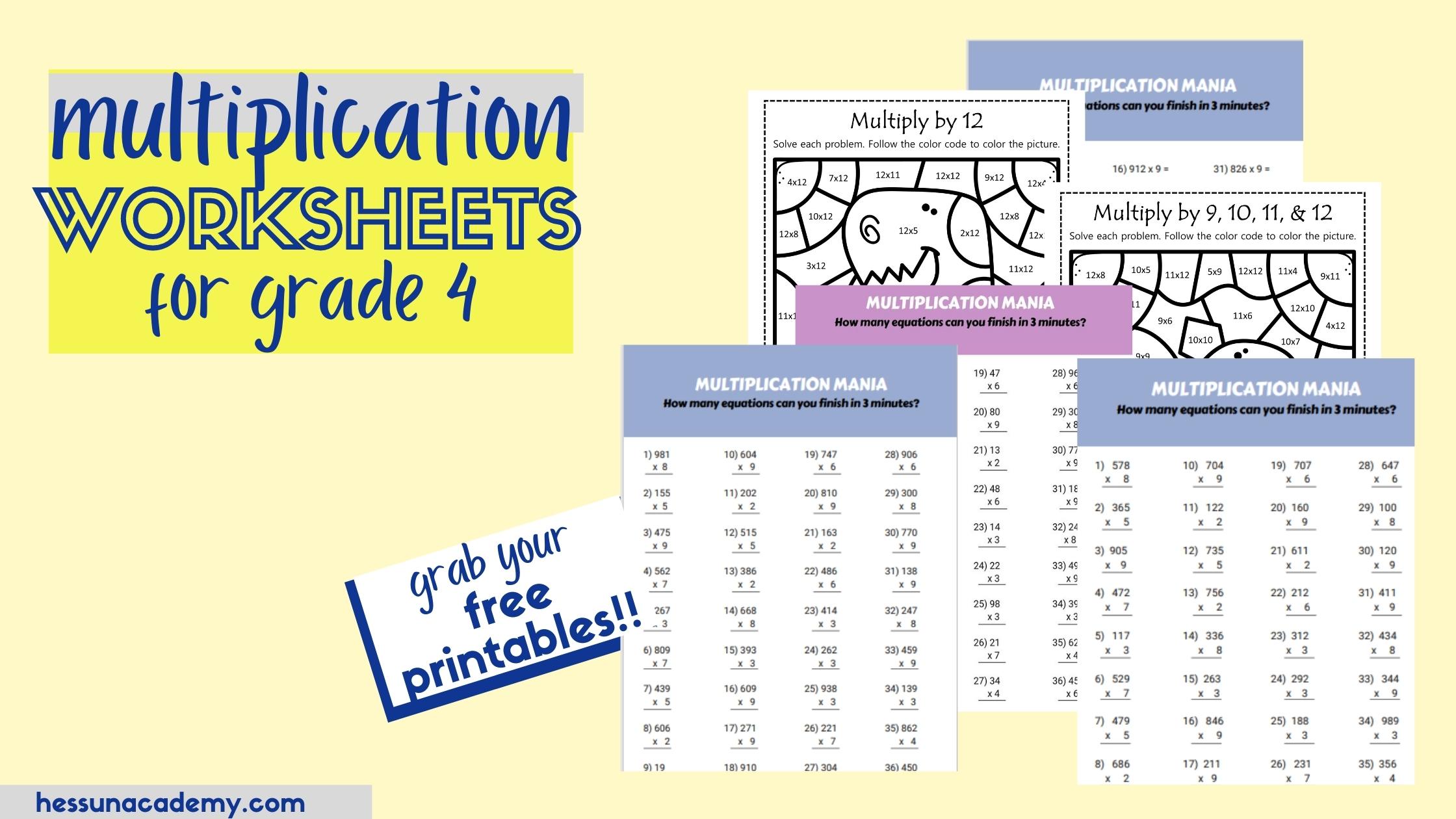
Coloring worksheets grade 4 multiplication represent blended pedagogical resources that combine fundamental arithmetic practice with creative visual engagement while mitigating excessive screen exposure in modern classrooms. According to Family Online Safety Institute (FOSI) research, balancing digital instruction with tactile, offline learning tools significantly enhances cognitive retention and promotes healthier digital habits among developing students. Educators and parents constantly seek structured materials that reinforce fourth-grade mathematical standards—such as multi-digit multiplication and factor identification—without exposing children to online tracking, targeted advertising, or digital distractions. Integrating tangible math resources into daily lesson plans supports comprehensive digital citizenship by establishing intentional boundaries between online research time and offline skill mastery. Navigating device hygiene requires educators to transition away from continuous web-based interactive math games toward physical printables whenever possible. Exploring curated repositories like Worksheets ensures that academic rigor remains completely separated from vulnerable web environments. Protecting young learners from privacy intrusions starts with minimizing unnecessary browser sessions during routine drills.
Digital Safety Snapshot:
- Core Focus: Utilizing offline printable math resources to minimize unnecessary classroom screen time.
- Target Scope: Fourth-grade mathematics instruction integrated with foundational device hygiene principles.
- Key Recommendation: Prioritize physical math printables to reduce student exposure to online data tracking.
Core Principles and Detailed Overview
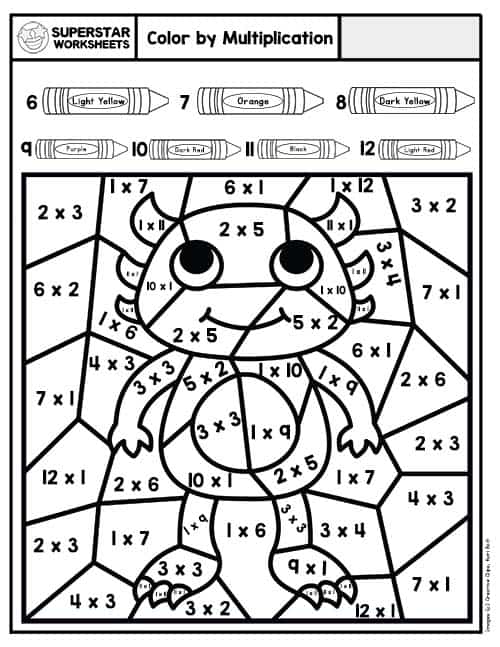
Coloring worksheets grade 4 multiplication provide structured academic engagement that protects children from digital vulnerabilities by replacing unvetted educational apps with secure, offline paper tasks. Digital platforms often harbor hidden data-collection mechanisms, behavioral tracking cookies, and inappropriate advertisements that compromise student privacy. Shifting core arithmetic practice to physical paper safeguards juvenile data profiles and eliminates vectors for cyberbullying that frequently arise inside unregulated multiplayer math portals. Maintaining disciplined classroom screen balance requires instructional designers to evaluate whether a digital tool adds genuine educational value or merely introduces cyber risk. When fourth-grade students solve multiplication equations to reveal hidden mosaic colors, they exercise critical thinking without touching a keyboard or exposing personal identifiers to cloud servers. Utilizing verified offline materials from Coloring Pages reinforces safe pedagogical boundaries across primary school environments. Establishing these tangible routines prevents overreliance on digital devices during formative developmental years.
Key Specifications and Breakdown
| Safety Pillar | Digital Risk Factor | Actionable Protective Habit |
|---|---|---|
| Data Privacy | Third-party behavioral tracking in online math apps | Utilize offline printables to keep student metrics private |
| Screen Balance | Digital eye strain and sedentary classroom habits | Incorporate tactile coloring tasks to encourage hand mobility |
| Cyber Hygiene | Unmoderated peer chat features in gaming math portals | Restrict arithmetic practice to standalone printed worksheets |
Balancing physical tactile learning with digital instruction preserves cognitive focus and eliminates third-party data tracking risks in elementary education. — ConnectSafely Research Guidelines. Related guide: How Do You Spell Isabella In Cursive.
Step-by-Step Practical Application and Guidelines
Implementing coloring worksheets grade 4 multiplication effectively across school and home settings involves auditing instructional materials for data security, verifying source credibility, and establishing clear boundaries for device-free study blocks. Educators and parents must first inspect digital download sources to guarantee that PDF printables are obtained from secure, reputable platforms that do not require mandatory user accounts or email registrations. Once acquired, print these mathematics exercises in bulk to maintain an accessible offline supply, effectively eliminating the temptation to open laptop browsers for simple arithmetic practice. Teachers should integrate these worksheets into morning routines or transition periods to naturally reduce daily screen exposure metrics. Furthermore, supervising adults should discuss why stepping away from monitors supports personal focus and data protection. Reviewing digital footprint fundamentals alongside math lessons connects routine classroom activities with broader principles found within Internet and Digital Safety modules, ensuring holistic digital citizenship education.
Common Challenges and How to Avoid Them
Overcoming friction when replacing digital math games with analog printables requires addressing common misconceptions regarding student engagement and resource availability. Educators often worry that offline worksheets lack the dynamic appeal of computer-based games, but pairing mathematics with artistic coloring naturally maintains high motivation levels among fourth-grade students. Another frequent oversight involves downloading worksheets from unverified websites that bundle educational content with malicious pop-ups or data-harvesting scripts. Administrators must enforce strict vetting protocols for all printable resources, ensuring that school networks remain free from unsecured external links. Maintaining consistent device hygiene standards prevents unauthorized software installations on classroom hardware. By proactively addressing these operational hurdles, schools create secure learning ecosystems that prioritize academic growth alongside rigorous cyber protection.
💬 Frequently Asked Questions
Explore More Kids Safety and Digital Citizenship Guides on SafeWiredSchools
Safeguarding modern students requires an ongoing commitment to balanced technology use, rigorous device hygiene, and comprehensive privacy education across every grade level. Educators, school administrators, and parents can access a vast library of expert-vetted resources, defensive strategies, and policy frameworks by visiting Safe Wired Schools. Continued exploration of specialized guides, such as those found under Online and Digital Safety, empowers communities to build safer, more resilient digital learning environments for all children.
Printable Coloring Page Previews