Introduction
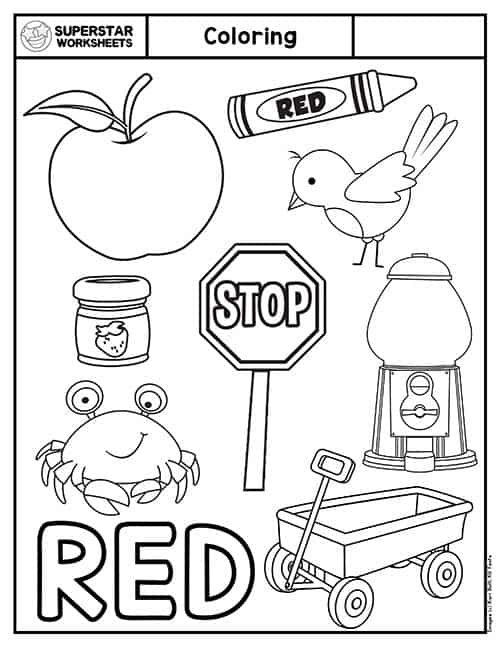
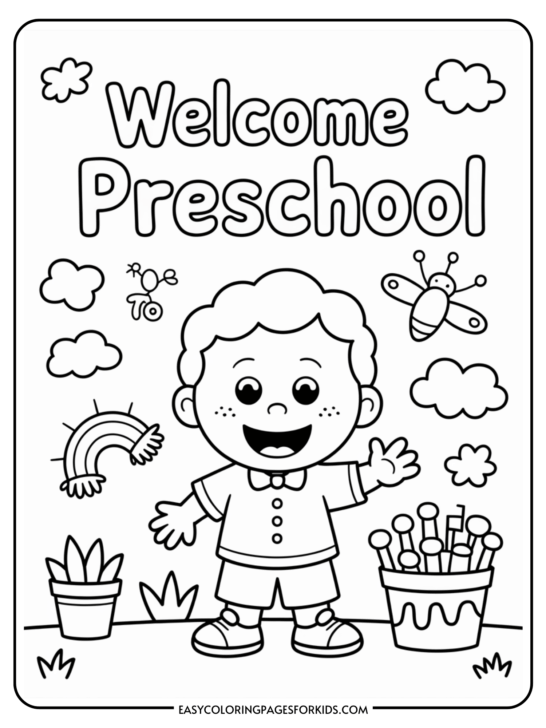
Coloring worksheets for daycare represent foundational analog tools designed to support early childhood cognitive development while mitigating excessive screen exposure in institutional and home environments. According to ConnectSafely, establishing balanced offline activities during early childhood significantly enhances attention spans and reduces vulnerability to early digital overload. Integrating tactile materials into daily schedules reinforces foundational learning habits without compromising online security protocols or expanding a child’s digital footprint prematurely. Utilizing structured Coloring Pages offers educators a reliable offline alternative to device-based entertainment.
Digital Safety Snapshot:
- Core Focus: Direct deployment of analog coloring worksheets for daycare to limit young children’s digital exposure.
- Target Scope: Early childhood education centers, elementary classrooms, and home-schooling environments.
- Key Recommendation: Prioritize physical printables over tablet-based drawing applications to safeguard developing cognitive boundaries.
Core Principles and Detailed Overview
Managing screen time balance through analog resources establishes critical classroom boundaries that support long-term digital citizenship and device hygiene. Direct enforcement of screen-free educational intervals prevents toddlers from developing premature dependency on interactive media platforms that track behavioral data. When early childhood educators substitute digital drawing tablets with printed resources, institutional networks experience reduced bandwidth consumption and lower exposure to malicious tracking cookies. Incorporating certified educational Worksheets ensures compliance with privacy frameworks designed to protect minor data collection in educational settings.
Key Specifications and Breakdown
| Safety Pillar | Digital Risk Factor | Actionable Protective Habit |
|---|---|---|
| Screen Balance | Premature device addiction and cognitive fatigue. | Enforce mandatory analog activity blocks during morning routines. |
| Data Privacy | Exploitative behavioral tracking via children’s apps. | Utilize secure offline printables instead of unverified coloring software. |
| Device Hygiene | Hardware degradation from shared tablet usage. | Rotate physical supplies to minimize shared touchscreen contamination. |
Minimizing young children’s exposure to digital tracking mechanisms through physical learning tools is essential for establishing strong privacy boundaries early in life. — Cybersecurity & Infrastructure Security Agency (CISA)
Step-by-Step Practical Application and Guidelines
Implementing offline educational routines requires systematic planning by school administrators and daycare directors to transition children away from interactive displays effectively. Establishing a designated offline zone equipped with physical writing utensils and printed materials ensures clear separation between digital learning modules and creative playtime. Educators must audit digital resource repositories regularly to ensure that downloaded printable activities originate from secure educational domains free from aggressive behavioral trackers. Maintaining strict separation between digital administrative tools and student engagement spaces preserves institutional network security while fostering healthy physical motor skill development.
Common Challenges and How to Avoid Them
Over-reliance on digital convenience often tempts educators to substitute printed materials with touchscreen drawing tools, inadvertently expanding student digital footprints at an early age. Mitigating this risk involves conducting routine institutional audits of classroom technology usage to ensure compliance with comprehensive Internet and Digital Safety policies. Educators must actively resist administrative pressures to digitize every early childhood curriculum component, recognizing that tactile motor skill execution remains vital for healthy neurological growth. Consistent reinforcement of offline boundaries safeguards young learners against cyber threats and unauthorized data collection long before formal device access begins.
💬 Frequently Asked Questions
Explore More Kids Safety and Digital Citizenship Guides on SafeWiredSchools
Protecting young learners requires continuous education across all developmental stages, from early childhood classrooms to advanced digital citizenship modules. Educators, parents, and administrators can access comprehensive safety frameworks, defensive strategies, and policy guides by visiting the complete resource library at Safe Wired Schools.
Printable Coloring Page Previews