Introduction
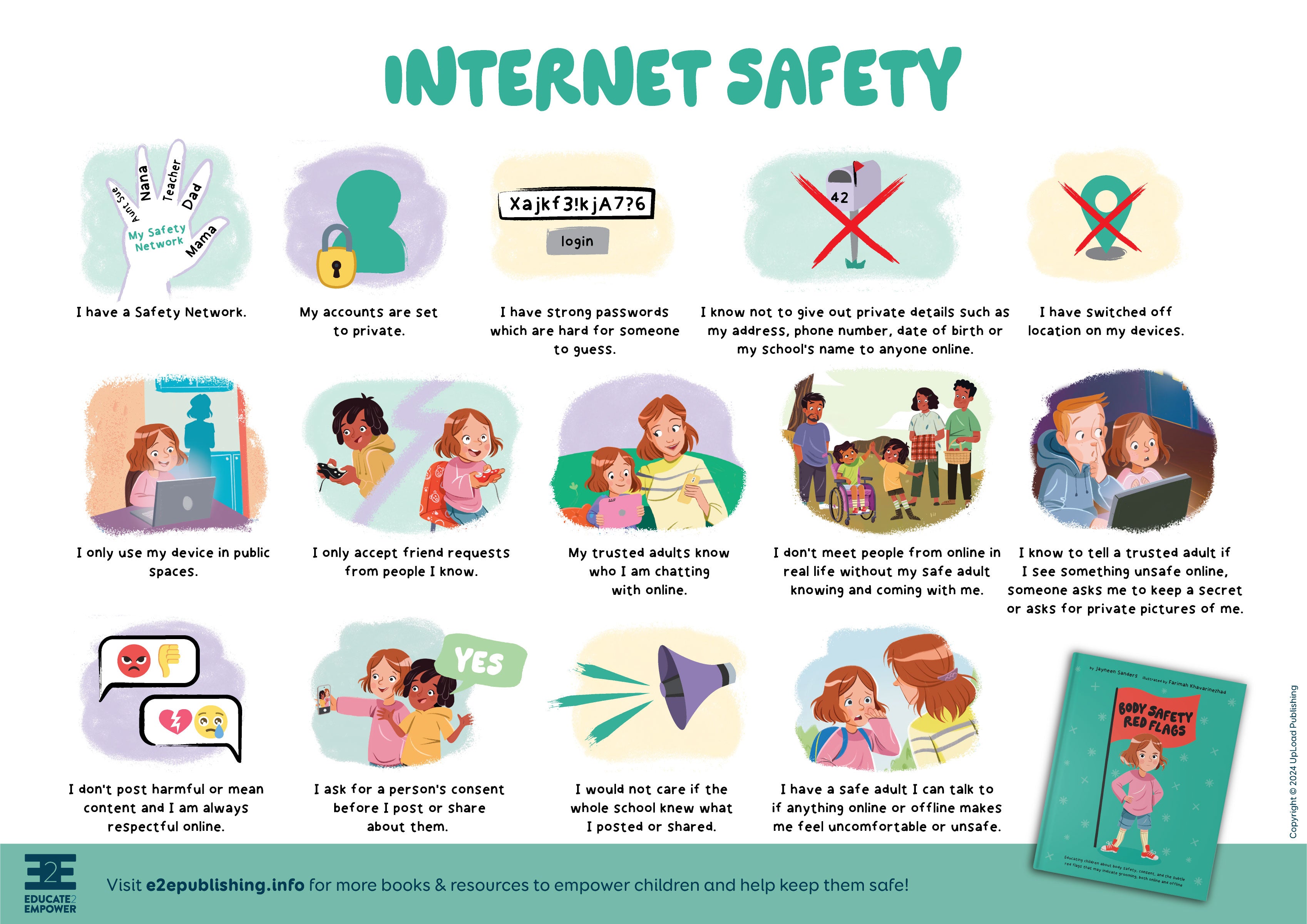
“AI ethics for kids” represents a vital educational framework spanning preschool through high school, encompassing ages 3 to 18. This foundational initiative establishes core principles for responsible online engagement, fostering robust digital awareness and promoting personal safety. Comprehensive internet safety education remains a trusted priority for learning institutions, parental guidance, and community well-being. Proactive instruction in safe digital practices prepares young individuals for an increasingly connected world, ensuring their protection and empowering their informed participation. This curriculums focus lies in equipping learners with essential tools for navigating digital environments securely. Explore more in our Internet and Digital Safety category.
💡 Educational Key Takeaways:
- Core Skill: Structured AI Ethics For Kids focused on developing pencil grip, stroke control, and early literacy/math confidence.
- Target Scope: Suited for homeschoolers, preschool, kindergarten, and elementary learners.
- Best Recommendation: Practice 10–15 minutes daily with ergonomic writing tools to reinforce muscle memory without hand fatigue.
Why This Topic Matters
“AI ethics for kids” delivers measurable learning benefits, enhancing critical thinking skills within digital spaces. Participants develop the ability to identify online risks, cultivating secure digital habits. This educational pathway supports responsible internet use, aligning with key digital citizenship competencies. Early intervention strengthens a child’s capacity for safe online navigation, a fundamental aspect of contemporary development. Mastery of these skills prevents exposure to harmful content and interactions. The curriculum builds a proactive defense against evolving online challenges, ensuring a generation capable of discerning safe digital pathways. Related guide: Digital Bullying Prevention Activities For Young Children.
Key Concepts and Teaching Strategies
The “AI ethics for kids” framework covers essential concepts: clear online rules, practical safety tips, and recognizable warning signs. Learning progresses through age-appropriate strategies, moving from basic recognition to complex real-life scenario analysis. Educators can implement interactive classroom activities, such as collaborative problem-solving discussions and role-playing exercises. Parents reinforce these lessons through consistent home-based approaches, including family media agreements and supervised online exploration. Scaffolding ensures that foundational knowledge builds sequentially, adapting to developmental stages. Engaging prompts encourage open communication about digital experiences, fostering a safe environment for questions and learning. Browse more guides on Safe Wired Schools.
Explore More Resources
Consistent engagement with digital safety learning routines reinforces the enduring value of “AI ethics for kids.” Ongoing education strengthens protective measures and builds lasting safe online habits. Additional internet safety resources, comprehensive guides, and printable materials are available at safewiredschools.org. These tools support continued skill development for all learners. Further exploration of these resources enhances collective efforts in fostering a secure digital future.
Developmental Milestone & Activity Table
| Development Stage | Recommended Daily Duration | Primary Learning Objective |
|---|---|---|
| Preschool & Pre-K | 10 – 15 Minutes | Pencil grip development & basic pre-stroke lines |
| Kindergarten | 15 – 20 Minutes | Letter/number formation & spatial line awareness |
| Early Elementary (Grade 1–2) | 20 – 30 Minutes | Fluency, sentence construction & neatness |