Introduction
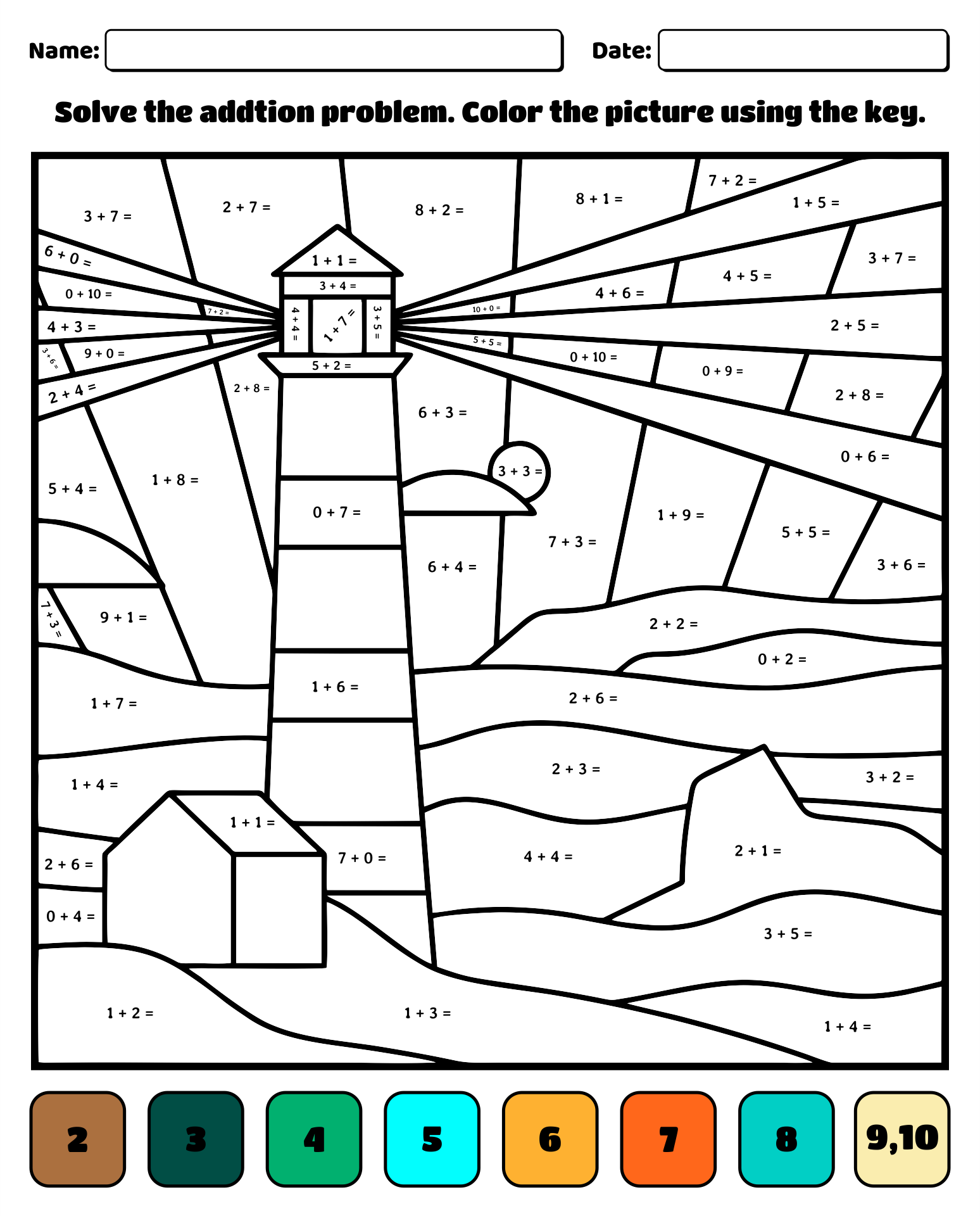
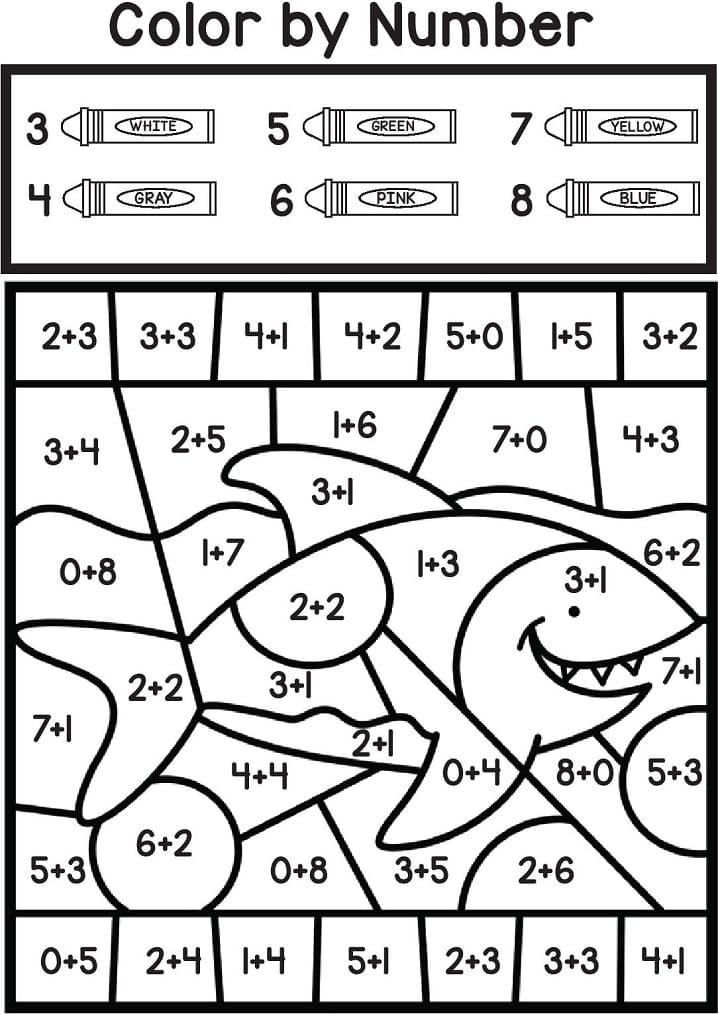
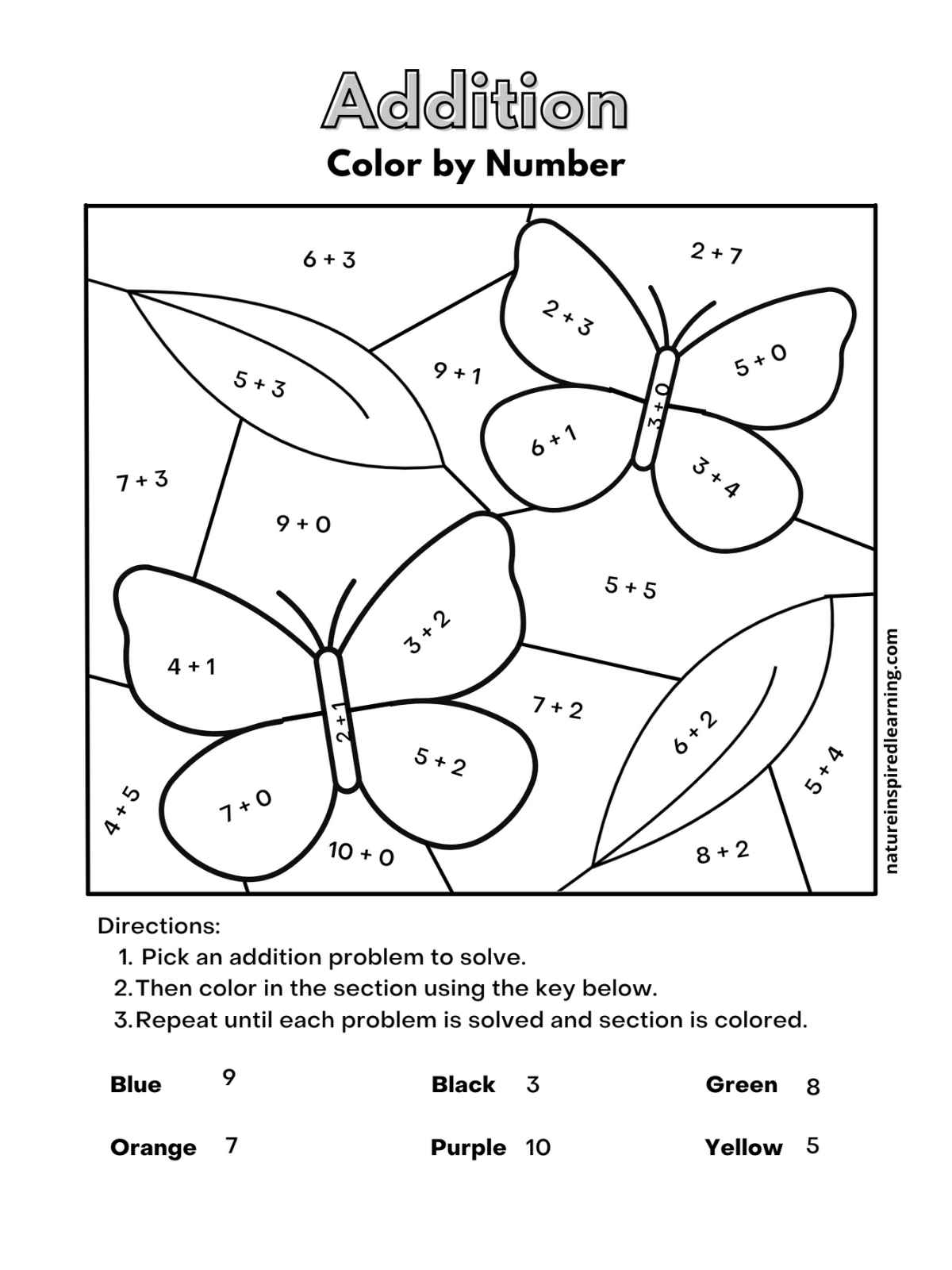
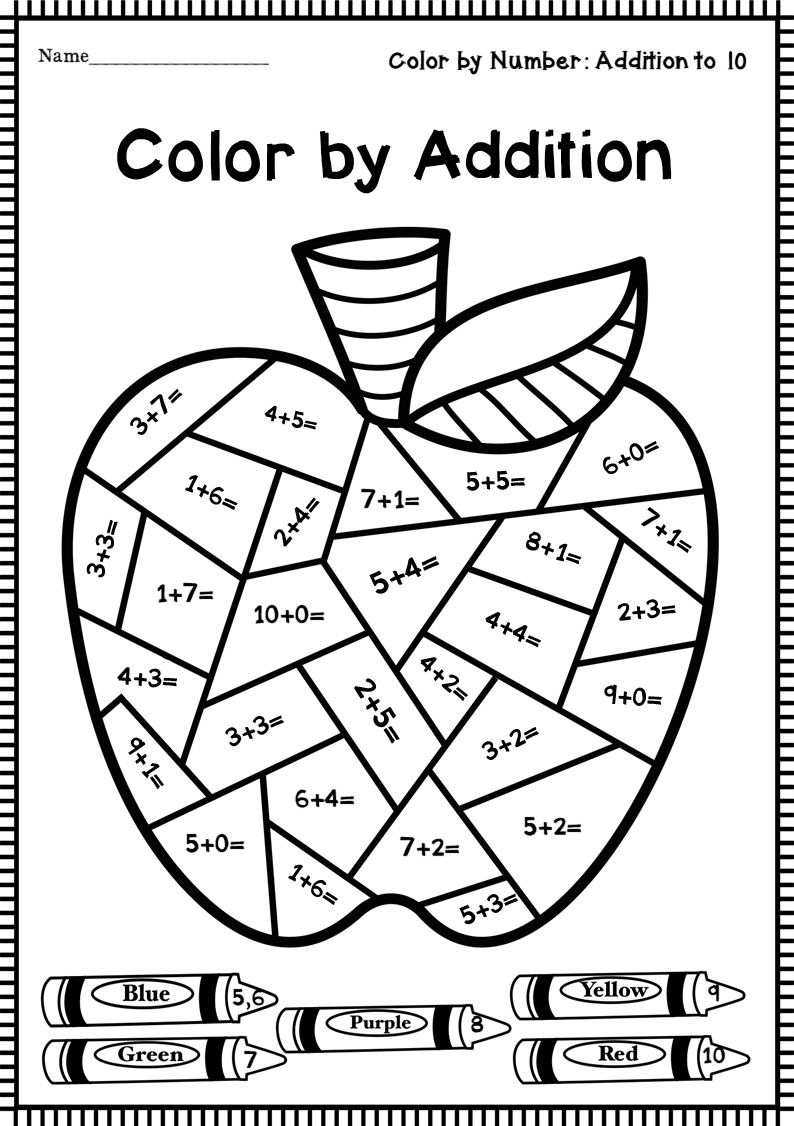
Coloring worksheets addition refers to blended educational resources combining arithmetic practice with color-by-number creative tasks, serving as a dual-purpose pedagogical tool for early grade learners. According to Family Online Safety Institute (FOSI), equipping children with balanced offline learning routines significantly mitigates excessive screen time vulnerabilities while reinforcing foundational academic skills. Educators and parents constantly seek structured offline materials like Worksheets to maintain healthy cognitive boundaries in digital classrooms. Transitioning young learners away from screens through hands-on mathematics prevents digital fatigue, reduces online tracking exposures, and establishes robust foundational habits for long-term cyber wellness.
Digital Safety Snapshot:
- Core Focus: Blending arithmetic problem-solving with creative coloring to reduce screen-based vulnerabilities.
- Target Scope: Elementary school classrooms, homeschool environments, and digital-free study zones.
- Key Recommendation: Prioritize printed physical worksheets over tablet-based coloring applications to safeguard student privacy.
Core Principles and Detailed Overview
Protecting student digital footprints begins by intentionally substituting screen-bound math apps with physical activity sheets that require zero network connectivity. Educational environments frequently overlook how seemingly harmless digital coloring and arithmetic applications harvest telemetry data, compromise student privacy, and expose minors to behavioral tracking. By integrating tangible tasks like traditional addition coloring sheets into daily lesson plans, schools minimize device interaction time and drastically lower institutional cyber attack surfaces. Furthermore, utilizing physical learning aids reinforces vital concepts found across specialized resources like Coloring Pages without triggering device-level telemetry collection or ad-tracking algorithms.
Key Specifications and Breakdown
| Safety Pillar | Digital Risk Factor | Actionable Protective Habit |
|---|---|---|
| Data Privacy | App-based math programs collecting unverified student telemetry and behavioral profiles. | Utilize printed physical worksheets instead of proprietary educational software. |
| Screen Balance | Excessive daily device exposure leading to digital fatigue and attention fragmentation. | Establish mandatory offline study blocks utilizing hands-on arithmetic tasks. |
| Device Hygiene | Cross-site tracking scripts embedded within unverified online educational portals. | Audit digital resource repositories through secure educational safety filters. |
Balancing physical offline learning materials directly correlates with enhanced cognitive retention and superior digital boundary enforcement among school-aged children. — Cybersecurity & Infrastructure Security Agency (CISA)
Step-by-Step Practical Application and Guidelines
Implementing offline learning protocols effectively requires educators and parents to establish rigorous vetting standards for all distributed educational media. First, audit existing arithmetic materials to eliminate reliance on web-based portals that require user accounts or login credentials. Second, replace interactive tablet games with verified, downloadable printables that foster mathematical accuracy through manual color-coding. Third, store downloaded instructional documents on secure, password-protected local drives rather than vulnerable public cloud spaces. Finally, review specialized safety protocols detailed in Online and Digital Safety to ensure institutional printing procedures comply with student data privacy frameworks.
Common Challenges and How to Avoid Them
Over-reliance on convenience-driven digital applications often introduces hidden tracking mechanisms into everyday elementary school lesson planning. Educational administrators occasionally deploy third-party math software without recognizing the underlying data collection policies governing minor users. Avoiding these vulnerabilities requires enforcing strict procurement policies that prioritize offline print media for foundational drills. Teachers and parents must regularly inspect downloaded instructional files for embedded hyperlinks or tracking tokens, ensuring that creative mathematics tasks remain completely isolated from commercial data brokers.
💬 Frequently Asked Questions
Explore More Kids Safety and Digital Citizenship Guides on SafeWiredSchools
Maintaining a comprehensive defense against digital vulnerabilities requires ongoing education, rigorous device hygiene, and a strong commitment to balanced classroom environments. Educators, administrators, and caregivers are encouraged to expand their institutional safety knowledge by exploring the complete resource library available at Safe Wired Schools. For continuous updates on protecting student data and managing digital footprints, review comprehensive guidelines under Internet and Digital Safety.
Printable Coloring Page Previews