Introduction
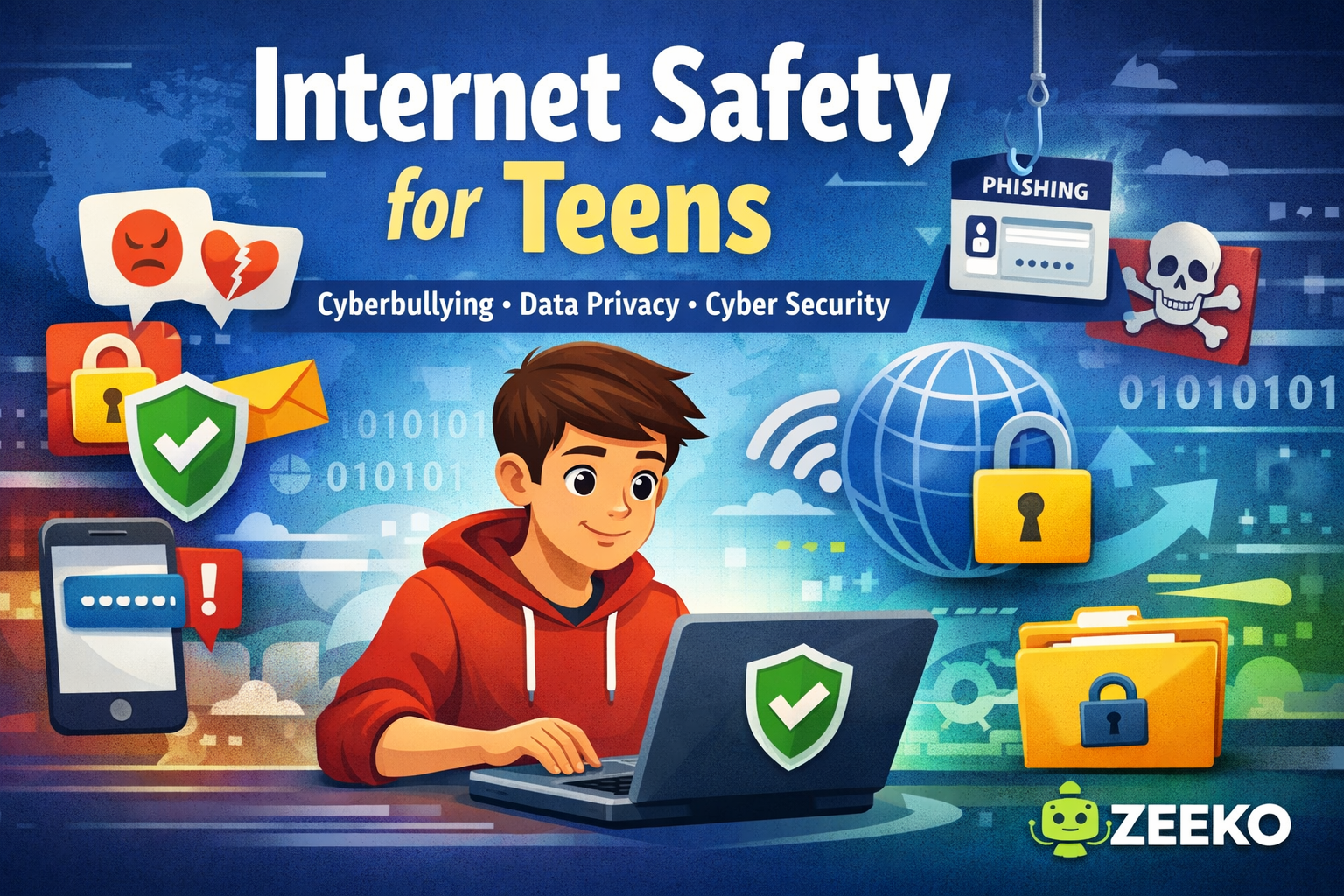
An online internet safety course provides structured, evidence-based training designed to equip students, educators, and parents with the technical skills and behavioral frameworks necessary to navigate digital environments securely. According to the Cybersecurity and Infrastructure Security Agency (CISA), maintaining robust cybersecurity requires a multifaceted approach involving regular software updates, strong password hygiene, and a vigilant awareness of social engineering tactics. Implementing such a course within school curricula fosters a culture of responsibility, directly addressing the complexities of digital footprints, cyberbullying, and device management. Engaging with Internet and Digital Safety resources ensures that academic environments remain protected against evolving virtual threats.
Digital Safety Snapshot:
- Core Focus: Establishing proactive defensive habits and ethical digital decision-making for K-12 learners.
- Target Scope: Middle school classrooms, administrative policy integration, and home-based digital supervision.
- Key Recommendation: Mandate standardized digital hygiene training as a prerequisite for school-issued device access.
Core Principles and Detailed Overview
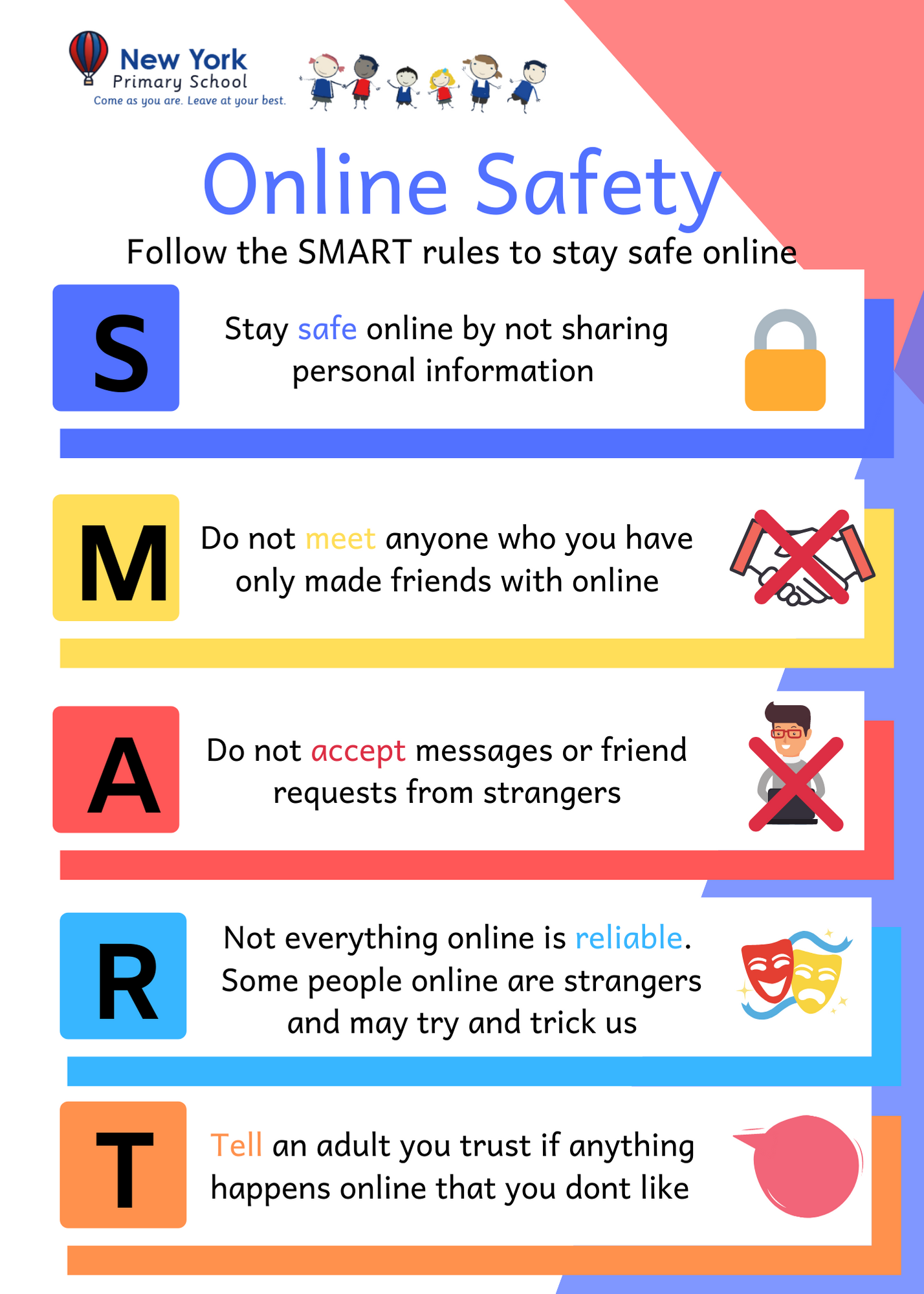
Online internet safety courses function by systematically deconstructing digital threats into manageable, actionable protocols that students can apply to everyday device usage. The primary objective involves shifting student behavior from passive consumption to active, critical engagement with digital content. This process necessitates the integration of Worksheets that reinforce lesson retention through scenario-based learning. By focusing on device hygiene—such as secure network connections and permission management—students learn to safeguard personal information against unauthorized access. Furthermore, these courses emphasize the permanence of the digital footprint, ensuring students understand that online interactions have long-term consequences on reputation and future opportunities.
Key Specifications and Breakdown
| Safety Pillar | Digital Risk Factor | Actionable Protective Habit |
|---|---|---|
| Digital Footprint | Permanent reputation damage | Audit social profiles regularly |
| Cyberbullying | Harassment and social isolation | Document evidence and report |
| Device Hygiene | Malware and account breaches | Enable multi-factor authentication |
Secure by Design Principle: Technology providers and educational institutions must prioritize user safety by implementing default privacy settings and minimizing data collection practices. — Cybersecurity & Infrastructure Security Agency (CISA)
Step-by-Step Practical Application and Guidelines
Effective implementation of an online internet safety course requires a sequential approach that transitions from foundational awareness to technical execution. Educators should begin by establishing clear classroom screen balance policies, which limit unnecessary device exposure during instructional hours to promote cognitive focus. Following this, administrators must facilitate age-appropriate workshops that teach students how to identify phishing attempts and recognize the signs of cyberbullying. Encouraging the use of Online and Digital Safety tools allows for real-time practice of these safety protocols. Parents play a critical role by extending these lessons into the home environment, ensuring that device usage remains transparent and supervised through shared accountability agreements.
Common Challenges and How to Avoid Them
Overcoming inconsistent application of safety protocols remains the most significant challenge for school administrators and parents alike. Many institutions struggle with “compliance-only” training, which fails to engage students in meaningful behavioral change; therefore, interactive, scenario-based learning must replace static, lecture-heavy formats. Another frequent oversight involves neglecting the nuances of peer-to-peer digital communication, where cyberbullying often originates. By utilizing high-quality Coloring Pages and interactive modules for younger students, educators can introduce complex concepts in a non-threatening manner. Consistent follow-up and periodic reviews of school-wide digital policies are essential to ensuring that safety measures evolve alongside new digital trends.
💬 Frequently Asked Questions
Explore More Kids Safety and Digital Citizenship Guides on SafeWiredSchools
Comprehensive digital citizenship is a continuous process that demands ongoing education and collaboration between schools and families. Access the full library of resources, including pedagogical guides and student-focused materials, by visiting Safe Wired Schools to strengthen the collective commitment to student safety in an increasingly connected world.
Visual Reference Gallery