Introduction
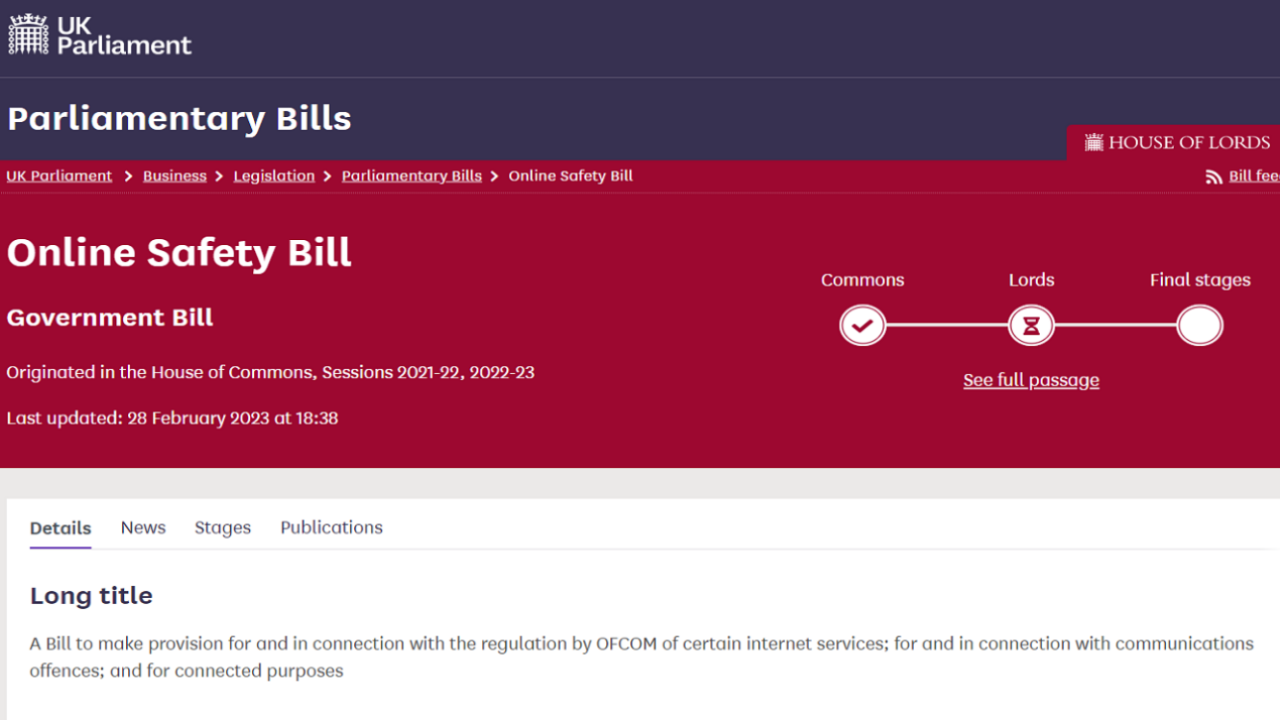
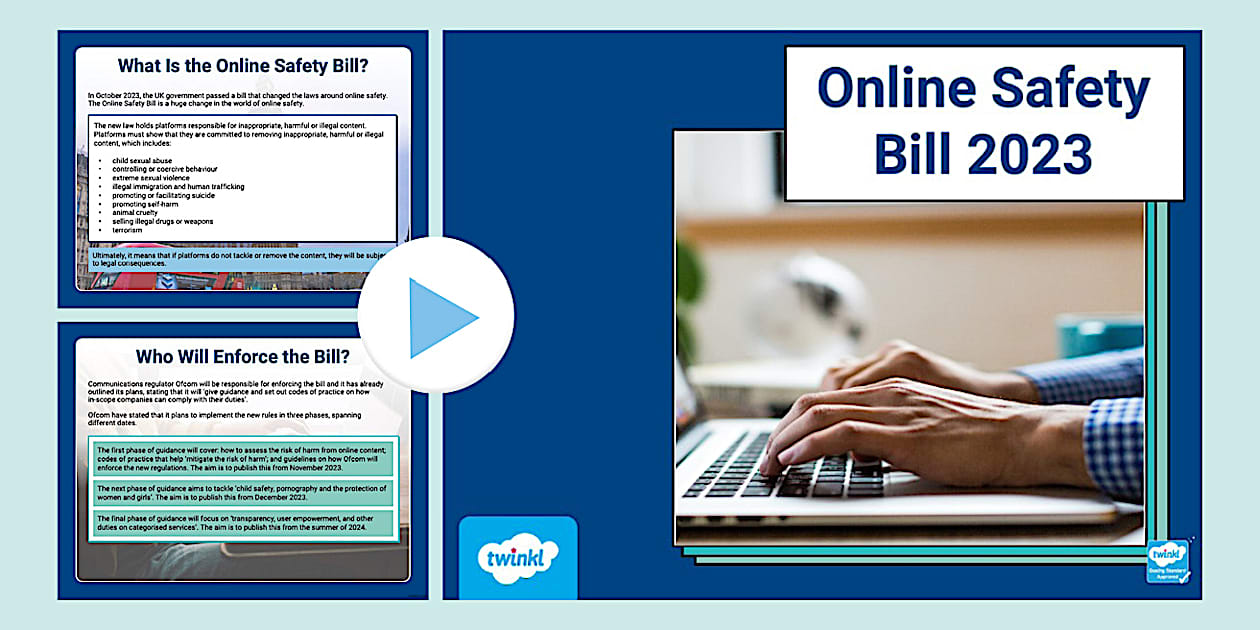
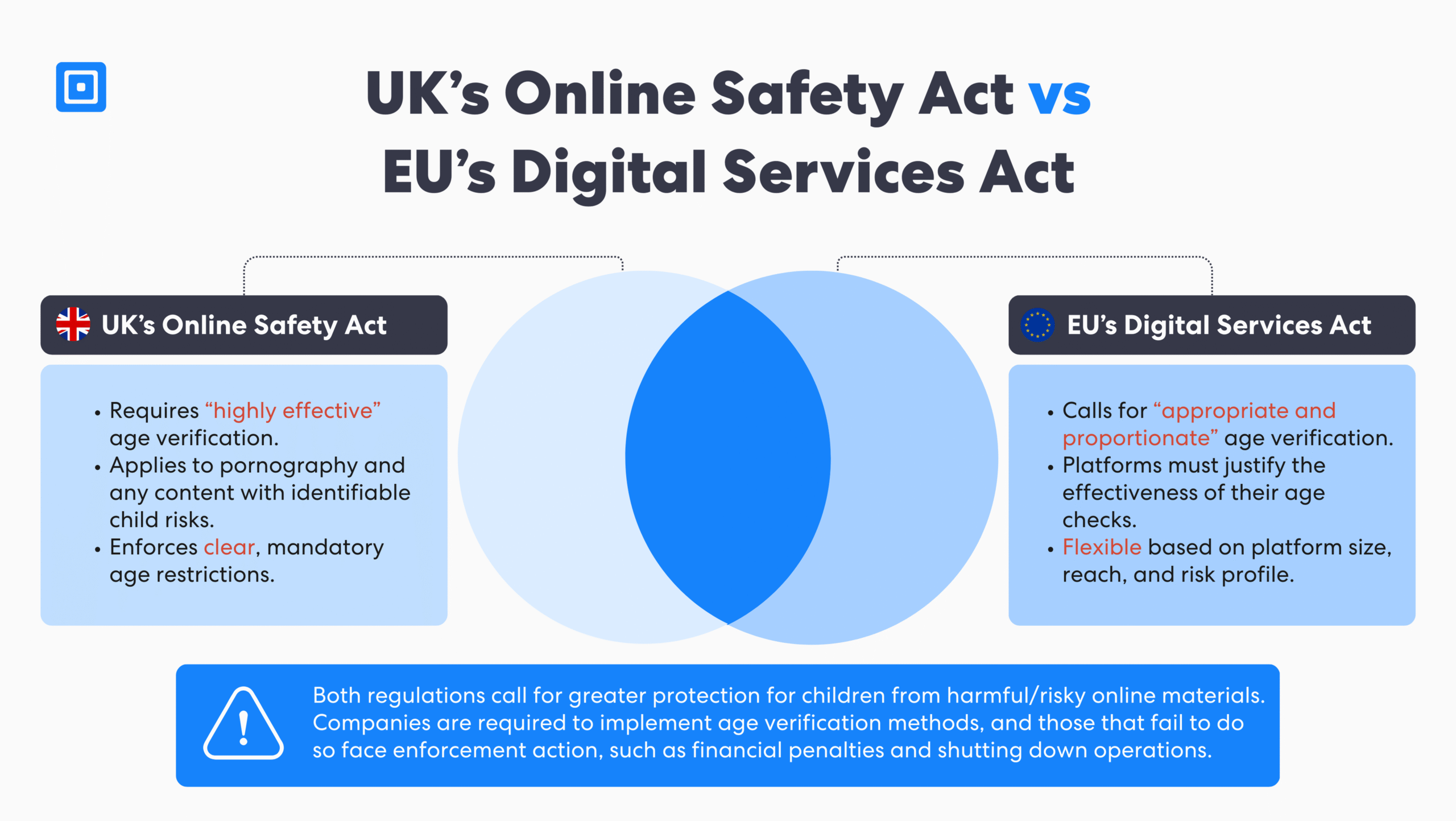
Legislative frameworks such as the Digital Services Act and Online Safety Bill establish mandatory accountability standards for technology platforms hosting minor users in educational and domestic environments. According to ConnectSafely, establishing robust institutional oversight and clear technical boundaries significantly reduces adolescent exposure to harmful digital content while fostering healthy technological habits. Modern school districts, educators, and families must understand these regulatory instruments to enforce effective device hygiene, curate balanced screen time, and protect student data profiles across institutional networks. Grounding student digital citizenship in these systemic safeguards protects youthful populations from predatory algorithms, unchecked cyberbullying vectors, and permanent digital footprint vulnerabilities.
Digital Safety Snapshot:
- Core Focus: Regulatory standards governing platform accountability, data minimization, and minor-protection mandates.
- Target Scope: Middle school students, classroom environments, institutional networks, and domestic devices.
- Key Recommendation: Enforce strict platform configuration baselines alongside continuous digital literacy curricula.
Core Principles and Detailed Overview
The Digital Services Act and Online Safety Bill fundamentally shift the legal burden of online protection from individual minors onto technology corporations and institutional network administrators. Compliance demands that digital platforms implement stringent default privacy settings, disable targeted advertising for underage accounts, and establish rapid content-removal workflows for cyberbullying incidents. Within educational facilities, administrators apply these legislative intentions through localized network filters, strict device hygiene protocols, and intentional classroom screen balance strategies. By aligning institutional internet policies with international regulatory benchmarks, schools create predictable, low-risk environments where young learners navigate digital tools safely without compromising academic focus.
Key Specifications and Breakdown
| Safety Pillar | Digital Risk Factor | Actionable Protective Habit |
|---|---|---|
| Platform Accountability | Addictive algorithmic feeds and unvetted peer content | Internet and Digital Safety monitoring via institutional firewalls. |
| Digital Footprint Protection | Permanent data harvesting and unmonitored profile creation | Enforcing privacy-first account defaults and minimal data sharing. |
| Classroom Screen Balance | Academic distraction and fragmented cognitive attention spans | Establishing dedicated offline intervals during instructional periods. |
Institutional risk mitigation requires continuous alignment with recognized cybersecurity frameworks, emphasizing default safety-by-design principles for all connected educational hardware. — Cybersecurity & Infrastructure Security Agency (CISA)
Step-by-Step Practical Application and Guidelines
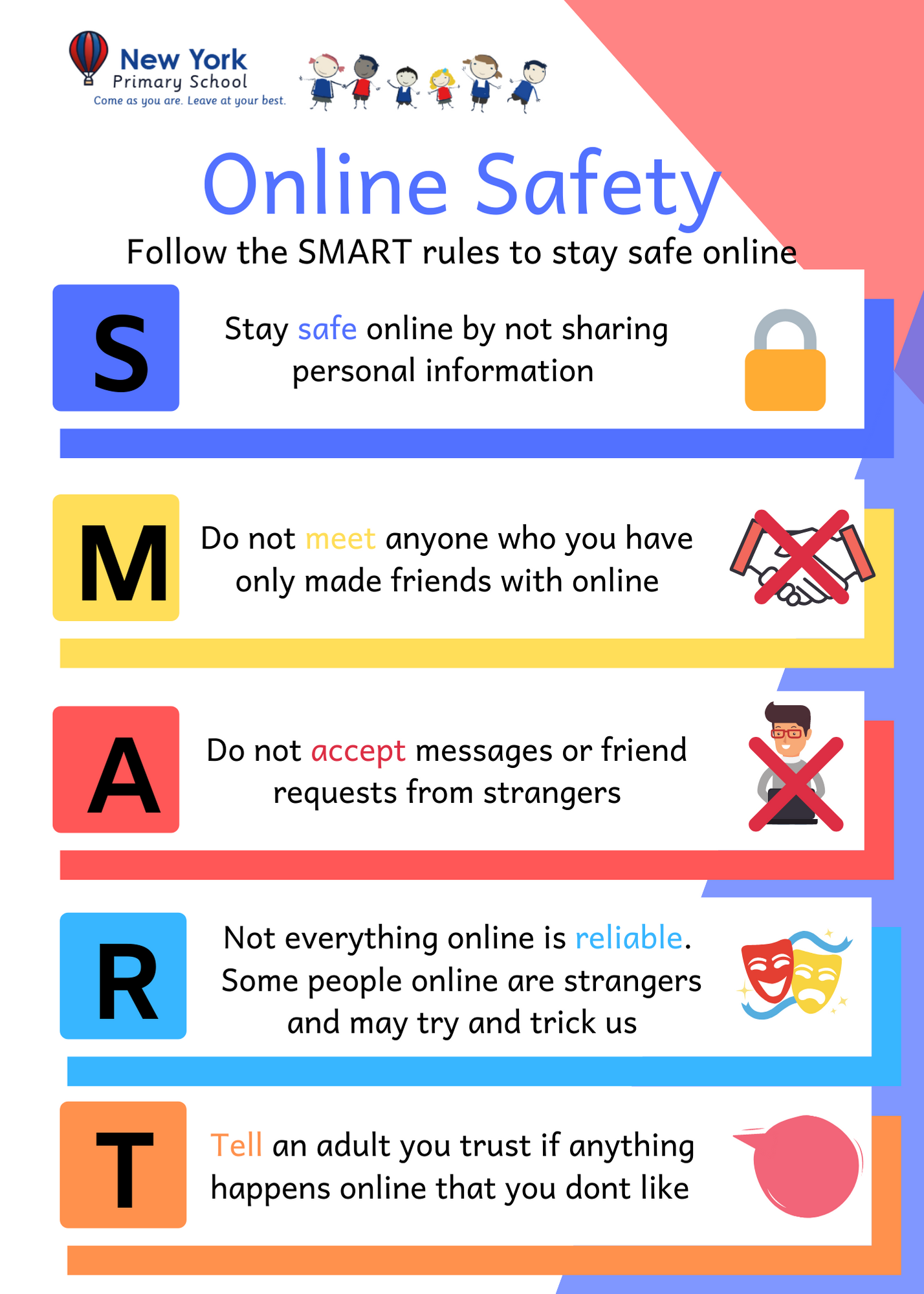
Implementing robust online safety measures requires systematic coordination between school IT departments, instructional staff, and parents managing home networks. Administrators must first audit existing network infrastructure to ensure compliance with modern content-filtering standards, blocking unverified third-party applications that harvest minor data. Educators then integrate structured digital citizenship lessons into daily curricula, teaching students how to identify cyberbullying vectors, manage persistent digital footprints, and recognize predatory online interactions. Finally, households reinforce these practices by establishing clear screen-time boundaries, prohibiting unsupervised device use in private spaces, and utilizing verified Online and Digital Safety educational materials to maintain open family communication channels regarding online experiences.
Common Challenges and How to Avoid Them
Over-reliance on automated filtering without active student instruction often creates a false sense of security while leaving adolescents vulnerable to social engineering outside school walls. Schools and families frequently struggle with device fatigue and resistance when enforcing classroom screen balance, leading to unauthorized device workarounds or proxy bypasses. Mitigating these vulnerabilities requires moving away from purely punitive blocking mechanisms and toward comprehensive digital literacy programs that teach critical thinking regarding online content. Furthermore, establishing transparent reporting channels for cyberbullying ensures that students feel psychologically safe disclosing harmful digital interactions before situations escalate into severe psychological crises.
💬 Frequently Asked Questions
Explore More Kids Safety and Digital Citizenship Guides on SafeWiredSchools
Safeguarding young digital citizens requires continuous education, proactive institutional policy, and collaborative engagement across schools and households. Navigating complex regulatory landscapes like the Digital Services Act and Online Safety Bill becomes simpler when educators and parents utilize standardized pedagogical resources. Explore the complete library of evidence-based guides, structured classroom activities, and protective frameworks available directly through Safe Wired Schools to build a safer, more resilient digital future for every student.
Visual Reference Gallery