Introduction
Online safety indonesia encompasses comprehensive digital citizenship frameworks, school internet safety protocols, and proactive risk mitigation strategies designed to protect students navigating modern connected environments across Southeast Asia. According to the Family Online Safety Institute (FOSI), establishing standardized digital safety baselines significantly reduces youth exposure to online harms while fostering positive academic technology usage. Educational institutions, parents, and student communities must implement rigorous technical boundaries and behavioral guidelines to secure digital footprints, prevent harassment, and maintain healthy classroom device balance. Resources available within Internet and Digital Safety provide foundational templates for establishing these protective perimeters.
Digital Safety Snapshot:
- Core Focus: Implementation of secure network habits, cyberbullying prevention, and device hygiene for Indonesian educational ecosystems.
- Target Scope: Middle school students, educators, and school administrators managing campus technology infrastructure.
- Key Recommendation: Enforce mandatory multi-factor authentication and structured screen-time boundaries across all school-issued devices.
Core Principles and Detailed Overview
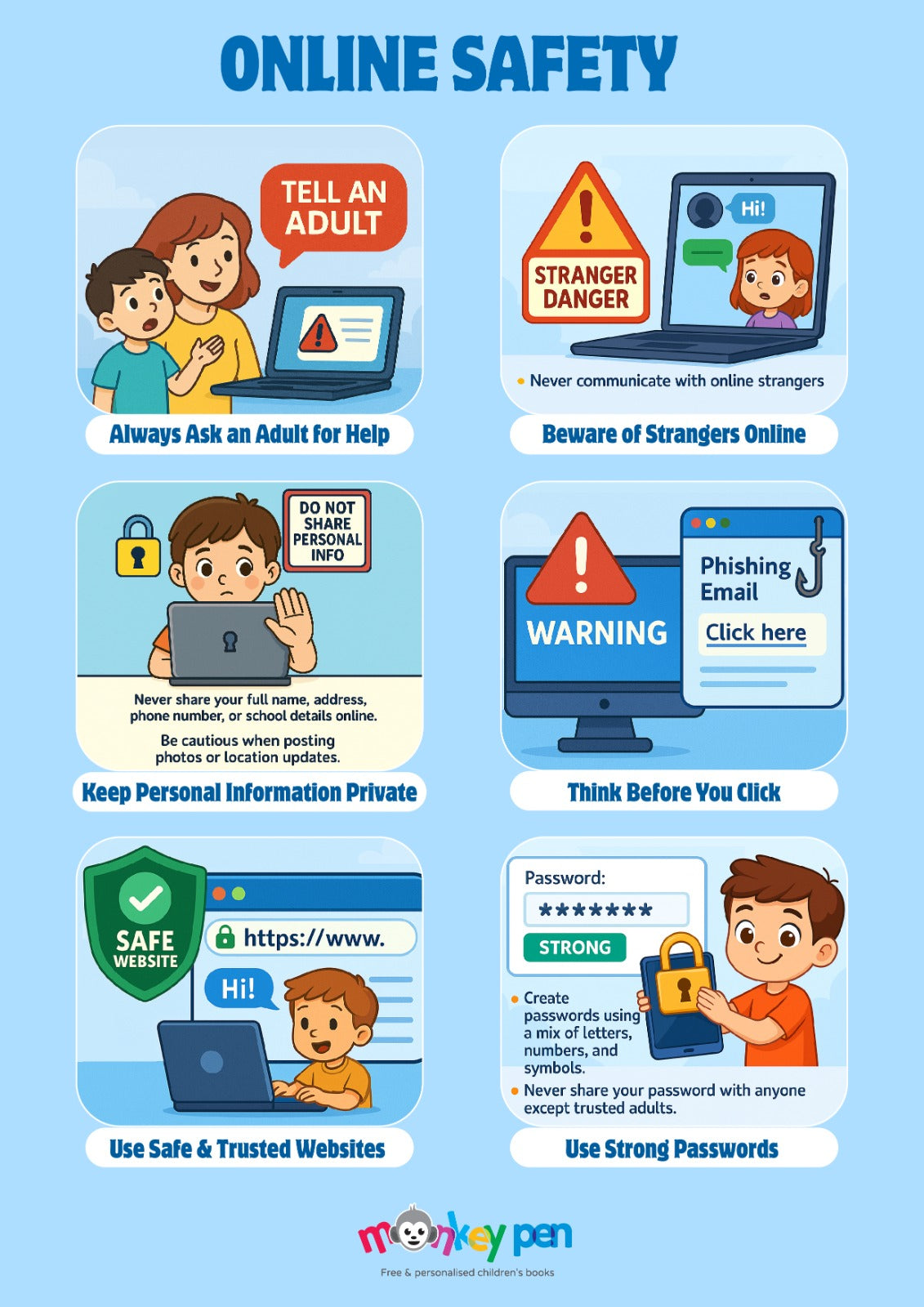
Network security architecture within Indonesian schools requires a multi-layered approach to filtering content, monitoring student digital footprints, and educating adolescents on responsible technology stewardship. Direct policy integration through Online and Digital Safety ensures that educational stakeholders maintain visibility over classroom network access points. Digital hygiene practices must address password complexity, software updates, and the permanent nature of online publishing. Educators integrate age-appropriate Worksheets into daily curricula to reinforce critical thinking regarding shared data, privacy settings, and the consequences of cyberbullying.
Key Specifications and Breakdown
| Safety Pillar | Digital Risk Factor | Actionable Protective Habit |
|---|---|---|
| Device Hygiene | Malware injection and unauthorized account access | Enforce automated system updates and strong passphrase requirements. |
| Digital Footprint | Permanent storage of inappropriate personal media | Train students to evaluate the long-term impact before posting content. |
| Cyberbullying Prevention | Anonymous harassment and peer intimidation | Establish transparent reporting channels and immediate moderator intervention. |
Proactive digital citizenship education combined with network-level content filtering serves as the primary defense against evolving cyber threats in modern academic environments. — Cybersecurity and Infrastructure Security Agency (CISA)
Step-by-Step Practical Application and Guidelines
Implementing robust student safety protocols begins with auditing existing network policies, establishing clear zero-tolerance cyberbullying guidelines, and conducting routine digital citizenship workshops for the entire school community. Administrators deploy enterprise-grade web filters to block malicious domains while teachers incorporate structured offline intervals to balance daily screen exposure. Students learn to recognize phishing attempts, manage privacy configurations on learning management systems, and report suspicious digital interactions immediately to designated campus authorities.
Common Challenges and How to Avoid Them
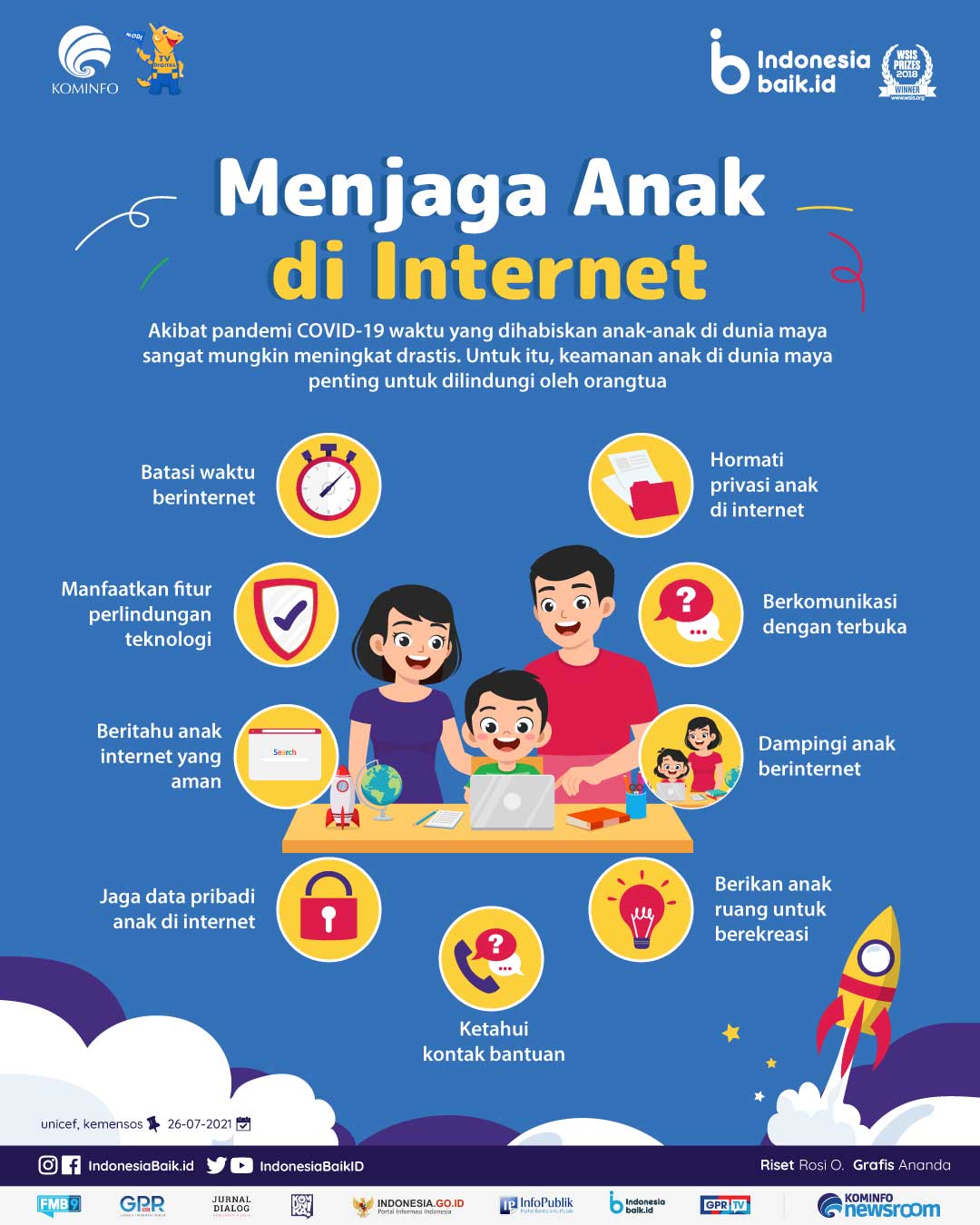
Overcoming inconsistent enforcement of device policies requires aligning institutional compliance standards with active parent involvement at home and in school environments. Unmonitored personal mobile hotspots often bypass institutional network filters, necessitating strict device-use contracts during instructional hours. Schools prevent digital fatigue by scheduling mandatory tech-free periods and teaching adolescents how to self-regulate screen engagement effectively without adult oversight.
💬 Frequently Asked Questions
Explore More Kids Safety and Digital Citizenship Guides on SafeWiredSchools
Comprehensive educational resources, downloadable instructional aids, and policy templates remain accessible through the complete Safe Wired Schools digital repository. School leaders and educators utilize these verified toolkits to build resilient online safety frameworks for diverse student populations.
Visual Reference Gallery