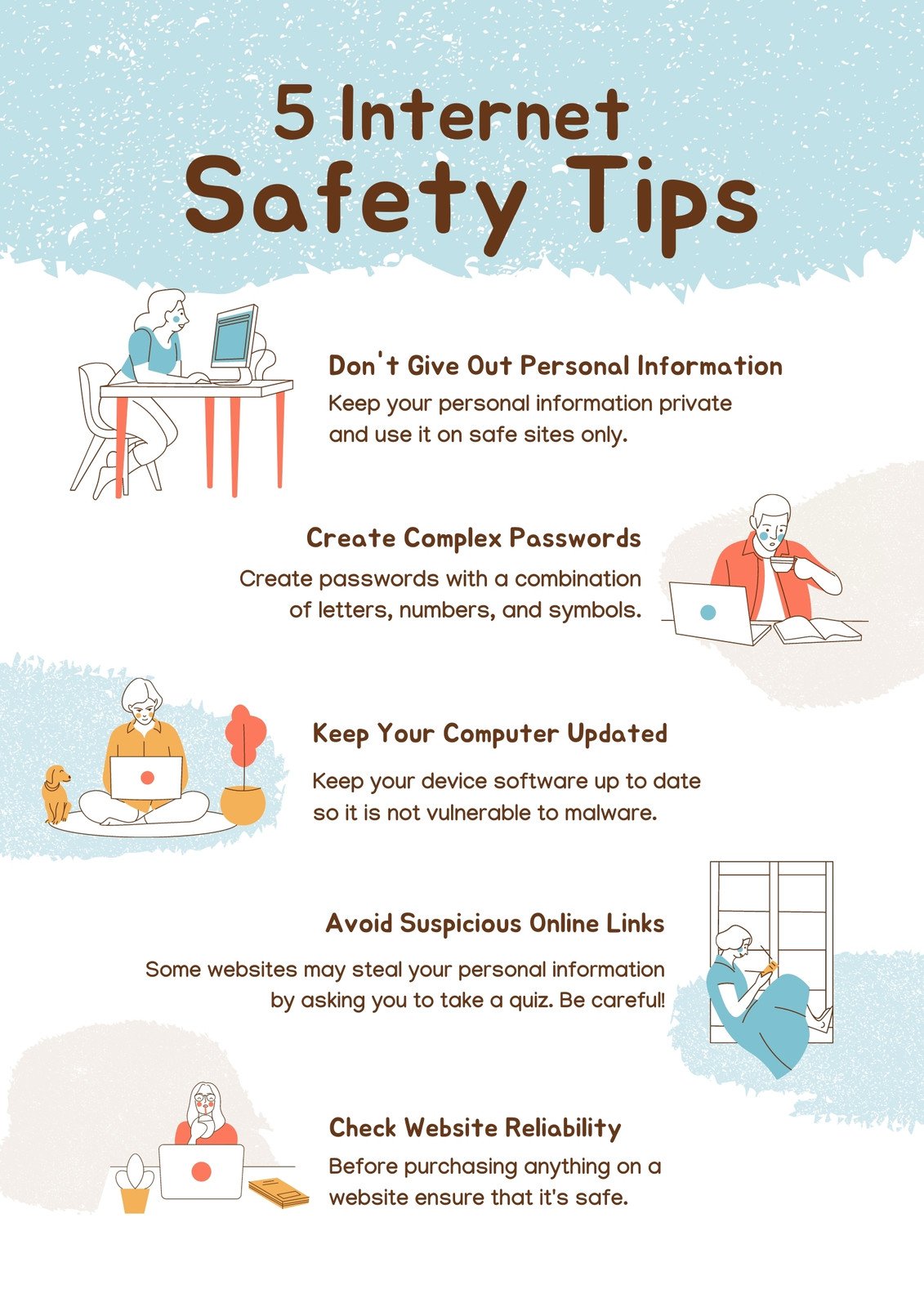
Introduction
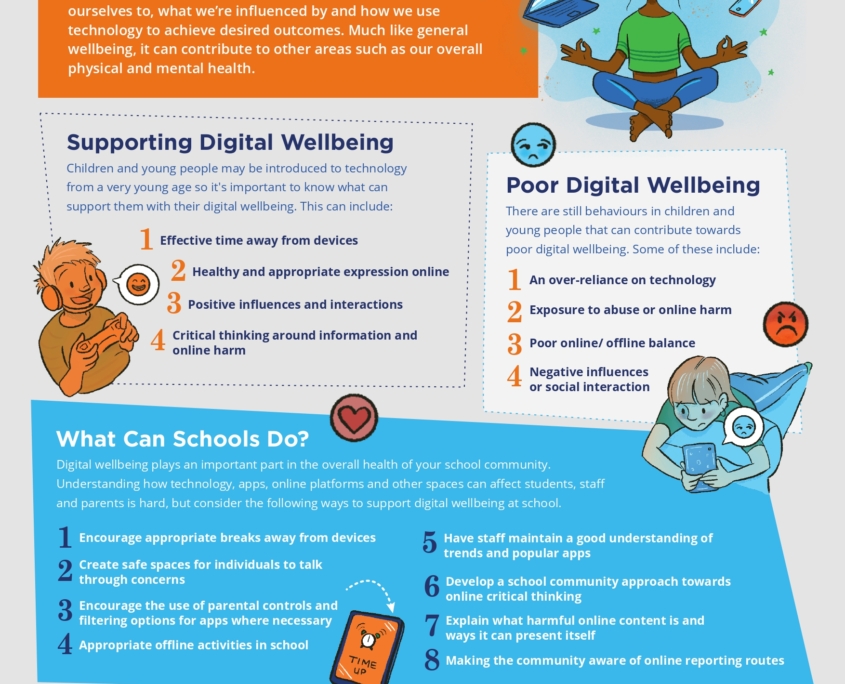
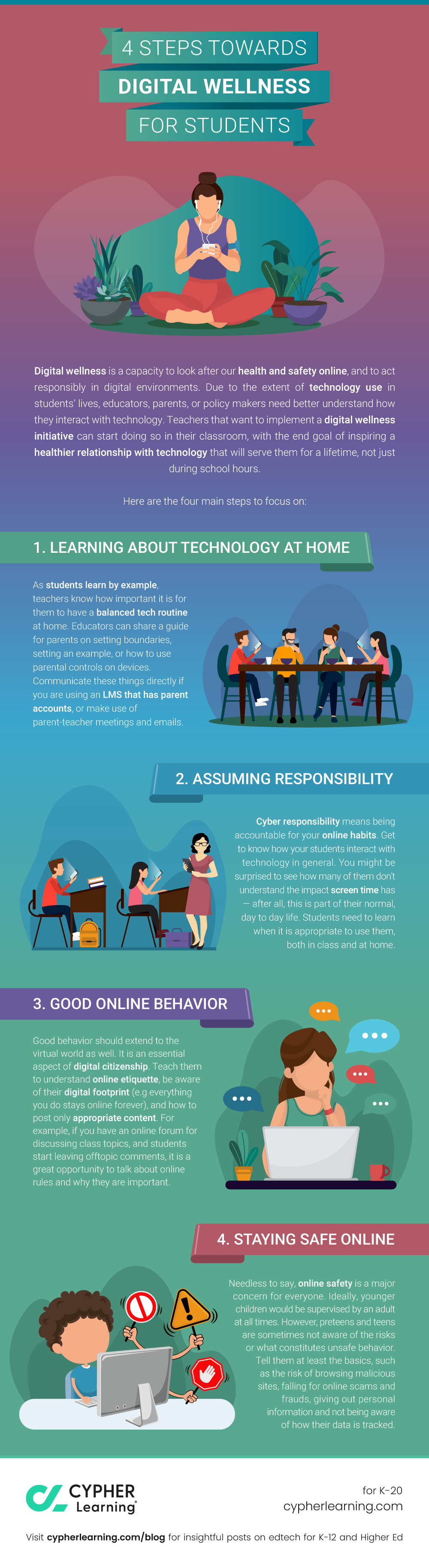
Digital wellness and internet safety education encompasses structured instructional frameworks designed to teach students safe online behaviors, device hygiene, and healthy screen boundaries within academic environments. According to the Family Online Safety Institute (FOSI), empowering students through proactive digital citizenship training significantly reduces online vulnerabilities while fostering positive online interactions. Establishing robust digital citizenship standards across middle schools requires coordinated alignment among administrators, educators, parents, and students. By integrating specialized resources such as Internet and Digital Safety tools into daily learning models, educational institutions cultivate resilient digital citizens capable of navigating complex online landscapes securely.
Digital Safety Snapshot:
- Core Focus: Comprehensive digital wellness and internet safety education spanning device hygiene, cyberbullying prevention, and digital footprint management.
- Target Scope: Middle school students, teachers, administrators, and parents seeking structured online safety protocols.
- Key Recommendation: Implement continuous digital citizenship instruction combined with active device monitoring and balanced classroom screen time policies.
Core Principles and Detailed Overview
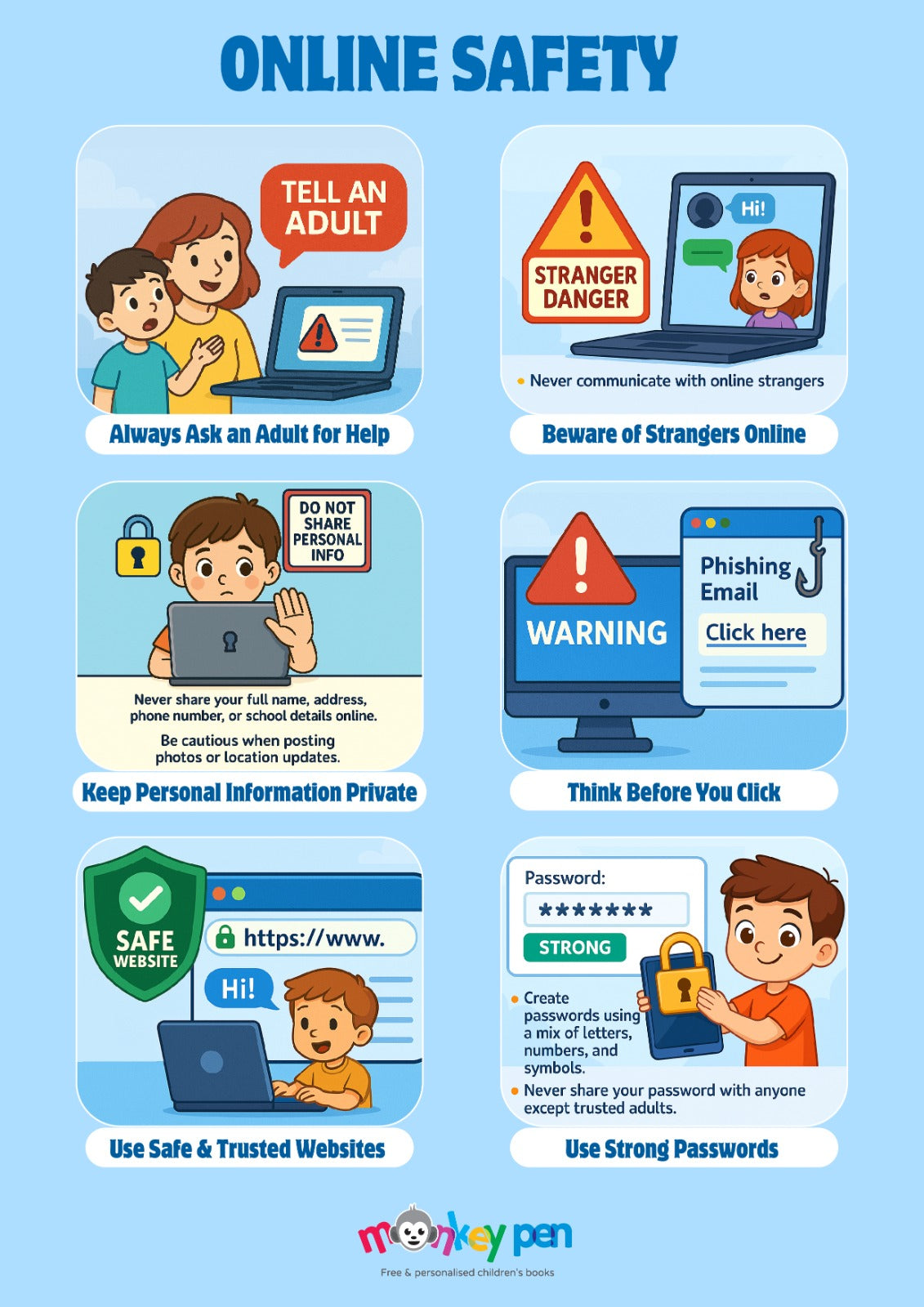
Digital wellness and internet safety education relies on balancing cognitive screen engagement with robust cybersecurity practices to safeguard middle school students. School internet safety protocols demand proactive measures, including strict network filtering, secure login credentials, and immediate reporting systems for suspicious online activities. Students must recognize that every online interaction, comment, and shared image constructs a permanent digital footprint that colleges and future employers may eventually review. Furthermore, preventing cyberbullying requires fostering a culture of empathy, clear reporting mechanisms, and immediate administrative intervention when digital harassment occurs. Maintaining proper device hygiene—such as regular software updates, secure password management, and mindful application permissions—minimizes technical vulnerabilities across educational technology hardware. Detailed instructional materials including Worksheets provide educators with ready-to-use lesson plans that reinforce these essential safety principles in everyday classrooms.
Key Specifications and Breakdown
| Safety Pillar | Digital Risk Factor | Actionable Protective Habit |
|---|---|---|
| Digital Footprint | Permanent archiving of immature public posts | Evaluate online content before publishing and utilize privacy settings |
| Cyberbullying Prevention | Anonymous online harassment and social exclusion | Document abusive messages immediately and report incidents to trusted adults |
| Device Hygiene | Malware infections and compromised account security | Apply regular software updates and utilize strong, unique passphrases |
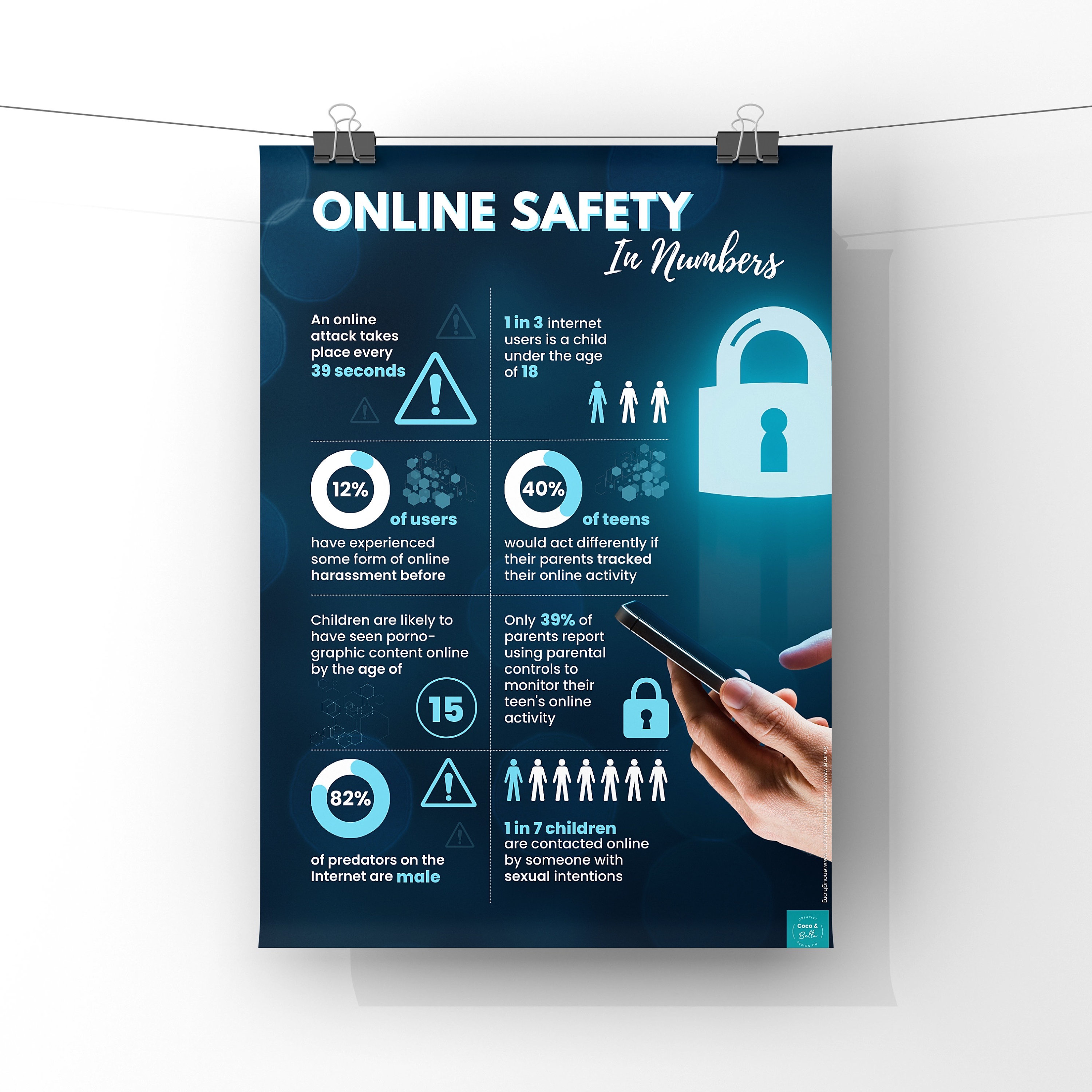
Proactive digital citizenship frameworks reduce adolescent online exposure risks by emphasizing media literacy, emotional resilience, and secure device management. — Family Online Safety Institute Research
Step-by-Step Practical Application and Guidelines
Executing effective digital wellness and internet safety education involves a phased approach that integrates seamlessly into daily school schedules. Educators begin by establishing clear classroom boundaries regarding device usage, ensuring screens serve distinct educational purposes rather than serving as passive distractions. Next, schools conduct regular workshops covering cyberbullying identification, privacy protection, and the long-term implications of negative digital footprints. Parents reinforce these lessons at home by establishing designated offline zones, maintaining open communication about online experiences, and modeling healthy device habits. Finally, administrators review network security logs and update institutional safety policies annually to address emerging technological threats. Incorporating creative activities such as Online and Digital Safety modules helps engage younger adolescents in meaningful discussions about responsible technology use.
Common Challenges and How to Avoid Them
Overcoming resistance to digital wellness and internet safety education requires addressing common obstacles like student disengagement and inconsistent policy enforcement across school departments. Educators frequently encounter students who underestimate the permanence of their digital footprint, leading to careless online posting habits that require ongoing corrective instruction. Another significant challenge involves balancing necessary educational screen time with healthy physical activity, which administrators combat by scheduling mandatory screen-free breaks during prolonged instructional blocks. Parents and teachers must avoid punitive approaches that drive secret online behavior underground; instead, communities should foster transparent communication channels where students feel safe reporting online threats without fear of losing device privileges. Accessing specialized materials such as Coloring Pages offers educators unique entry points to introduce foundational safety concepts to younger learners without inducing digital fatigue.
💬 Frequently Asked Questions
Explore More Kids Safety and Digital Citizenship Guides on SafeWiredSchools
Educational leaders, teachers, and parents dedicated to fostering secure online environments can access comprehensive instructional resources, safety guidelines, and practical toolkits directly through Safe Wired Schools. Continued collaboration between home and school ensures that students develop the necessary resilience, technical literacy, and ethical judgment required to thrive safely in a connected world.
Visual Reference Gallery