Introduction
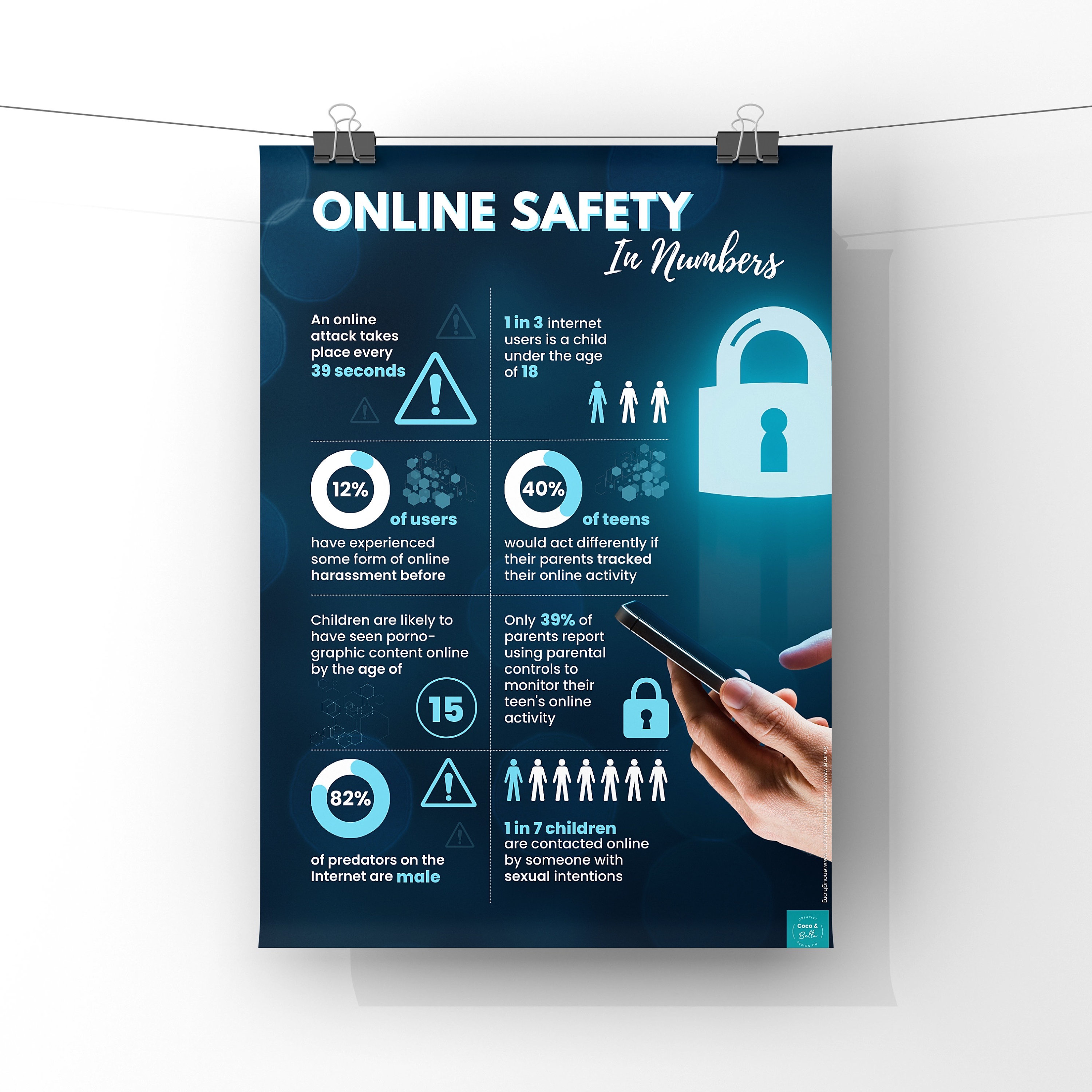
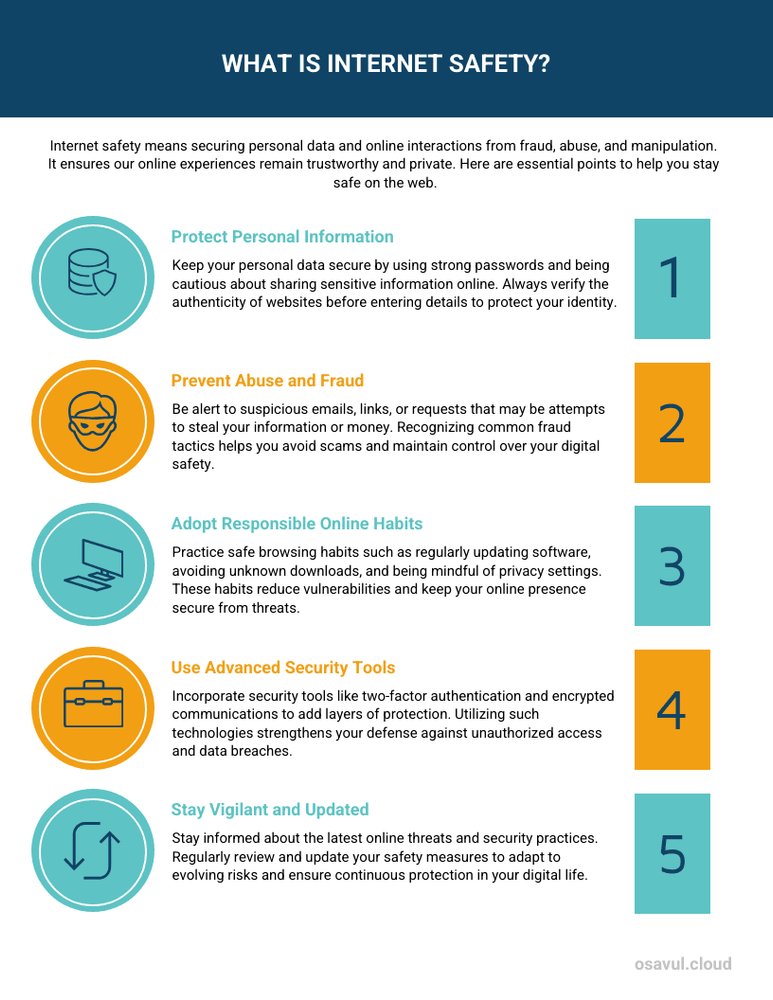
The internet safety definition encompasses the procedural knowledge, technical safeguards, and behavioral boundaries required to protect individuals from online exploitation, data privacy breaches, and digital harm while navigating connected networks. According to ConnectSafely, digital safety requires ongoing education regarding privacy settings, secure authentication, and respectful interpersonal communication across all digital platforms. Educational institutions, parents, and community stakeholders utilize this foundational concept to establish robust environments for students. Maintaining secure online environments requires a multidisciplinary framework integrating technical safeguards and continuous digital literacy training. Educational frameworks found within the Internet and Digital Safety category provide structured approaches to teaching these critical competencies.
Digital Safety Snapshot:
- Core Focus: Direct defense mechanisms against digital exploitation, data privacy risks, and online harm.
- Target Scope: Middle schools, educators, administrators, and student device handlers.
- Key Recommendation: Implement continuous digital literacy programs alongside modern multi-factor authentication tools.
Core Principles and Detailed Overview
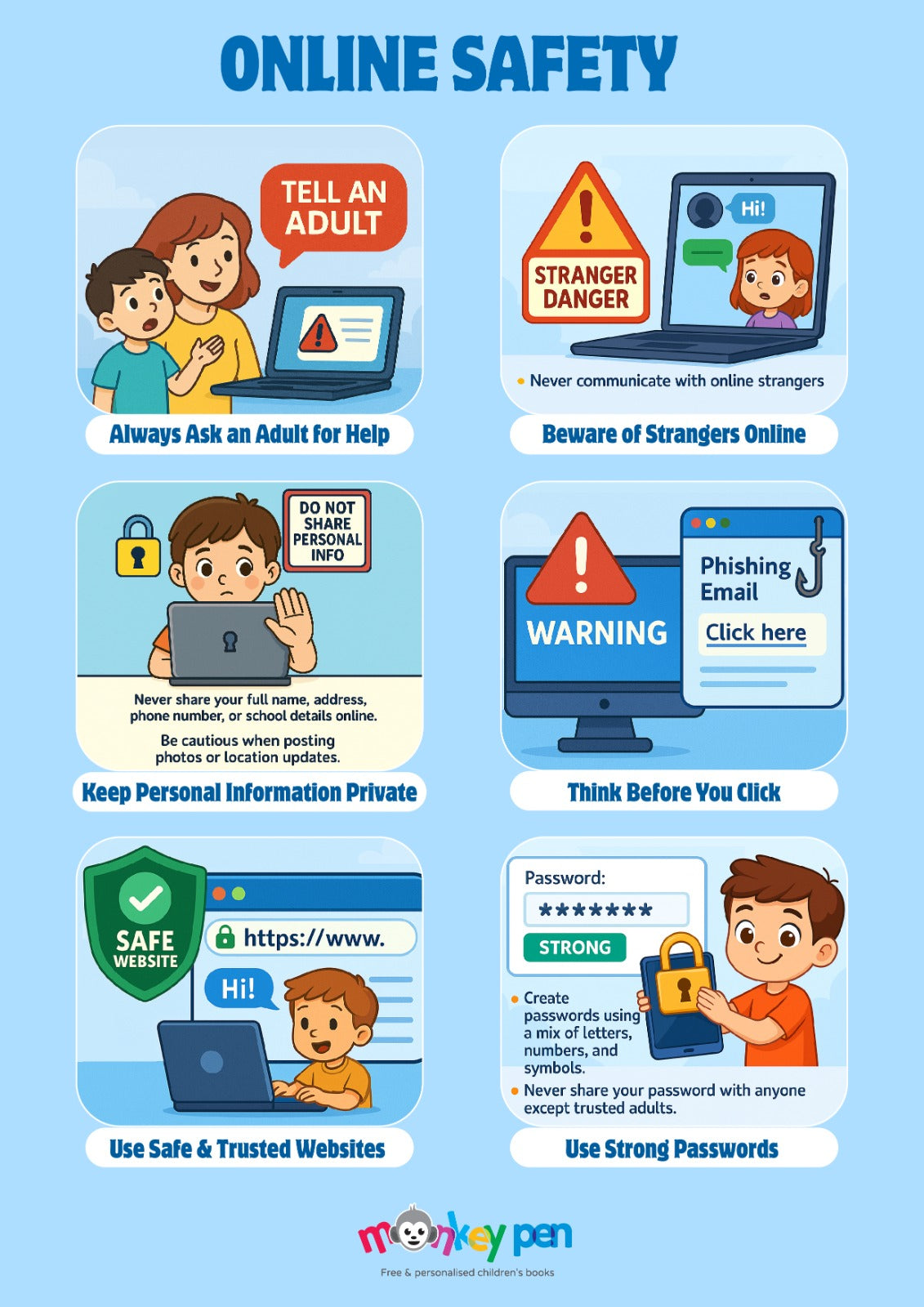
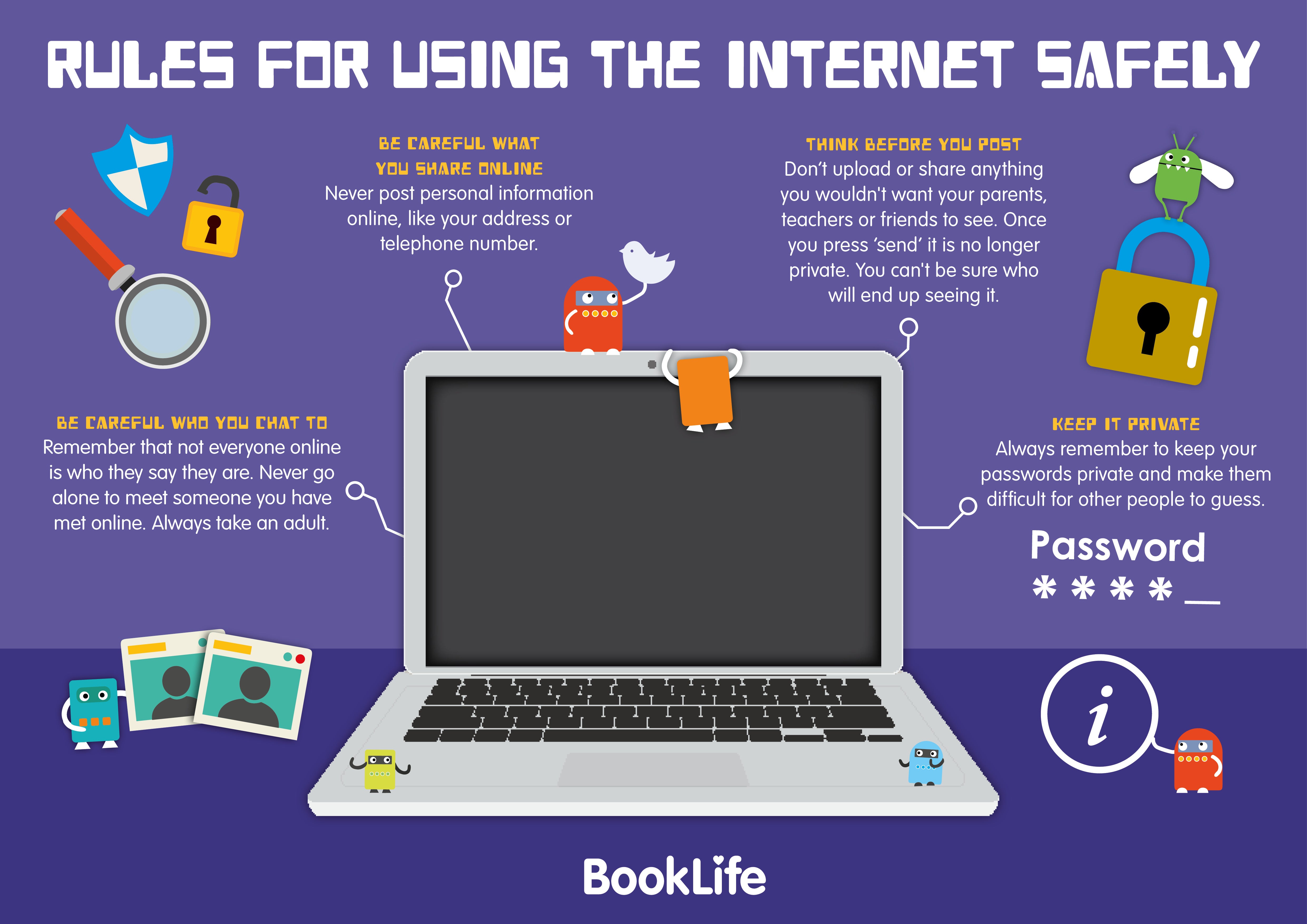
Internet safety definition parameters within modern educational institutions explicitly cover student digital footprint management, cyberbullying mitigation, device hygiene, and balanced screen consumption. A comprehensive safety blueprint ensures that children and adolescents recognize the long-term ramifications of information shared publicly on networked systems. Schools enforce strict device hygiene protocols, such as routine operating system updates, password rotations, and restricted network privileges, to minimize unauthorized access. Furthermore, proactive cyberbullying prevention curricula teach students how to identify hostile digital behavior, document evidence safely, and report incidents to trusted adults or administrators. Balancing classroom screen time with offline collaborative activities prevents digital fatigue while fostering healthy cognitive development.
Key Specifications and Breakdown
| Safety Pillar | Digital Risk Factor | Actionable Protective Habit |
|---|---|---|
| Digital Footprint | Permanent storage of inappropriate text or media | Conduct routine audits of personal social media and privacy settings. |
| Cyberbullying | Online harassment, exclusion, and targeted intimidation | Immediately screenshot malicious content and report violations to school staff. |
| Device Hygiene | Malware infiltration, phishing scams, and weak passwords | Utilize strong passphrases and enable mandatory multi-factor authentication. |
Cybersecurity guidance mandates that educational institutions integrate multi-layered network defenses alongside proactive digital citizenship education to protect students from evolving online threats. — Cybersecurity & Infrastructure Security Agency (CISA)
Step-by-Step Practical Application and Guidelines
Implementing an effective internet safety framework requires structured, sequential execution across classrooms and households. Educators begin by defining clear acceptable use policies that govern student behavior on school-issued hardware. Next, instructors integrate targeted Worksheets designed to test student comprehension of secure password creation and personal data privacy. Administrators then deploy network-level content filters and monitoring tools to block malicious domains while maintaining compliance with federal digital protection mandates. Finally, adults facilitate regular discussions regarding online peer interactions to ensure students feel supported when encountering suspicious or distressing digital situations.
Common Challenges and How to Avoid Them
Overcoming inconsistent enforcement of security protocols remains a primary hurdle for institutions seeking comprehensive digital safety compliance. Educational communities frequently struggle with students bypassing school network filters through unauthorized proxy tools or sharing credentials with peers. Addressing this vulnerability requires tightening administrative endpoint controls, restricting device permissions, and educating adolescents on the severe risks associated with compromised account credentials. Additionally, passive screen consumption can lead to reduced classroom engagement, necessitating strict scheduling boundaries for instructional device usage. Educators can reinforce these boundaries by incorporating offline tactile activities, such as utilizing structured Coloring Pages during creative downtime periods.
💬 Frequently Asked Questions
Explore More Kids Safety and Digital Citizenship Guides on SafeWiredSchools
Navigating the complexities of modern digital environments requires continuous education, robust policy implementation, and dedicated resources for educators and families. The comprehensive collection of materials available through Online and Digital Safety provides actionable strategies designed to foster secure, responsible online behavior in every classroom. Visit Safe Wired Schools today to access expert-crafted curricula, administrative toolkits, and engaging student resources tailored for modern digital citizenship.
Visual Reference Gallery