Introduction
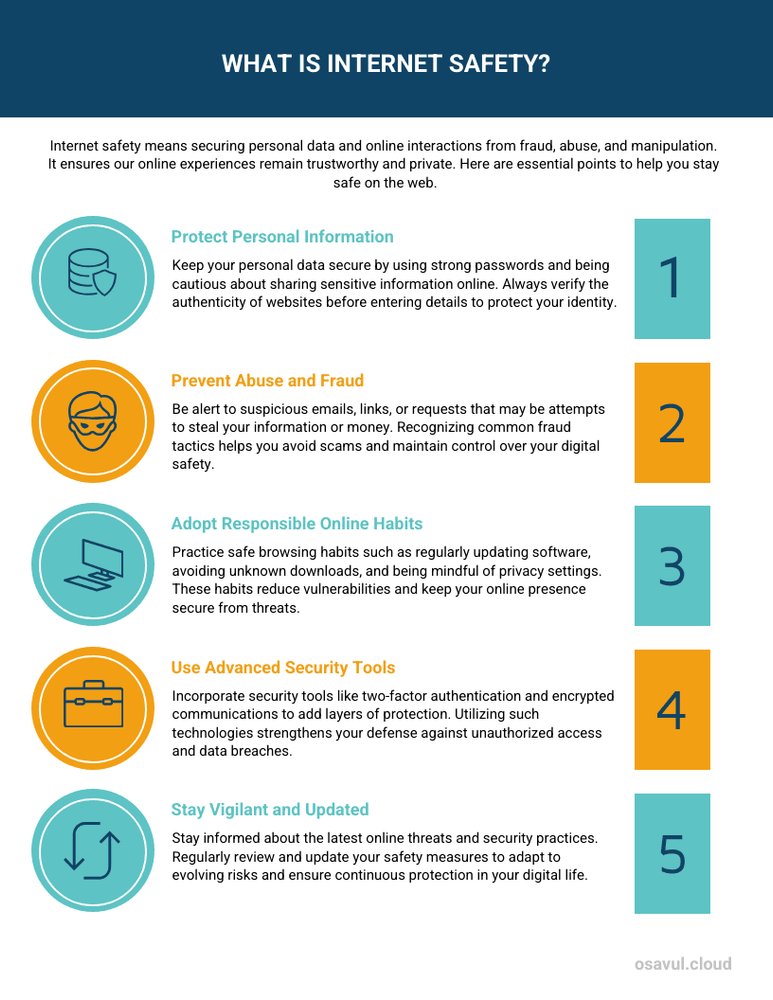
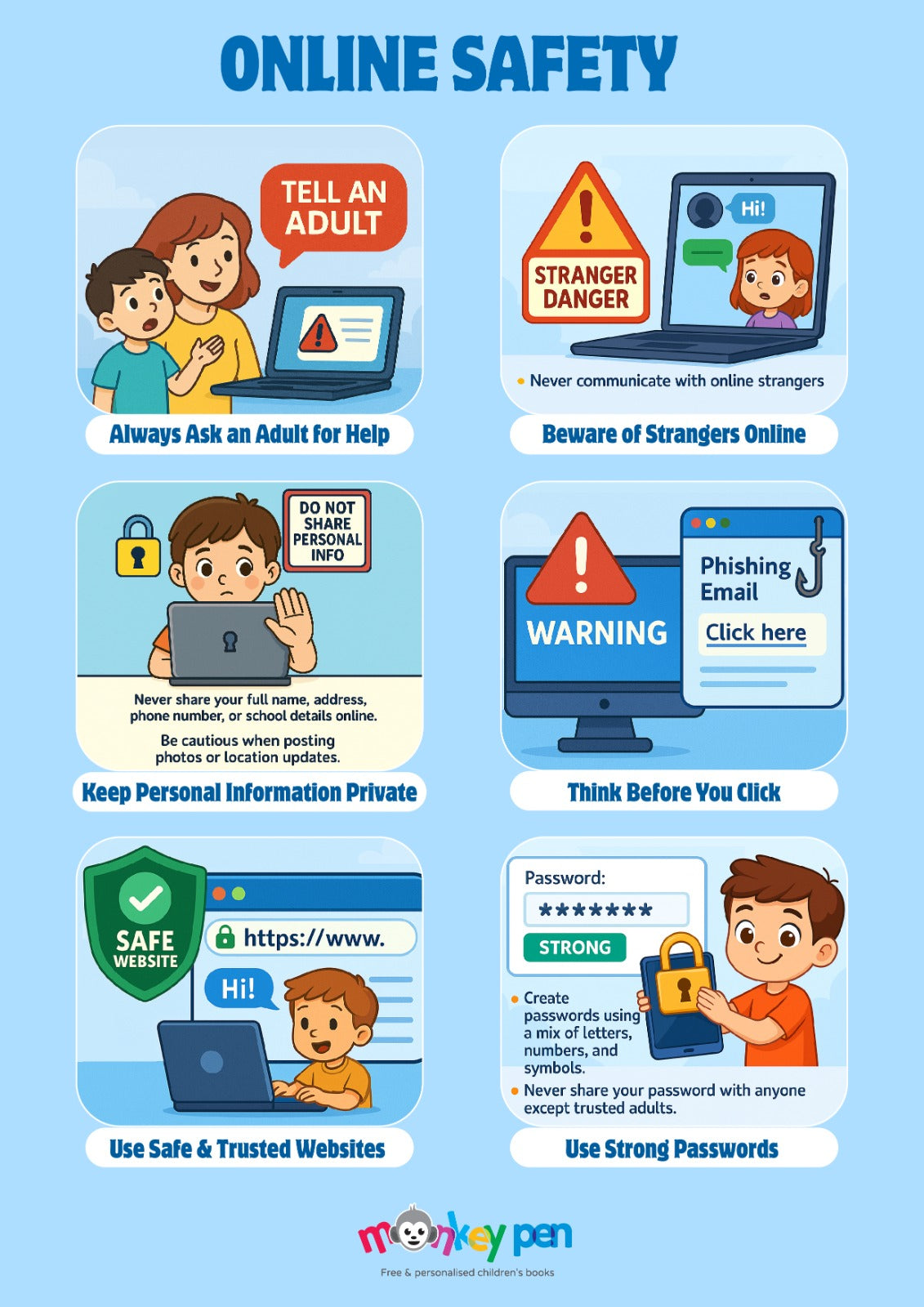
An example of digital safety involves concrete practices such as securing school-issued tablet accounts with multi-factor authentication and logging out of shared classroom terminals after every session. According to ConnectSafely, digital citizenship education must extend beyond basic password hygiene to encompass active privacy management and empathetic online communication across all school-connected devices. Implementing rigorous digital safety protocols ensures that middle school students navigate academic networks without exposing sensitive personal records, encountering targeted cyber threats, or inadvertently compromising institutional security parameters.
Digital Safety Snapshot:
- Core Focus: Direct protective actions safeguarding school networks, student data, and mental well-being.
- Target Scope: Middle school students, classroom educators, institutional administrators, and families.
- Key Recommendation: Enforce strict password protocols and device hygiene standards daily.
Core Principles and Detailed Overview
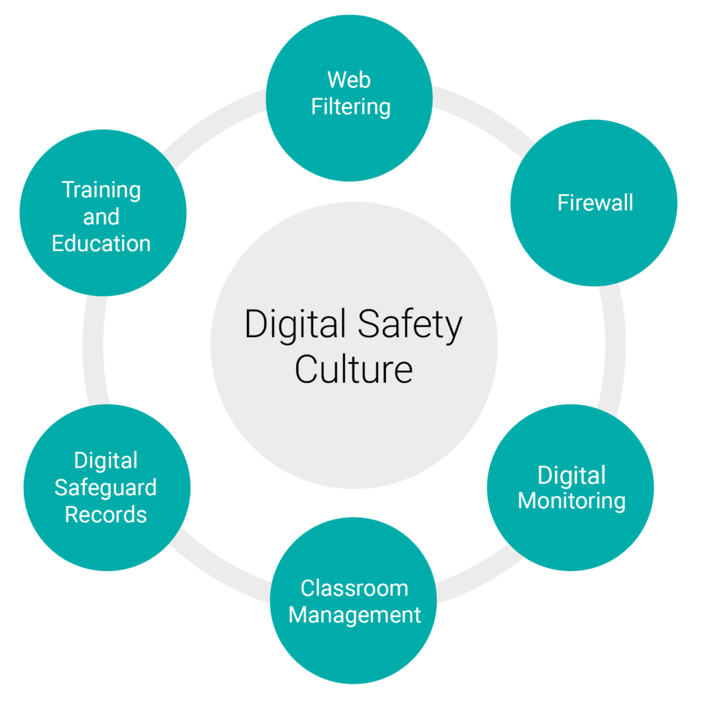
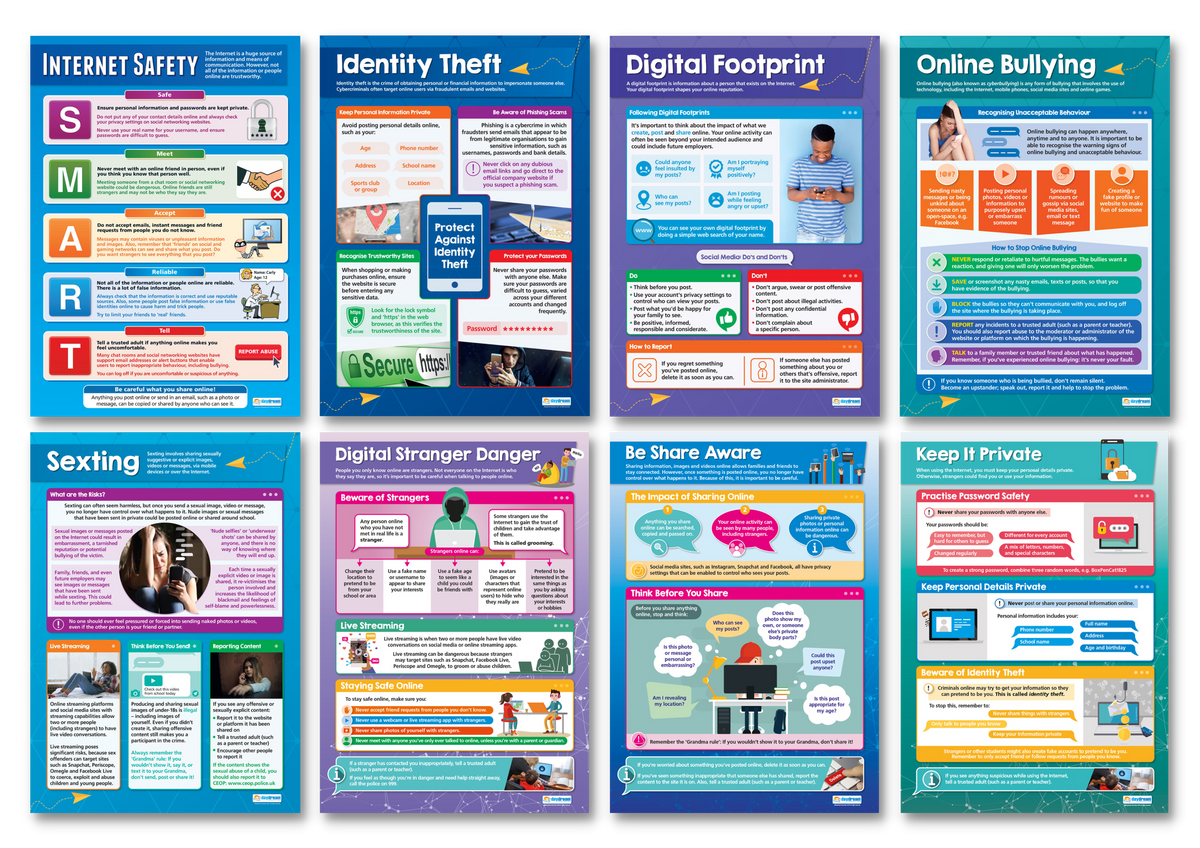
A comprehensive example of digital safety integrates school internet safety policies, digital footprint management, cyberbullying prevention, device hygiene, and classroom screen balance into daily academic routines. School administrators and educators must establish systematic frameworks where students recognize that every digital interaction forms an enduring footprint visible to future academic institutions and employers. Concurrently, device hygiene requires routine software updates, secure network authentication, and immediate reporting of suspicious phishing attempts on school-managed learning management systems.
Key Specifications and Breakdown
| Safety Pillar | Digital Risk Factor | Actionable Protective Habit |
|---|---|---|
| Device Hygiene | Unpatched malware vulnerabilities | Enable automated background operating system updates |
| Digital Footprint | Permanent offensive comments | Review privacy settings before publishing student posts |
| Screen Balance | Digital fatigue and distraction | Schedule mandatory offline analog study intervals |
Digital citizenship and cybersecurity education must be reinforced continuously through standardized classroom integration and institutional policy enforcement — Cybersecurity & Infrastructure Security Agency (CISA)
Step-by-Step Practical Application and Guidelines
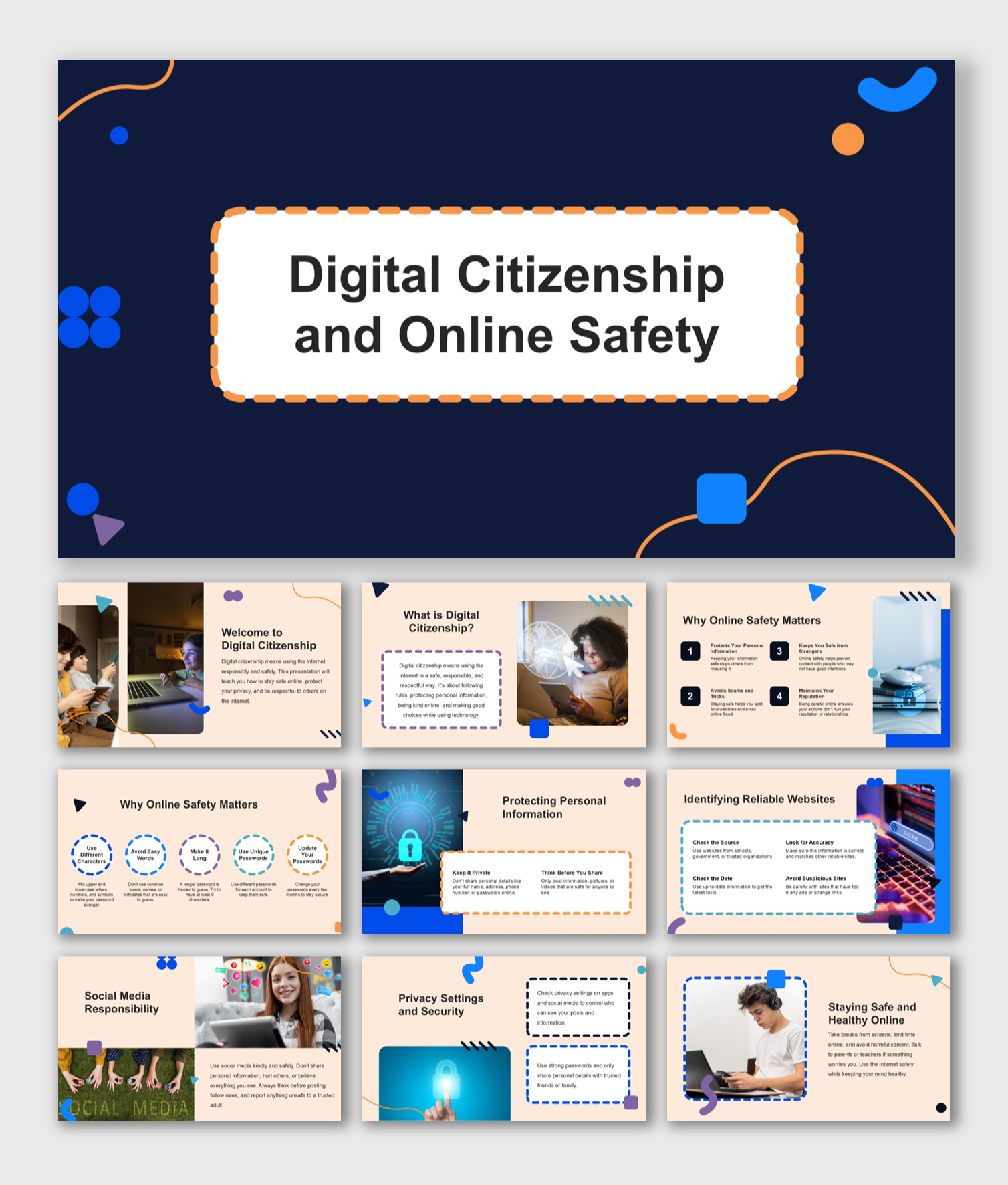
Operationalizing digital safety requires translating theoretical risk management into daily operational habits for middle school environments. First, educators establish clear boundaries regarding classroom screen time by designating specific periods for digital research followed by offline synthesis. Second, students practice proactive cyberbullying prevention by utilizing reporting mechanisms built into educational platforms whenever harmful peer interactions occur online. Finally, families and teachers review Internet and Digital Safety modules to maintain aligned expectations concerning device usage, account security, and appropriate digital behavior outside instructional hours.
Common Challenges and How to Avoid Them
Frequent oversights in school environments typically involve weak password reuse, neglected software updates on student laptops, and unmonitored peer-to-peer communication channels. Educators prevent these vulnerabilities by auditing school-issued accounts regularly and incorporating targeted Worksheets that assess student comprehension of cyber threats and secure browsing principles. Maintaining open communication channels between school staff and parents ensures that emerging digital risks are identified and mitigated before impacting broader institutional networks or student well-being.
💬 Frequently Asked Questions
Explore More Kids Safety and Digital Citizenship Guides on SafeWiredSchools
Safeguarding young learners in digital environments demands continuous education, structured resources, and collaborative oversight from educators and parents alike. Discover additional instructional frameworks, engaging activities, and policy guides by exploring the complete library at Safe Wired Schools, including specialized materials found within Online and Digital Safety and creative resources such as Coloring Pages designed to reinforce healthy digital habits early.
Visual Reference Gallery