Introduction
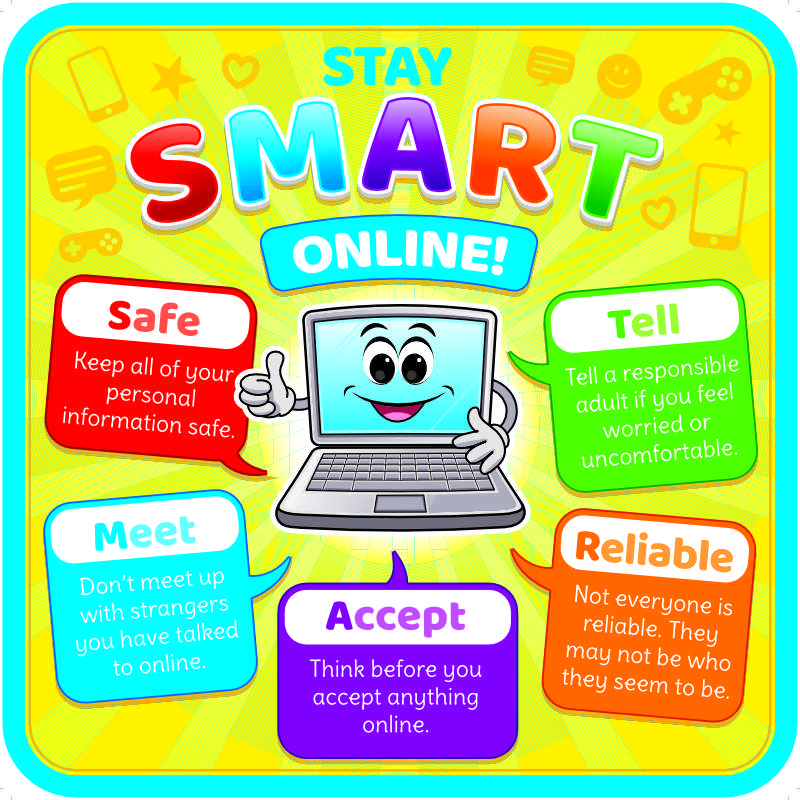
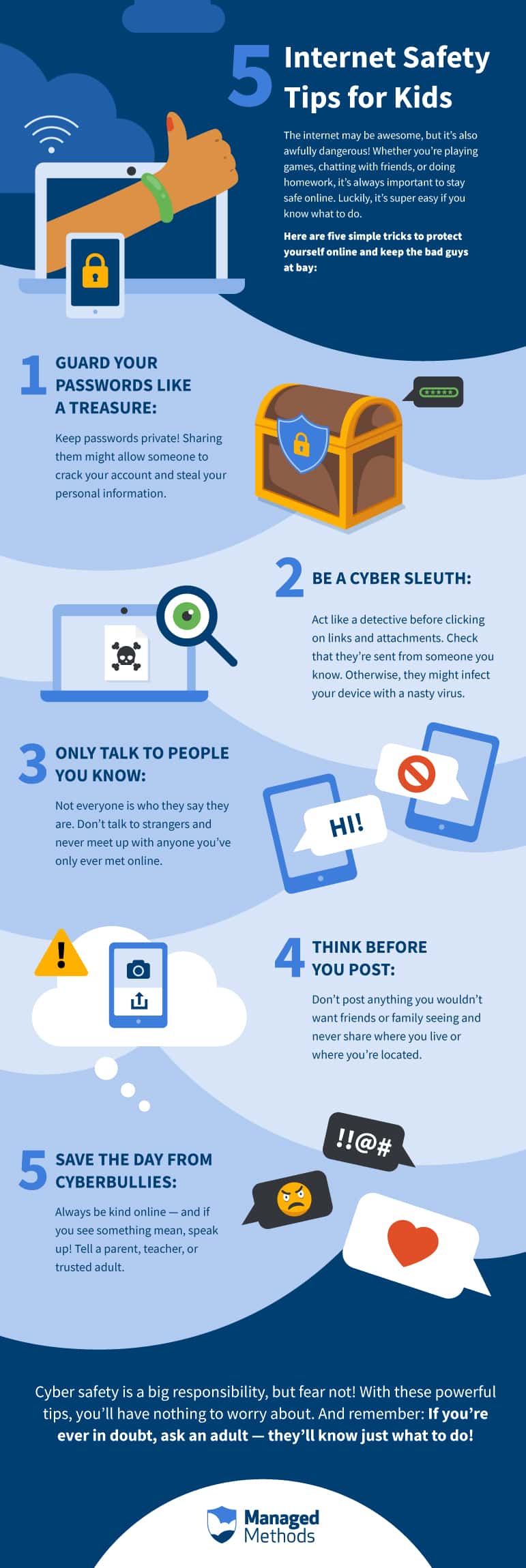
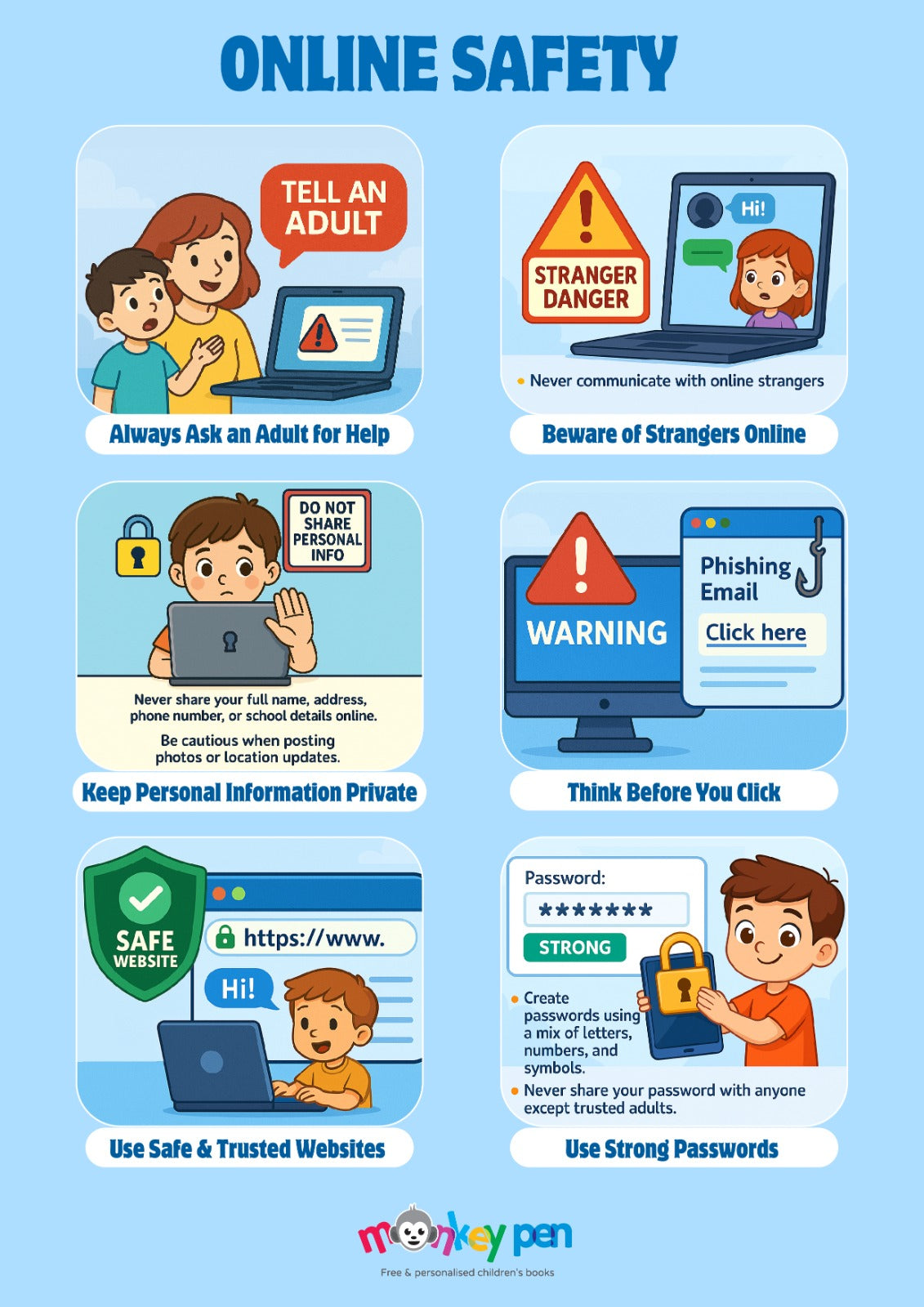
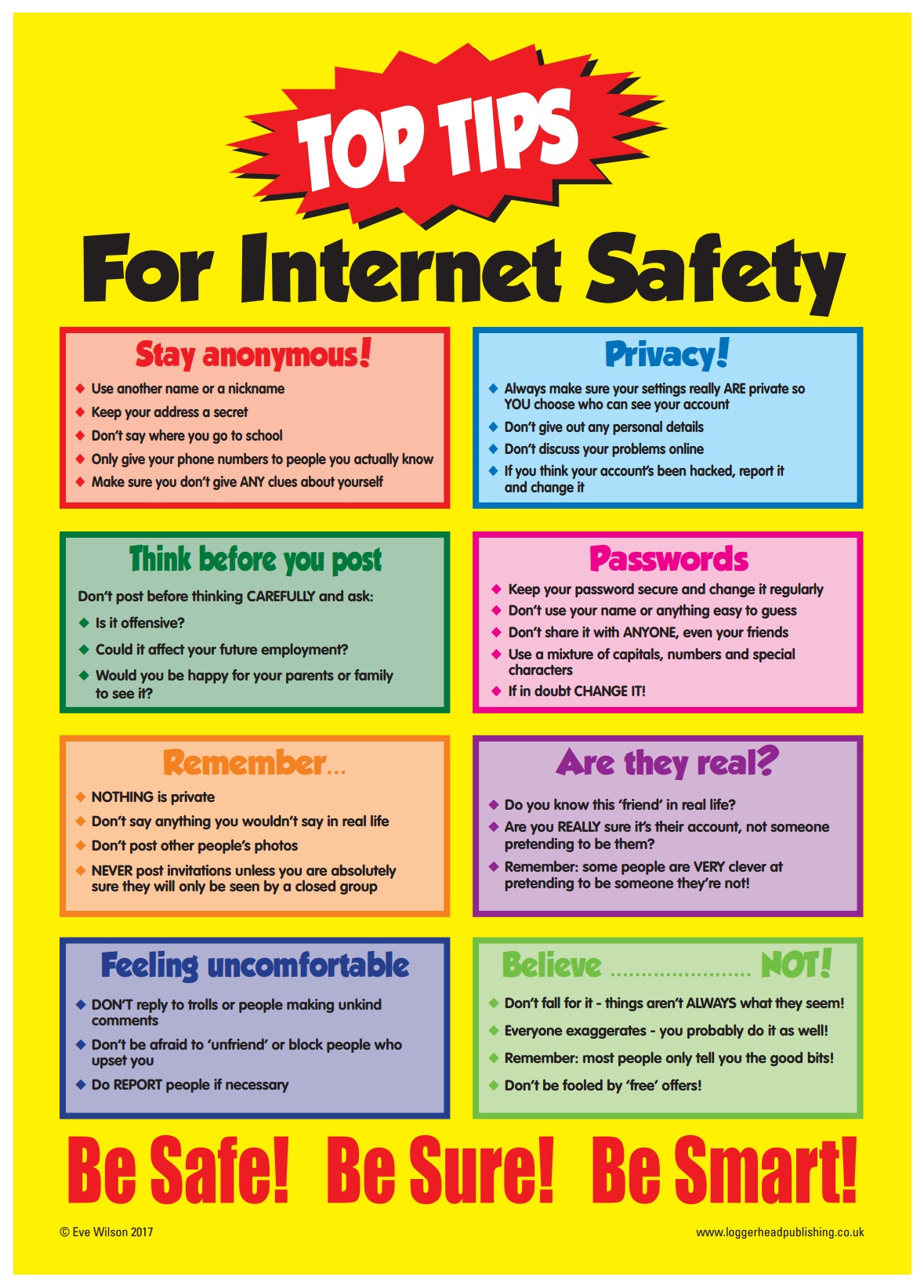
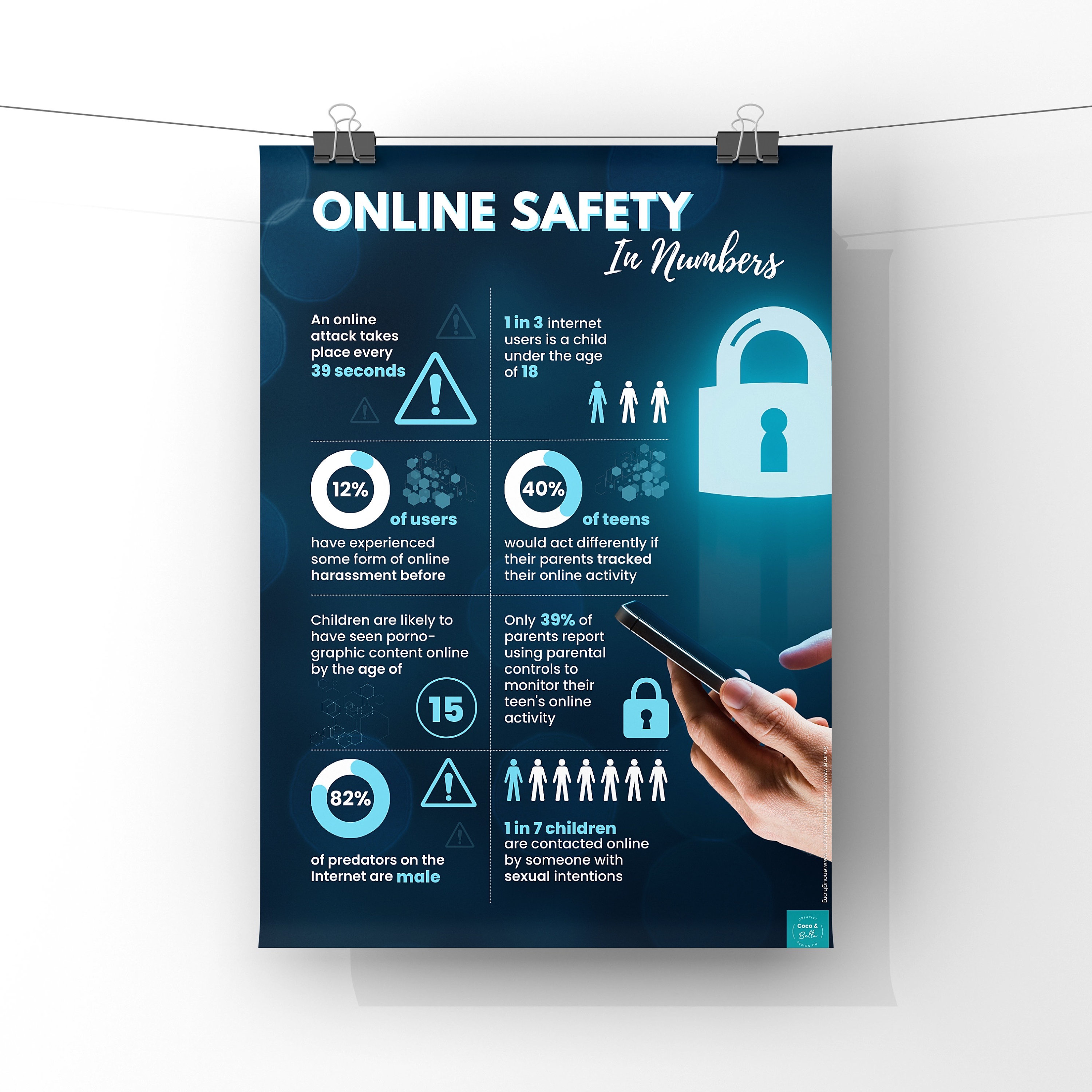
Internet safety rules establish the essential boundaries and behaviors required to protect students from digital threats, cyberbullying, and privacy breaches while fostering responsible technology use in academic environments. According to the Cybersecurity and Infrastructure Security Agency (CISA), schools must implement comprehensive cybersecurity programs that emphasize proactive defense, network hygiene, and the cultivation of a culture of digital responsibility among all users. These frameworks serve as the foundation for maintaining a secure Internet and Digital Safety posture across campus networks.
Digital Safety Snapshot:
- Core Focus: Mitigation of digital risk through standardized behavioral protocols.
- Target Scope: Middle school students, educators, and administrative oversight.
- Key Recommendation: Mandatory adoption of complex, unique credentials for every individual account.
Core Principles and Detailed Overview
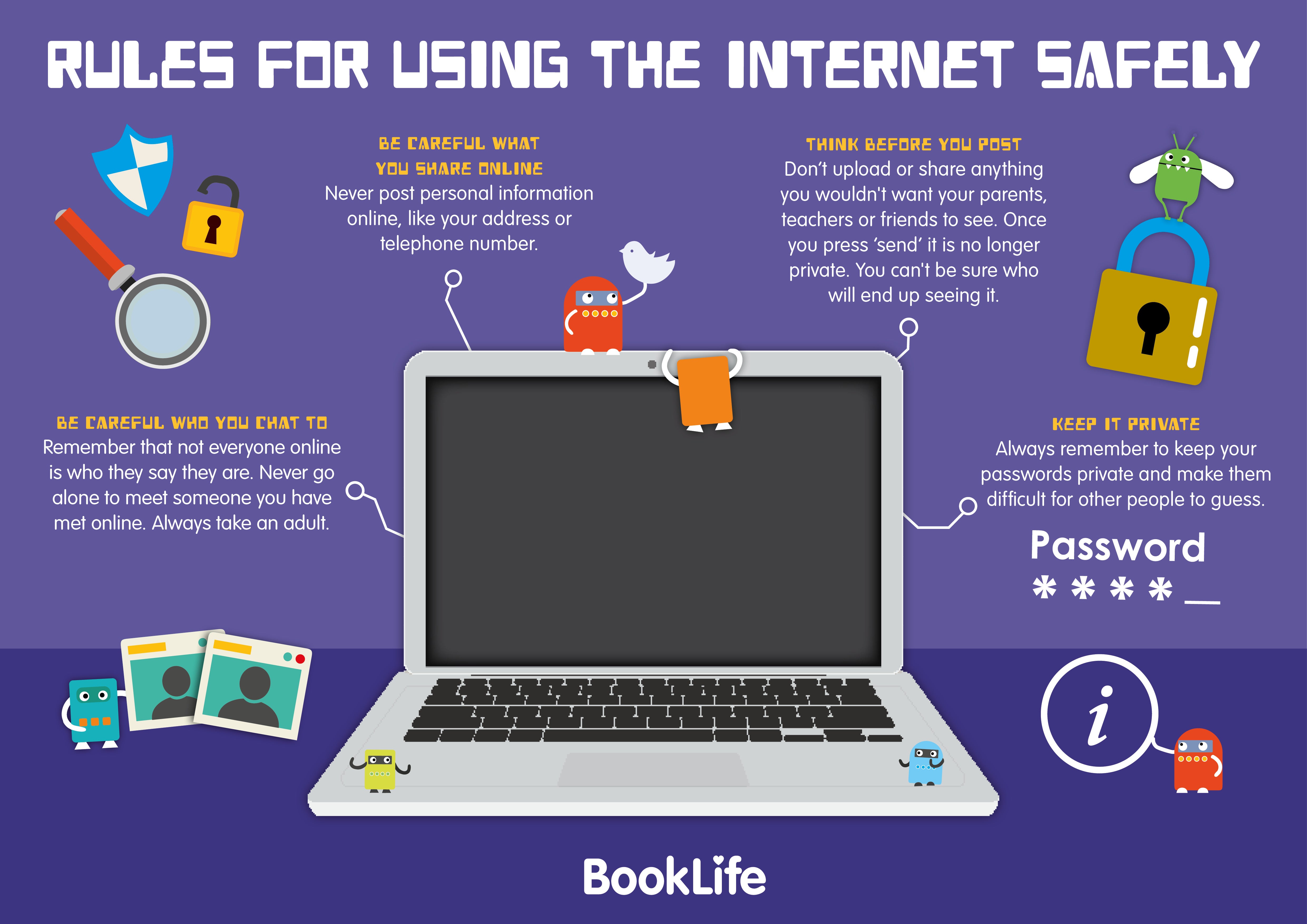
Effective internet safety rules rely on the integration of device hygiene, restricted access protocols, and the continuous reinforcement of a positive digital footprint. Students must understand that information posted online remains permanent, potentially impacting future academic and professional opportunities. Classroom management requires active screen monitoring to ensure devices remain focused on instructional content, thereby reducing exposure to malicious links or unauthorized peer-to-peer interactions that often facilitate cyberbullying.
Key Specifications and Breakdown
| Safety Pillar | Digital Risk Factor | Actionable Protective Habit |
|---|---|---|
| Data Privacy | Identity theft/Phishing | Avoid sharing personal identification information. |
| Cyberbullying | Social harassment | Document and report all hostile digital interactions. |
| Device Hygiene | Malware/Unauthorized access | Perform regular software updates and secure logins. |
The “Stop, Think, Connect” Principle — Cybersecurity & Infrastructure Security Agency (CISA)
Step-by-Step Practical Application and Guidelines
Practical application of internet safety begins with the consistent enforcement of acceptable use policies that prioritize network integrity and interpersonal respect. Educators should integrate Worksheets designed to test student knowledge regarding phishing attempts and secure password generation. Administrators must ensure that school-issued hardware is configured with robust content filtering and that all students receive formal instruction on identifying suspicious digital behavior before gaining full network privileges.
Common Challenges and How to Avoid Them
The primary challenge in maintaining school-wide safety involves the bypass of content filters and the misuse of personal mobile devices during instructional hours. Consistent policy enforcement and the removal of distractions are critical to maintaining classroom screen balance. Educators must provide clear consequences for policy violations to discourage unauthorized access, while simultaneously offering resources for students to learn about the long-term impact of their digital footprint through curated Online and Digital Safety materials.
💬 Frequently Asked Questions
Explore More Kids Safety and Digital Citizenship Guides on SafeWiredSchools
Maintaining a secure educational environment requires ongoing vigilance and the utilization of professional-grade resources. For additional strategies, lesson plans, and visual aids such as Coloring Pages, visit the comprehensive library at Safe Wired Schools to support the development of informed and responsible digital citizens.
Visual Reference Gallery