Introduction
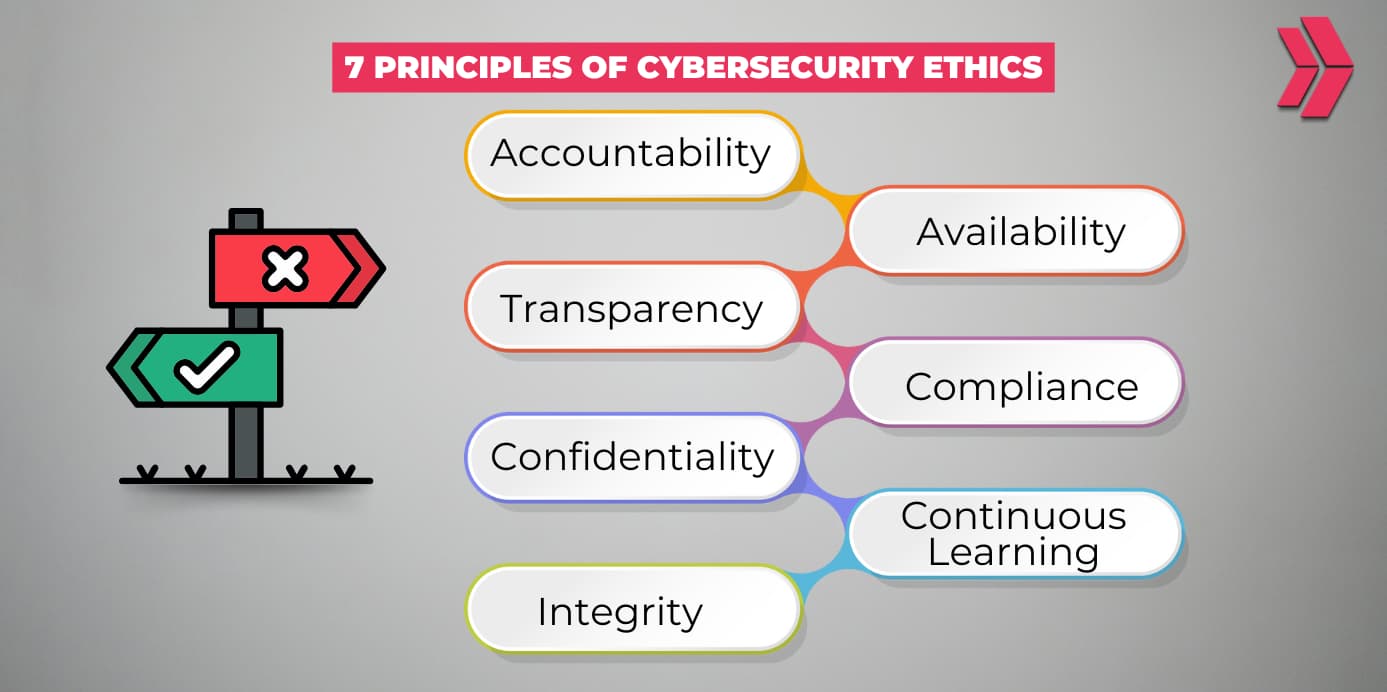
Internet ethics and online safety encompass the digital boundaries, moral responsibilities, and protective technical habits necessary to navigate cyberspace without exposing school communities to exploitation. According to ConnectSafely, digital citizenship education must be integrated directly into daily instruction to ensure students recognize the permanent consequences of online actions. Educational institutions, instructors, and parents share a collective duty to instill rigorous device hygiene, foster empathetic digital communication, and prevent harmful online behaviors before minor infractions escalate into severe disciplinary or legal issues.
Digital Safety Snapshot:
- Core Focus: Ethical digital behavior, proactive device hygiene, and comprehensive cyber risk mitigation.
- Target Scope: Middle school learning environments, educational administrators, classroom instructors, and guardians.
- Key Recommendation: Implement continuous digital citizenship training paired with strict technological boundary enforcement.
Core Principles and Detailed Overview
School internet safety requires a systematic approach to managing student digital footprints, preventing online harassment, and maintaining healthy device usage patterns throughout the academic day. The student digital footprint represents the permanent trail of data left behind by online interactions, making early education on reputation management essential for future academic and professional success. Furthermore, cyberbullying prevention relies on establishing clear institutional policies that define prohibited online communication channels, peer harassment, and unauthorized digital surveillance. Alongside behavioral guidelines, classroom screen balance ensures that digital learning tools enhance instruction without inducing cognitive fatigue or displacing crucial face-to-face social development.
Key Specifications and Breakdown
| Safety Pillar | Digital Risk Factor | Actionable Protective Habit |
|---|---|---|
| Digital Footprint | Permanent archiving of careless remarks | Audit privacy settings and restrict public social media sharing. |
| Cyberbullying Prevention | Anonymous peer harassment and exclusion | Document abusive messages immediately and report infractions to administrators. |
| Device Hygiene | Malware infection and credential theft | Log out of shared accounts and enforce strong, multi-factor authentication. |
Proactive cyber hygiene and ethical digital citizenship instruction significantly reduce institutional vulnerability to online threats and peer harassment. — Cybersecurity and Infrastructure Security Agency (CISA)
Step-by-Step Practical Application and Guidelines
Establishing a secure educational ecosystem involves deploying structured operational workflows that reinforce proper digital etiquette and hardware maintenance across all grade levels. Educators begin by conducting routine digital citizenship workshops focused on respectful discourse, copyright compliance, and verification of online sources. Next, school administrators must establish transparent reporting protocols that empower witnesses of cyberbullying to report incidents anonymously without fear of retaliation. Finally, parents and teachers collaborate to enforce scheduled device-free periods, encouraging physical movement and cognitive reset. Technical safeguards, such as network content filtering and automated activity audits, further protect students while they access educational resources through Internet and Digital Safety modules.
Common Challenges and How to Avoid Them
Over-reliance on unmonitored devices during instructional hours often leads to digital distraction, unauthorized content access, and accidental violation of school network policies. Educators frequently encounter students who underestimate the permanence of online content, sharing inappropriate media under the false assumption that ephemeral platforms provide complete privacy. To counteract these vulnerabilities, schools must replace passive observation with active digital monitoring and clear disciplinary frameworks. Additional strategies can be found within curated Worksheets designed to test student comprehension of digital ethics.
💬 Frequently Asked Questions
Explore More Kids Safety and Digital Citizenship Guides on SafeWiredSchools
Maintaining a secure, ethical, and balanced digital learning environment requires ongoing education and reliable administrative resources. Educational stakeholders can access comprehensive teaching tools, interactive activities, and safety curricula by visiting Safe Wired Schools. For younger learners, engaging materials are available through Online and Digital Safety channels to build foundational digital awareness early.
Visual Reference Gallery