

Introduction
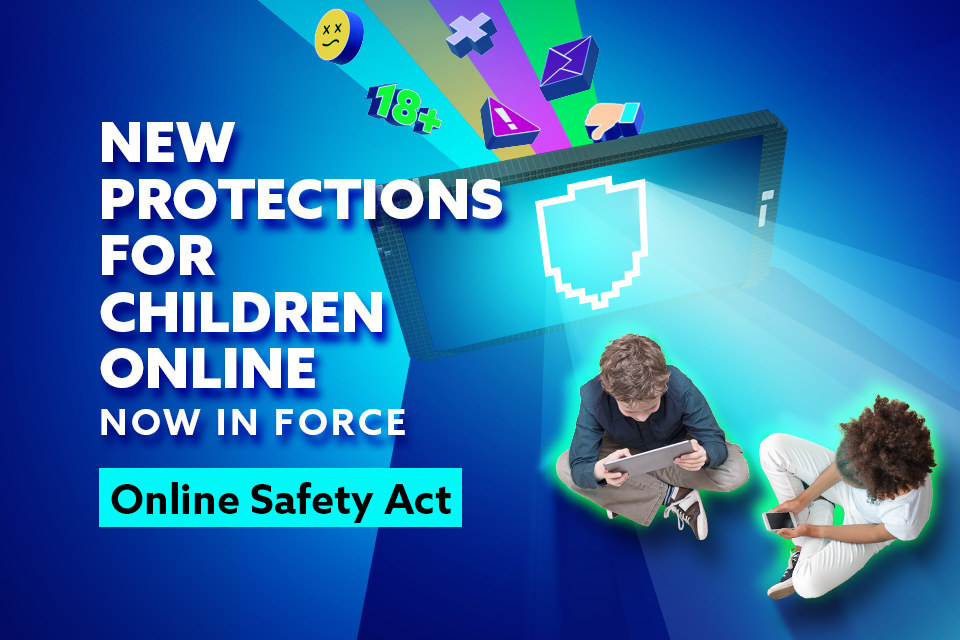
The kids internet and digital safety act framework establishes critical legislative and institutional guardrails designed to shield minors from online exploitation, data harvesting, and unchecked digital exposure within educational and residential environments. According to the Federal Trade Commission (FTC Consumer Advice), proactive digital safeguards and strict privacy defaults are essential to protecting children from predatory tracking and harmful online interactions. Implementing these rigorous protocols ensures that middle school students navigate academic networks securely, maintain a pristine digital footprint, and learn responsible device hygiene. Educators, school administrators, and parents must unite to enforce these protective frameworks, fostering environments where technological engagement remains safe, balanced, and educationally enriching.
Digital Safety Snapshot:
- Core Focus: Regulatory and practical implementation of the kids internet and digital safety act principles.
- Target Scope: Middle school classrooms, administrative IT systems, and home digital environments.
- Key Recommendation: Enforce strict privacy configurations and daily device hygiene protocols.
Core Principles and Detailed Overview
Comprehensive compliance with the kids internet and digital safety act requires a multifaceted approach integrating network filtering, robust cyberbullying prevention, and intentional classroom screen balance. Educational institutions must deploy advanced firewalls that block inappropriate content while simultaneously teaching students how to curate a positive digital footprint that will not jeopardize future opportunities. Furthermore, establishing clear rules against cyber harassment protects vulnerable adolescents from psychological distress, ensuring that school-issued and personal devices are utilized strictly for constructive learning purposes. For comprehensive lesson plans and interactive tools addressing these topics, review the Internet and Digital Safety resource archive.
Key Specifications and Breakdown
| Safety Pillar | Digital Risk Factor | Actionable Protective Habit |
|---|---|---|
| Digital Footprint | Permanent archiving of impulsive or inappropriate posts | Reviewing privacy settings and pausing before sharing content |
| Cyberbullying Prevention | Anonymous harassment and peer intimidation via messaging apps | Reporting abusive behavior immediately and utilizing blocking tools |
| Device Hygiene | Malware infiltration, weak authentication, and data leaks | Updating operating systems regularly and using strong passphrases |
Proactive network monitoring combined with student digital literacy training reduces severe online exploitation risks by establishing immediate behavioral boundaries. — Cybersecurity & Infrastructure Security Agency (CISA)
Visual Reference Gallery








Step-by-Step Practical Application and Guidelines
Executing safety measures involves deploying structured routines that govern device usage, account security, and screen time allocation across all educational settings. Administrators must first audit existing network security parameters, ensuring compliance with federal mandates and age-appropriate content filters. Teachers then integrate Online and Digital Safety modules directly into daily lesson plans, instructing middle school students on how to recognize phishing attempts, manage screen fatigue, and safeguard personal data. Finally, establishing clear logout procedures and device storage habits prevents unauthorized access during unsupervised transition periods.
Common Challenges and How to Avoid Them
Overcoming resistance to digital safety protocols demands consistent policy enforcement and clear educational communication regarding the intent behind the rules. A frequent oversight involves treating internet safety as a one-time lecture rather than an ongoing conversation about digital citizenship and responsible behavior. Educators and parents prevent policy gaps by establishing transparent reporting channels for cyberbullying and ensuring that technical restrictions do not entirely stifle student digital exploration. Engaging students through interactive Worksheets reinforces these vital concepts without inducing compliance fatigue.
💬 Frequently Asked Questions
Explore More Kids Safety and Digital Citizenship Guides on SafeWiredSchools
Navigating the complexities of modern educational technology requires ongoing education, authoritative resources, and practical instructional


