Introduction
Digital safety education is a critical component of modern learning, essential for individuals from early elementary ages through high school. The topic “online stranger danger for kids” forms a foundational element within comprehensive internet safety curricula, relevant for ages 5 to 18. Understanding this concept empowers young people to develop crucial digital awareness, cultivate responsible online behavior, and strengthen personal safety skills in an interconnected world. Educators, parents, and schools consistently prioritize internet safety education, recognizing its role in equipping young individuals with essential life competencies for navigating digital environments securely. A proactive and consistent approach ensures a safer, more enriching online experience for all learners. Explore more in our Internet and Digital Safety category.
💡 Educational Key Takeaways:
- Core Skill: Structured Online Stranger Danger For Kids focused on developing pencil grip, stroke control, and early literacy/math confidence.
- Target Scope: Suited for homeschoolers, preschool, kindergarten, and elementary learners.
- Best Recommendation: Practice 10–15 minutes daily with ergonomic writing tools to reinforce muscle memory without hand fatigue.
Why This Topic Matters
Focusing on “online stranger danger for kids” delivers significant, measurable benefits for young internet users. Learning outcomes include a notable enhancement of critical thinking skills when engaging with digital content and online interactions. Individuals develop a refined ability to recognize potential dangers, suspicious behaviors, and manipulative tactics in various digital spaces. The consistent application of these principles fosters the formation of safe digital habits, encompassing privacy awareness, secure communication practices, and thoughtful sharing. Furthermore, this education significantly advances responsible internet use, a cornerstone of effective digital citizenship. These acquired skills align directly with important developmental milestones for independent decision-making and personal protection throughout childhood and adolescence. Empowering young people with this vital knowledge promotes resilience and self-protection in the ever-evolving online environment. Related guide: Internet Safety Hunt For Students.
Key Concepts and Teaching Strategies
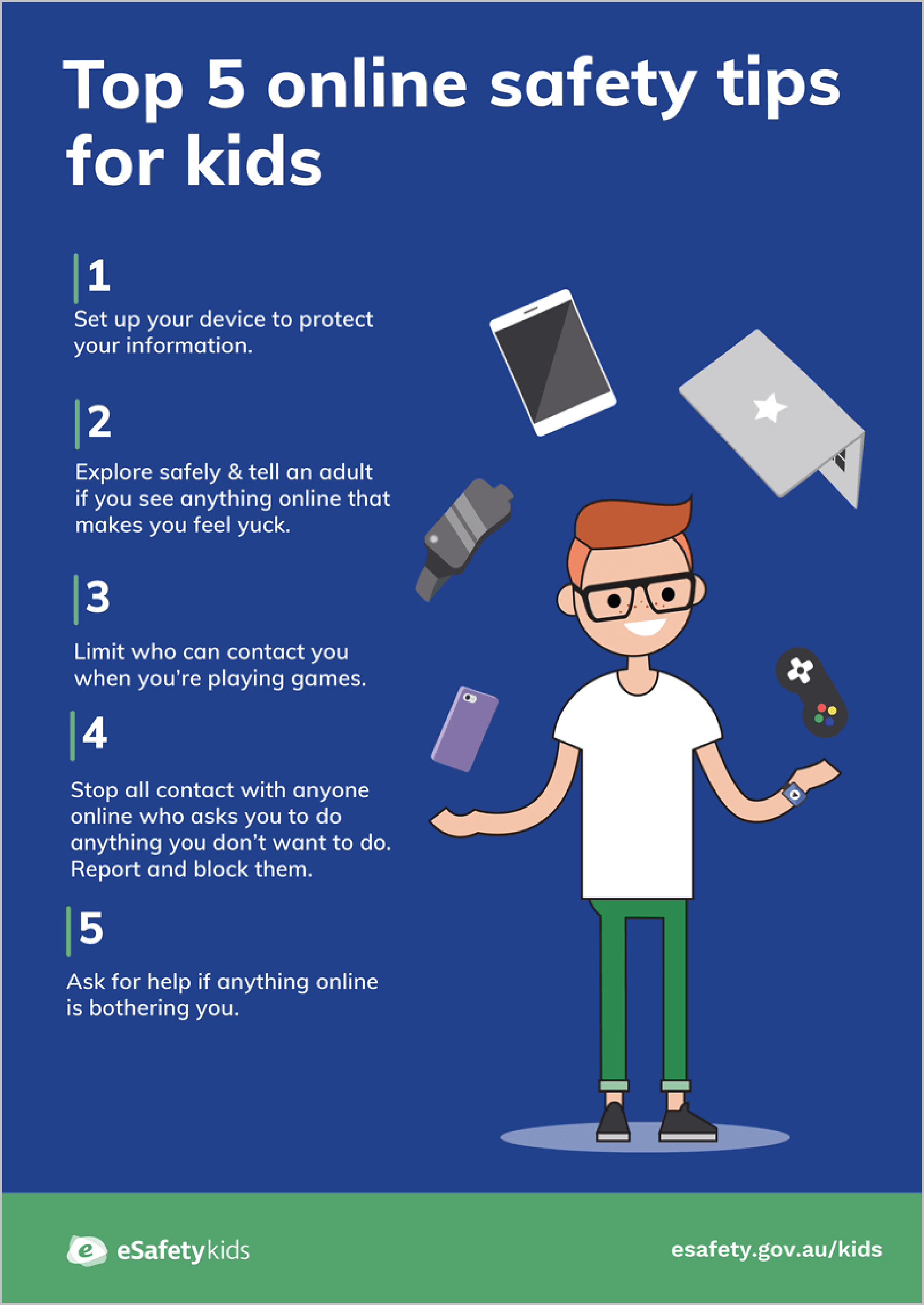
Core concepts addressed within “online stranger danger for kids” include establishing clear online interaction rules, understanding practical safety tips, and accurately identifying warning signs of inappropriate contact. Incorporating scenarios that simulate real-life online situations helps individuals effectively apply learned principles in a practical context. Teaching strategies require adaptation for different age groups, beginning with basic principles for younger children and progressing to nuanced discussions for older students. For elementary-aged learners, the focus involves strict adherence to “no sharing personal information” and “always telling a trusted adult” guidelines. Middle and high school students benefit from deeper explorations of online grooming, phishing attempts, and the lasting permanence of digital footprints. Practical classroom activities might involve role-playing safe online interactions or analyzing hypothetical risky situations. Discussion prompts encourage thoughtful consideration of online friendships, privacy settings, and reporting mechanisms. Home-based approaches include open, ongoing conversations about online experiences and co-viewing digital content with children. Consistent reinforcement of these essential messages across various educational and home settings builds lasting safety awareness and competence. Browse more guides on Safe Wired Schools.
Explore More Resources
Consistent integration of “online stranger danger for kids” principles into daily routines reinforces strong digital safety habits. Ongoing learning and continuous skill development are crucial for navigating the rapidly evolving online landscape effectively. Safewiredschools.org offers an extensive collection of additional internet safety resources, comprehensive guides, and printable materials designed for continued skill enhancement. These valuable tools support educators and parents in fostering a robust culture of online safety within schools and homes. Continued exploration and utilization of these resources ensure robust protection and informed decision-making for all young digital citizens.
Developmental Milestone & Activity Table
| Development Stage | Recommended Daily Duration | Primary Learning Objective |
|---|---|---|
| Preschool & Pre-K | 10 – 15 Minutes | Pencil grip development & basic pre-stroke lines |
| Kindergarten | 15 – 20 Minutes | Letter/number formation & spatial line awareness |
| Early Elementary (Grade 1–2) | 20 – 30 Minutes | Fluency, sentence construction & neatness |