Introduction
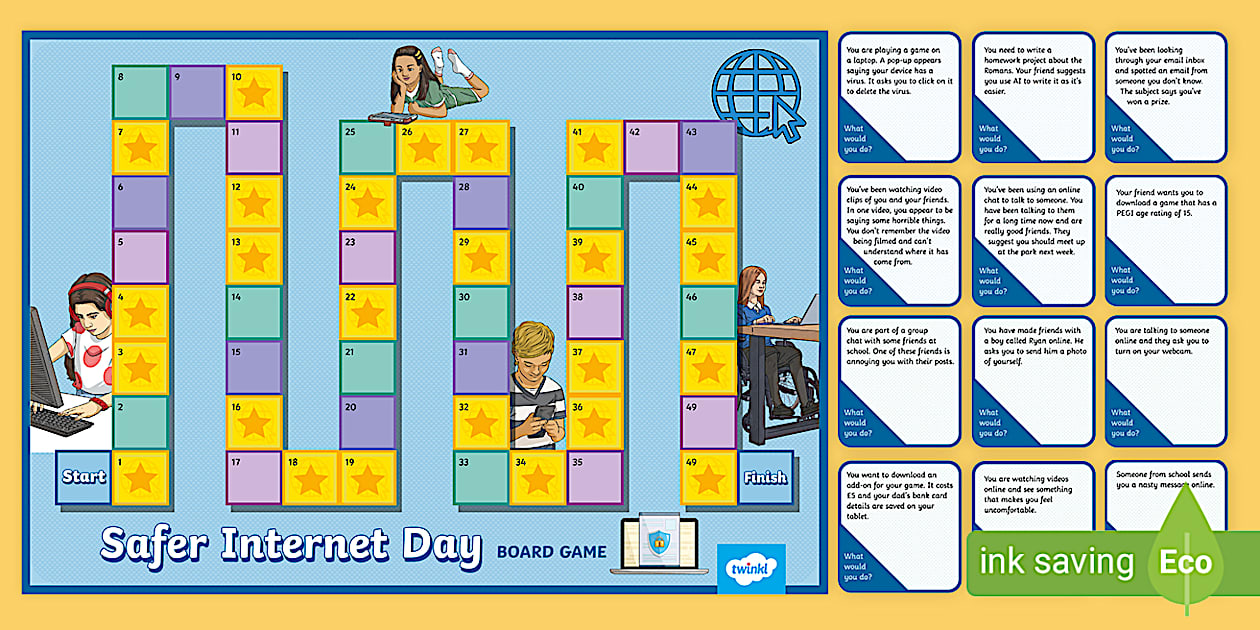
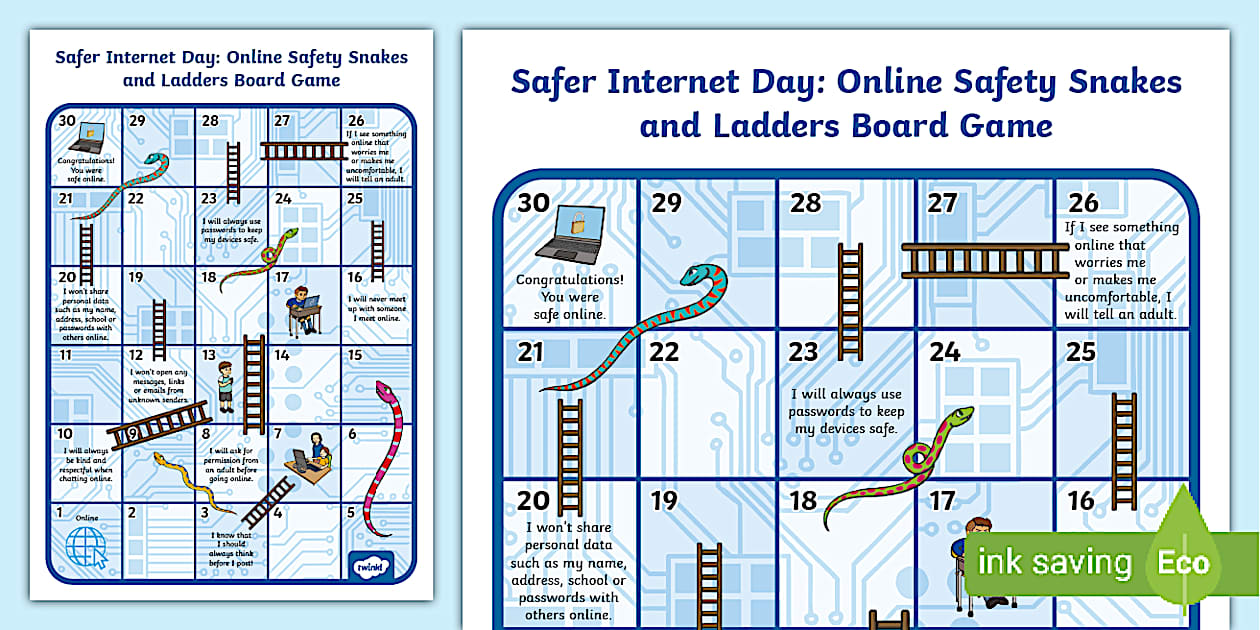
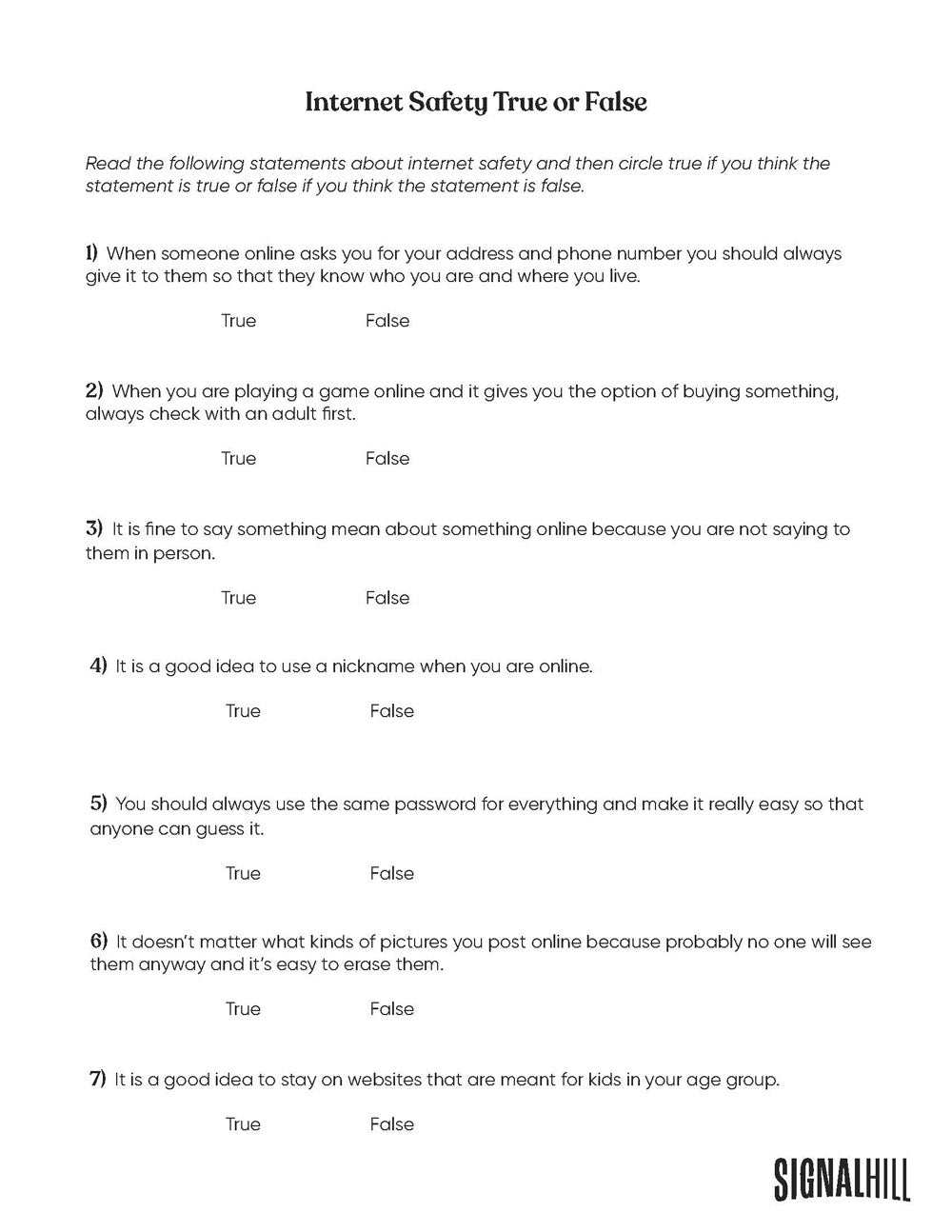
Navigating the digital landscape alongside developing minds requires tools that spark genuine dialogue rather than instilling fear. Children often encounter digital risks not through elaborate schemes, but during casual moments on shared household tablets, cooperative in-game chat windows, and popular video-streaming platforms. Educators and families continuously seek engaging methods to translate complex technological boundaries into digestible concepts for growing learners. Free printable internet safety games for middle school bridge this gap by turning abstract cyber guidelines into interactive challenges. It sounds simple, and that’s the point. Worksheets and game-based printables give children tangible scenarios to analyze, fostering critical thinking without triggering defensive reactions. These resources support the ongoing process of building resilient digital habits, helping youth recognize that technology is a powerful tool best wielded with mindfulness and care.
💡 Educational Key Takeaways:
- Core Skill: Structured Internet Safety Games For Middle School focused on developing pencil grip, stroke control, and early literacy/math confidence.
- Target Scope: Suited for homeschoolers, preschool, kindergarten, and elementary learners.
- Best Recommendation: Practice 10–15 minutes daily with ergonomic writing tools to reinforce muscle memory without hand fatigue.
What This Printable Covers
The printable resource focuses heavily on practical skill-building, specifically centering on the mechanics of keeping personal information private, creating robust passwords, and pausing before sharing content online. Every activity is crafted to address the real-world environments where kids spend time, moving past generic warnings into specific, actionable behaviors. Children practice identifying what constitutes private data—such as home addresses, full names, and school schedules—and learn why guarding that information matters. Furthermore, the activities address the emotional side of digital interaction. According to the Federal Trade Commission, youth frequently navigate tricky peer situations in virtual spaces, making emotional resilience a core component of safety education. The included exercises prompt learners to evaluate peer pressure, manage online kindness, and understand the permanence of digital footprints.
Key Learning Outcomes
Working through these interactive games equips children with a clear mental flowchart for unexpected online scenarios. First, participants learn the vital habit of identifying uncomfortable moments, whether through weird messages or pressure to share secrets. Second, the activities reinforce the golden rule of digital communication: children are never in trouble for reporting something that feels unsettling. According to the National Center for Missing & Exploited Children, open communication lines remain the single most effective safeguard for youth navigating online spaces. By emphasizing trust and transparency, the printable ensures that kids view adults as allies rather than enforcers. Finally, learners practice password hygiene and learn to distinguish between secure connections and public pitfalls, establishing foundational competencies that grow alongside them.
How to Use This Printable
Implementation requires zero advanced preparation, making it seamless for both bustling classrooms and quiet kitchen tables. Adults can introduce the game during a morning meeting, an advisory period, or a weekend family game night. Here’s what makes this resource different: it transforms a traditionally one-sided lecture into a collaborative puzzle-solving session. Educators often pair students up to debate the scenarios presented in the game, encouraging peer-to-peer discourse on digital ethics. Meanwhile, parents can sit alongside children to work through the prompts, using the fictional scenarios as a springboard to discuss real household rules. This interactive format lowers anxiety and invites kids to share their actual digital experiences, transforming a static piece of paper into an active bridge of communication. For more creative avenues, pairing these games with Coloring Pages offers younger siblings a parallel way to engage.
Practical Tips for Parents and Teachers
Maximizing the educational value of any activity sheet relies heavily on the tone set by the supervising adult. Frame the exercise around empowerment and capability rather than restriction and danger. Ask open-ended questions like, “What would you do if a character in this scenario asked for your gamer tag?” Allow children to arrive at the safe conclusion independently, validating their reasoning when they make positive choices. Consistency matters just as much as conversation. Revisit the concepts found within these Worksheets periodically throughout the school year as technology usage evolves. Keeping discussions regular normalizes talking about online safety, ensuring that children feel comfortable coming forward the moment a digital interaction turns sour.
Age-Appropriate Recommendations
Tailoring digital citizenship concepts to specific developmental stages ensures maximum comprehension and retention. Aligning lessons with frameworks like the Common Sense Education Digital Citizenship Curriculum helps educators target the exact cognitive milestones of middle schoolers, who are transitioning toward greater independence and social-media curiosity. Younger children in this bracket benefit from concrete examples, focusing heavily on what not to share and who qualifies as a trusted adult. Older pre-teens can tackle nuanced topics like digital reputation, recognizing misinformation, and understanding the psychological pull of endless scrolling. Adults should adjust the pacing and depth of the conversation accordingly, ensuring the material always matches the child’s actual online environment.
According to Common Sense Media research, a significant percentage of children own a mobile device or access unrestricted internet environments by early middle school, highlighting the urgency of early, empowering digital citizenship guidance. — Common Sense Media
Frequently Asked Questions
Finding the right approach to digital safety often brings up common logistical and pedagogical questions for educators and families alike.
Are these safety games designed to replace parental supervision and technical filters? — Absolutely not. Printables support conversation and habit-building, but they must be paired with active mentorship and appropriate technical safeguards.
Explore More Free Kids Online Safety Printables
Continuing the journey of digital citizenship requires a diverse toolkit of engaging, accessible materials. Expanding beyond a single activity helps reinforce core concepts through repetition and varied formats. Educators and families can easily browse the broader collection of Internet and Digital Safety resources to find supplementary lesson plans. For deeper dives into mindful device usage and respectful virtual communication, exploring the comprehensive Online and Digital Safety hub provides endless inspiration. Equipping the next generation with the confidence to navigate the digital world safely is an ongoing partnership, and having the right printables on hand makes that journey enjoyable for everyone involved.
Developmental Milestone & Activity Table
| Development Stage | Recommended Daily Duration | Primary Learning Objective |
|---|---|---|
| Preschool & Pre-K | 10 – 15 Minutes | Pencil grip development & basic pre-stroke lines |
| Kindergarten | 15 – 20 Minutes | Letter/number formation & spatial line awareness |
| Early Elementary (Grade 1–2) | 20 – 30 Minutes | Fluency, sentence construction & neatness |
Images References