Introduction
Educating children about internet safety is a fundamental responsibility for every adult in a child’s life. The crucial concept of “AI bias explained for kids” is tailored for Elementary grades 15 and Middle/High School grades 612, providing foundational understanding for navigating the digital world. This topic is central to building robust digital awareness, fostering responsible online behavior, and ensuring personal safety across all online interactions. Internet safety education stands as a trusted priority for educators, parents, and schools, forming an indispensable component of comprehensive child development in the modern era. Confident navigation of digital spaces begins with clear, consistent guidance. Explore more in our Internet and Digital Safety category.
💡 Educational Key Takeaways:
- Core Skill: Structured AI Bias Explained For Kids focused on developing pencil grip, stroke control, and early literacy/math confidence.
- Target Scope: Suited for homeschoolers, preschool, kindergarten, and elementary learners.
- Best Recommendation: Practice 10–15 minutes daily with ergonomic writing tools to reinforce muscle memory without hand fatigue.
Why This Topic Matters
Understanding how online information is presented, and recognizing that not all content is neutral, offers specific, measurable learning benefits. Children develop enhanced critical thinking skills, allowing them to evaluate online content with greater discernment. This education equips young users to recognize potential dangers and identify information that might be incomplete or designed to sway opinions. Learning these principles helps build safe digital habits from an early age, contributing to responsible internet use throughout adolescence. These benefits directly support recognized digital citizenship milestones, empowering children to become thoughtful, secure participants in the global online community. This vital knowledge prepares them for a lifetime of informed digital engagement. Related guide: 5 Cyber Safety Tips Symbols That Can Be Read By The Grede 7 Students.
Key Concepts and Teaching Strategies
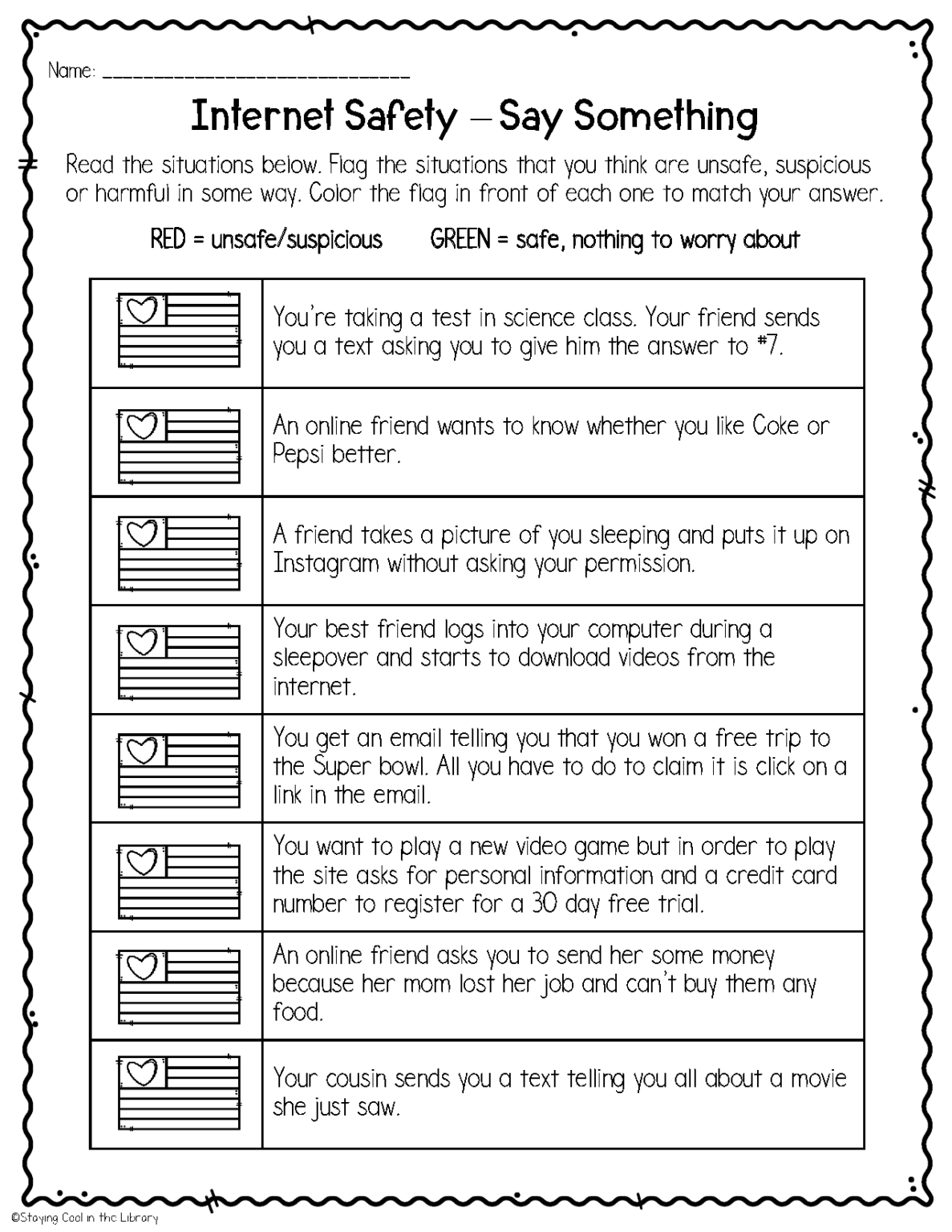
Core concepts covered within “AI bias explained for kids” include understanding that online content often reflects particular viewpoints, and recognizing when information might be trying to persuade or mislead. Children learn practical rules for evaluating online sources, tips for identifying warning signs in content, and strategies for handling real-life scenarios where information may not be what it seems. Educators and parents can scaffold this learning progressively, starting with simple questions like “Who made this?” for younger children, and advancing to more complex analysis for older students, such as comparing multiple sources on the same topic. Practical classroom activities include group discussions about hypothetical online situations and examining different news articles for varying perspectives. At home, parents can engage in co-viewing digital content with children, prompting conversations about what is being seen and read. Encouraging children to question and verify information builds essential digital literacy. Browse more guides on Safe Wired Schools.
Explore More Resources
Integrating these critical thinking skills into a consistent digital safety learning routine is paramount for sustained online well-being. Continuous development of digital literacy ensures children remain vigilant and informed as they grow. Educators and parents are invited to explore more internet safety resources, comprehensive guides, and printable materials available at safewiredschools.org. These valuable tools support ongoing skill development and reinforce the importance of a secure and responsible online experience for every child. Ongoing learning safeguards digital journeys.
Developmental Milestone & Activity Table
| Development Stage | Recommended Daily Duration | Primary Learning Objective |
|---|---|---|
| Preschool & Pre-K | 10 – 15 Minutes | Pencil grip development & basic pre-stroke lines |
| Kindergarten | 15 – 20 Minutes | Letter/number formation & spatial line awareness |
| Early Elementary (Grade 1–2) | 20 – 30 Minutes | Fluency, sentence construction & neatness |