Introduction
An internet safety unit for kindergarten establishes essential digital foundations for the youngest learners. This crucial educational initiative addresses children typically aged five to six, providing foundational knowledge before extensive independent online engagement begins. Such a unit plays a vital role in building digital awareness, fostering responsible online behavior, and ensuring personal safety within digital environments. Internet safety education represents a trusted priority for educators, parents, and schools, recognizing the pervasive nature of technology in modern life. Proactive teaching at this early stage equips children with fundamental protective strategies, creating a safer digital experience from the outset. Explore more in our Internet and Digital Safety category.
💡 Educational Key Takeaways:
- Core Skill: Structured Internet Safety Unit For Kindergarten focused on developing pencil grip, stroke control, and early literacy/math confidence.
- Target Scope: Suited for homeschoolers, preschool, kindergarten, and elementary learners.
- Best Recommendation: Practice 10–15 minutes daily with ergonomic writing tools to reinforce muscle memory without hand fatigue.
Why This Topic Matters
Implementing an internet safety unit for kindergarten yields specific, measurable learning benefits for young children. Students begin developing critical thinking skills related to online content, learning to question what they see and hear digitally. Children gain the ability to recognize potential online dangers through simple, clear examples. This early instruction builds safe digital habits, such as asking a trusted adult before clicking unfamiliar links or sharing personal information. The curriculum supports the development of responsible internet use, aligning directly with foundational digital citizenship and key child development milestones. Early exposure fosters a lifelong approach to safe and thoughtful online interactions. Related guide: 5 Cyber Safety Tips Symbols That Can Be Read By The Grede 7 Students.
Key Concepts and Teaching Strategies
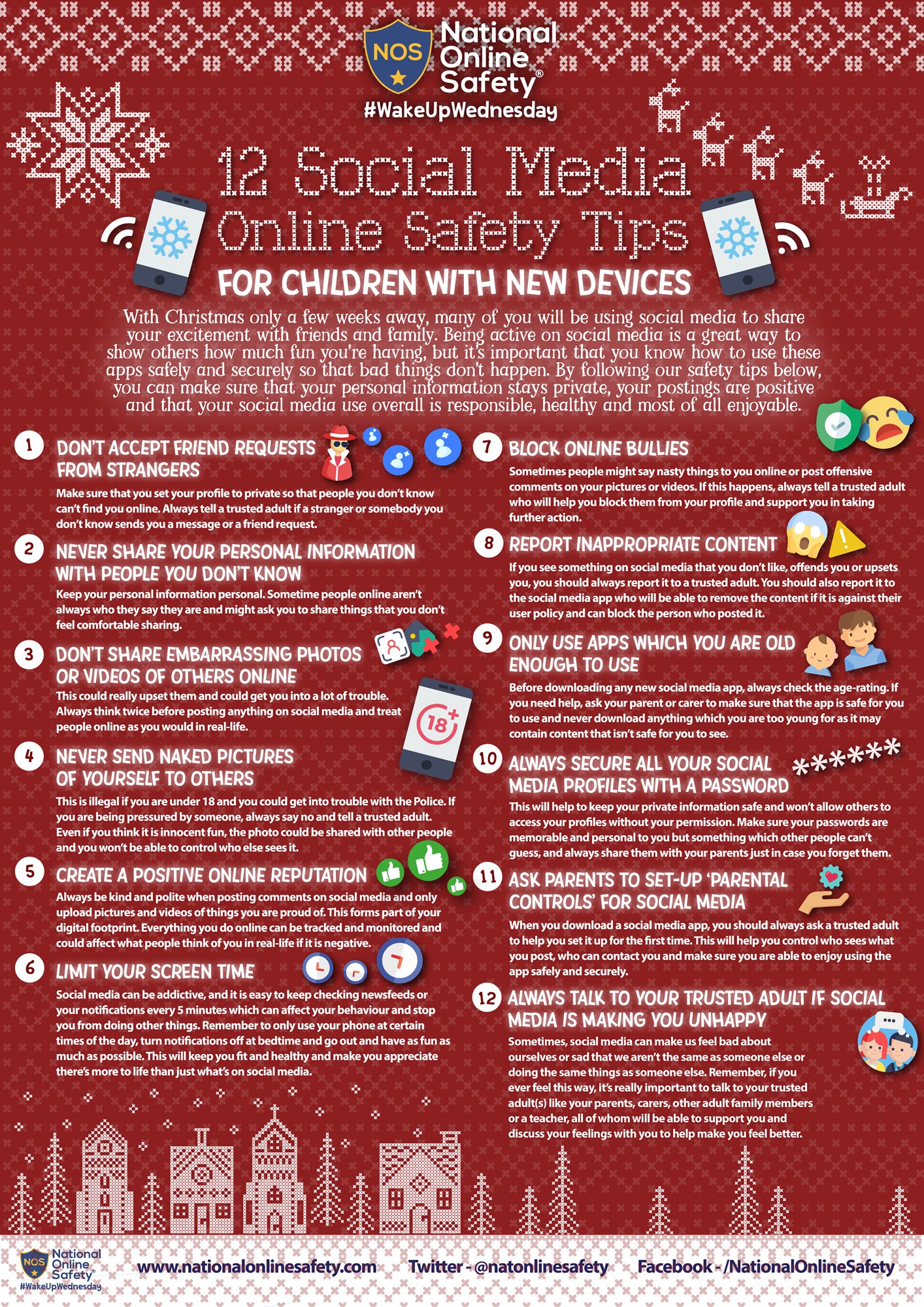
The core concepts within an internet safety unit for kindergarten focus on simple, actionable rules and tips. Children learn to identify warning signs through age-appropriate scenarios, such as recognizing when content feels “icky” or “too private.” Educators and parents can scaffold learning progressively, starting with basic principles like “Ask Before You Click” and “Tell a Trusted Adult.” Practical classroom activities might include role-playing safe online interactions or coloring pages illustrating digital boundaries. Discussion prompts encourage children to share their experiences and understand the difference between real-life friends and online contacts. Home-based approaches include co-viewing online content with children and modeling safe digital practices. Browse more guides on Safe Wired Schools.
Explore More Resources
Consistent reinforcement of internet safety principles forms a vital part of a child’s ongoing digital learning routine. Continued engagement with these topics strengthens protective behaviors and adaptability to new online challenges. Educators and parents are invited to explore more internet safety resources, comprehensive guides, and printable materials available at safewiredschools.org. These tools support sustained skill development and provide further avenues for fostering a secure and responsible digital experience for children of all ages.
Developmental Milestone & Activity Table
| Development Stage | Recommended Daily Duration | Primary Learning Objective |
|---|---|---|
| Preschool & Pre-K | 10 – 15 Minutes | Pencil grip development & basic pre-stroke lines |
| Kindergarten | 15 – 20 Minutes | Letter/number formation & spatial line awareness |
| Early Elementary (Grade 1–2) | 20 – 30 Minutes | Fluency, sentence construction & neatness |