Introduction
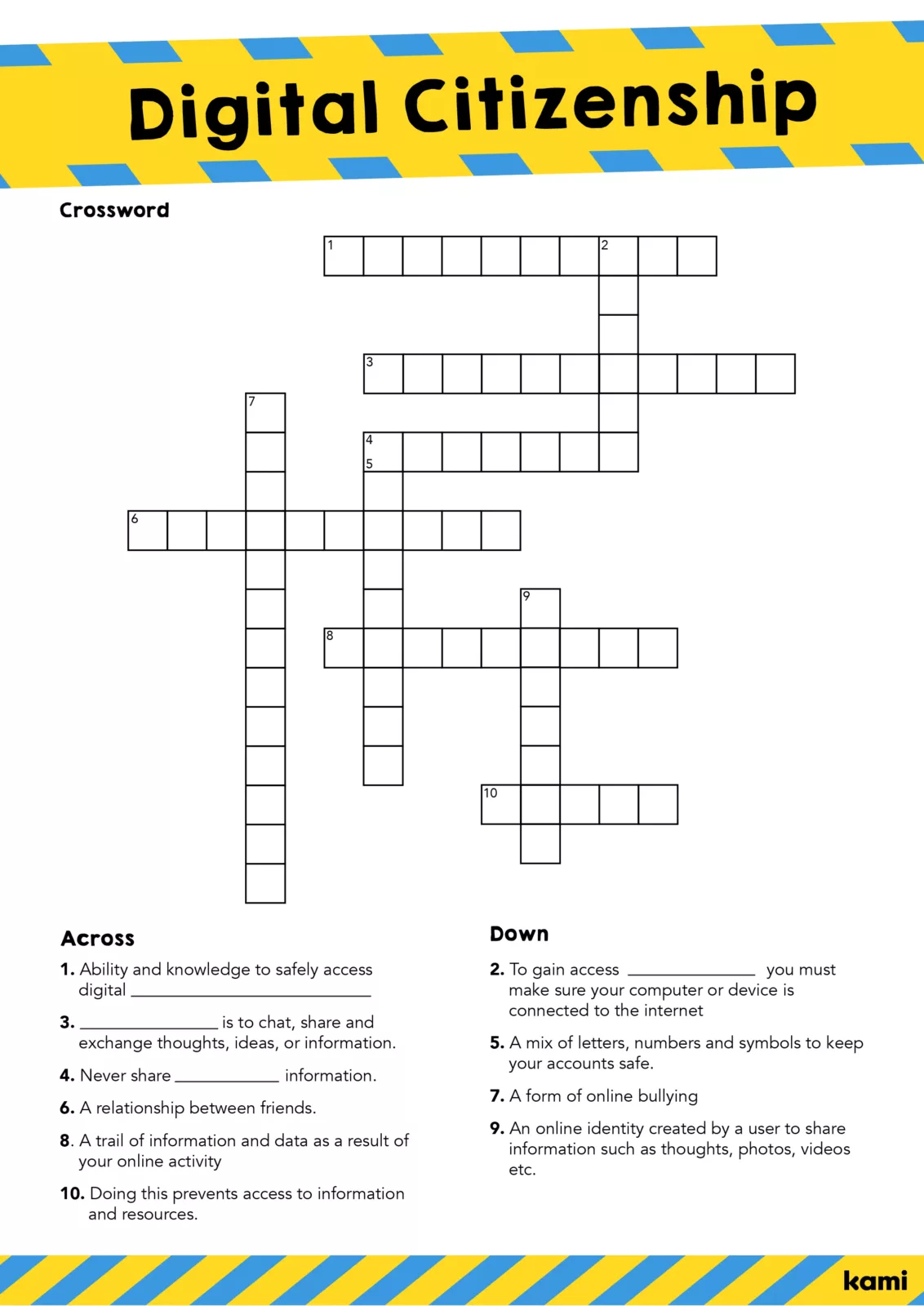
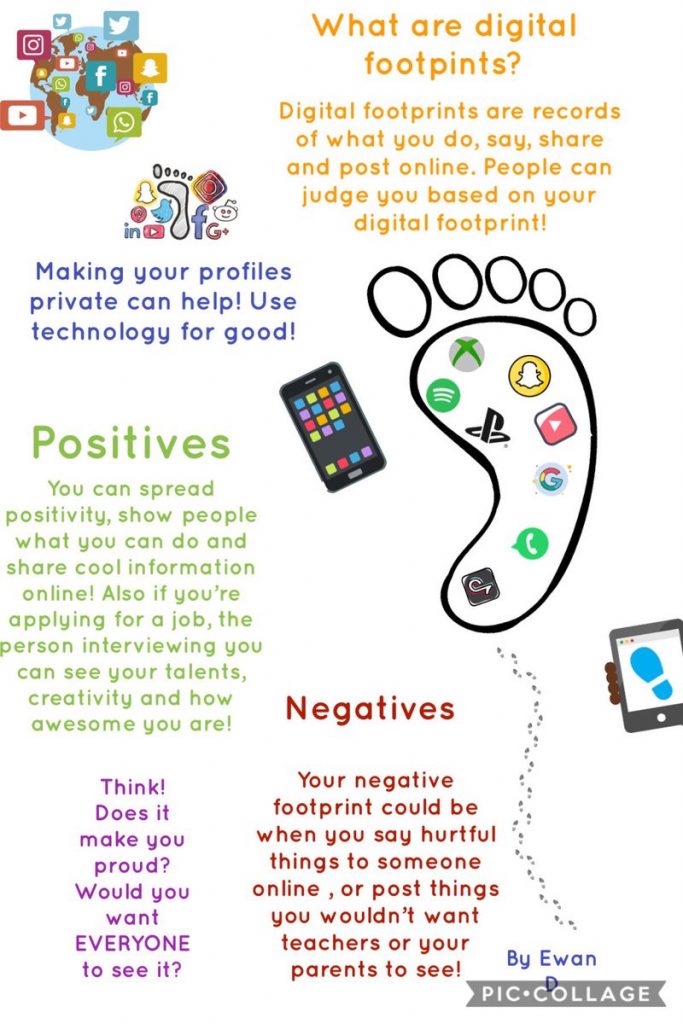
“Digital citizenship for grade 5” establishes vital learning within elementary education. Developing robust digital awareness proves crucial for young learners navigating online environments. Responsible online behavior is fostered, ensuring positive interactions. Personal safety receives priority, building foundational skills for lifelong internet use. Internet safety education represents a trusted commitment from educators, parents, and schools. This collaborative approach establishes secure learning pathways for children. Explore more in our Internet and Digital Safety category.
💡 Educational Key Takeaways:
- Core Skill: Structured Digital Citizenship For Grade 5 focused on developing pencil grip, stroke control, and early literacy/math confidence.
- Target Scope: Suited for homeschoolers, preschool, kindergarten, and elementary learners.
- Best Recommendation: Practice 10–15 minutes daily with ergonomic writing tools to reinforce muscle memory without hand fatigue.
Why This Topic Matters
Digital citizenship education for grade 5 students yields significant learning benefits. Critical thinking online develops as a core skill. Young individuals learn to recognize potential dangers effectively. Safe digital habits emerge as a direct outcome of this instruction. Responsible internet use signifies a key developmental milestone for these young users. These competencies align directly with recognized digital citizenship frameworks. Such education actively supports the cognitive and social development of elementary school children. Related guide: What Is Internet Safety Important Points For Students.
Key Concepts and Teaching Strategies
Core concepts for digital citizenship in grade 5 encompass foundational online rules. Practical tips for safe navigation receive emphasis. Identifying common warning signs becomes a vital skill. Real-life scenarios are explored, providing contextual understanding. Age-appropriate strategies empower young users. Educators and parents progressively scaffold learning through consistent reinforcement. Practical classroom activities engage students directly. Structured discussion prompts encourage thoughtful reflection. Home-based approaches extend learning beyond school walls. These methods collectively create a comprehensive safety net. Browse more guides on Safe Wired Schools.
Explore More Resources
The value of a consistent digital safety learning routine remains paramount. Sustained engagement fosters ongoing skill development. Educators and parents are encouraged to explore comprehensive internet safety resources. Safewiredschools.org offers guides and printable materials. These tools support continued learning journeys. Further information reinforces responsible online practices.
Developmental Milestone & Activity Table
| Development Stage | Recommended Daily Duration | Primary Learning Objective |
|---|---|---|
| Preschool & Pre-K | 10 – 15 Minutes | Pencil grip development & basic pre-stroke lines |
| Kindergarten | 15 – 20 Minutes | Letter/number formation & spatial line awareness |
| Early Elementary (Grade 1–2) | 20 – 30 Minutes | Fluency, sentence construction & neatness |
Images References