Introduction
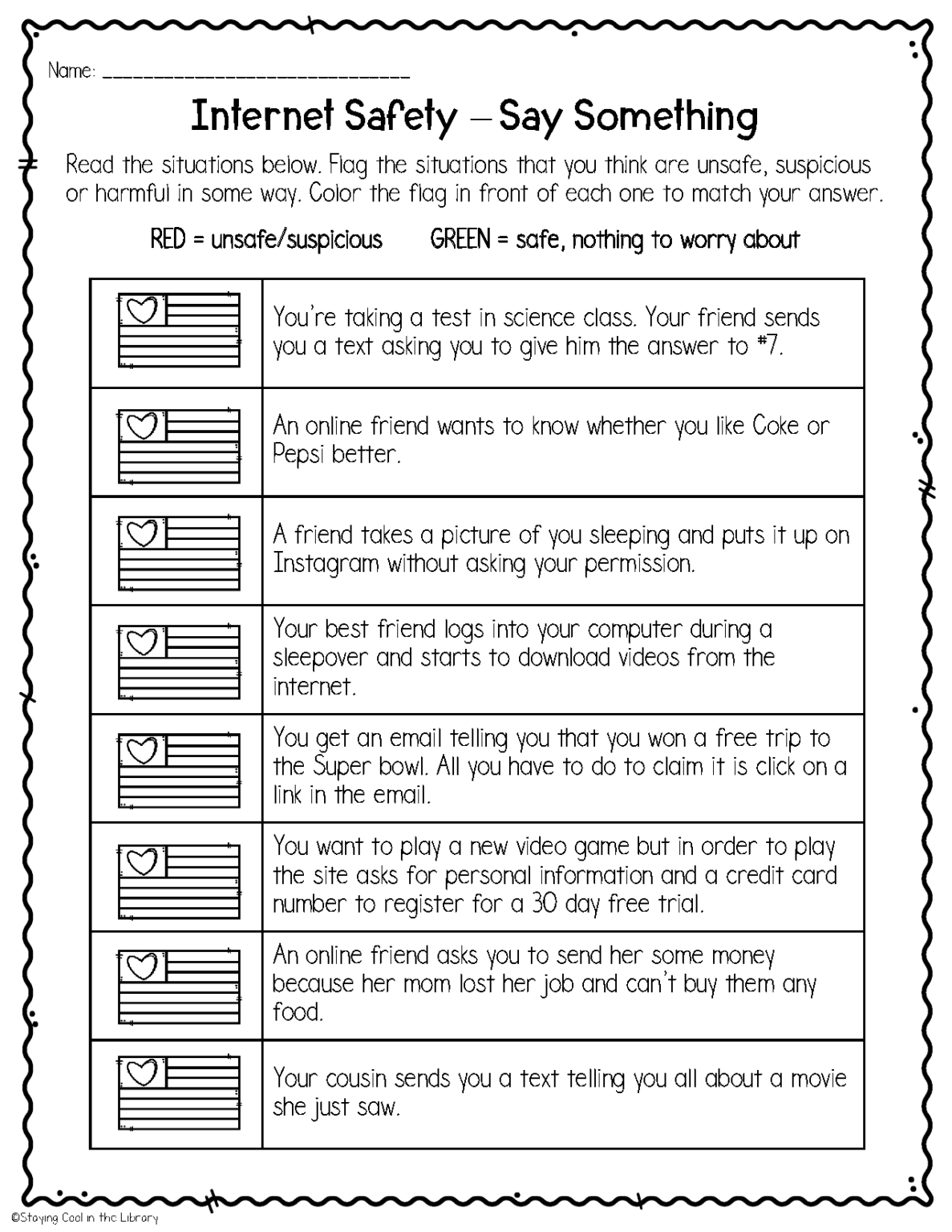
Internet safety games for kindergarten focuses on establishing foundational digital literacy for children aged approximately five to six years old. This critical educational level introduces young learners to the online world in a secure and supervised manner. The topic’s relevance stems from the increasing integration of digital tools into daily life, making early digital awareness essential. These educational activities play a vital role in building a child’s understanding of responsible online behavior and promoting personal safety from the earliest stages of development. Internet safety education represents a trusted priority for educators, parents, and schools, ensuring children possess the necessary skills to navigate digital environments confidently and safely. Explore more in our Internet and Digital Safety category.
💡 Educational Key Takeaways:
- Core Skill: Structured Internet Safety Games For Kindergarten focused on developing pencil grip, stroke control, and early literacy/math confidence.
- Target Scope: Suited for homeschoolers, preschool, kindergarten, and elementary learners.
- Best Recommendation: Practice 10–15 minutes daily with ergonomic writing tools to reinforce muscle memory without hand fatigue.
Why This Topic Matters
Introducing internet safety through engaging games offers specific, measurable learning benefits for kindergarten-aged children. These activities foster early critical thinking online, enabling young learners to question and evaluate simple digital interactions. Children begin recognizing potential dangers, such as identifying unfamiliar pop-ups or understanding why personal information should remain private. Playing these games helps build safe digital habits, including asking a trusted adult for permission before clicking links or downloading content. Ultimately, these experiences develop a responsible approach to internet use, aligning with initial digital citizenship and child development milestones that prioritize safety and thoughtful engagement with new technologies. Related guide: 5 Cyber Safety Tips Symbols That Can Be Read By The Grede 7 Students.
Key Concepts and Teaching Strategies
Core concepts covered in internet safety games for kindergarten include simple rules, practical tips, and basic warning signs. Children learn fundamental principles, such as “always ask a grown-up before clicking” and “keep your name and address private.” Age-appropriate strategies teach them to “tell a trusted adult” if something online feels confusing or uncomfortable. Educators and parents can effectively scaffold learning progressively by starting with clear, simple messages and reinforcing them through repetition and varied scenarios. Practical classroom activities include interactive story-based games, role-playing scenarios about online interactions, and group discussions prompted by visual cues. Home-based approaches involve supervised screen time, co-viewing digital content, and open conversations about online experiences, consistently reinforcing learned safety practices. Browse more guides on Safe Wired Schools.
Explore More Resources
Consistent engagement with digital safety education reinforces the value of early learning in a dynamic online world. Continuing this learning routine ensures children progressively develop their internet safety skills. Educators and parents are invited to explore additional internet safety resources, comprehensive guides, and printable materials available at safewiredschools.org. These resources support ongoing skill development, offering tools and information to foster a safe and responsible digital experience for all ages.
Developmental Milestone & Activity Table
| Development Stage | Recommended Daily Duration | Primary Learning Objective |
|---|---|---|
| Preschool & Pre-K | 10 – 15 Minutes | Pencil grip development & basic pre-stroke lines |
| Kindergarten | 15 – 20 Minutes | Letter/number formation & spatial line awareness |
| Early Elementary (Grade 1–2) | 20 – 30 Minutes | Fluency, sentence construction & neatness |