Introduction
Navigating the digital landscape requires proactive guidance, especially as older students grapple with complex online interactions. High school educators face the pressing challenge of equipping adolescents for a hyper-connected world where boundaries blur rapidly. Teachers of grades 9-12 should expand internet safety instruction to include critical topics like digital footprint management, privacy settings, and algorithmic literacy. Exploring the free printable resource addressing teachers of grades 9-12 should expand internet safety instruction to include which of the following topics helps bridge knowledge gaps in secondary classrooms. Children frequently encounter online risks in unexpected places, such as through in-game chat features on shared household consoles or public video platforms during casual browsing. Building robust digital citizenship habits transforms screen time into a safe, empowering experience. Related guide: Teachers Of Grades 9–12 Should Expand Internet Safety Instruction To Include Which Of The Following Topics?.
💡 Educational Key Takeaways:
- Core Skill: Structured Teachers Of Grafes 9-12 Should Expand Internet Safety Instruction To Include Which Of The Following Topics focused on developing pencil grip, stroke control, and early literacy/math confidence.
- Target Scope: Suited for homeschoolers, preschool, kindergarten, and elementary learners.
- Best Recommendation: Practice 10–15 minutes daily with ergonomic writing tools to reinforce muscle memory without hand fatigue.
What This Printable Covers
Secondary instruction must evolve beyond basic rules to address the nuanced realities of adolescent digital lives. This worksheet or activity focuses on the specific skill practiced and discussion use, guiding students through scenarios involving data privacy, peer communication, and reputation management. It sounds simple, and that’s the point. Clear, focused exercises allow learners to unpack complex concepts without feeling overwhelmed by technical jargon. Here’s what makes this resource different: it shifts the focus from fear-based warnings to critical thinking and responsible decision-making. Adolescents analyze real-world digital dilemmas, evaluating how online choices impact future opportunities, personal relationships, and overall well-being.
Key Learning Outcomes
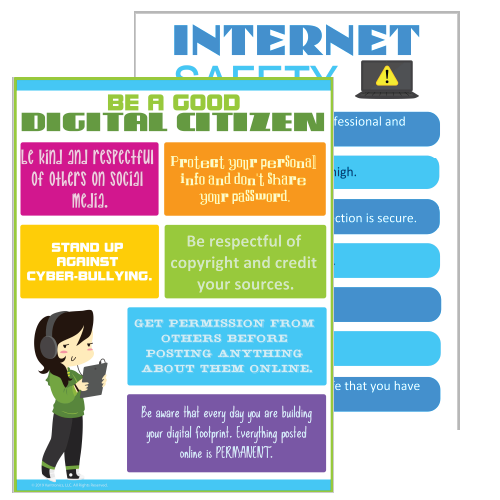
Structured classroom discussions and independent writing prompts help reinforce essential protective habits. Learners examine the permanence of digital footprints, learning how posts and comments remain accessible long after deletion. Another critical focus involves recognizing manipulation tactics embedded within modern social algorithms and targeted advertising. Students also practice identifying trusted adults to approach when encountering uncomfortable digital content, reinforcing the core message that minors are never in trouble for reporting concerns. By breaking down these concepts into manageable segments, educators foster a classroom culture where digital safety feels approachable and relevant to daily adolescent experiences.
How to Use This Printable
Effective implementation relies on creating a supportive environment where students feel comfortable sharing ideas and asking questions. Educators can integrate these materials into advisory periods, health classes, or computer science curricula. Distributing physical copies encourages active participation and reduces digital fatigue during screen-heavy instructional blocks. Group collaboration works exceptionally well with this resource, prompting peers to debate hypothetical scenarios and arrive at consensus-based safety strategies. Furthermore, educators seeking additional foundational materials often explore related student activity pages to reinforce ongoing digital citizenship units throughout the academic year.
Practical Tips for Parents and Teachers
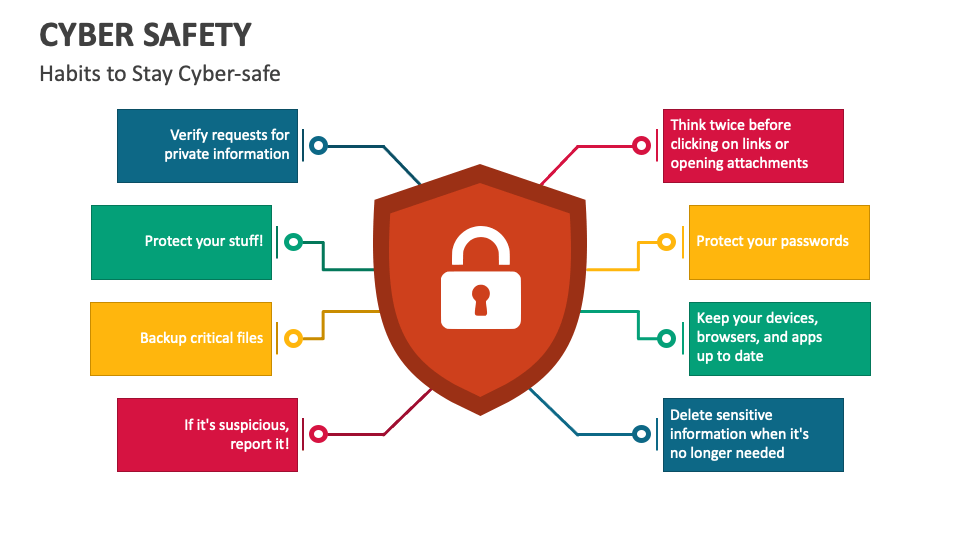
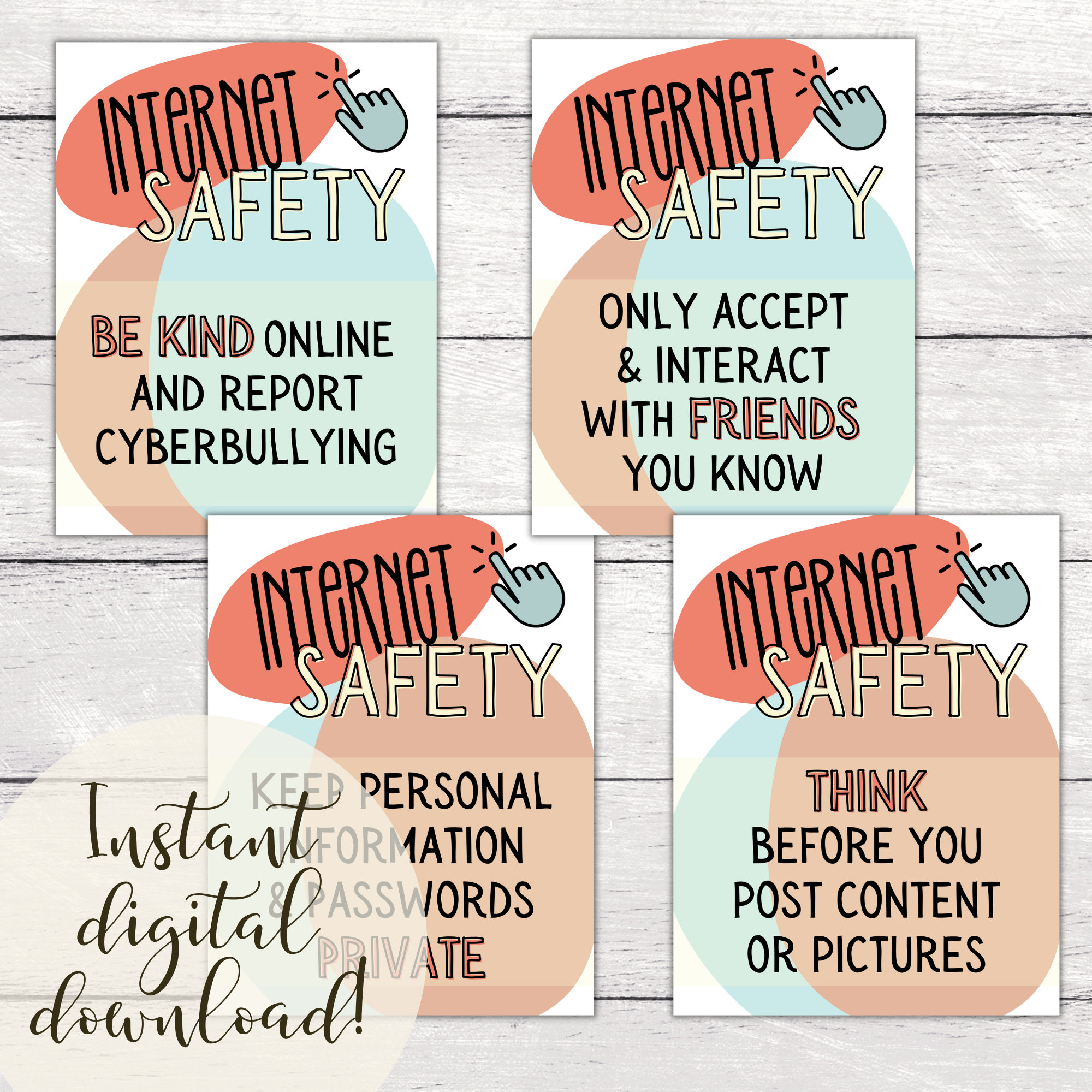
Maximizing the impact of any educational tool requires intentional facilitation and follow-up discussion. Adults should approach these conversations with curiosity rather than interrogation, asking open-ended questions about preferred platforms and online trends. Establishing clear family or classroom guidelines regarding strong passwords and private information creates a predictable safety net. When children know that honesty is valued above all else, they are far more likely to disclose distressing online encounters immediately. Educators and families looking to expand their resource library can also review comprehensive online wellness guides to support holistic adolescent development both in school and at home.
Age-Appropriate Recommendations
Tailoring digital literacy instruction to older teenagers demands a framework that respects their growing autonomy while establishing firm ethical boundaries. According to Common Sense Media, adolescents frequently underestimate the long-term professional implications of their current social media sharing habits. Aligning instructional strategies with the ISTE Standards for Students ensures that secondary learners cultivate responsible, empathetic digital identities. Educators must pivot from monitoring behavior to mentoring students as self-directed digital citizens. This developmental transition prepares teens for the independent decision-making required in higher education and the modern workforce.
Adolescents frequently encounter unverified information and privacy risks across social media and gaming platforms. — Common Sense Media
Frequently Asked Questions
Navigating digital safety tools is straightforward when educators and parents have access to clear, concise guidance. The following answers address common inquiries regarding downloading, implementation, and educational frameworks designed to protect young internet users.
According to the Pew Research Center, the vast majority of teens access the internet daily via mobile devices, making portable safety education essential. — Pew Research Center
Explore More Free Kids Online Safety Printables
Continuing digital citizenship education requires a diverse toolkit of engaging, accessible materials. Educators and families can discover complementary resources by visiting the digital safety portal for updated classroom activities. Additionally, incorporating creative exercises such as themed educational art sheets helps reinforce positive habits for younger learners sharing devices in elementary settings. Sustained dialogue remains the most effective safeguard for children navigating the digital world.
Developmental Milestone & Activity Table
| Development Stage | Recommended Daily Duration | Primary Learning Objective |
|---|---|---|
| Preschool & Pre-K | 10 – 15 Minutes | Pencil grip development & basic pre-stroke lines |
| Kindergarten | 15 – 20 Minutes | Letter/number formation & spatial line awareness |
| Early Elementary (Grade 1–2) | 20 – 30 Minutes | Fluency, sentence construction & neatness |
Images References