Introduction
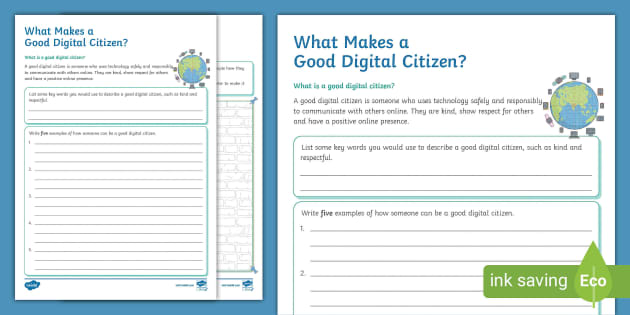
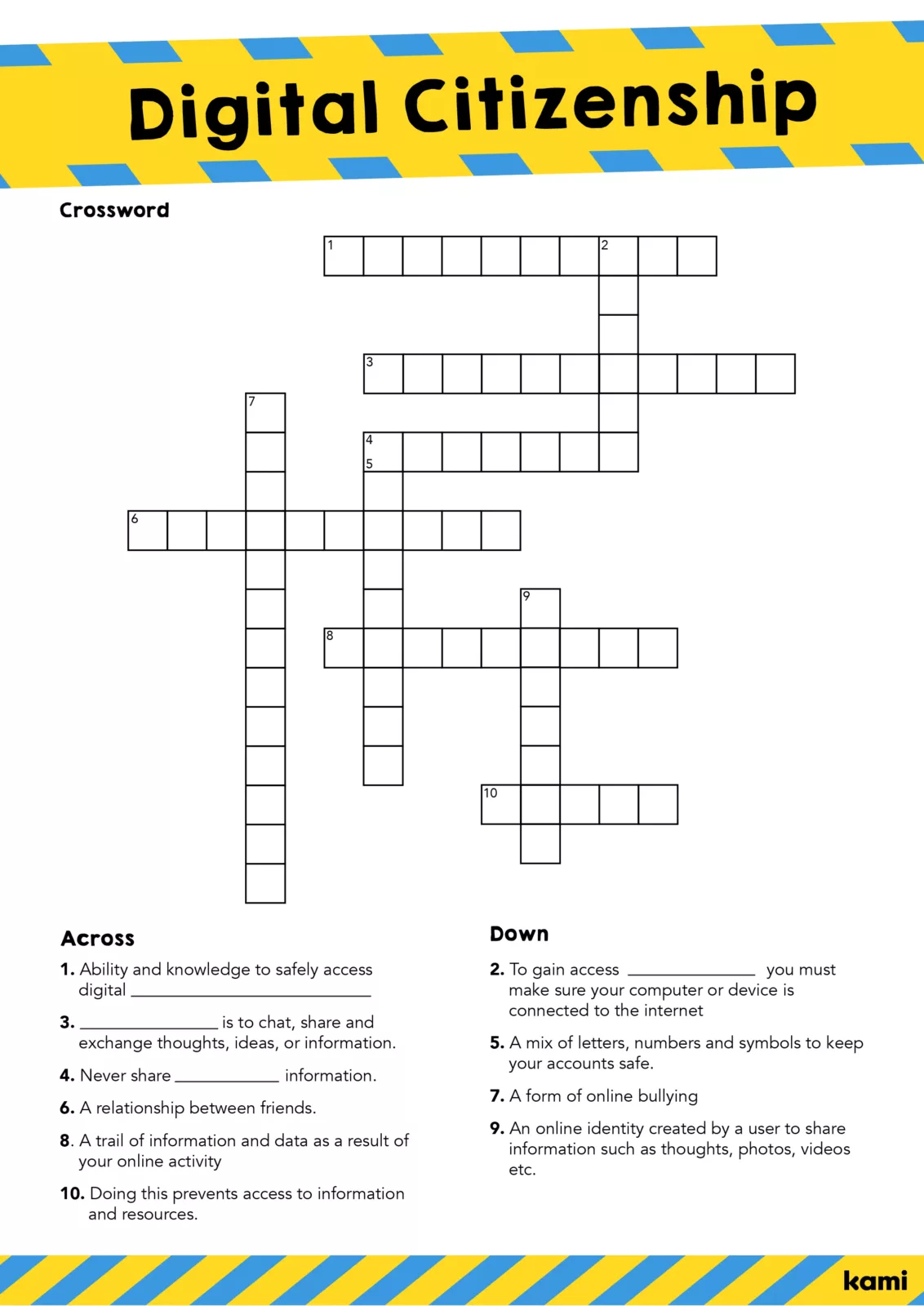
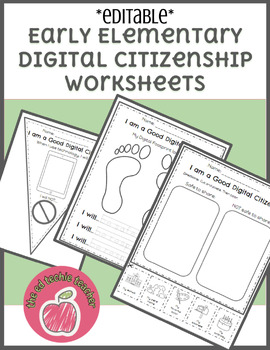
Digital citizenship for Grade 1 establishes foundational internet safety understanding for young learners, typically ages 6-7. This educational level focuses on introducing fundamental concepts of responsible online behavior and personal safety within digital environments. Initiating digital awareness at this early stage builds essential habits for navigating the internet safely and constructively. Educators, parents, and schools prioritize internet safety education as a trusted pathway to prepare children for the interconnected world, ensuring positive and secure digital experiences from their earliest interactions. Explore more in our Internet and Digital Safety category.
💡 Educational Key Takeaways:
- Core Skill: Structured Digital Citizenship For Grade 1 focused on developing pencil grip, stroke control, and early literacy/math confidence.
- Target Scope: Suited for homeschoolers, preschool, kindergarten, and elementary learners.
- Best Recommendation: Practice 10–15 minutes daily with ergonomic writing tools to reinforce muscle memory without hand fatigue.
Why This Topic Matters
Teaching digital citizenship at Grade 1 offers significant, measurable learning benefits for elementary students. Early instruction fosters critical thinking skills online, enabling children to begin discerning trustworthy content from potentially misleading information. It helps young learners recognize basic online dangers, such as unexpected pop-ups or requests for personal details. Developing safe digital habits from an early age, including asking permission before going online and understanding screen time limits, becomes ingrained. This foundational knowledge promotes responsible internet use, contributing to a child’s overall digital literacy and resilience as they grow. Related guide: Teachers Of Grades 9–12 Should Expand Internet Safety Instruction To Include Which Of The Following Topics?.
Key Concepts and Teaching Strategies
Core concepts for digital citizenship at Grade 1 include simple rules, practical tips, and clear warning signs. Children learn fundamental principles such as “Ask a trusted adult before clicking or sharing anything online” and “Tell a grown-up if something makes you feel uncomfortable.” Age-appropriate strategies involve discussing real-life scenarios, like what to do if a new online game asks for a home address. Educators and parents can scaffold learning progressively, starting with basic identification of safe sites and moving towards understanding online kindness. Practical classroom activities include storybooks featuring digital dilemmas and role-playing safe online interactions. At home, co-viewing educational content and establishing family digital rules provide valuable learning opportunities. Browse more guides on Safe Wired Schools.
Explore More Resources
Reinforcing digital safety concepts consistently ensures sustained learning and adaptation as children grow. A consistent digital safety learning routine empowers young users with lasting skills. Educators and parents are encouraged to explore additional internet safety resources, comprehensive guides, and printable materials available at safewiredschools.org. These tools support continued skill development and reinforce the importance of lifelong digital citizenship education.
Developmental Milestone & Activity Table
| Development Stage | Recommended Daily Duration | Primary Learning Objective |
|---|---|---|
| Preschool & Pre-K | 10 – 15 Minutes | Pencil grip development & basic pre-stroke lines |
| Kindergarten | 15 – 20 Minutes | Letter/number formation & spatial line awareness |
| Early Elementary (Grade 1–2) | 20 – 30 Minutes | Fluency, sentence construction & neatness |
Images References