Introduction
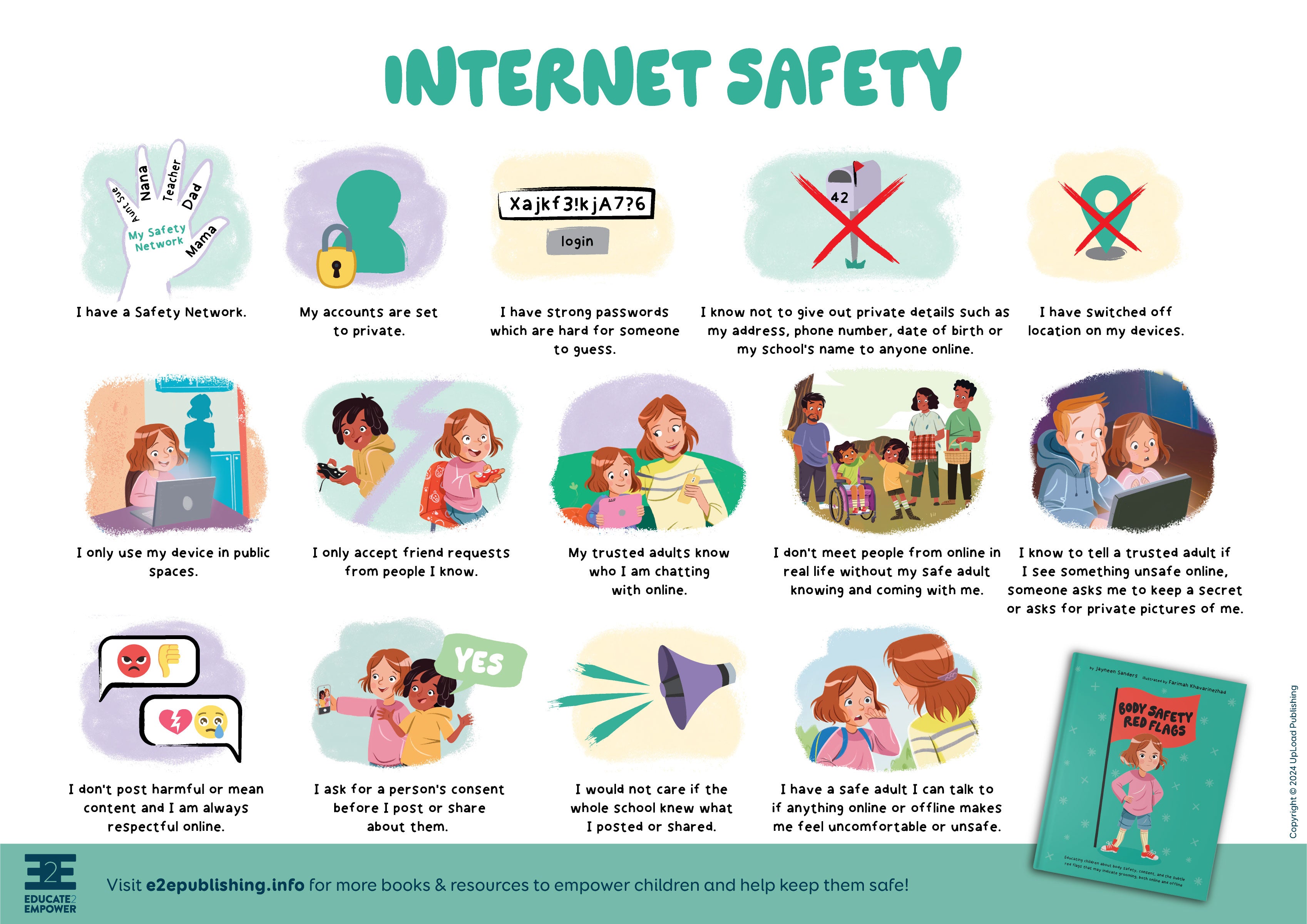
The term “gaming safety tips for kids” encompasses vital lessons applicable across various educational levels, from early childhood (Preschool ages 35) through Elementary (grades 15) and into Middle/High School (grades 612). Digital gaming forms a significant part of contemporary childhood and adolescent life. This immersive activity offers entertainment and social connection but also presents unique safety challenges. Prioritizing gaming safety equips young individuals with essential digital awareness, fostering responsible online behavior and ensuring personal safety within virtual environments. Internet safety education stands as a trusted priority for educators, parents, and schools alike. Comprehensive instruction in this area builds a foundational understanding of digital citizenship, preparing learners for a secure and positive online future. Explore more in our Internet and Digital Safety category.
💡 Educational Key Takeaways:
- Core Skill: Structured Gaming Safety Tips For Kids focused on developing pencil grip, stroke control, and early literacy/math confidence.
- Target Scope: Suited for homeschoolers, preschool, kindergarten, and elementary learners.
- Best Recommendation: Practice 10–15 minutes daily with ergonomic writing tools to reinforce muscle memory without hand fatigue.
Why This Topic Matters
The implementation of gaming safety tips provides measurable learning benefits for young people. This instruction cultivates critical thinking skills necessary for navigating online environments safely. Individuals learn to recognize potential dangers, such as cyberbullying, scams, or inappropriate content, effectively safeguarding personal information. Establishing safe digital habits, including strong password practices and privacy settings awareness, becomes an inherent outcome. Furthermore, a focus on responsible internet use develops, guiding interactions with peers and strangers in a respectful manner. These benefits align directly with recognized digital citizenship competencies and crucial child development milestones, fostering independent and informed online participation. Related guide: 5 Cyber Safety Tips Symbols That Can Be Read By The Grede 7 Students.
Key Concepts and Teaching Strategies
Core concepts within gaming safety tips include establishing clear online rules, understanding essential safety tips, and recognizing warning signs of problematic interactions. Real-life scenarios provide practical context for these lessons, making abstract dangers tangible for learners. Age-appropriate strategies ensure that instruction resonates with varying developmental stages. Educators and parents can scaffold learning progressively, beginning with basic rules for younger children, such as “never share personal details,” and advancing to more complex discussions about digital footprints and online reputation for older students. Practical classroom activities might involve role-playing difficult online situations or analyzing hypothetical gaming interactions. Discussion prompts encourage open communication about online experiences, while home-based approaches include co-playing games and reviewing privacy settings together. Browse more guides on Safe Wired Schools.
Explore More Resources
Consistent integration of digital safety learning routines reinforces the importance of gaming safety. Continued engagement with these vital lessons fosters a secure and confident online presence for young individuals. Educators and parents are encouraged to explore additional internet safety resources, comprehensive guides, and printable materials available at safewiredschools.org. These valuable tools support ongoing skill development and promote a collaborative approach to digital citizenship education.
Developmental Milestone & Activity Table
| Development Stage | Recommended Daily Duration | Primary Learning Objective |
|---|---|---|
| Preschool & Pre-K | 10 – 15 Minutes | Pencil grip development & basic pre-stroke lines |
| Kindergarten | 15 – 20 Minutes | Letter/number formation & spatial line awareness |
| Early Elementary (Grade 1–2) | 20 – 30 Minutes | Fluency, sentence construction & neatness |